
Blog
How to Get a Roof Permit in Fort Lauderdale, FL (2026)
Learn how to get a roof permit in Fort Lauderdale, FL: required documents, NOAs, key thresholds, inspections, and how a permitting service can help.
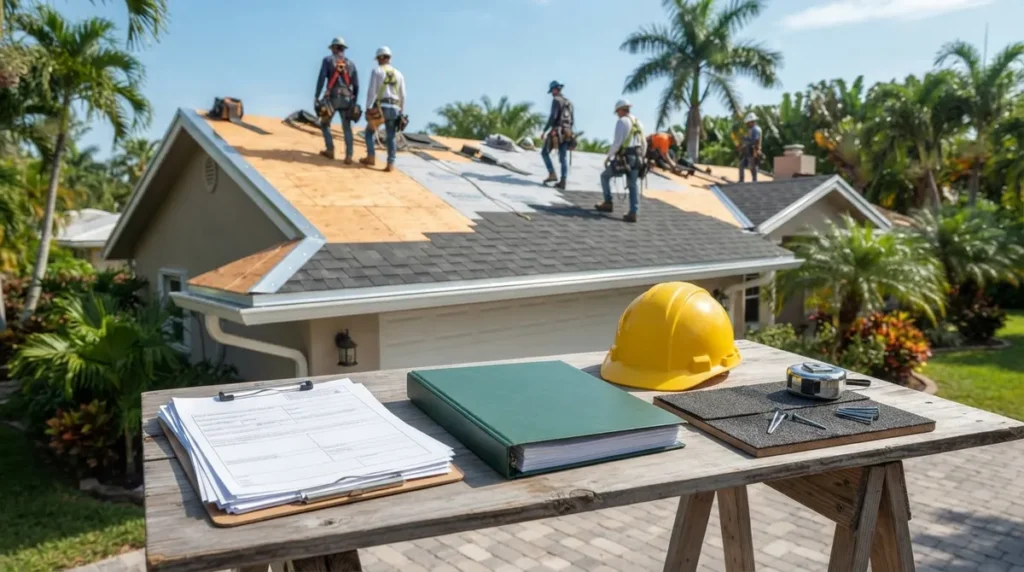
Key Takeaways
-
Fort Lauderdale is in the High-Velocity Hurricane Zone, so roof permits require far more than a form and fee, including proof that products are approved for high-wind installation.
-
Product approvals such as Miami-Dade County NOAs must match the exact roof covering, underlayment, and fasteners you plan to install, since generic approvals for other products will not satisfy the review.
-
Single-family re-roofs with an assessed building value of $300,000 or more require a Broward County Property Appraiser valuation and a notarized Hurricane Mitigation Affidavit covering roof-to-wall connections.
-
Re-roofs require a Statement of Responsibilities Regarding Asbestos, obtained separately through Broward County Natural Resources Division e-Permits, so start this early to avoid stalling the City review.
-
A Notice of Commencement is required when job cost reaches $5,000 or more, and it is filed at the Broward County Government Center East.
-
Do not start work before the permit is issued and do not cover roofing work before it is inspected, since either can trigger stop work orders and costly fixes.
Few things feel as urgent in South Florida as a roof that needs attention. A leak after a summer storm, a roof that has aged out, or a buyer asking for proof of a recent re-roof can all send you straight to one question: how do I get a roof permit in Fort Lauderdale, FL? The good news is that the process is very doable once you know the pieces. The less good news is that Fort Lauderdale sits in Florida's High-Velocity Hurricane Zone, so the paperwork asks for more than a simple form and a fee.
This friendly walkthrough is written for homeowners, general contractors, roofers, solar companies, realtors, and design professionals who want a clear picture before they apply. We will cover who needs a permit, what the City's checklist asks for, how to line up product approvals, which special rules can apply, and how inspections work. Fees, forms, and review steps can change, so always confirm current details with the City of Fort Lauderdale's Development Services team before you submit anything. Let's get you permit-ready.
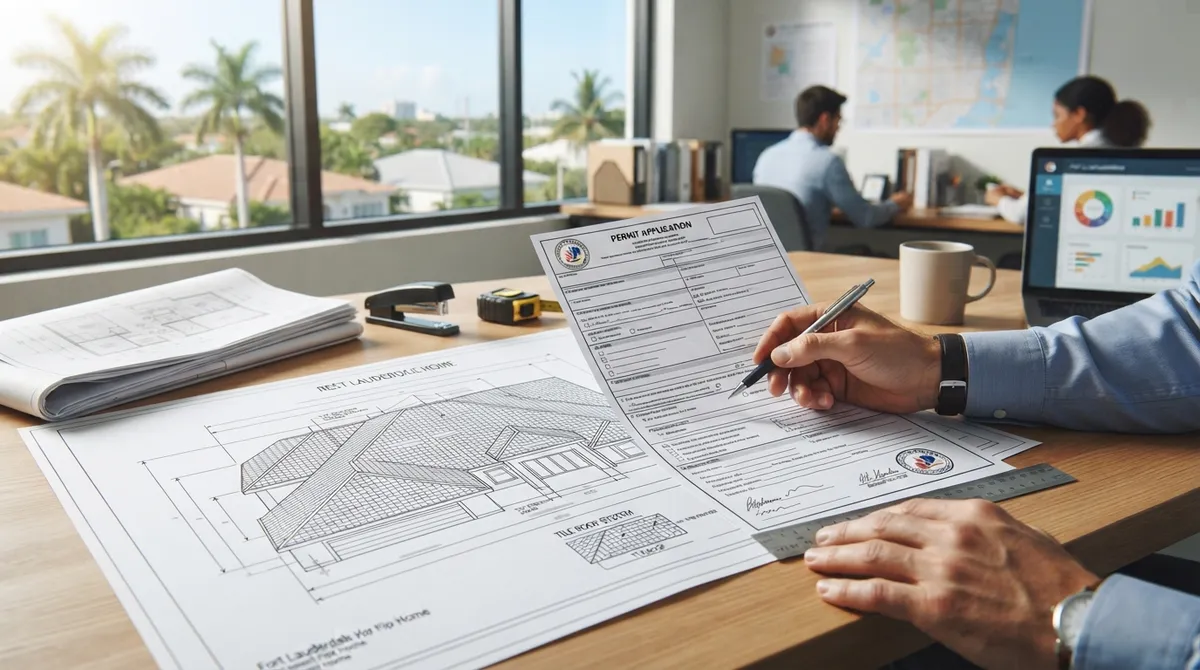
Do You Need a Roof Permit in Fort Lauderdale?
In general, yes. Roofing work in Fort Lauderdale typically requires a permit, and that includes full re-roofs, roof replacements, and many repairs that go beyond a few shingles. If you are curious where the line sits for small repairs, our guide on whether fixing a few shingles needs a permit breaks it down.
Why so strict? Because a roof is your home's main defense against wind and water. The permit process makes sure the roof system you choose is approved for our wind zone, installed to the manufacturer's tested details, and inspected before it is called finished.
A permit also protects you down the road. Insurers, lenders, appraisers, and buyers often ask for permit history. A missing roof permit can slow a closing or raise coverage questions, and fixing it later is far harder than doing it right the first time. If you are already in that spot, see how to legalize an existing roof in Florida.
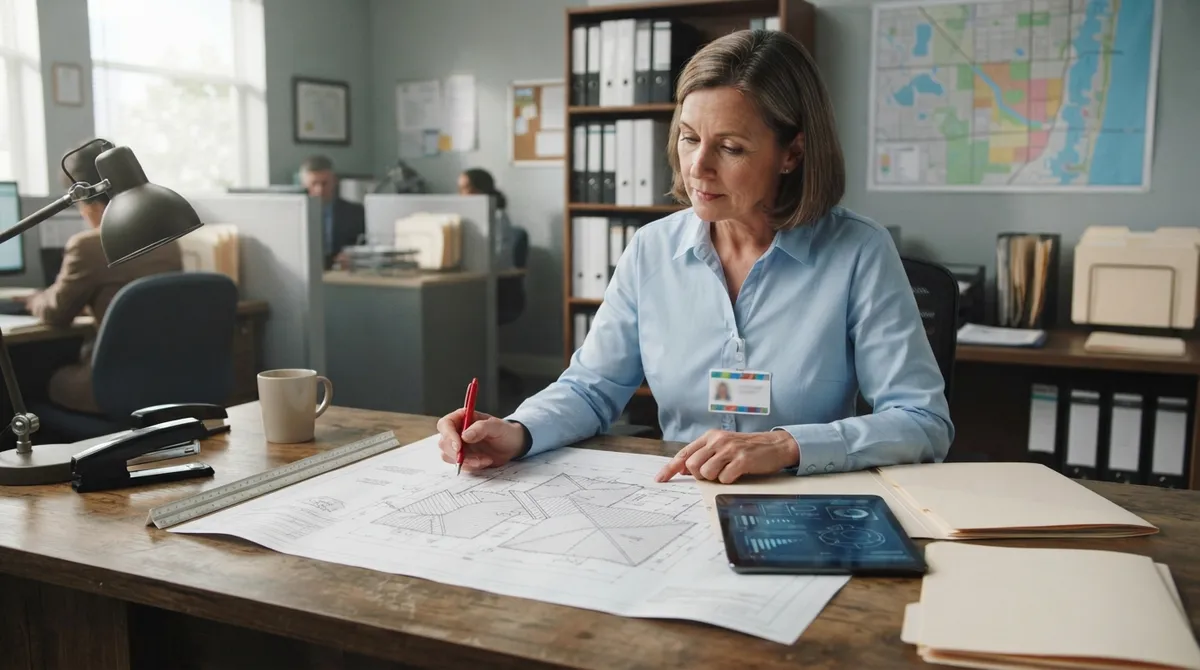
What the City Reviews on a Roof Permit
The City's published roof permit checklist identifies Building review as the core review. Depending on the project and property, it may also trigger Mechanical review and Flood review. Think of these as different reviewers looking at different risks.
| Review Type | What It Looks At | When It Often Applies |
|---|---|---|
| Building | Roof system, product approvals, wind-resistance details, code compliance | Every roof permit |
| Mechanical | Rooftop equipment and related attachments | When equipment sits on the roof |
| Flood | Floodplain rules for the property and value of improvements | Depends on property location and project |
Because the exact reviews depend on your roof type, scope, and site conditions, it pays to look at your property first rather than assume a standard path. A property near the water or in a mapped flood area can behave differently than one inland.
How to Get a Roof Permit in Fort Lauderdale, FL: Step by Step
Here is the typical flow from first idea to approved permit. Follow these steps in order and you will avoid most of the common stalls.
- Confirm the scope. Decide whether this is a re-roof, a repair, a new roof on an addition, or a specialty system such as lightweight-concrete roofing. The scope drives the paperwork.
- Hire a properly licensed roofing contractor. The licensed contractor is responsible for the roofing work, and their license information goes on the application.
- Choose roofing products with valid approvals. Pick the specific roof covering, underlayment, fasteners, and system you plan to install, then collect the matching approval documents.
- Gather the application packet. Complete the City's roofing application packet and assemble the required affidavits and supporting documents.
- Check for property-specific triggers. Look at assessed value, flood conditions, rooftop equipment, and job cost, since each can add a requirement.
- Submit and track. File through the City's current submission method, then watch for reviewer comments and respond promptly.
- Schedule inspections. Once the permit is issued, book inspections at the right stages and keep records on site.
None of these steps is mysterious, but missing one can mean a rejection and a restart of the review clock. That is why many contractors and owners prefer to have the packet reviewed before it is submitted.
Documents on the City's Roof Permit Checklist
The City's checklist calls for a defined set of documents. Use the table below as a planning aid, then verify against the City's current forms.
| Document | Purpose | Notes |
|---|---|---|
| Completed roofing application packet | Core permit application | Confirm you are using the current version |
| Product approvals (including Miami-Dade County NOAs) | Shows the roof products are approved for the wind zone | Must match the specific products and systems proposed |
| Statement of Responsibilities Regarding Asbestos | Addresses asbestos responsibilities for re-roofs | Obtained through Broward County Natural Resources Division e-Permits |
| Rooftop Equipment Affidavit | Documents equipment on the roof | Listed on the City checklist |
| Lightweight-concrete roofing packet | Special installation requirements | Separate packet for this roof type |
| Notice of Commencement | Required at a job-cost threshold | $5,000 or more per the City checklist |
Two items deserve extra attention: the product approvals and the asbestos statement. Both are easy to overlook, and both are frequent reasons applications get kicked back.
Product Approvals and Miami-Dade NOAs
This is where many roof permits succeed or fail. The City's package asks for applicable product approvals, including Miami-Dade County Notices of Acceptance, often called NOAs. The key idea is specificity. Submit the approval information for the exact products and systems you intend to install. A generic approval for a different product line does not cover your installation.
A few habits help here:
- Match every component in your roof system to its own approval document.
- Check that the approval is current and applies to the installation method you plan to use.
- Keep the product names on your contract, your approvals, and your application consistent.
- Ask your supplier for the approval documents before you order materials.
If reading approval numbers feels like decoding a secret language, our walkthrough on how to read a Florida product approval number for roofing will make it much friendlier.
Special Requirements That Can Apply to Your Roof
Not every roof triggers extra paperwork, but several situations do. Knowing them in advance saves you a surprise mid-review.
Higher-Value Single-Family Homes
For a single-family re-roof where the assessed building value is $300,000 or more, the City checklist calls for a Broward County Property Appraiser valuation and a completed, notarized Hurricane Mitigation Affidavit. The affidavit addresses roof-to-wall connections. The checklist describes an enhanced-connection option that is due before final inspection, and a verification option that is due at application or before final inspection.
In plain terms, the City wants to know how well your roof is tied to your walls, because those connections matter a great deal in high winds. If you want a deeper look at related documentation, our explainer on what a roof uplift letter is covers a closely related topic.
Notice of Commencement
The City checklist sets a Notice of Commencement threshold at $5,000 in job cost. It identifies filing at the Broward County Government Center East. Recording and submission instructions can change, so confirm the current process with Broward County and the City before you apply.
Re-Roofs and Asbestos Documentation
For re-roofs, the checklist identifies a Statement of Responsibilities Regarding Asbestos, obtained through Broward County Natural Resources Division e-Permits. Handle this early, because it is a separate county-level step that cannot be finished in the middle of a City review.
Lightweight-Concrete Roofing
If your project involves lightweight-concrete roofing, the City uses a separate installation packet. Treat it as its own track rather than assuming the standard re-roof forms are enough.
Why the High-Velocity Hurricane Zone Matters
Fort Lauderdale is in the High-Velocity Hurricane Zone, which is why wind-resistance details and approved installation methods get so much attention. Florida's 2023 Florida Building Code, 8th Edition, contains the roofing provisions that apply, but the specific code sections and local review requirements depend on your scope, building type, roof system, and site conditions. Confirm the edition and any amendments in effect on the date you apply.
What does that mean for you in practice? It means approved fastening patterns, tested underlayment systems, and verified products are not optional extras. They are the heart of what the reviewer is checking. A roof that looks beautiful but lacks the right approvals will not pass. For a broader look at how structural documents support permits, see structural plans for a Florida residential permit in 2026.
Inspections After the Permit Is Issued
Once your roof permit is approved, the work still has to pass inspection. Inspection stages and scheduling procedures are set by the City, so confirm the current sequence with Development Services. A sensible approach looks like this:
- Keep the permit card and approved plans accessible at the job site.
- Have product approval documents on hand so the inspector can verify what is being installed.
- Schedule inspections at the stages the City requires, rather than waiting until everything is covered.
- If a hurricane mitigation option was chosen, make sure its documentation is ready before final inspection.
- Correct any noted items promptly and request a re-inspection.
Covering work before it is inspected can create real headaches. If that already happened, our guide on how to handle covered work that missed inspection in Florida can point you in the right direction.
Common Roof Permit Mistakes to Avoid
After seeing plenty of roof applications, a handful of mistakes show up again and again. Here is what to dodge:
- Using a generic product approval. The approval must match the actual products and system.
- Forgetting the asbestos statement on a re-roof. It comes from the county, so start it early.
- Skipping the property-value check. The $300,000 threshold changes the document list for single-family re-roofs.
- Missing the Notice of Commencement. It is tied to the $5,000 job-cost threshold.
- Starting work before the permit is issued. That can lead to stop work orders and costly fixes.
- Letting comments sit. Slow responses to reviewer comments stretch the timeline.
Roofers who manage many jobs at once will recognize these patterns. Our article on permit facilitation mistakes Florida roofers make goes deeper, and the guide on how to use roofing permit services in Fort Lauderdale shows how outside help fits into the process.
How a Florida Permitting Service Can Help
You do not have to do this alone. A Florida permitting service can assemble the application, coordinate product approval documentation, check for property-specific needs such as flood review, and track permit comments and inspections. For busy contractors, that frees up crews and office staff. For homeowners, it removes the guesswork from a process that can feel intimidating.
Here is a simple way to compare your options:
| Approach | Best For | Watch Out For |
|---|---|---|
| Doing it yourself | Simple, well-documented jobs and experienced applicants | Missed documents, resubmittals, lost time |
| Roofer handles it in-house | Contractors with dedicated permitting staff | Bandwidth during busy seasons |
| Outsourced permitting service | Growing roofers, solar companies, owners wanting speed and accuracy | Confirm authorization and responsibilities up front |
One important point: the property owner or contractor should verify that any service is authorized to act on the application, and that the licensed roofing contractor remains responsible for the roofing work. A permitting service handles paperwork and coordination, not the installation itself.
That is the role 1 Contractor Solutions plays across Florida. They work as an outsourced permitting department, handling filing, tracking, plan review coordination, and comment responses, with in-house drafting and sealed engineering when a project needs it. If you are weighing options, you can see their roof permit services or read what customers say through Visit us on Google — 1 Contractor Solutions. For roofers who file often, there is also a Roof Permit Partnership Program.
Tips for Each Type of Reader
Different people come to a roof permit with different goals, so here are a few pointers by audience.
- Homeowners: Get your roofer's license information, product approvals, and a written scope before applying. Ask about the hurricane mitigation affidavit if your home's assessed value is high.
- General contractors: Build a permit checklist into every bid so product approvals and affidavits are collected before the schedule is locked.
- Solar companies: Coordinate roof condition and roof permit status early, since an aging roof can complicate panel installation. See who files solar permits in Fort Lauderdale for related guidance.
- Realtors and investors: Pull permit history early. A roof without a closed permit can delay a sale, and unpermitted roofs are covered in our unpermitted roof guide.
- Architects and designers: Flag roof-to-wall connection and equipment details on drawings so reviewers do not have to ask.
Ready to Move Your Roof Project Forward?
A roof permit in Fort Lauderdale rewards preparation. Know your scope, match your product approvals to your actual system, watch the $5,000 and $300,000 thresholds, handle the asbestos statement for re-roofs, and schedule inspections on time. Do those things and the process becomes a checklist instead of a mystery.
If you would rather hand the paperwork to a team that lives and breathes Florida permitting, get a free quote from 1 Contractor Solutions. They respond fast, work in all 67 Florida counties, and keep your project moving. You can also follow us on LinkedIn or follow us on Facebook for more practical permitting tips, and if you are looking for broader marketing support for your trade business, take a look at Brain Buzz Marketing. Your roof is waiting, and a smooth permit is closer than you think.
FAQs
Do I need a permit to replace a roof in Fort Lauderdale, Florida?
Generally, yes. Roofing work in Fort Lauderdale typically requires a permit, and the City's checklist outlines the review and documents involved. Small repairs can fall in a gray area, so confirm your specific scope with the City before starting.
What documents are required for a Fort Lauderdale roof permit?
The City's checklist calls for a completed roofing application packet, applicable product approvals such as Miami-Dade NOAs, and a Rooftop Equipment Affidavit. Re-roofs also need a Statement of Responsibilities Regarding Asbestos, and some properties need additional items like a Hurricane Mitigation Affidavit.
When is a Notice of Commencement required for roofing work?
The City's checklist sets the threshold at $5,000 in job cost. It identifies filing at the Broward County Government Center East, but recording instructions can change, so confirm the current process with Broward County and the City.
Does Fort Lauderdale require a roof-to-wall mitigation affidavit for a re-roof?
For a single-family re-roof where the assessed building value is $300,000 or more, the checklist calls for a Broward County Property Appraiser valuation and a notarized Hurricane Mitigation Affidavit. It addresses roof-to-wall connections, with options due at application or before final inspection.
Can a permitting service apply for and manage my roofing permit?
Yes, a Florida permitting service can assemble the application, coordinate product approvals, check for flood review needs, and track comments and inspections. Just verify the service is authorized to act on the application and that your licensed roofing contractor stays responsible for the roofing work.
We do this work every day across all 67 Florida counties. Call (866) 314-6931 and we will tell you what your situation actually requires — including when you do not need us.
Related services
Permit Facilitation & Filing
You have a crew scheduled, a client asking for dates, and a permit sitting somewhere in a queue you cannot see. We file it, w…
See the servicePlan Review Coordination
A permit in plan review is not one queue. On a commercial project it can be six queues, each with its own reviewer, its own c…
See the serviceReady to get your permit moving?
One call tells you which jurisdiction controls your project, what it will take, and what it will cost. Most of the time we can scope it on the phone.