
Blog
How to Handle Covered Work That Missed Inspection in FL
Work covered before inspection in Florida? Learn what the building official may require, how to respond step by step, and how to avoid costly rework.
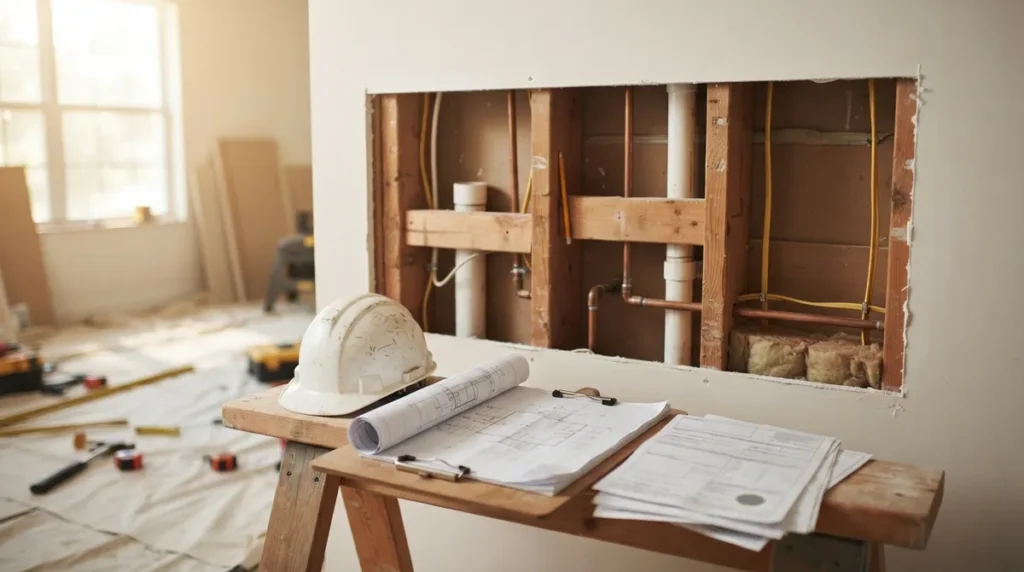
Key Takeaways
-
Stop all further covering or advancing of the affected work immediately, since every added layer makes verification harder and more expensive.
-
The local building official decides how concealed work is verified, and may require removing finishes, exploratory openings, testing, or professional documentation.
-
An engineer's letter or photos can support your case, but they are never automatic substitutes for a missed inspection and may be rejected at the official's discretion.
-
Before disturbing anything, gather the permit, approved plans, inspection history, dated photos, and material records, then contact the building department and get the required verification in writing.
-
Opening, repair, and reinspection costs may fall on the owner or contractor, so define inspection scheduling and cost responsibility in contracts before work begins.
-
Prevent the problem by reading the required inspection list upfront, scheduling inspections early, and holding the next trade until the inspection is signed off.
Picture this: the drywall is up, the paint is drying, and then someone asks, "Wait, did the framing inspection ever happen?" That sinking feeling is more common than you would think. Crews move fast, schedules slip, and suddenly the work an inspector needed to see is hidden behind a wall, a ceiling, or a slab.
If that is where you are right now, take a breath. This is fixable, and you are not the first person to land here. The big question is what if materials are covered and cannot be inspected after the fact, and the honest answer is that your local building official decides how compliance gets verified. Sometimes that means opening things up. Sometimes it means testing or professional documentation.
In this guide, we will walk through why Florida expects work to stay visible, what the building department may ask for, and the practical steps to protect your project, your budget, and your final approval. Whether you are a general contractor, solar installer, realtor, or homeowner, you will find a clear path forward.
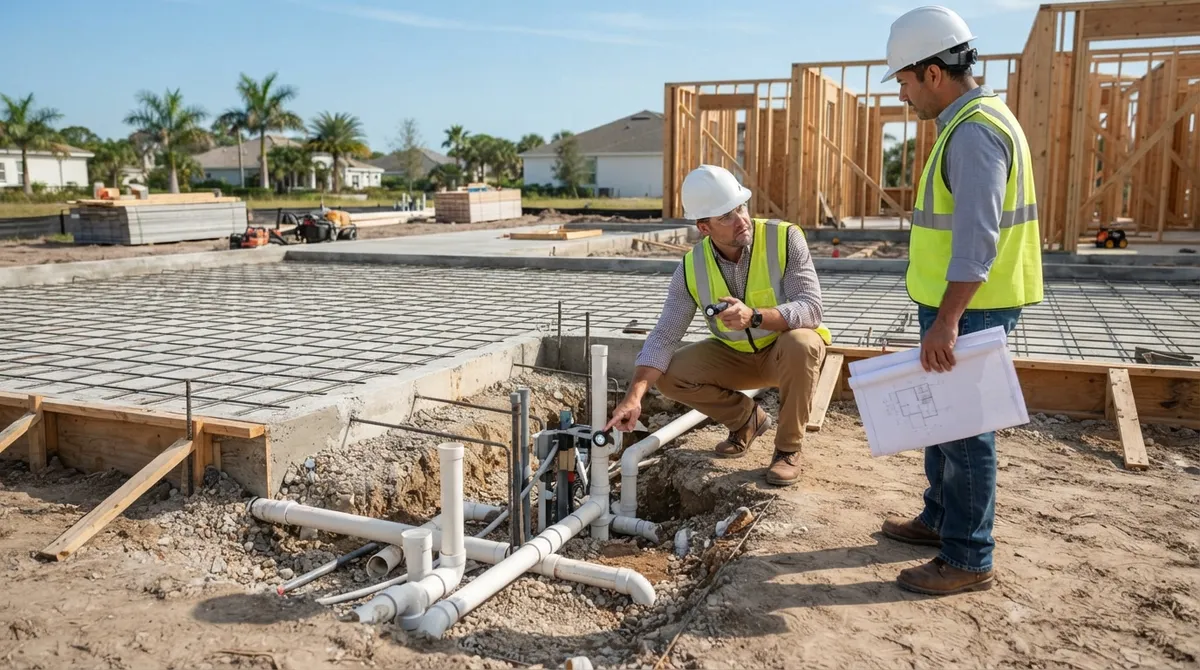
Why Florida Expects Work to Stay Exposed Until Inspected
Florida's permitting system is built around one simple idea: inspectors verify what they can see. Required inspections generally must happen before the work is covered or concealed. Local guidance commonly cites Florida Building Code Section 110.1, which calls for work to remain accessible and exposed until it is inspected and approved. Always confirm the currently adopted code edition and any local amendments with your authority having jurisdiction (AHJ).
Florida Statutes Section 553.79 requires permits for covered construction activity and gives local governments enforcement authority. That authority is what lets a building official decide how to handle a missed inspection.
Think of an inspection like a checkpoint on a road trip. If you drive past it, nobody pretends you stopped. The official simply needs another way to confirm you were where you said you were.
Common Types of Work That Get Covered Too Soon
- Framing and structural connections hidden by sheathing or drywall
- Rough electrical, plumbing, and mechanical buried inside walls and ceilings
- Insulation installed before the required inspection
- Footings, slabs, and under-slab plumbing poured over before approval
- Roof deck and fastening hidden under underlayment or shingles
- Solar conduit and attachment points concealed after installation
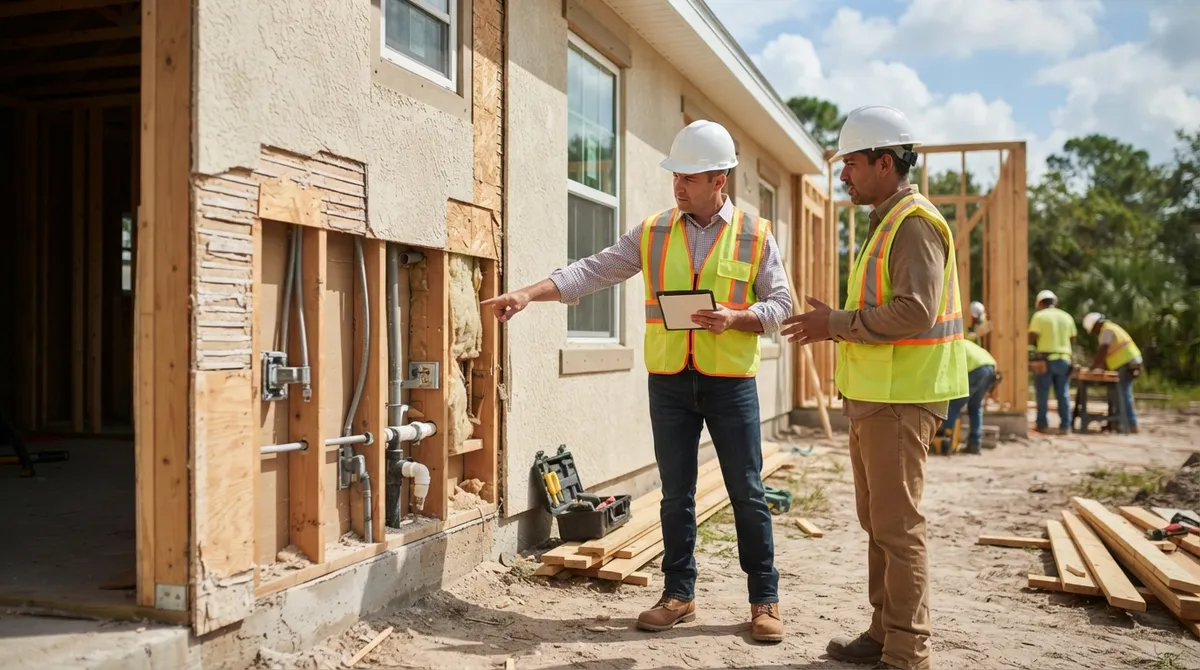
What the Building Official Can Require
Here is the part that surprises many people: there is no single statewide rule that says exactly what happens next. The building official has discretion, and different cities and counties handle it differently.
If work was covered prematurely, the official may require the owner or contractor to remove finishes or otherwise expose the work so it can be inspected. Local guidance also warns that the cost of opening, repairing, and reinspecting may fall on the owner or contractor.
| Possible Official Response | What It Means | Typical Impact |
|---|---|---|
| Remove finishes | Cut or remove drywall, ceilings, or other coverings so the work is visible | Highest cost and disruption, but clearest verification |
| Exploratory openings | Create limited openings at selected locations to sample the work | Moderate cost; may satisfy the inspector if samples pass |
| Testing | Pressure tests, load tests, or other performance verification | Depends on the system being tested |
| Professional documentation | Evaluation or certification by a licensed engineer or architect | Accepted only at the official's discretion |
| Additional inspections | Extra visits at later stages to confirm related work | Adds time and possible fees |
The key takeaway is that the official chooses. You can propose a solution, but you cannot assume it will be accepted.
Will an Engineer's Letter Fix It?
Sometimes, but not automatically. Cape Coral guidance, for example, says an engineer's letter may be considered at the building official's discretion, yet it can also be rejected. In that case, the official may require exposure, demolition, testing, or additional inspections instead.
Photographs, receipts, and an after-the-fact permit do not automatically replace a missed inspection either. Think of them as supporting evidence, not a guaranteed pass.
That said, a well-prepared engineering evaluation can be a powerful tool when the official is open to it. If you need one, our team can help with engineer letters and in-house sealed drawings. For a deeper look at how these two approaches compare, see Engineer Letter vs. Missed Inspection: Which Wins?
How to Respond When Work Was Covered Before Inspection
Speed and calm matter here. The steps below are a practical, friendly roadmap you can follow right away.
- Stop covering or advancing the affected work. Do not hang more drywall, pour more concrete, or close more ceilings. Every additional layer can make verification harder and costlier.
- Identify exactly what was missed. Pull the permit and the inspection history. Note which inspection was skipped and which areas of the building are affected.
- Gather your records. Collect the permit, approved plans, dated photographs, product records, receipts, and any contractor documentation.
- Contact the local building department. Explain what happened and ask what verification they will accept. Do this before you disturb anything.
- Get the requirements in writing. Ask for the official's decision, fees, and any forms by email or through the permit portal.
- Arrange the agreed verification. That could be exposure, exploratory openings, testing, or a professional evaluation.
- Schedule reinspection and keep going only after approval. Do not resume the next phase until the official signs off.
If you are not sure which department controls your address, our building department lookup tool can point you in the right direction, since city lines are not always obvious.
Documents to Have Ready
Walking into the conversation with organized records makes you look prepared and builds trust with the plans examiner or inspector.
- The active building permit and permit number
- Approved plans and any revisions
- Inspection history showing what passed and what was skipped
- Dated photographs taken during construction
- Product approvals, spec sheets, and material receipts
- Contractor and subcontractor information
- Any engineering calculations or prior letters
A quick tip: photos with visible dates, location context, and measuring tape or labels are far more useful than a handful of wide shots. If you are still mid-project, start documenting now.
What If There Was No Permit at All?
If the covered work was done without a permit, the jurisdiction may require an after-the-fact permit along with supporting plans and documentation. Tampa's after-the-fact affidavit, for instance, says previously covered work and missed inspections must be approved by an architect or engineer through a certification letter before the city's first visit. That is a local process, not a statewide guarantee.
Requirements, forms, and fees change from one jurisdiction to the next. If you are heading down this road, our after-the-fact and expired permit services can help you build the right packet. You may also like How to Get an After-the-Fact Permit in Florida for a step-by-step overview.
Where Private Providers Fit In
Florida law allows private providers to perform certain required inspections under statutory conditions. Under Florida Statutes Section 553.791, deficiencies must be corrected and reinspected before the work is concealed.
Here is the important nuance. That does not mean a private provider can retroactively approve work that is already buried. The applicable authority still has to accept how the concealed work is verified. A private provider is best used going forward, to keep inspections on schedule so this problem never happens in the first place.
Learn more about private provider inspections, or compare options in Private Provider vs. Building Department in Florida.
Who Pays and How Costly Is It?
Cost is usually the first worry, and it is a fair one. There is no statewide statistic on how often concealed-work problems occur or what they cost, and no single statewide fee or remedy applies to every case. Local rules drive the outcome.
| Cost Factor | What Drives It |
|---|---|
| Opening the work | Size of the area, type of finish, and labor |
| Repair and refinishing | Drywall, paint, flooring, or exterior finishes to restore |
| Reinspection fees | Local fee schedule and number of visits |
| Engineering or testing | Scope of evaluation, site visits, and any lab or field testing |
| Schedule delay | Crew downtime and holding costs while approval is pending |
Local guidance indicates that these costs may land on the owner or contractor. For that reason, contracts should clearly say who is responsible for scheduling inspections and who bears the cost when a step is missed.
Tips for Each Type of Reader
General Contractors and Design Trades
Build inspection holds into your schedule. A simple checklist at each phase, with a sign-off before closing any wall, saves enormous rework. If you outsource tracking, permit facilitation and filing keeps inspection requests from falling through the cracks. Our page for general contractors covers how we support busy crews.
Solar Companies
Conduit runs, roof attachments, and rafter connections are easy to cover quickly. Make sure required inspections are scheduled and passed before the array and finishes hide critical details. See our resources for solar contractors.
Realtors and Investors
If a property has unclear permit or inspection history, research it before you commit. Our open permit search can help you spot red flags, and realtor and closing support can keep deals moving.
Homeowners
You do not have to be a code expert, but you do have a right to ask for proof. Request copies of inspection approvals from your contractor, and check the permit record yourself. Our homeowner resources explain what to look for.
How to Avoid This Problem Next Time
- Read the permit's required inspection list before work starts.
- Schedule inspections early so the inspector is not the bottleneck.
- Hold the next trade until the inspection card is signed.
- Photograph everything before it is covered, with dates.
- Assign one person to own inspection scheduling and tracking.
- Confirm results in writing and file the approval in a project folder.
These habits cost almost nothing, and they can save you thousands in demolition and reconstruction.
When to Call in Help
You can often handle simple scheduling on your own. But consider calling a Florida permitting professional if the official is demanding exposure, if you need an engineering evaluation, if there are multiple missed inspections, or if a closing, insurance claim, or lender deadline is looming. A good partner can coordinate with the AHJ, assemble records, arrange exploratory openings or evaluations, and schedule required inspections. To be clear, no one can guarantee that concealed work will be accepted without exposure, so be wary of anyone who promises that.
At 1 Contractor Solutions, we act as Florida's outsourced permitting department, working across all 67 counties with in-house drafting and engineering and a team that responds quickly. If a deadline is crushing you, our urgent permit rescue service is built for exactly these moments. You can also see what customers say about us: Visit us on Google — 1 Contractor Solutions, and stay connected when you follow us on LinkedIn or follow us on Facebook.
Final Thoughts
Covered work that missed inspection is stressful, but it is rarely the end of the road. The pattern is simple: stop advancing the work, gather your records, talk to the building department before you disturb anything, and follow the verification path the official sets. Local rules differ, so always confirm requirements with your jurisdiction.
If you want a knowledgeable team in your corner, we would love to help you sort it out. Reach out today to get a free quote and get your project back on track.
FAQs
What should I do if my contractor covered work before the inspection in Florida?
Stop any further covering or advancing of the affected work right away, then contact your local building department. Share the permit, inspection history, and any dated photos, and ask exactly what verification they will accept. Please don't open or alter anything until you hear back.
Will the building department make me open a wall or ceiling for a missed inspection?
It depends on the building official, who has discretion over how compliance is verified. They may require removing finishes, exploratory openings, testing, or professional documentation. Rules vary by city and county, so it is best to ask before you do anything.
Can an engineer's letter replace a missed building inspection in Florida?
Sometimes, but it is never automatic. Some jurisdictions consider an engineer's letter at the official's discretion and may still reject it in favor of exposure, testing, or added inspections. Check with your local department first to see if it is even an option.
Can photos prove concealed work passed inspection?
Photos are helpful supporting evidence, but they do not automatically substitute for a required inspection. The building official decides whether photos, an engineer's evaluation, or physical exposure is needed. Dated, well-labeled photos taken before covering give you the best chance.
Who pays to uncover and repair work that was covered before inspection?
Local guidance warns that opening, repair, and reinspection costs may fall to the owner or contractor. There is no single statewide rule, so your contract and local requirements matter. It is smart to spell out inspection responsibility in writing before work begins.
We do this work every day across all 67 Florida counties. Call (866) 314-6931 and we will tell you what your situation actually requires — including when you do not need us.
Related services
Permit Facilitation & Filing
You have a crew scheduled, a client asking for dates, and a permit sitting somewhere in a queue you cannot see. We file it, w…
See the servicePlan Review Coordination
A permit in plan review is not one queue. On a commercial project it can be six queues, each with its own reviewer, its own c…
See the serviceReady to get your permit moving?
One call tells you which jurisdiction controls your project, what it will take, and what it will cost. Most of the time we can scope it on the phone.