
Blog
Can a Home Sale Close With Unpermitted Work in Florida?
Can a home sale close with unpermitted work in Florida? Usually yes, but lenders, insurers, and disclosure rules matter. Here's how to keep your deal on track.
Key Takeaways
-
Florida law does not prohibit selling a home with unpermitted work, but closing success depends on the buyer, lender, appraiser, insurer, and code enforcement—cash deals face fewer hurdles than financed ones.
-
Sellers must disclose known unpermitted work under Florida law (Johnson v. Davis), and selling 'as-is' does not erase this disclosure duty for latent defects already known to the seller.
-
After-the-fact permits are often available through local building departments and typically require application, plans/engineering, fee payment, work exposure for inspection, corrections, and final inspection before permit closure.
-
Lenders may require documentation or corrections before funding, appraisers may exclude unpermitted square footage from value, and insurers may limit coverage—making pre-closing verification with each party essential.
-
Contracts must clearly specify who applies for permits, who pays fees and corrections, what happens if inspectors require major changes, and whether funds are held in escrow to avoid disputes after closing.
-
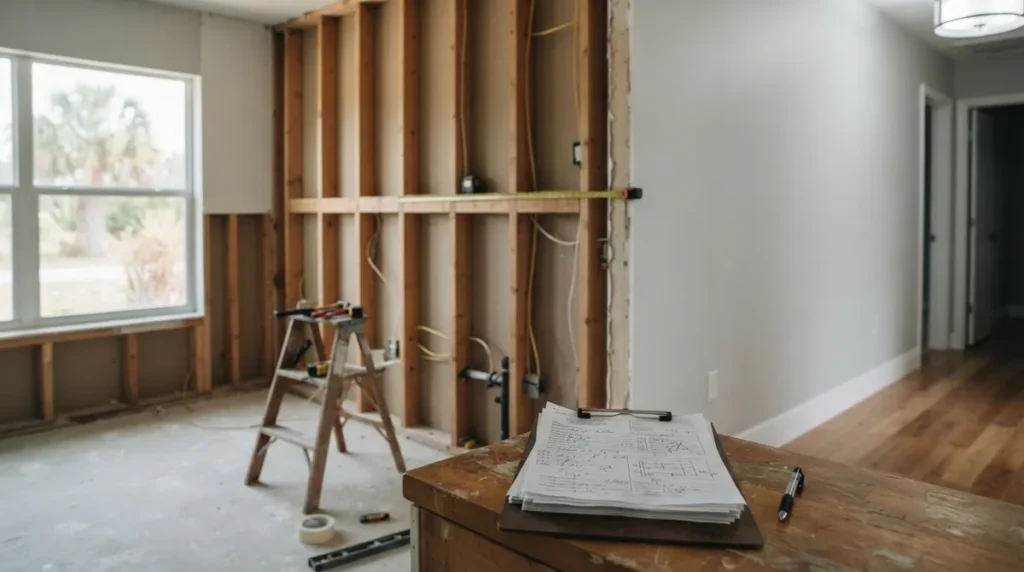
Common unpermitted work includes enclosed patios, garage conversions, room additions, roof replacements, electrical upgrades, pool cages, and outdoor kitchens—often done by prior owners and discovered during sale due diligence.
You've got a buyer, a signed contract, and a closing date circled on the calendar. Then someone mentions the enclosed patio was never permitted. Or the title company finds an open permit from 2014. Suddenly, your smooth sale feels a lot less smooth. Take a deep breath. You are far from the first Florida seller (or buyer!) to land in this spot, and there is usually a path forward.
So, can a home sale close with unpermitted work in Florida? Generally, yes. Florida has no blanket statewide rule that makes a sale invalid just because some work skipped the permit process. But whether your particular deal actually closes depends on the contract, the lender, the insurer, any code-enforcement activity, and how honestly everyone handles disclosure.
In this guide, we'll walk through what really happens, who's affected, what sellers must disclose, and the practical steps that keep deals alive. Whether you're a homeowner, a real estate professional, an investor, or a contractor who did the work, you'll find a friendly roadmap here.
The Short Answer: It Can Close, But It Isn't Guaranteed
Let's start with the good news. Florida law does not prohibit a seller from transferring title to a home that contains unpermitted work. The deed can be recorded, and the keys can change hands.
Here's the catch, though. A closing is a team sport, and several players can say no:
- The buyer may use their inspection period to walk away or renegotiate.
- The lender may require documentation, correction, or a permit before funding.
- The appraiser may exclude unpermitted square footage from the value.
- The insurer may ask questions or limit coverage on the affected areas.
- The local jurisdiction may have an open violation or code-enforcement case attached to the property.
Cash deals tend to have the fewest hurdles. Financed deals have the most. That's why the answer to "can it close?" is really "it depends on who's involved and how prepared you are."
Why Florida Requires Permits in the First Place
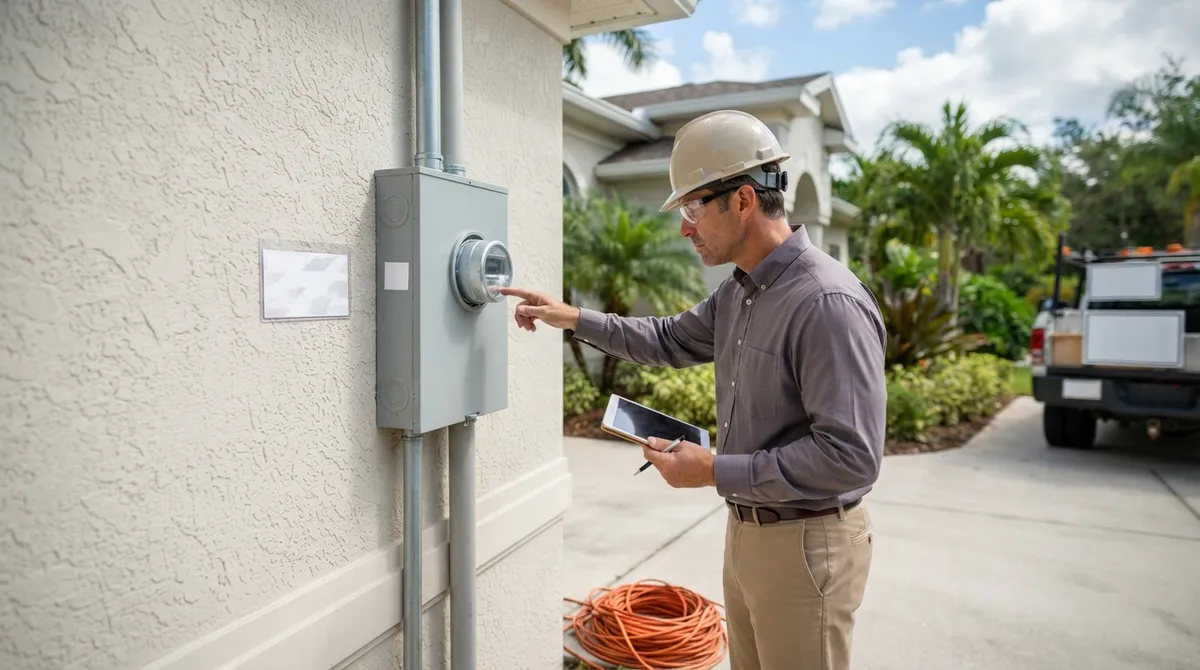
Florida Statutes § 553.79 generally requires a permit before covered construction, alteration, repair, or other regulated work begins. The Florida Building Commission's FAQ describes permits as required for many building, electrical, plumbing, mechanical, and related projects. Exemptions and local procedures do exist, so always confirm the specific work with your local building department.
Permits exist to make sure work meets the Florida Building Code, which matters enormously in a state facing hurricanes, flooding, and high winds. Inspections confirm that structural connections, wiring, plumbing, and roof systems meet safety standards.
When work skips that process, nobody has verified it. That uncertainty is exactly what buyers, lenders, and insurers get nervous about.
Common Types of Unpermitted Work That Surface During Sales
In our experience serving contractors, realtors, and homeowners statewide, the same culprits show up again and again. If you're wondering whether something in your home might be flagged, check this list:
- Enclosed lanai or patio conversions
- Garage conversions into living space
- Room additions and bonus rooms
- Roof replacements without a final inspection
- Window and door replacements, including impact products
- Electrical panel upgrades and rewiring
- Plumbing changes and added bathrooms
- Pool cages, decks, and retaining walls
- Outdoor kitchens and detached structures
Many of these were done by a prior owner. It's a very common story, and we cover it in 4 steps if a prior owner skipped permits in Florida.
What Sellers Must Disclose
This is where honesty protects you. Under the Florida Supreme Court's decision in Johnson v. Davis (1985), sellers must disclose known facts that materially affect the value of residential property and are not readily observable or known to the buyer.
Unpermitted work can absolutely qualify, especially when it affects safety, legality, usable square footage, or value. And here's a point many sellers miss: selling "as-is" does not erase the duty to disclose known latent defects. An as-is clause helps with unknown problems, but it doesn't shield you from hiding what you already know.
Code Enforcement Proceedings Have Their Own Rules
If the property is subject to a pending code-enforcement proceeding, Florida law adds a separate disclosure process. Generally, the seller must give the buyer written notice, deliver relevant proceeding documents, and notify the buyer that they will be responsible for compliance and any orders. Notice to the enforcement official after transfer is also part of the process. Because deadlines and details matter here, confirm current requirements with a real estate attorney or the local code-enforcement office.
For a deeper look, see our article on what disclosures are required for unpermitted work in Florida.
How Unpermitted Work Affects Each Part of the Deal
Think of your closing as a series of checkpoints. Here's how unpermitted work can show up at each one:
| Closing Player | What They May Do | How to Prepare |
|---|---|---|
| Buyer | Request repairs, credits, a lower price, or cancel during inspection | Disclose early and offer a plan to resolve |
| Lender | Require documentation or correction before funding | Ask the lender about their specific requirements |
| Appraiser | Exclude unpermitted area from value | Provide permit history and plans if available |
| Insurer | Ask about the work or limit coverage | Confirm coverage terms before closing |
| Title Company | Flag open permits or recorded violations | Run a permit search well before closing |
| Code Enforcement | Pursue an existing violation against the property | Resolve or disclose the case in writing |
Notice that none of these outcomes is automatic. Each one depends on the specific policy, lender, and transaction. There is no reliable statewide statistic for how often such sales close, so don't let anyone quote you a magic percentage.
Open, Expired, and Missing Permits: What's the Difference?
These three situations get lumped together, but they call for different fixes.
Open Permits
An open permit means work started under a permit that never received a final inspection. It's surprisingly common, and it can appear suddenly at closing. Learn more in open permit found at closing. You can also run a quick check with our open permit search tool.
Expired Permits
An expired permit lapsed before the work passed final inspection. Depending on the jurisdiction, it may be reopened, renewed, or replaced. Our guide on how to close an expired permit in Florida walks through the options.
No Permit at All
When no permit was ever pulled, the route is usually an after-the-fact permit. That's the process most sellers ask about next.
How After-the-Fact Permits Work
Owners can ask the local building department whether an after-the-fact permit is available. Requirements and costs vary widely by municipality and by the work involved, but the process typically follows these steps:
- Confirm the jurisdiction. Near city lines, the controlling authority isn't always obvious.
- Document the existing work. Identify the scope, materials, and approximate date of construction.
- Prepare plans or as-builts. Many jurisdictions require drawings, and some require engineering.
- Submit the application and pay fees. Fees often run higher than a standard permit.
- Expose concealed work if required. Inspectors may need to see framing, wiring, or plumbing behind walls.
- Correct any deficiencies. Work that doesn't meet code may need to be brought into compliance.
- Pass final inspection. The permit is closed and documented.
Our team handles exactly this kind of file through after-the-fact and expired permit services. For a fuller walkthrough, see how to get an after-the-fact permit in Florida, and for cost expectations, check after-the-fact permit Florida cost.
Three Ways to Handle It Before Closing
Most deals land in one of three approaches. None is universally best; the right choice depends on your timeline, budget, and buyer.
| Approach | Best When | Watch Out For |
|---|---|---|
| Fix before listing or closing | You have time and want the widest buyer pool | Timeline and cost of plans, fees, and inspections |
| Negotiate a credit or escrow | Closing is near and the buyer is flexible | Lender approval and clear contract language |
| Sell as-is with full disclosure | The buyer is a cash investor or renovator | Smaller buyer pool and likely price reduction |
Each option works best when the contract spells out who pursues permits, who pays, and who accepts risk. Vague language is a recipe for last-minute drama. We break down the tradeoffs further in fix before closing vs. close as-is.
Practical Steps for Sellers and Their Agents
Here's a friendly checklist you can start on today, ideally before you even list:
- Pull the permit history from the local building department for every improvement you know about.
- Look for open permits that never received a final inspection.
- Identify the scope and date of any work done by you or a prior owner.
- Get qualified advice from a permitting professional, contractor, or design professional.
- Disclose known facts in writing so there are no surprises later.
- Agree in the contract on who handles permits and who bears the cost.
Real estate agents who build this into their listing routine save themselves a lot of stress. Our realtor and closing support is designed for exactly this, and our article on whether a permit hold can delay a Florida real estate closing is worth a read.
Practical Steps for Buyers
Buyers, this section is for you. Being curious early beats being surprised at the closing table.
- Ask for the permit history during your due diligence period.
- Compare the home's features (extra rooms, enclosed areas, new roof, new windows) against what's on record.
- Check for open permits and code-enforcement cases with the local jurisdiction.
- Talk to your insurer about how they treat unpermitted improvements.
- Get a cost estimate to legalize the work so you can negotiate with real numbers.
- Confirm responsibility in writing for who will resolve issues after closing.
Remember, in a code-enforcement situation the buyer typically becomes responsible for compliance after transfer. That makes pre-closing homework especially valuable.
What About Mortgages, Appraisals, and Insurance?
These are the three areas where unpermitted work most often turns a smooth closing into a stressful one.
Financing: Some lenders will ask for documentation or correction, and others won't blink. It varies by lender, loan type, and the nature of the work. If a mortgage stalls, our guide on 5 fixes when a mortgage stalls over unpermitted work can help.
Appraisals: Appraisers may leave unpermitted living area out of their value calculation. That can create a gap between the contract price and the appraised value. See appraisal found unpermitted addition in Florida: now what? for next steps.
Insurance: An insurer may ask about the work or limit coverage related to it. Outcomes are policy-specific, not automatic statewide consequences. It's smart to review expired permits and insurance claims in Florida before you close.
When Engineering and Drawings Save the Day
Here's something a lot of owners don't realize: many after-the-fact permits hinge on paperwork, not demolition. If the work was built well, an engineer may be able to verify it and document it so the building department can approve it.
Depending on the project, that might include:
- As-built drawings showing what exists today
- Engineer letters verifying structural or system compliance
- Structural or MEP engineering for framing, electrical, plumbing, and mechanical work
- Site plans for additions and detached structures
Having drafting and sealed engineering in one place keeps things moving. When a reviewer flags a comment, it gets fixed quickly instead of waiting on an outside consultant. That speed can be the difference between hitting your closing date and pushing it back.
Who Ends Up Responsible After the Sale?
This is one of the most common questions we hear, and the honest answer is: whatever the contract says, plus whatever the law requires.
If the contract is silent, responsibility can become murky and expensive. Buyers may assume the seller handled it. Sellers may assume the buyer accepted the property as-is. To avoid finger-pointing, good contracts specify:
- Who applies for permits and hires professionals
- Who pays fees, engineering, and corrections
- What happens if inspectors require major changes
- Whether funds are held in escrow until final approval
- What happens if the permit can't be obtained
Clear language protects everyone and keeps relationships friendly, which is always nice when there's a big financial transaction at stake.
Getting Help When Time Is Tight
Sometimes the problem shows up a week before closing. If that's you, don't panic. A knowledgeable team can identify the controlling jurisdiction, review the file, prepare drawings, and work with the building department while you focus on the sale. We do this daily across all 67 Florida counties, and our urgent permit rescue service is built for closings that are on the clock.
You can also follow us on LinkedIn or follow us on Facebook for permitting tips, and read what customers say when you visit us on Google — 1 Contractor Solutions. For official background on permit requirements, the text of Florida Statutes § 553.79 is a useful reference.
The Bottom Line
So, can a home sale close with unpermitted work in Florida? Yes, it often can. But the smoothest closings share a few traits: early research, honest disclosure, a clear contract, and a plan for resolving the work. Skip those steps, and small permit issues can become big deal-killers.
If you're a seller, start with your permit history. If you're a buyer, ask early. If you're an agent or investor, build permit checks into your process. And if you're already staring at a closing date and an unpermitted addition, reach out and get a free quote. Our team responds fast, day or night, and we'll help you figure out the quickest legitimate path to the closing table.
FAQs
Can you legally sell a house in Florida with unpermitted work?
Yes, Florida has no blanket rule that bars selling a home with unpermitted work. That said, sellers still have disclosure duties, and lenders, insurers, and code-enforcement matters can affect whether your particular closing goes through smoothly.
Does a Florida seller have to disclose unpermitted renovations?
If the seller knows about the work and it materially affects the property's value or isn't readily observable, disclosure is generally required under Johnson v. Davis. Selling as-is doesn't remove that duty for known latent defects, so putting it in writing is the safest move.
Can I get an after-the-fact permit in Florida, and what does it involve?
In many cases, yes. Ask your local building department, which may require an application, plans or engineering, fees, inspections, exposure of concealed work, and any needed corrections before final approval. Requirements and costs vary by jurisdiction and project.
Will a lender or appraiser approve a Florida home with unpermitted work?
It depends on the lender, the loan type, and the work itself. Some lenders ask for documentation or correction, and appraisers may exclude unpermitted areas from the value, so checking early keeps surprises off the closing table.
Who is responsible for resolving unpermitted work after a Florida home sale?
Responsibility follows the contract and the law. If a code-enforcement case is pending, the buyer typically becomes responsible for compliance after transfer, which is why a clear written agreement on permits, costs, and risk is so important.
We do this work every day across all 67 Florida counties. Call (866) 314-6931 and we will tell you what your situation actually requires — including when you do not need us.
Related services
Permit Facilitation & Filing
You have a crew scheduled, a client asking for dates, and a permit sitting somewhere in a queue you cannot see. We file it, w…
See the servicePlan Review Coordination
A permit in plan review is not one queue. On a commercial project it can be six queues, each with its own reviewer, its own c…
See the serviceReady to get your permit moving?
One call tells you which jurisdiction controls your project, what it will take, and what it will cost. Most of the time we can scope it on the phone.