
Blog
What Is After-the-Fact Permitting in Florida?
Learn what after-the-fact permitting in Florida is, how it works, what it costs, and how to legalize unpermitted work with less stress.
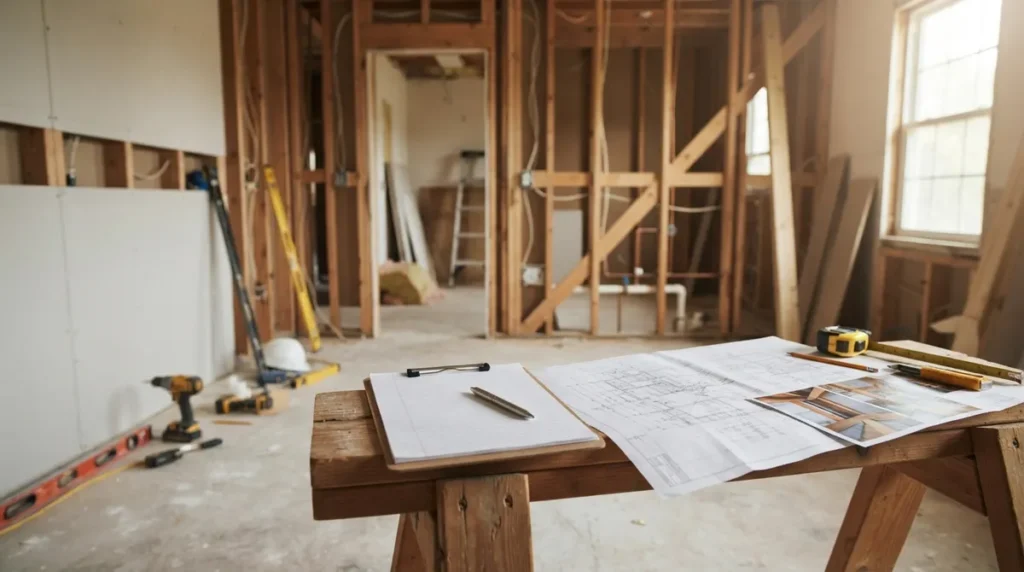
Key Takeaways
-
After-the-fact permitting allows you to apply for permits on already-completed work and must still meet Florida Building Code standards and pass inspections; approval is not guaranteed.
-
Costs vary significantly by jurisdiction with some counties charging double fees for unpermitted work, so check your local fee schedule before filing to budget accurately.
-
Most unpermitted work surfaces during property sales, refinancing, appraisals, or insurance claims, making it crucial to legalize work before these transactions.
-
Inspectors may require you to expose hidden framing, wiring, or plumbing for verification, though engineer letters, photos, and strong documentation can sometimes reduce exposure requirements.
-
The process requires identifying all relevant disciplines (building, electrical, plumbing, mechanical) and submitting jurisdiction-specific forms with as-built drawings, photos, and sealed professional documents.
-
Applying for an ATF permit does not automatically resolve code-enforcement cases or stop-work orders, so you must directly confirm closure requirements with the issuing agency.
Picture this: you just bought a lovely Florida home with a screened lanai, a converted garage, and a brand-new roof. Then the appraiser, the insurance agent, or a friendly inspector asks a simple question: "Where's the permit?" Suddenly that dream home feels a little less dreamy. Take a breath. You are far from alone, and there is a well-worn path to fix it.
That path is called after-the-fact permitting in Florida. It is the process of asking your local building department to review and approve work that started, or finished, without the permit it needed. In this guide, we'll walk through what it is, who it affects, what it costs, what inspectors look for, and how to get through it with less stress. Whether you are a contractor, a solar installer, a realtor, or a homeowner, you will find practical answers here.
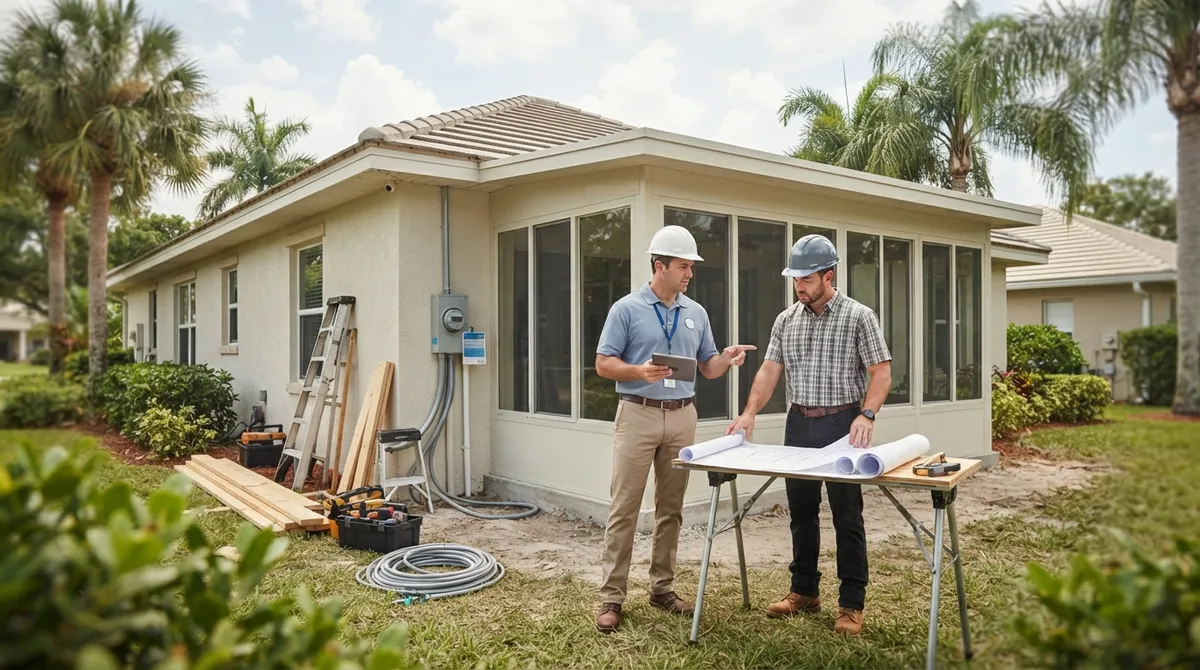
What Is After-the-Fact Permitting in Florida?
An after-the-fact (ATF) permit is a permit application for work that began or was completed before the required permit was issued. Think of it as a way to ask for review and approval. It is not a magic eraser, and it does not guarantee the work will be accepted as-is.
Florida Statutes §553.79 generally makes it unlawful to construct, alter, modify, repair, or demolish a building without first getting a permit from the enforcing agency, unless an exemption applies. That agency is usually the city or county building department where the property sits.
So when we talk about after-the-fact permitting in Florida, we mean:
- Applying for the permit you should have pulled before starting
- Proving the finished work meets the Florida Building Code
- Paying whatever fees the local jurisdiction requires
- Passing inspections, sometimes on work that is already covered up
If you want a deeper dive into service details, our after-the-fact and expired permits page explains how we handle these files.
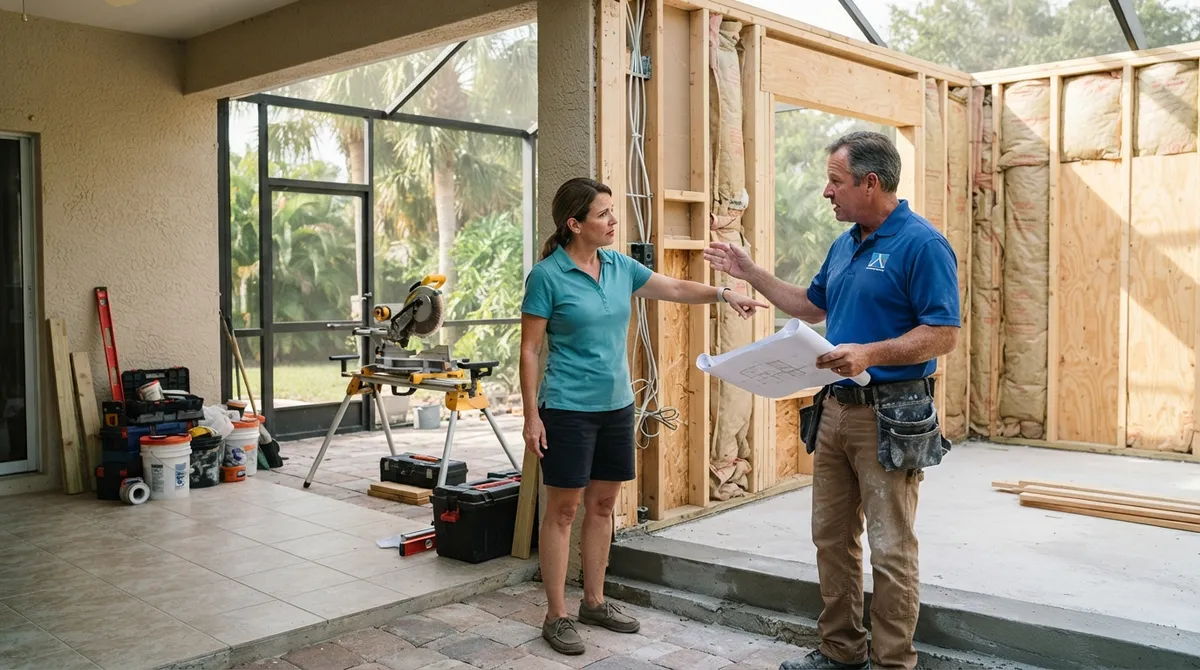
Why Does Unpermitted Work Happen in the First Place?
Here is the good news: most unpermitted work is not malicious. It happens for very human reasons.
- A contractor skipped the permit to save time or money, and the homeowner never knew.
- A previous owner did the work and never mentioned it at sale.
- A DIY project grew from "just swapping a few outlets" into a full remodel.
- A permit expired before final inspection, leaving the job technically open.
- Emergency repairs after a storm were done fast, with paperwork forgotten.
Whatever the reason, the fix starts the same way: get the facts, then get the file in front of the right building department.
Common Work That Needs an After-the-Fact Permit
Almost any regulated work can end up in ATF territory. These are the ones we see most often across Florida.
| Type of Work | Typical Disciplines Involved | Common Scenario |
|---|---|---|
| Room additions and enclosures | Building, electrical, plumbing, mechanical | Enclosed patio or added bedroom |
| Garage conversions | Building, electrical, mechanical | Garage turned into living space |
| Roof replacement | Building (roofing) | Roof replaced without a permit |
| Electrical upgrades | Electrical | Panel swap or added circuits |
| Plumbing changes | Plumbing | Relocated bathroom or kitchen |
| HVAC replacement | Mechanical | New system installed without a permit |
| Solar installations | Electrical, structural | System installed before approval |
| Pool cages, walls, and decks | Building, structural | Installed without plans or sealing |
Notice that many projects touch more than one discipline. A kitchen remodel might involve building, electrical, plumbing, and mechanical permits all at once. Part of the job is identifying every one of them so nothing gets missed.
How Does the After-the-Fact Permit Process Work?
Every jurisdiction runs things a little differently, but the general flow looks like this.
- Confirm who has authority. Find out which city or county building department controls your exact property address. This is not always obvious near city lines.
- Contact the building department. Ask which permits are needed, whether any work qualifies for an exemption, and what the current fee schedule looks like.
- Document what was built. This often means as-built drawings, photos, and a written scope of work.
- Gather professional documents. Depending on the project, you may need sealed drawings or an engineer letter from a Florida-licensed design professional.
- Submit the application. File the jurisdiction's forms and supporting documents for every permit discipline involved.
- Pass plan review. Reviewers check the submitted documents for code compliance and may issue comments to answer.
- Schedule inspections. Even finished work gets inspected, and hidden components may need to be exposed.
- Close out the permit. Once inspections pass, the permit is finalized and the record is cleaned up.
That may sound like a lot, but it is very doable with the right preparation. Our permit facilitation and filing team handles this exact workflow every day.
What Documents Will You Typically Need?
Requirements depend on the project and the jurisdiction, but this is a solid starting checklist.
- Completed permit application for each discipline
- Property owner and contractor information
- Site plan showing where the work sits on the lot
- As-built drawings of the completed work
- Structural calculations or sealed plans when required
- Product approvals for items like windows, doors, and roofing
- Photos of the finished and in-progress conditions, if available
- Engineer letter or compliance letter for concealed work
If you need drawings from scratch, our as-built drawings service captures what was actually built so reviewers can evaluate it. When a licensed professional has to verify concealed conditions, an engineer letter can be the piece that keeps the file moving.
How Much Does an After-the-Fact Permit Cost in Florida?
Here is where we have to be honest: there is no single statewide ATF fee or penalty. Costs vary by city, county, and type of work. Local agencies may add investigation, administrative, or penalty fees on top of the normal permit fee.
Some examples from published local fee schedules show how it can work:
| Jurisdiction | Published Approach to Work Started Without a Permit |
|---|---|
| Seminole County | Fee resolution states an applicant who begins permit-required work early may owe twice the otherwise required fee, subject to local rules |
| City of Homestead | Fee schedule lists double permit fees for work begun before a permit, with added minimum charges and higher amounts for repeat offenses |
Fee schedules change, so always check the current version for your jurisdiction. The total cost also includes drawings, engineering, and inspections, not just the permit fee. For a closer look at budgeting, see our guide on after-the-fact permit costs in Florida.
Will You Have to Open Walls or Tear Anything Out?
This is the question everybody worries about, so let's talk about it plainly. The building department reviews the work for code compliance, and it may require inspections even though construction is done.
If framing, wiring, plumbing, or other components are hidden and cannot be verified, the owner may be asked to expose portions of the work. Sometimes an engineer's letter, photos, or a limited opening is enough to satisfy the inspector. Other times, a bit more access is needed.
If the work does not comply, or cannot be adequately verified, the agency may require repairs, alterations, or even removal and reconstruction. That is the worst case, not the typical case. Many projects pass with minor corrections when the documentation is strong. For a realistic view of what inspectors look for, read what happens during a Florida ATF site inspection.
After-the-Fact Permits and Code Enforcement
Here is a point that trips up many owners. Applying for an ATF permit does not automatically resolve a code-enforcement case. If you received a notice, a stop-work order, or a deadline, you must confirm the closure requirements directly with the issuing agency.
A smart approach looks like this:
- Read the notice carefully and note every deadline
- Contact the building department and code enforcement early
- Ask how the ATF permit connects to the open case
- Keep copies of every submission and every conversation
Responding quickly and politely goes a long way. Inspectors and reviewers see this situation often, and they generally appreciate owners who come forward and work toward compliance. If you are dealing with a notice right now, our code compliance and violations team can help you sort out next steps.
Why After-the-Fact Permits Matter for Selling, Refinancing, and Insurance
Unpermitted work has a funny way of surfacing at the worst possible time. Here are the moments it tends to show up.
- At closing: title searches and appraisals can reveal open permits or unpermitted improvements.
- During refinancing or a HELOC: lenders may ask for proof that improvements were permitted.
- With insurance: unpermitted work can complicate claims and underwriting.
- When adding new work: a new permit may trigger a review of existing conditions.
For realtors and investors, catching this early protects deals and timelines. Our realtor and closing support is built for exactly these situations, and our article on open permits found at closing shows how they play out.
After-the-Fact Permitting: What Each Audience Should Know
Different readers face different pressures, so here is a quick snapshot.
| Who You Are | Your Main Concern | Best First Step |
|---|---|---|
| General contractor | Cleaning up a missed or expired permit without stalling the crew | Confirm the jurisdiction, then gather as-builts and sealed documents |
| Solar company | Legalizing an installed system with structural and electrical documentation | Verify roof structure and electrical scope before filing |
| Realtor or investor | Clearing issues before or during closing | Run an open-permit search and identify what needs legalizing |
| Homeowner | Fixing work done by a prior owner or contractor | Call the building department for your exact address |
You can use our free open permit search tool as a quick starting point, and our building department lookup helps you find the right office.
Tips to Make the Process Smoother
After handling thousands of Florida permits, a few habits show up again and again in the smooth files.
- Call before you file. Ask the building department what they need, so you do not submit the wrong packet.
- List every discipline. Building, electrical, plumbing, and mechanical permits are often separate.
- Gather your paper trail. Receipts, product labels, photos, and contractor details all help.
- Use accurate drawings. Reviewers want to see what really exists, not what was planned.
- Answer comments quickly. Fast, clear revisions keep the file moving.
- Do not guess on fees. Ask for the current schedule and confirm any penalty multipliers.
If comments come back, our revisions and resubmittals service keeps your file from sitting idle.
Should You Handle It Yourself or Get Help?
Some owners handle small ATF permits on their own, and that can work for simple, well-documented projects. Things get trickier when the work involves structure, multiple disciplines, hidden conditions, or an active code-enforcement case.
That is where a dedicated permitting partner earns their keep. At 1 Contractor Solutions, we act as Florida's outsourced permitting department. Our drafting and engineering are in house, and our own engineer signs and seals the work, so when a reviewer flags something, we fix it without waiting on an outside consultant. We work across all 67 Florida counties and have filed in more than 400 municipalities, so we know which office really controls your address.
Want to hear what our customers say? You can read 1 Contractor Solutions reviews on Google, or see our official customer reviews page. You can also follow us on LinkedIn or follow us on Facebook for more Florida permitting tips. For broader background on the state's rules, the Florida Legislature publishes Florida Statutes §553.79 online.
Ready to Legalize Your Work?
After-the-fact permitting in Florida is not a punishment. It is a structured way to bring finished work into compliance, protect your property value, and clear the path for selling, financing, or simply sleeping better at night. The process varies by jurisdiction, costs differ from place to place, and approval is never automatic, but with clear documents and the right guidance, most projects find their way to a clean close.
If you are staring at an unpermitted addition, an expired permit, or a notice in the mailbox, you do not have to figure it out alone. We respond within 30 minutes, day or night, and se habla español. Ready to move forward? Get a free quote and let us tell you exactly what your project will take.
FAQs
Can I get a permit for work that has already been completed in Florida?
Yes, in most cases you can apply for an after-the-fact permit through the building department that has jurisdiction over your property. Approval is not automatic, though. The work still has to meet the Florida Building Code and pass inspections.
Will I have to open walls for an inspection of unpermitted work?
Sometimes, yes. If framing, wiring, or plumbing is hidden and can't be verified, the inspector may ask you to expose part of it. Good documentation, photos, or an engineer letter can sometimes reduce how much needs to be opened.
What happens if unpermitted work does not meet the Florida Building Code?
The building department may require repairs, alterations, or in some cases removal and rebuilding. Most projects with strong documentation only need minor corrections. Applying for an ATF permit also doesn't automatically close a code-enforcement case, so confirm those requirements with the agency.
Can I sell or refinance a Florida home with unpermitted work?
It's possible, but unpermitted work often surfaces during appraisals, title searches, and lender reviews, and it can slow or complicate a deal. Many owners choose to legalize the work first so closing goes smoothly. A local permitting professional can help you weigh the options.
Do I need an after-the-fact permit for electrical, plumbing, or HVAC work in Florida?
Generally, yes, unless the work falls under a local exemption. Electrical, plumbing, and mechanical work usually require their own permits, so it's wise to call your building department to confirm exactly what applies to your project.
We do this work every day across all 67 Florida counties. Call (866) 314-6931 and we will tell you what your situation actually requires — including when you do not need us.
Related services
Permit Facilitation & Filing
You have a crew scheduled, a client asking for dates, and a permit sitting somewhere in a queue you cannot see. We file it, w…
See the servicePlan Review Coordination
A permit in plan review is not one queue. On a commercial project it can be six queues, each with its own reviewer, its own c…
See the serviceReady to get your permit moving?
One call tells you which jurisdiction controls your project, what it will take, and what it will cost. Most of the time we can scope it on the phone.