
Blog
After the Fact Roofing Permit Miami: 2026 Guide
Roof done without a permit? Learn how an after the fact roofing permit in Miami works, what it costs, and how to get through inspection.
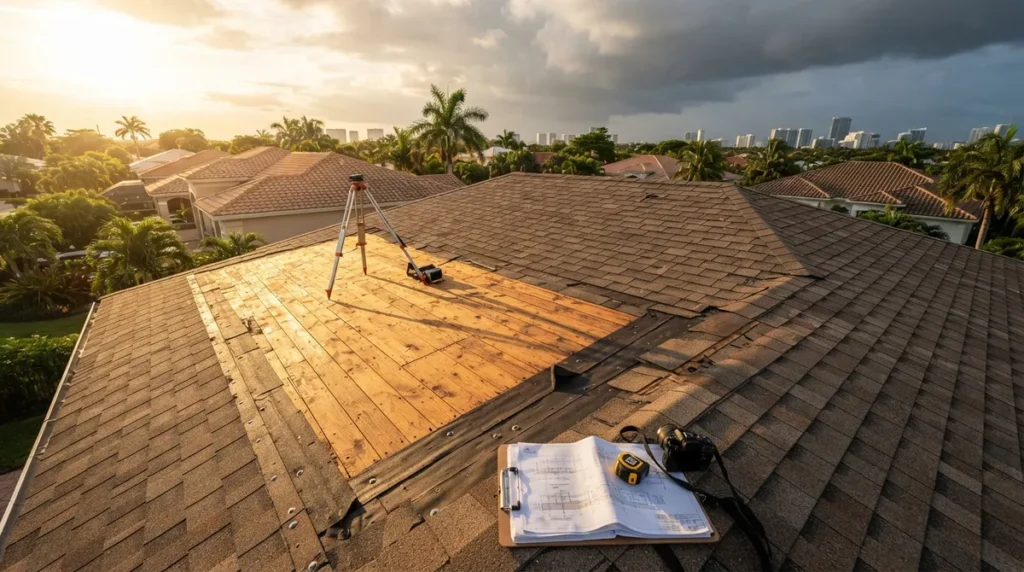
Key Takeaways
-
After-the-fact roofing permits in Miami cost 2-4 times more than standard permits depending on homestead status, plus potential 100% penalties if a Notice of Violation exists, making early action critical to minimize fees.
-
Confirm your jurisdiction first—the City of Miami, other municipalities, or unincorporated Miami-Dade each have different procedures, forms, and fee schedules, which trips up many property owners near city lines.
-
Inspectors may require partial roof uncovering to verify deck attachment, underlayment, and fasteners, but this does not automatically mean a full tear-off; however, any code violations must be corrected before approval.
-
Unpermitted roofs often surface at closing, refinancing, or insurance renewal, so realtors and investors should flag permits early to give buyers negotiating leverage and time to resolve issues before deadlines.
-
Gather documentation including product approvals (NOA or Florida Product Approval), contracts, photos, and invoices before submitting; sealed engineer letters strengthen applications when reviewers question structural adequacy.
-
The permit only covers the roofing scope and does not legalize pre-existing unpermitted structures like additions, so you may need separate after-the-fact permits for related work.
So the roof is already on, and now someone has told you it was never permitted. First, take a breath. This happens to Miami homeowners, investors, and even seasoned contractors far more often than you might think, and it is almost always fixable.
An after the fact roofing permit in Miami is the process of bringing roof work that was done without a required permit into the official permitting and inspection system. It might come up because a neighbor complained, an inspector spotted a new roof, an insurer asked for paperwork, or a buyer's home inspector raised a flag right before closing.
The good news is that Miami-Dade County says existing unpermitted work can still be permitted and inspected. The not-so-fun news is that it costs more than doing it right the first time, and the roof still has to meet code. In this guide, we will walk you through what the process involves, what it costs, which documents you need, and how to get through it with the least stress. Whether you are a homeowner, a general contractor, a realtor, or a roofer cleaning up a missed permit, you will find a clear path forward here.
What an After the Fact Roofing Permit Actually Is
An after-the-fact roofing permit is a permit application for roofing work that has already started or been completed without the required permit. Think of it as filing the paperwork late, with a few extra steps.
Here is the part that surprises people: getting the permit does not automatically legalize the work. The roof must still meet the applicable code and pass the required reviews and inspections. If it does not, corrections come first and approval comes second.
A roofing permit is generally required for roof replacement and other roofing work on both residential and commercial properties in the City of Miami. Miami-Dade County also lists a new roof as work that requires a permit. If you are not sure whether your project qualified, our guide on Miami roofing permit facts every owner should know is a handy companion read.
Common Ways Roofing Work Ends Up Unpermitted
- A contractor said they would pull the permit and never did
- A previous owner replaced the roof and skipped the paperwork
- Storm repairs were done quickly and the permit was overlooked
- An unlicensed handyman or crew did the job
- The permit was pulled but expired before final inspection
That last one is a different situation from a roof that never had a permit at all, and the fix is different. If your permit existed and simply lapsed, see our page on after-the-fact and expired permits for how that path works.
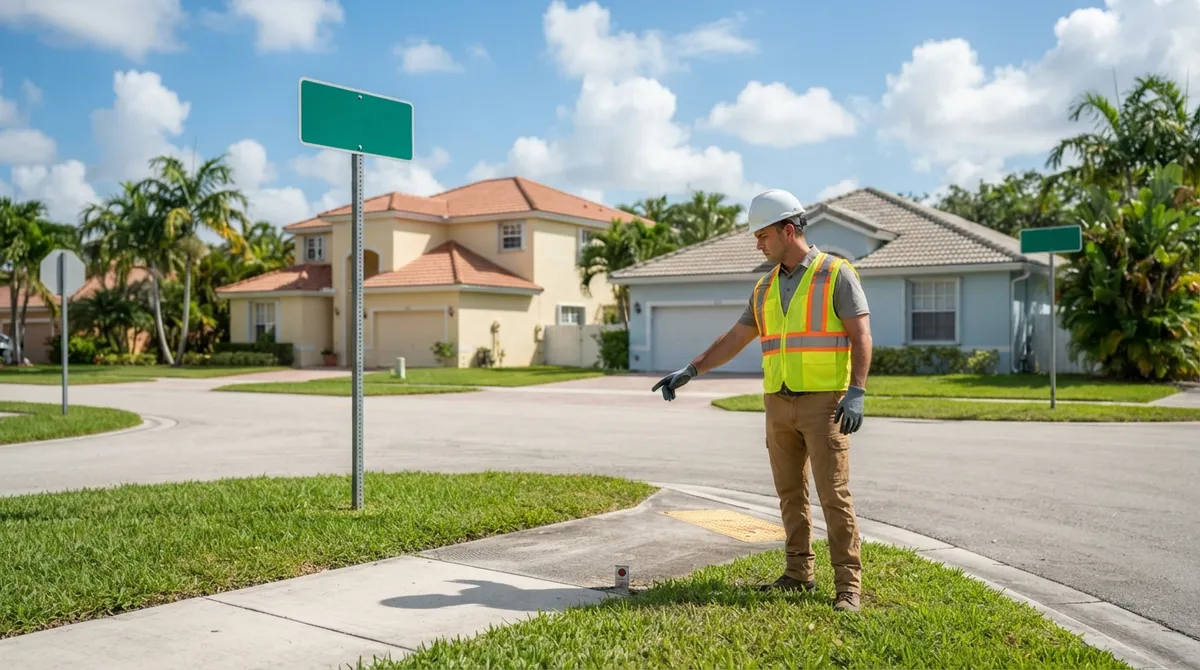
Which Jurisdiction Controls Your Roof?
Before anything else, confirm who actually has authority over your property. This trips up a lot of people. Miami-Dade County has dozens of municipalities, and the City of Miami rules do not necessarily apply throughout the whole county.
Your address might be in the City of Miami, in another municipality such as Coral Gables or Hialeah, or in unincorporated Miami-Dade. Each may have its own procedures, forms, and fee schedules. Near city lines, the answer is not always obvious.
| Location | Who Handles the Permit | What to Check |
|---|---|---|
| Inside the City of Miami | City of Miami Building Department | Online application process and City fee schedule |
| Other Miami-Dade municipality | That municipality's building department | Local forms, local penalties, local checklists |
| Unincorporated Miami-Dade | Miami-Dade County permitting | County roofing permit guidance and fee rules |
If you are unsure, our building department lookup tool can help you identify the right office. You can also read more about permitting in Miami-Dade County and the specifics for the City of Miami.
The Step-by-Step Process
The after-the-fact process looks a lot like permitting new work, with a couple of extra twists. Here is the typical flow:
- Confirm the jurisdiction. Figure out whether the City of Miami, another municipality, or the County controls your address.
- Check for open violations. Find out whether a Notice of Violation has been issued, since that changes the fee structure. Our open permit search tool is a good starting point.
- Gather roof documentation. Collect product approvals, photos, contracts, and anything showing what was installed.
- Prepare the application package. This includes the roofing permit application and project-specific documents.
- Submit and pay the fees. Fees must be paid before the permit is issued.
- Respond to review comments. Reviewers may ask for corrections or additional information.
- Pass the inspections. Inspectors verify the installed roof, sometimes by looking at concealed components.
- Close out the permit. A passed final inspection closes the loop.
It sounds like a lot, but each step is manageable when you know what is coming. Many of our clients tell us the hardest part was simply not knowing where to begin.
Documents You Will Likely Need
The exact checklist depends on your roof type, scope, property, and jurisdiction. City of Miami guidance calls for roofing product documentation, such as a Miami-Dade Notice of Acceptance (NOA) or a Florida Product Approval.
If you are curious how those two approvals differ, we break it down in our article on Miami-Dade NOA versus Florida Product Approval.
- The applicable roofing permit application
- Product approvals (NOA or Florida Product Approval) for the roofing materials installed
- Proof of ownership or owner authorization
- Contractor license and registration information, if a contractor did the work
- Photos of the existing roof and any visible materials or markings
- Contracts, invoices, or material receipts that show what was installed
- Site plan or roof plan, when requested by the reviewer
- Engineer letter or sealed drawings, if the reviewer questions structural adequacy
When a reviewer wants engineering proof that the existing roof structure and attachment are sound, a sealed document makes a big difference. That is where engineer letters and as-built drawings come in handy.
What It Costs: Fees and Penalties Explained
Let us talk money, because this is the question everyone has. Penalties vary by jurisdiction and property classification, so always verify the current schedule with the authority having jurisdiction before you budget.
| Source | What It Says |
|---|---|
| City of Miami fee schedule | Work started without a permit is charged at 2 times the specified fee plus an additional base fee for homestead properties |
| City of Miami fee schedule | Work started without a permit is charged at 4 times the specified fee plus an additional base fee for non-homestead and commercial properties |
| Miami-Dade County | A permit tied to a Notice of Violation carries an additional 100% permit-fee penalty, effectively a double fee |
| City of Miami roofing guidance | No upfront fee for residential projects costing less than $2,500; other upfront fees are based on project cost |
A few things worth knowing about these numbers:
- The upfront fee is not the whole bill. Review fees and ancillary fees may be added.
- Miami-Dade County's upfront fees cover two document reviews, an initial review and one rework. Extra revisions may trigger rework fees per discipline.
- Homestead status matters. Non-homestead and commercial properties face the steeper multiplier in the City of Miami.
For a broader look at how these costs add up across the state, check out our article on after-the-fact permit costs in Florida and our deeper dive into how to estimate after-the-fact roof permit costs.
Will Inspectors Make You Tear Off the Roof?
This is the fear that keeps people up at night, so here is the straight answer. Inspectors may require portions of the roof to be uncovered so they can verify concealed construction. That does not necessarily mean a full tear-off.
What inspectors typically want to confirm includes the roof deck attachment, underlayment, flashing details, fastener patterns, and whether the installed materials match approved products. If something does not meet code, it needs to be corrected before approval.
Ways to Make the Inspection Go Smoothly
- Have product approval documents on hand and easy to find
- Keep photos of the roof from before, during, or after installation if they exist
- Be present or have a representative available to answer questions
- Be ready to open small test areas when the inspector requests it
- Fix identified deficiencies promptly instead of arguing the point
For a closer look at what to expect on inspection day, see what happens during a Florida ATF site inspection. Some owners also choose a private provider to keep things moving faster than the county queue allows.
What the Permit Does and Does Not Cover
This is an important detail that gets missed. A permit and final inspection address only the approved roofing scope. They do not necessarily legalize unrelated or pre-existing structural work.
City of Miami's residential roof-waterproofing checklist makes this explicit: the permit is limited to the roofing work and does not legalize the attached structure. So if your roof sits on an unpermitted addition, you may need a separate after-the-fact process for that structure.
If that sounds like your situation, our articles on legalizing unpermitted work in Florida and 6 steps to legalize unpermitted construction in Miami walk through the bigger picture.
Selling, Refinancing, or Insuring a Home With an Unpermitted Roof
Unpermitted roofs tend to surface at the worst possible moments. Here is where it most often causes headaches:
- At closing: A title search or inspection may reveal open or missing permits, and buyers or lenders may balk.
- At refinancing: Lenders may require permit proof before moving forward.
- At insurance renewal or claim time: Insurers may ask for permit records, especially after storms.
For realtors and buyers, we cover this scenario in detail in open permit found at closing and through our realtor and closing support services. The earlier you start, the more options you have.
Tips by Audience
For Homeowners
Do not panic and do not ignore it. Pull together whatever paperwork you have, find out whether a violation has been issued, and talk to a permitting professional before you contact the building department. If you inherited the problem from a prior owner, you are not alone, and our homeowner resources are a good place to begin.
For General Contractors and Roofers
If a crew skipped a permit, getting ahead of it protects your license and reputation. Make sure your contractor registration is current with the jurisdiction, and consider bulk help if you have several jobs in the same position. Our roofing contractor page and Roof Permit Partnership Program were built for exactly this.
For Realtors and Investors
Build a permit check into your due diligence. Flagging an unpermitted roof early gives your client leverage in negotiation and time to fix the issue before the closing date. For flips, see why flip house unpermitted work bites back.
How 1 Contractor Solutions Can Help
We are Florida's outsourced permitting department, and after-the-fact roofing files are a regular part of our day. We tell you which jurisdiction controls your address, prepare the documentation, file the application, track it, work every reviewer comment, and carry it through to closeout. Because our drafting and engineering are in house, we can produce sealed drawings or engineer letters quickly when a reviewer asks for them. We also respond within 30 minutes, day or night.
If your roof is tied to a stop work order or a looming closing, our urgent permit rescue service is built for that kind of pressure. You can also learn more about our roof permit services, and see what our customers say by visiting us on Google through this link: read 1 Contractor Solutions reviews on Google.
We like to share helpful updates, too. Feel free to follow us on LinkedIn or follow us on Facebook for Florida permitting tips as codes and fee schedules change.
Official Sources Worth Bookmarking
Rules and fee schedules change, so always verify details with the source. The City of Miami publishes its roofing permit guidance and fee schedule at Miami.gov's roofing permit page, and Miami-Dade County publishes its guidance on its roofing permits page. Checking these before you file helps you avoid surprises.
Ready to Fix Your Roof Permit?
An unpermitted roof feels like a big problem, but it is a solvable one. Confirm your jurisdiction, gather your documentation, expect a higher fee, be ready for inspection, and keep the permit scope straight. With the right guidance, most roofs in this situation get closed out successfully.
If you would like a team to take this off your plate, get a free quote and tell us your address and what happened. We will tell you which jurisdiction controls it, what it will take, and then we will go do it. Permits approved. Projects moving.
FAQs
Do I need an after the fact permit for a roof replacement in Miami?
Yes, if the roof replacement required a permit and one was never pulled, you will need to apply for one after the fact. Roof replacement generally requires a permit in the City of Miami and in Miami-Dade County, so it is best to confirm your specific jurisdiction and get it sorted out sooner rather than later.
How much is the penalty for roofing work without a permit in Miami?
It depends on where your property sits and how it is classified. The City of Miami fee schedule charges 2 times the specified fee plus a base fee for homestead properties and 4 times the fee plus a base fee for non-homestead or commercial properties, while Miami-Dade County adds a 100% penalty when a Notice of Violation is involved. Always verify the current schedule with your building department before budgeting.
Will inspectors make me remove shingles or tiles?
Not necessarily a full tear-off, but inspectors may ask you to uncover portions of the roof so they can verify concealed construction like decking, underlayment, and fasteners. If something does not meet code, it will need to be corrected before the permit is approved.
Can I sell or refinance my Miami home with an unpermitted roof?
You may be able to, but it often creates delays. Buyers, lenders, and insurers frequently ask for permit records, so resolving the roof permit before listing or applying for financing is usually the smoother route.
Does a Miami-Dade roofing permit cover properties inside the City of Miami?
Not automatically. The City of Miami and other municipalities within Miami-Dade may have their own procedures and fee schedules, so confirm which jurisdiction governs your address before you file.
We do this work every day across all 67 Florida counties. Call (866) 314-6931 and we will tell you what your situation actually requires — including when you do not need us.
Related services
Permit Facilitation & Filing
You have a crew scheduled, a client asking for dates, and a permit sitting somewhere in a queue you cannot see. We file it, w…
See the servicePlan Review Coordination
A permit in plan review is not one queue. On a commercial project it can be six queues, each with its own reviewer, its own c…
See the serviceReady to get your permit moving?
One call tells you which jurisdiction controls your project, what it will take, and what it will cost. Most of the time we can scope it on the phone.