
Blog
14 Miami Roofing Permit Facts Every Owner Should Know
Learn what it really takes to get a roofing permit approved in Miami, from HVHZ rules to NOA documentation and inspections.

Key Takeaways
-
Miami requires separate permits for almost all roofing work, and the City of Miami and Miami-Dade County operate entirely different permitting systems—verifying jurisdiction before filing is the critical first step.
-
High Velocity Hurricane Zone (HVHZ) requirements mandate special roofing applications, product approvals (Notice of Acceptance), additional documentation, and hurricane-resilience features that add significant complexity to Miami roofing permits.
-
Roofing permit packages must include an HVHZ application, roof plans, product approvals matching your exact roof system, contractor licensing proof, owner authorization, and often hurricane-mitigation affidavits—missing even one document sends applications back to the bottom of the queue.
-
Permit fees are not flat-rate but based on project value, roof area, and building type; residential projects under $2,500 may have no upfront fee in Miami, so confirm current fee schedules with your jurisdiction before quoting.
-
Permitting services handle paperwork, portal uploads, product-approval research, and inspection coordination, while licensed roofing contractors must still perform the actual roofing work—this split responsibility clarifies roles and prevents compliance issues.
-
Inspections don't end when the permit is approved; most roofing permits require pre-finalization inspections and full closeout coordination, and skipping this step leaves properties with open or expired permits years later.
If you've ever tried to get a roof permit approved in Miami, you already know it isn't as simple as filling out a form and waiting a few days. Between the High Velocity Hurricane Zone (HVHZ) requirements, Notice of Acceptance documentation, and the fact that the City of Miami and Miami-Dade County run entirely separate permitting systems, it's easy to feel like you need a translator just to get started. And honestly? You kind of do.
That's where roofing company permit services in Miami come in. Whether you're a general contractor juggling five roofs at once, a homeowner replacing shingles after a storm, or a real estate agent trying to close a deal with an open permit hanging over it, understanding how Miami's roofing permit process works can save you weeks of frustration. We pulled together the 14 most important facts you need to know, straight from official city and county sources, so you can walk into this process feeling confident instead of confused.
Grab a coffee, get comfortable, and let's walk through exactly what makes Miami roofing permits unique, and how a permitting partner like 1 Contractor Solutions can carry the paperwork so you can focus on the actual roof.
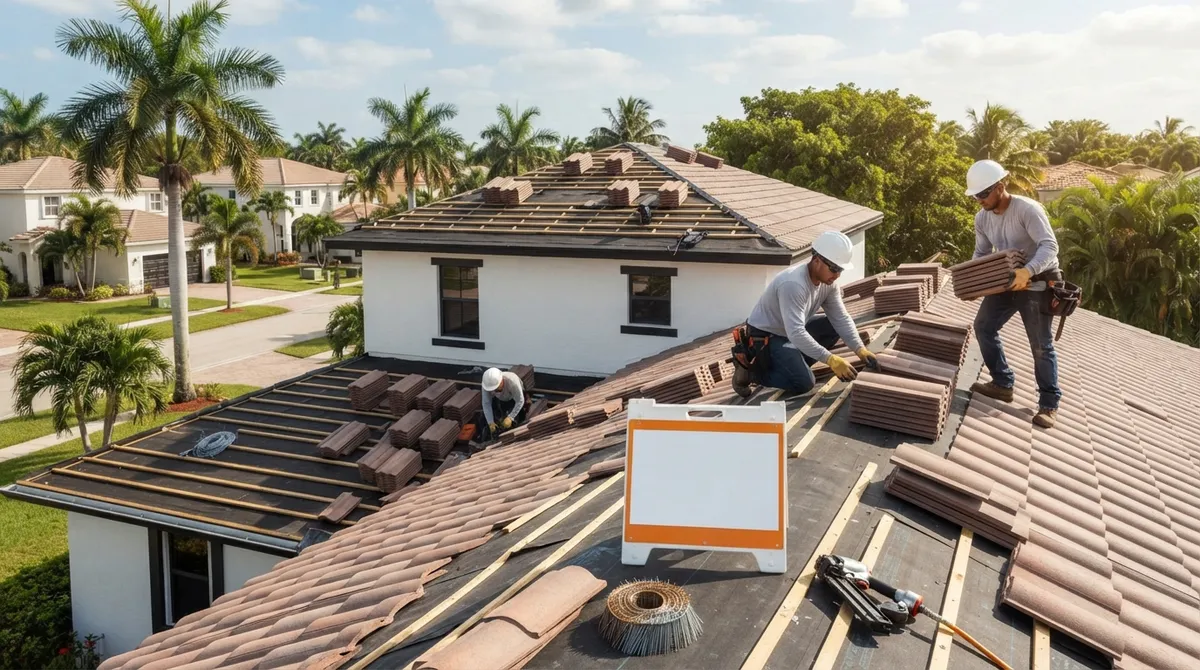
1. Almost Every Roofing Job in Miami Needs a Permit
Here's the big one: the City of Miami requires a building permit for roofing work on both residential and commercial properties. That includes full replacements and, in many cases, significant repairs. Before you assume a project is too small to need a permit, confirm the property is within city limits and pull the folio number, because that single detail determines which authority reviews your application.
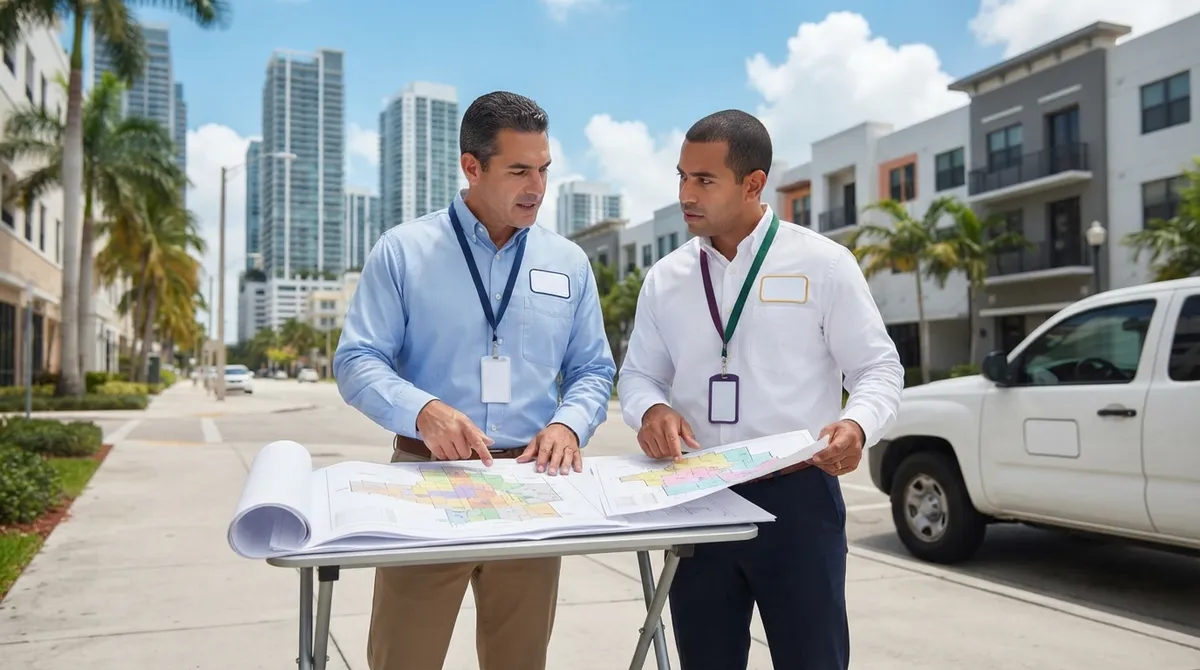
2. Miami-Dade Uses a Different System Than the City of Miami
This trips up a lot of people. The City of Miami and Miami-Dade County are not the same permitting authority, and they don't share one portal. Properties inside the City of Miami follow the City's building-permit process, while unincorporated areas and other municipalities fall under Miami Dade County or the applicable local jurisdiction. Verifying jurisdiction before you file is genuinely the first and most important step, and it's one our team checks on the Building Department Lookup tool before ever touching an application.
3. HVHZ Rules Apply Because Miami Is a Hurricane Zone
Miami-Dade sits inside Florida's High Velocity Hurricane Zone, so roofing applications must use the HVHZ Uniform Roofing Permit Application rather than a generic statewide form. This means additional documentation, additional scrutiny, and additional steps most homeowners have never encountered anywhere else in Florida.
4. Your Roofing Materials Need a Notice of Acceptance or Product Approval
Roofing materials and assemblies typically need a Miami-Dade County Notice of Acceptance (NOA) or an equivalent Florida Product Approval. This document has to match the exact roof system you're proposing, shingles, tile, metal, membrane, or foam, and it gets submitted right alongside your permit package.
| Roof System Type | Common Documentation Needed |
|---|---|
| Asphalt Shingle | NOA or Product Approval, roof plan, attachment schedule |
| Tile | NOA, underlayment details, fastening pattern |
| Metal | NOA, panel profile, clip/fastener specs |
| Built-Up/Modified Bitumen | NOA, layer schedule, flashing details |
| Single-Ply Membrane | NOA, attachment method, seam details |
| Sprayed Polyurethane Foam | NOA, application rate documentation |
5. Standard Documentation Runs Deeper Than a Basic Application
A typical Miami roofing permit package includes the signed roofing application, roof plan or project details, product approvals, contractor licensing information, owner authorization, and often roof-deck and secondary-water-barrier affidavits. Hurricane-mitigation paperwork may also be required depending on the scope. Missing even one document can send your whole application back to the bottom of the pile.
6. Everything Runs Through Electronic Portals Now
Both the City of Miami and Miami-Dade County lean heavily on electronic permitting. The City initiates new roofing applications through systems like iBuild or ePlan, and the County offers its own online permitting resources through the Building Department. If you're not familiar with these portals, uploading the correct documents in the correct format can eat up an entire afternoon.
7. Permitting Services Handle the Paperwork, Not the Roofing Work
It's worth being clear about this: a permitting service prepares applications, researches product approvals, uploads documents, responds to correction comments, tracks the permit, and coordinates inspections. The actual roofing work still has to be performed by a properly licensed roofing contractor. Think of it as splitting the job, your roofer handles the shingles, and your permitting partner handles the red tape.
8. Contractor Licensing Gets Verified Every Time
Under Florida Statutes section 489.113, any contractor seeking to work in a local area must show evidence of a current certificate and pay applicable local occupational-license and building-permit fees. Miami building officials will ask for proof of current state certification or registration, so it pays to confirm your contractor's licensing, insurance, and workers' compensation coverage before the application ever gets filed.
9. Fees Depend on Project Value, Not a Flat Rate
Permit fees in Miami are based on factors like total project cost, roof area, building type, and the specific fee schedule of the governing authority. Interestingly, the City of Miami's guidance notes that a residential roofing project costing less than $2,500 may have no upfront fee under current city rules. Fee schedules do change though, so always confirm current numbers before quoting a homeowner.
| Jurisdiction | Building Department Location | Contact Number |
|---|---|---|
| City of Miami | 444 SW 2nd Avenue, 4th Floor, Miami | 305-416-1100 |
| Miami-Dade County | Herbert S. Saffir Permitting and Inspection Center, 11805 SW 26 Street, Miami | 786-315-2000 |
10. Not Every Small Repair Is Permit-Exempt
Repairs, maintenance coatings, partial replacements, and full re-roofs are all treated differently, and whether a permit is required depends on the exact scope, structural impact, and current local interpretation. Don't assume a small patch job is automatically exempt. That assumption is one of the most common (and costly) mistakes homeowners make.
11. Hurricane-Resilience Requirements Add Extra Layers
Because Miami-Dade sits in the HVHZ, roofing work may require approved attachment methods, secondary water-barrier provisions, roof-to-wall connection improvements, and inspection affidavits. The exact combination depends on the building's age, valuation, roof type, and scope, which is exactly why generic advice from outside Florida rarely applies here.
12. Inspections Don't End When the Permit Is Issued
Getting the permit approved is only half the journey. Most roofing permits require inspections before the job can be finalized, and a complete permitting service should:
- Track every required inspection milestone from start to finish
- Confirm documents are available onsite or in the portal for the inspector
- Respond quickly to any failed-inspection items or corrections
- Push the file through to final approval and permit closure
Skipping this final step is how so many Florida properties end up with open or expired permits years later, something our team sees constantly when handling after-the-fact expired permits across the state.
13. The Building Code Is About to Shift
Miami-Dade's official building information notes that the Florida Building Code Ninth Edition is scheduled to take effect December 31, 2026. If your roofing project is being planned near that date, it's worth double-checking which code edition applies to your actual submission date, since requirements can shift right at that transition point.
14. A Dedicated Permitting Partner Can Carry the Whole Process
This is really where the value shows up. A knowledgeable Florida permitting partner verifies jurisdiction, prepares the HVHZ application, researches the correct NOA documentation, uploads everything correctly the first time, responds to reviewer comments, tracks inspections, and pushes the permit all the way to closeout. For general contractors managing multiple roofs, solar companies layering panels onto new roof systems, or homeowners who just want it done right, that kind of support is a genuine relief.
At 1 Contractor Solutions, our in-house drafting and engineering team means when a reviewer flags an issue, we fix it directly instead of waiting on an outside consultant. We're also a licensed private provider, so in many cases we can perform plan review ourselves rather than leaving your file stuck in a county queue. If you're a roofer looking to streamline recurring permit work, our Roof Permit Partnership Program was built exactly for that.
Quick Comparison: DIY Filing vs. Working With a Permitting Service
| Task | DIY Filing | Permitting Service |
|---|---|---|
| Jurisdiction verification | Self-researched, easy to get wrong | Confirmed before filing |
| NOA/product approval matching | Time-consuming manual search | Handled by specialists |
| Correction responses | Owner must interpret comments | Directly addressed by experienced staff |
| Inspection tracking | Owner tracks manually | Fully coordinated to closeout |
Who Benefits Most From Roofing Permit Services in Miami
- General contractors juggling multiple roofing projects who need consistent, accurate filings across jurisdictions, similar to support offered for general contractors statewide
- Solar companies installing rooftop systems that require coordinated structural and roofing documentation, much like our support for solar contractors
- Realtors and investors who discover an open or missing roof permit during a transaction, an issue we frequently resolve through realtor closing support
- Homeowners replacing storm-damaged roofs who want a guided, stress-free process
- Roofing contractors themselves who would rather spend time on rooftops than inside permitting portals, a group we support directly through our page for roofing contractors
Curious what other property owners in South Florida have experienced? You can visit us on Google — 1 Contractor Solutions to see feedback directly from the community we serve. We also stay active on social media, so feel free to follow us on LinkedIn or follow us on Facebook for permitting updates relevant to Miami and the rest of Florida.
For official guidance directly from the source, the Miami-Dade County roofing permits page and the City of Miami roofing permit resource are both excellent places to confirm current requirements before you file.
Bringing It All Together
Miami's roofing permit process has a lot of moving parts, HVHZ rules, NOA documentation, dual jurisdictions, hurricane-mitigation requirements, and multi-step inspections. None of that means it has to be stressful. With the right information (and the right team backing you up), getting a roof permit approved can feel a whole lot more manageable than you expected.
Whether you're a homeowner tackling your very first roofing project, a real estate professional trying to clear a permit before closing, or a contractor who needs consistent, accurate filings across Miami-Dade and beyond, we're here to help. Ready to skip the guesswork and move your roofing permit forward with confidence? Request your free quote today, and let's get your roof permitted the right way, the first time.
FAQs
Do I need a permit to replace a roof in Miami?
Yes, in almost all cases! The City of Miami requires a building permit for roofing work on residential and commercial properties, and Miami-Dade County has similar requirements under its HVHZ rules. It's always worth double-checking your specific scope before assuming otherwise.
What documents are required for a Miami-Dade roofing permit?
You'll typically need the signed HVHZ roofing application, roof plan details, product approvals like an NOA, contractor licensing information, owner authorization, and sometimes hurricane-mitigation or water-barrier affidavits. It sounds like a lot, but a good permitting partner can pull it together smoothly.
How much does a roofing permit cost in Miami?
Costs vary based on project value, roof area, and the specific jurisdiction's fee schedule. Interestingly, the City of Miami notes that some residential projects under $2,500 may have no upfront fee, but it's smart to confirm current numbers before assuming.
Can a permitting service apply for a roofing permit on behalf of my contractor?
Absolutely, that's exactly what services like ours are built for! We prepare and file the application, track it, and handle corrections, while your licensed roofing contractor still performs the actual roofing work.
What inspections are required for a roof replacement in Miami?
Most roof replacements require at least one inspection before the permit can be finalized, sometimes more depending on the scope. A thorough permitting service will track these inspections and help resolve any issues quickly so your permit reaches full closeout.
We do this work every day across all 67 Florida counties. Call (866) 314-6931 and we will tell you what your situation actually requires — including when you do not need us.
Related services
Permit Facilitation & Filing
You have a crew scheduled, a client asking for dates, and a permit sitting somewhere in a queue you cannot see. We file it, w…
See the servicePlan Review Coordination
A permit in plan review is not one queue. On a commercial project it can be six queues, each with its own reviewer, its own c…
See the serviceReady to get your permit moving?
One call tells you which jurisdiction controls your project, what it will take, and what it will cost. Most of the time we can scope it on the phone.