
Blog
How to Get an After-the-Fact Plumbing Permit in Florida
Yes, Florida generally allows after-the-fact plumbing permits. Learn the steps, costs, inspections, and who can apply, with help from Florida permitting pros.
Key Takeaways
-
Yes, most Florida jurisdictions accept after-the-fact plumbing permits, but approval isn't automatic: the local building official decides required documentation, inspections, corrections, and fees.
-
Plumbing generally requires a permit even for small jobs, since Florida's low-value exemption under §553.79 expressly excludes plumbing; always verify with the local building department before relying on any minor-repair exemption.
-
Confirm which building department has authority over the address, since city and county procedures can differ, and filing with the wrong office can waste weeks.
-
Check for open or expired permits and existing code cases on the address before filing, because an expired permit requires a different path than a new after-the-fact application.
-
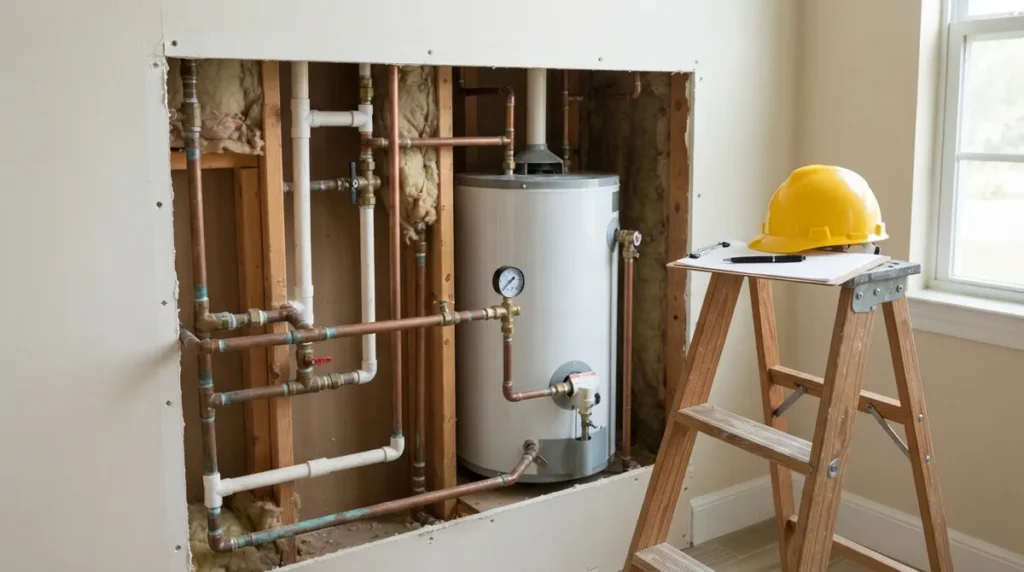
Expect inspectors to possibly require exposing concealed piping, pressure or leak testing, and checks of traps, vents, and water heater safety items, so drywall may need to come down.
-
Work-without-permit penalties can be added to the standard permit fee, and an unpermitted plumbing record can cause problems at closing, with insurance claims, and when selling or refinancing.
Here's a situation we hear about all the time: a homeowner replaces a water heater, a handyman reroutes a drain line during a remodel, or a previous owner finished a bathroom without ever calling the building department. Then a buyer's inspector, a lender, or a code officer notices. Suddenly, a plumbing job that seemed finished is a problem. If you're asking, "can I get after the fact for plumbing in Florida?" take a breath. The short answer is yes, in most cases you can.
Florida building departments generally allow owners to apply for a retroactive permit for plumbing work that was already completed. Approval isn't automatic, though. The local building official decides what documentation, inspections, corrections, and fees are required. This guide walks you through the whole process in plain English, step by step, so you know what to expect and how to avoid common stumbling blocks in 2026.
Whether you're a homeowner, a contractor cleaning up a job, or a Realtor facing a closing deadline, you'll find practical answers here.
Can You Really Get an After-the-Fact Permit for Plumbing in Florida?
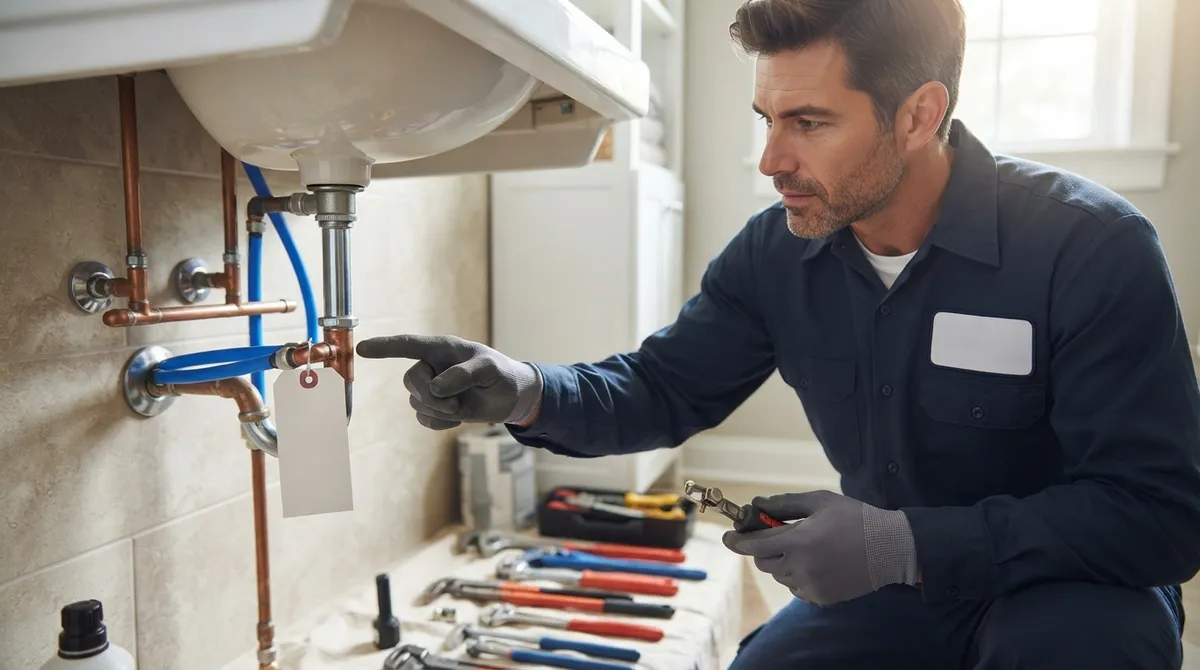
Yes, with an important caveat. Florida jurisdictions commonly accept after-the-fact (also called retroactive) permit applications for plumbing. What they won't do is simply stamp the work approved. The building department will review what was installed, and the work must meet the Florida Building Code and local rules.
Think of an after-the-fact permit as a way to bring completed work into the system. If it passes inspection, you get a closed permit on record. If it doesn't, you'll need to correct the problem first. For a deeper look at how this works statewide, see our guide on how to get an after-the-fact permit in Florida.
Why Plumbing Is Treated Differently
Florida Statutes §553.79 generally requires a permit before covered construction, alteration, repair, or modification begins. The statute includes a limited exemption for certain low-value work at single-family homes, valued below $7,500. But that exemption expressly excludes plumbing work. So even a small plumbing job can require a permit.
That said, some narrowly defined minor repairs may be exempt under local rules. Hillsborough County, for example, lists stopping certain leaks and clearing or repairing a water closet (without rearranging or replacing piping or fixtures) as work that may not require a permit. Replacing concealed defective piping or altering and relocating plumbing generally does.
Step 1: Figure Out Whether Your Work Actually Needed a Permit
Before you spend a dime, confirm that a permit was required. Some repairs genuinely don't need one, and learning that early can save you real money.
Here's a quick reference for how common plumbing jobs often fall:
| Plumbing Work | Permit Typically Required? | Notes |
|---|---|---|
| Water heater replacement | Usually yes | Many jurisdictions require a permit and inspection |
| Relocating or adding fixtures | Yes | Alteration of the system |
| Replacing concealed defective piping | Yes | Generally requires inspection before closing walls |
| Repiping a home | Yes | Often needs detailed documentation |
| Stopping a minor leak | Often no | Varies by local rule |
| Clearing or repairing a toilet without changing piping | Often no | Confirm with your building department |
Always verify with the authority having jurisdiction before relying on an exemption. Rules vary, and what's exempt in one place may need a permit next door.
Step 2: Identify the Correct Building Department
This sounds simple, but it trips people up constantly. The correct permitting authority depends on where the property sits. It might be a city or a county building department, and countywide procedures don't necessarily apply inside incorporated municipalities.
If your home is near a city line, don't guess. Our free building department lookup tool can point you in the right direction. You can also read about which Florida jurisdiction reviews your project to avoid filing in the wrong place.
Why does this matter? Filing with the wrong office wastes weeks. Each jurisdiction has its own forms, fee schedule, and inspection process, and some have specific procedures for work started without a permit.
Step 3: Check for Open Permits and Violations
Before filing anything new, find out what's already on record. There may be an open or expired permit tied to the address, or an existing code case. Knowing this up front keeps you from duplicating applications or missing an issue that must be resolved first.
You can run a quick check with our open permit search. If you discover an expired permit tied to the plumbing work, that's a different path than a brand-new after-the-fact application, and our resource on how to close an expired permit in Florida explains the difference.
Step 4: Gather the Documentation Building Officials Want
An after-the-fact application commonly requires a permit application and a clear description of the completed work. Depending on the scope and the local rules, the department may also ask for more.
Here's what you'll often need to pull together:
- A completed permit application describing exactly what plumbing work was done and where.
- Contractor information, including a licensed plumber where required.
- Plans or as-built drawings showing the plumbing as it was actually installed, such as a riser diagram or fixture layout.
- Photos or records of the work, especially if parts are now concealed behind walls or floors.
- Proof of ownership and any prior permit history for the address.
- Access arrangements so inspectors can see the system.
For larger jobs, like a whole-house repipe or added bathrooms, as-built drawings become especially important. Our team prepares these regularly. Learn more about as-built drawings and how they support an after-the-fact permit.
Step 5: Understand Who Can Pull the Permit
Florida law generally requires plumbing work to be performed by an appropriately licensed person unless a specific legal exception applies. That affects who can apply for the permit, too.
In many cases, a licensed plumbing contractor must be involved, either by pulling the permit or by taking responsibility for the work. Some owner-occupied properties may qualify for an owner-builder route, but plumbing has its own limits and local requirements. It's worth reading about who can pull a permit in Florida and checking our page on owner-builder permits to see whether that option fits your situation.
If the original work was done by an unlicensed person, the building department may require a licensed plumber to evaluate, correct, or take over the job. That's common, and it's nothing to panic about.
Step 6: Submit the Application and Pay the Fees
Once your paperwork is ready, you'll file with the correct building department, either online or in person depending on the jurisdiction. Expect to pay the standard permit fee and, in many places, an additional charge for work started before permit issuance.
Fees and penalties vary widely. Miami Beach materials, for instance, describe a penalty equal to 100% of the required permit fee for work begun before permit issuance, in addition to the permit fee itself. Other jurisdictions handle it differently. Always ask the local department for its current fee schedule.
| Cost Factor | What to Expect |
|---|---|
| Base permit fee | Set by the local jurisdiction, often based on scope or valuation |
| Work-without-permit penalty | May be added; varies by city or county |
| Inspection fees | Sometimes included, sometimes charged per inspection |
| Plans or drawings | Separate cost if as-builts are required |
| Corrective work | Depends on what inspectors find |
To get a realistic picture of pricing, our breakdown of after-the-fact permit costs in Florida is a helpful read.
Step 7: Prepare for Inspection
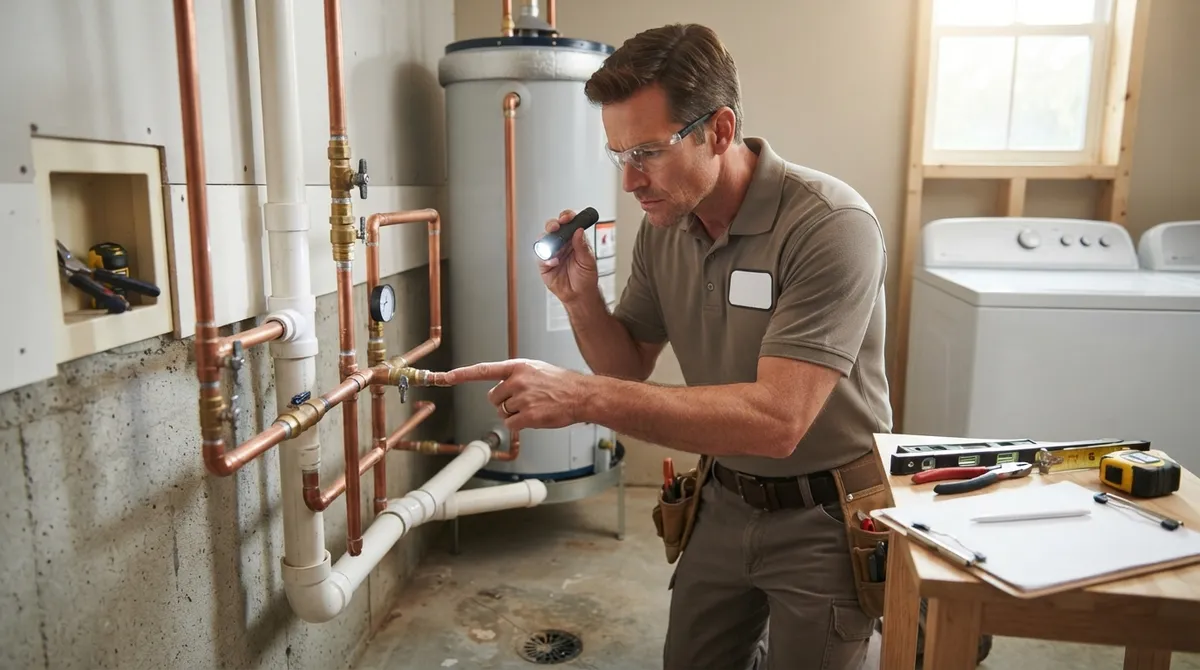
This is the part that worries people most, and for good reason. The inspector's job is to verify that the plumbing meets code. Because the work is already done, that can mean extra steps.
Here's what may happen during the inspection phase:
- Exposing concealed work. If piping is hidden in walls or under slabs, the inspector may ask you to open access points or provide other documentation so the work can be verified.
- Pressure or leak testing. Inspectors may require testing of the supply or drain system.
- Fixture and venting checks. They'll look at traps, vents, cleanouts, and connections.
- Water heater safety items. Expect a look at relief valves, discharge piping, and proper installation.
Be ready for the possibility that some drywall may need to come down. It's a hassle, but it's far better than an unresolved violation. If you're curious about what inspectors typically look for, see what inspections Florida after-the-fact permits require.
Step 8: Correct Any Problems and Close the Permit
Here's a point worth stating clearly: a permit is not a guarantee that existing plumbing will be accepted exactly as installed. The building official determines the required inspections and corrections under the applicable code and local procedures.
If the work fails, you'll receive a correction notice listing what needs to change. Common fixes include replacing improper materials, adding missing vents or cleanouts, correcting slope on drain lines, and installing proper shutoff valves. After corrections, you schedule a re-inspection.
Once the work passes final inspection, the permit closes, and you have documentation showing the plumbing was reviewed and approved. That paper trail matters when you sell, refinance, or file an insurance claim. For help understanding the process after a failed review, check out how to respond to a correction notice after the fact in Florida.
What Happens If You Don't Get the Permit?
Leaving unpermitted plumbing alone can create bigger headaches down the road. Potential consequences include:
- Code enforcement cases and escalating fines
- Problems at closing, since lenders and title companies often flag open or missing permits
- Insurance complications if a leak or failure traces back to unpermitted work
- Difficulty selling or refinancing
- Safety risks from improperly installed or vented systems
If you're a seller, this one matters a lot. Our article on disclosures required for unpermitted work in Florida covers what you may need to share with buyers, and our realtor and closing support service helps clear permit issues before a deal falls apart.
Tips for Different Readers
Every situation is a little different, so here's how to think about it depending on who you are.
For Homeowners and Property Owners
Start by confirming the permit history on your address, then talk to the building department before doing any demolition or corrective work. Hire a licensed plumber and keep every receipt and photo. You can find more on our homeowners page.
For General Contractors and Trades
If a subcontractor skipped a permit, getting ahead of it protects your license and your client relationship. Coordinate with the building department early and bring in as-builts when the scope calls for them. Our general contractor support covers permit filing and tracking across jurisdictions.
For Realtors and Investors
Unpermitted plumbing found during due diligence doesn't have to kill a deal. Work with the seller to start the after-the-fact process before closing, and consider timelines carefully. Our guide on whether a permit hold can delay a Florida closing is a good starting point.
When to Bring in Professional Help
You can absolutely handle simple cases yourself. But after-the-fact plumbing permits can get complicated fast, especially when drawings, multiple inspections, or a code enforcement case are involved. That's where having an outsourced permitting team makes life easier.
At 1 Contractor Solutions, we act as Florida's outsourced permitting department. We handle after-the-fact and expired permits, prepare as-built drawings, coordinate with building officials, and track the application through closeout. Our drafting and engineering are in-house, and our own engineer signs and seals the work, so when a reviewer flags something, we fix it without waiting on an outside consultant. We also respond within 30 minutes, day or night.
If you want to see what other clients have said, you can visit us on Google — 1 Contractor Solutions and read the reviews. You can also follow us on LinkedIn or follow us on Facebook for permitting tips as rules change.
Common Mistakes to Avoid
A few missteps can slow you down or add cost. Watch out for these:
- Filing with the wrong jurisdiction. Always confirm whether the city or county controls your address.
- Hiding or covering the work further. This only makes inspections harder.
- Hiring an unlicensed worker to "fix" it. That can create a second violation.
- Ignoring a code notice. Deadlines matter, and fines can grow over time.
- Assuming an exemption applies. Confirm with the local department in writing when possible.
If you've already received a notice, our resource on what to do after a Florida code enforcement notice can help you respond calmly and correctly.
Final Thoughts: You Have Options
Unpermitted plumbing feels stressful, but it's usually fixable. Florida jurisdictions generally allow after-the-fact permits for plumbing, and with the right documentation, a licensed professional, and a little patience, you can bring the work into compliance and close the permit.
The key is to act early, confirm which building department has authority, and be ready for inspections and possible corrections. Every day you wait, a small issue can turn into a bigger one.
Ready to get started? Whether you need as-builts, help with a correction notice, or someone to handle the entire filing, get a free quote from our team today, and let's get your plumbing permit moving.
FAQs
Can I get an after-the-fact plumbing permit in Florida?
Yes, most Florida building departments allow owners to apply for a retroactive permit for completed plumbing work. Approval isn't automatic, though. The local building official decides what documentation, inspections, corrections, and fees are required.
Can a homeowner apply for an after-the-fact plumbing permit, or must a licensed plumber do it?
It depends on the jurisdiction and the type of work. Florida law generally requires plumbing to be done by an appropriately licensed person unless a specific exception applies, so many departments will want a licensed plumber involved. Check with your local building department to see who may apply.
Will the inspector make me open walls to see the plumbing?
Possibly. If the work is concealed, inspectors may ask you to expose it or provide other documentation so they can verify code compliance. It's a bit of a hassle, but it's often the quickest way to a closed permit.
How much does an after-the-fact plumbing permit cost in Florida?
Costs vary by jurisdiction. You'll typically pay the standard permit fee, and some local codes add a penalty for work started before a permit was issued. Ask the building department for its current fee schedule before you apply.
What happens if my unpermitted plumbing fails inspection?
You'll receive a correction notice listing what needs to be fixed. Once corrections are made, you schedule a re-inspection, and the permit can close after the work passes.
We do this work every day across all 67 Florida counties. Call (866) 314-6931 and we will tell you what your situation actually requires — including when you do not need us.
Related services
Permit Facilitation & Filing
You have a crew scheduled, a client asking for dates, and a permit sitting somewhere in a queue you cannot see. We file it, w…
See the servicePlan Review Coordination
A permit in plan review is not one queue. On a commercial project it can be six queues, each with its own reviewer, its own c…
See the serviceReady to get your permit moving?
One call tells you which jurisdiction controls your project, what it will take, and what it will cost. Most of the time we can scope it on the phone.