
Blog
What Inspections Do Florida After-the-Fact Permits Require?
Wondering what inspections are required for after the fact permits in Florida? Learn the common inspection types, concealed-work options, and how to prepare.
Key Takeaways
-
After-the-fact permit inspections in Florida vary by local jurisdiction and type of work—there is no statewide checklist, so you must contact your specific building department to get the required inspection list.
-
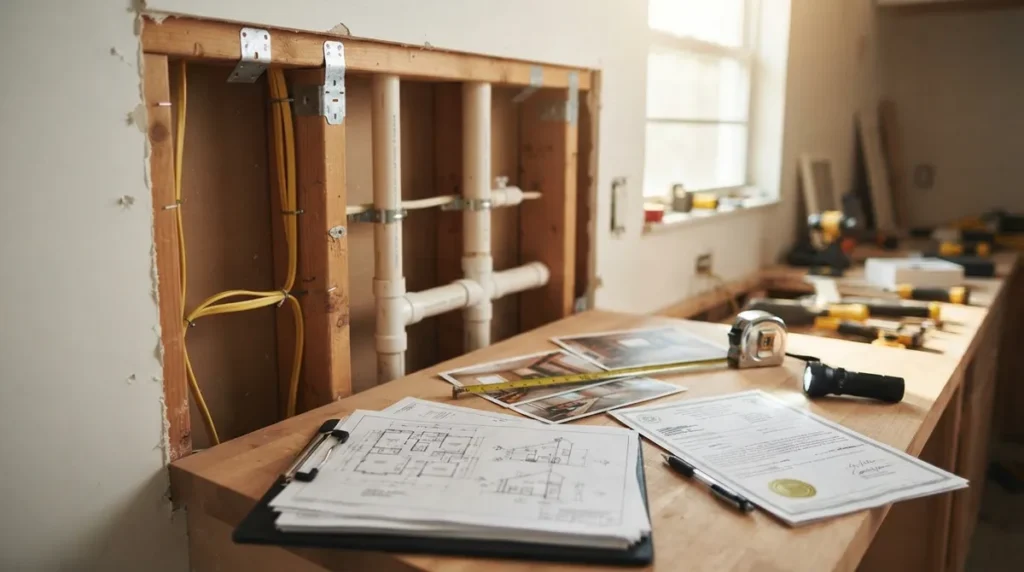
If unpermitted work is already concealed behind walls or finished surfaces, you can often avoid demolition by submitting a sealed letter from a Florida-licensed engineer or architect certifying compliance instead of opening walls.
-
Most after-the-fact permits require the same inspections the work would have needed if originally permitted, typically including building/structural, electrical, plumbing, mechanical, and roofing inspections depending on scope.
-
Prepare documentation before applying: as-built drawings, photographs, receipts, and contractor information are usually required and can speed up the review process.
-
If inspectors find code deficiencies, corrections must be made before approval—an after-the-fact permit is not automatic legalization, so plan budget and timeline for potential fixes like adding hurricane straps or upgrading wiring.
-
Keep the approved permit card and plans on site at all times, post your address visibly, ensure site access for inspectors, and confirm your Notice of Commencement is recorded if required by your jurisdiction to avoid failed inspections.
So you've discovered unpermitted work on your property, and now you're wondering what happens next. First, take a breath. This is more common than you might think, and it is fixable. One of the first questions people ask is simple: what inspections are required for after the fact permits in Florida?
Here's the honest answer. There is no single statewide checklist. The local building department that controls your property decides which inspections apply, in what order, and what extra documents it wants. Generally, though, the department asks for the same inspections the work would have needed if it had been permitted in the first place.
In this guide, we'll walk through the common inspection types, what happens when work is already covered up, and how to prepare. We'll also share the local examples we've seen, so you know what to expect before the inspector knocks. Whether you're a homeowner, a general contractor, a solar company, or a real estate pro, you'll leave with a clear plan.
The Short Answer: It Depends on the Work and the Jurisdiction
Florida Statutes §553.79 generally requires a permit before covered construction or alterations begin. An after-the-fact application (also called a retroactive or corrective permit) doesn't automatically legalize the work. Instead, the building official must be able to verify that the work complies with the applicable building and local requirements.
That means two things drive your inspection list:
- The scope of work performed. A new bathroom needs different inspections than a roof replacement or a screened enclosure.
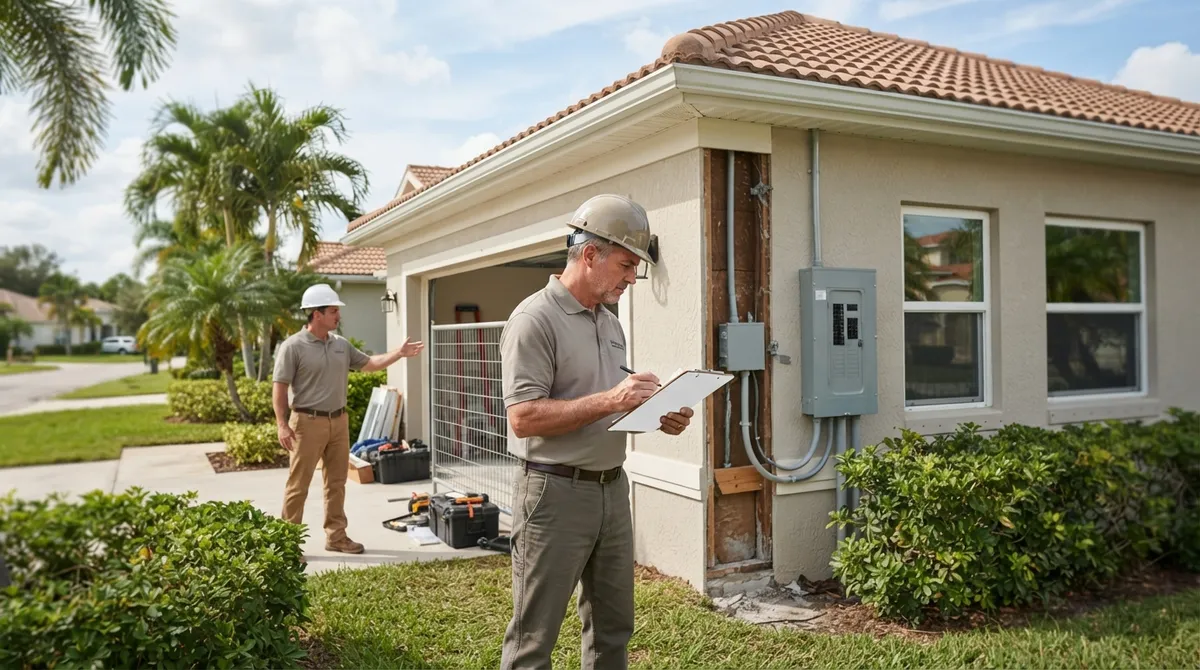
- The authority having jurisdiction. Florida has 67 counties, but permitting authority may be county-run or city-run. Always confirm jurisdiction by the property address rather than assuming the county office handles it.
Not sure who actually controls your address? Our building department lookup tool is a good place to start. You can also read our guide on which Florida jurisdiction reviews my project if you're near a city line.
No reliable statewide count exists for how many inspections an after-the-fact permit needs. It could be one inspection or a half dozen, depending on what was built.
Common Inspection Categories for After-the-Fact Permits
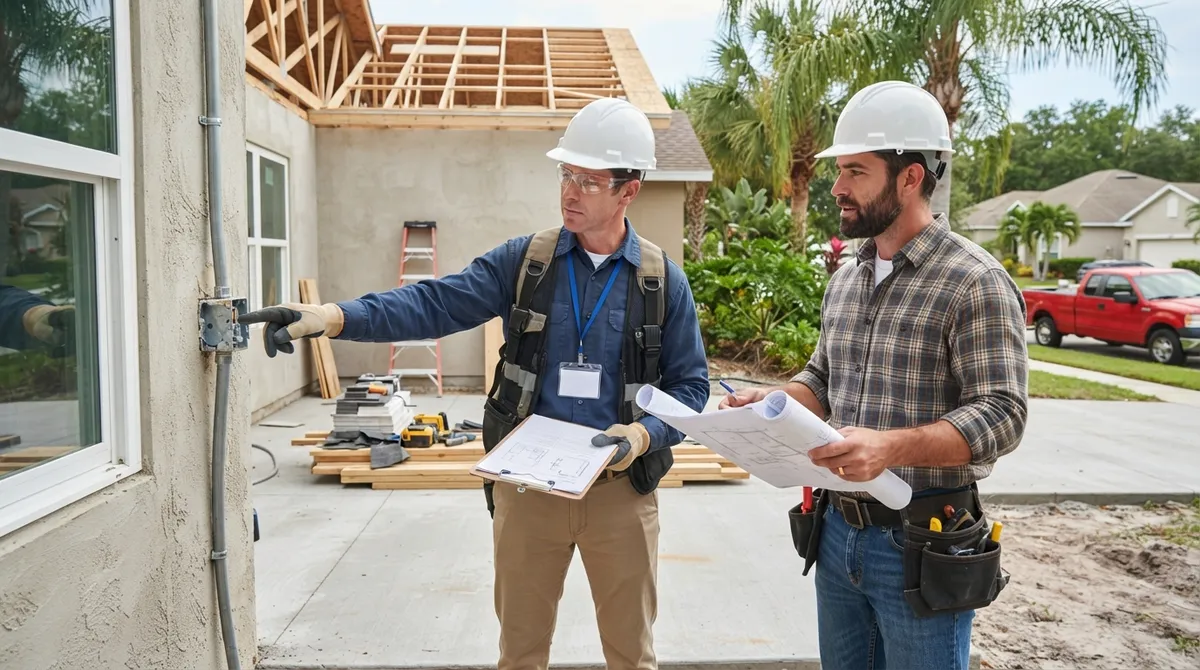
While every jurisdiction differs, most after-the-fact permits pull from the same pool of inspection types. Here's a quick reference.
| Inspection Type | Typical Work It Covers | What the Inspector Looks For |
|---|---|---|
| Building / Structural | Additions, enclosures, decks, walls, framing, foundations | Framing, connections, load path, footings, code compliance |
| Electrical | New circuits, panels, outlets, lighting, solar tie-ins | Wiring methods, grounding, breakers, GFCI/AFCI protection |
| Plumbing | Bathrooms, kitchens, water heaters, drain lines | Supply and drain lines, venting, fixtures, leaks |
| Mechanical (HVAC) | Air conditioning, ductwork, ventilation | Equipment installation, duct sealing, condensate drainage |
| Roofing | Re-roofs, repairs, new roof sections | Underlayment, fastening, flashing, product approval |
| Insulation | Conditioned additions and remodels | R-values, installation quality |
On top of these, some projects trigger extra reviews. Depending on what you built and where, you may also see zoning, fire, utility, environmental health, or public works sign-offs. A pool, a commercial build-out, or work near a water body will often add layers that a simple interior remodel won't.
Building and Structural Inspections
Structural work gets the most attention, and for good reason. Framing, footings, connections, and tie-downs are what keep a building standing in a Florida hurricane. When someone adds a room, a patio enclosure, or a retaining wall without a permit, the inspector wants proof that it's safe.
If structural components are still visible, the inspection is often straightforward. If they're hidden behind drywall or stucco, things get more interesting, which we'll cover next. For more on structural paperwork, see our overview of structural engineering services.
Electrical, Plumbing, and Mechanical Inspections
These trades are where unpermitted work most often hides. A DIY outlet addition, a relocated water heater, or a swapped-out AC unit may all need inspection after the fact.
Inspectors typically check:
- Wire sizing, breaker compatibility, and proper grounding
- Drain, waste, and vent configuration, plus water supply connections
- Equipment placement, clearances, and condensate disposal
- Whether the installer held the proper Florida license
If unpermitted wiring is your concern, our article on unpermitted electrical work in Florida goes deeper.
Roofing Inspections
Roofing is one of the most common after-the-fact scenarios we see. A previous owner or a contractor re-roofed without pulling a permit, and now a buyer, lender, or insurer is asking questions.
Depending on the jurisdiction, roofing inspections may verify the deck attachment, underlayment, fastener pattern, flashing, and that installed products carry valid Florida product approval. Because shingles and underlayment are already covered, documentation, photos, and sometimes a licensed professional's letter become important. Our roof permit services and unpermitted roof guide explain how this plays out.
What If the Work Is Already Covered Up?
This is the question that keeps people up at night. Inspectors normally need to see work before it's covered. When framing, wiring, plumbing, or foundations are already hidden, the jurisdiction decides how to verify compliance. Typically, that comes down to one of three paths:
- Selective opening. You remove a small portion of drywall, ceiling, or siding so the inspector can see inside.
- Documentation and photos. Where the jurisdiction allows, photos, receipts, and contractor statements can support the application.
- Licensed professional certification. A Florida-licensed engineer or architect inspects and certifies the concealed work, and you submit a signed and sealed letter or report.
The good news? Opening up every wall is rarely the only option. A well-prepared engineer letter can often save you from tearing out finished surfaces. We explain more in how to use an engineer letter to save your permit.
A Real Local Example: Indian River County and the City of Vero Beach
To show how specific these rules can be, consider the published procedure from Indian River County and the City of Vero Beach. Keep in mind that this is a local example, not a statewide rule.
- When structural alterations or additions are no longer open for inspection, the procedure calls for inspection and certification by a Florida-licensed design professional, along with a signed and sealed letter or report and construction documents.
- For concealed plumbing, electrical, mechanical, roofing, or insulation work, it requires notarized contractor-qualifier letters certifying that the work complies with applicable code.
- It notes that other departments' requirements may apply.
- A recorded Notice of Commencement is required before the first inspection when the job value exceeds $2,500.
Your county or city may be stricter, looser, or just different. That's exactly why checking the current checklist from your local authority matters. If you want to learn more about the recorded document, see our guide to the Notice of Commencement in Florida.
Inspection Logistics: What to Have Ready on Inspection Day
Even the best-prepared project can stumble over simple logistics. Miami-Dade County, for example, advises that the approved stamped plans and permit card be available at the site, the address be posted and visible, and the inspector have access before construction is covered. Its required inspections vary by permit and may include building, zoning, and fire.
A good rule of thumb for any Florida jurisdiction:
- Keep the permit card and approved plans on site.
- Post your address clearly from the street.
- Make sure someone is present to provide access.
- Have as-built drawings, photos, and any engineer or contractor letters organized and handy.
- Confirm that the Notice of Commencement is recorded if your jurisdiction requires it.
Missing any of these is one of the easiest ways to earn a failed inspection and a re-inspection fee. If you want to know what the day itself looks like, read what happens during a Florida ATF site inspection.
What Happens If the Work Doesn't Meet Current Code?
Here's where honesty matters. An after-the-fact permit is not a rubber stamp. If the inspector finds deficiencies, those items generally need to be corrected before approval. That might mean adding hurricane straps, upgrading wiring, replacing a non-compliant window, or reinforcing framing.
This is where having drafting and engineering on your side pays off. A sealed drawing or engineer's evaluation can show compliance, or it can specify the exact fix needed. Our as-built drawings service documents what actually exists on the property, which is usually the first step in the process.
Step-by-Step: How to Prepare for After-the-Fact Inspections
Ready for a roadmap? Here's a practical sequence that works across most Florida jurisdictions.
- Confirm the jurisdiction. Use the property address to identify the authority having jurisdiction.
- Request the current after-the-fact checklist. Ask for the application, documentation requirements, inspection sequence, and any added fees.
- Document what exists. Photograph everything, gather receipts, and note who did the work and when.
- Prepare as-built plans. Drafted drawings of the existing conditions are usually required.
- Get engineering where needed. A licensed engineer may need to evaluate structural, electrical, or mechanical work.
- Submit and respond to comments. Reviewers often ask for revisions before inspections are scheduled.
- Schedule and pass inspections. Correct anything flagged, then request re-inspection.
- Close out the permit. Final approval brings the record into compliance.
For a deeper dive into this process, check out how to get an after-the-fact permit in Florida and our after-the-fact permit cost guide.
Who Needs to Know This? A Quick Look by Audience
| Reader | Biggest Concern | Helpful Next Step |
|---|---|---|
| Homeowners | Avoiding demolition and fines | Get an as-built set and an engineer evaluation |
| General contractors | Clearing a job that was started without a permit | Coordinate trades and track inspections |
| Solar companies | Legalizing an existing install | Provide structural and electrical documentation |
| Realtors and investors | Closing delays from open or missing permits | Research the permit history early |
If you're a real estate pro, our realtor closing support and open permit search tool can help you spot issues before they derail a deal.
Tips to Keep Costs and Delays Down
A few small habits make a big difference:
- Start with research. Knowing the requirements upfront prevents surprise inspections.
- Don't cover anything else. Keep unfinished areas open until inspectors have seen them.
- Use licensed professionals. The right letters and seals can replace costly demolition.
- Answer reviewer comments quickly. Delays here stretch the whole timeline.
- Ask about a private provider. In some cases, a licensed private provider can handle plan review and inspections faster than the standard queue. See our private provider inspections page for details.
Also remember that extra fees or penalties may apply with after-the-fact permits, depending on the jurisdiction. Reading up on the penalty for building without a permit in Florida helps you plan the budget.
Why Local Knowledge Matters
After handling more than 5,000 permits and projects across Florida, we've learned that two neighboring cities can have wildly different expectations for the same scope of work. That's why we recommend working with a team that knows the local rules. At 1 Contractor Solutions, we file in all 67 counties and more than 400 municipalities, and our in-house drafting and sealed engineering keep reviewer comments from turning into long delays.
If you'd like to hear from real clients, you can visit us on Google — 1 Contractor Solutions. You can also follow us on LinkedIn or follow us on Facebook for Florida permitting updates. For official background on the statute that sets the permit requirement, the Florida Legislature publishes the full text of Florida Statutes online.
The Bottom Line
So, what inspections are required for after the fact permits in Florida? In short: the ones your local building department says apply, usually mirroring what the original work would have needed. Expect building or structural inspections plus the relevant electrical, plumbing, mechanical, roofing, or insulation reviews. Zoning, fire, and utility sign-offs may join the list. If the work is concealed, plan for selective opening, documentation, or a sealed letter from a Florida-licensed design professional.
The best first move is always the same: confirm your jurisdiction, get the current checklist, and document what exists. From there, it's a matter of working the process step by step. You don't have to do it alone, and you don't have to panic.
Ready to turn a permit problem into a closed permit? Reach out today and get a free quote. We respond within 30 minutes, day or night, and we'll tell you exactly which inspections to expect for your address. For stop-work orders or closings on the line, our urgent permit rescue team is ready to jump in.
FAQs
Will I have to open walls or ceilings to inspect unpermitted electrical or plumbing work?
Not always! If the work is concealed, your jurisdiction may ask for selective opening, but many also accept documentation or a certification letter from a licensed professional. Ask your building department which options it allows before you grab a hammer.
Can a Florida engineer or architect certify concealed work instead of opening it up?
In some jurisdictions, yes. A Florida-licensed design professional can inspect the work and provide a signed and sealed letter or report. Indian River County and the City of Vero Beach publish this kind of procedure, but it's a local rule, so always confirm with your own authority.
Do after-the-fact permits require separate electrical, plumbing, mechanical, roofing, and building inspections?
Often they do, depending on the work performed. Most departments require the same inspections the work would have needed if permitted up front, so a project touching several trades may see several separate inspections.
Can unpermitted work be approved if it doesn't meet the current Florida Building Code?
An after-the-fact permit doesn't automatically legalize the work. If an inspector finds deficiencies, they generally need to be corrected before approval, which is where engineering evaluations and sealed drawings come in handy.
How do I find the building department that has jurisdiction over my Florida property?
Use your property address, since permitting authority may be county-run or city-run. A building department lookup tool or a quick call to the local office can confirm who controls your parcel, especially if you're near a city boundary.
We do this work every day across all 67 Florida counties. Call (866) 314-6931 and we will tell you what your situation actually requires — including when you do not need us.
Related services
Permit Facilitation & Filing
You have a crew scheduled, a client asking for dates, and a permit sitting somewhere in a queue you cannot see. We file it, w…
See the servicePlan Review Coordination
A permit in plan review is not one queue. On a commercial project it can be six queues, each with its own reviewer, its own c…
See the serviceReady to get your permit moving?
One call tells you which jurisdiction controls your project, what it will take, and what it will cost. Most of the time we can scope it on the phone.