
Blog
How to Get an After the Fact Permit in Tampa, FL (2026)
Learn how to get an after the fact permit in Tampa, FL: confirm jurisdiction, gather plans, handle inspections, and budget fees with confidence in 2026.
Key Takeaways
-
Confirm your property is actually within Tampa city limits before filing, as many Tampa mailing addresses fall under unincorporated Hillsborough County, Temple Terrace, or Plant City instead, which would waste weeks if filed with the wrong authority.
-
Gather the current After the Fact Affidavit form from the city along with as-built drawings, plans, product approvals, and contractor information, as honesty in the affidavit is critical and inaccuracies can create bigger problems than the original permit omission.
-
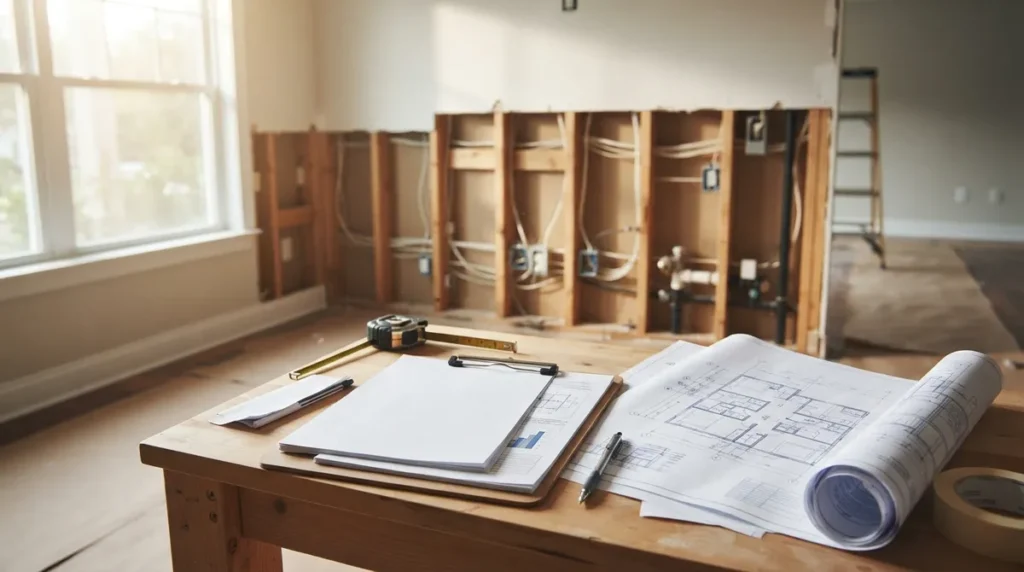
Expect the city may require exposure or documentation of concealed work like framing behind drywall or wiring in finished walls, so discuss requirements with Tampa Construction Services early to identify the least disruptive inspection option.
-
Budget for multiple cost components including permit fees, the 2.5% Florida Building Permit Surcharge, potential as-built drawings, engineering letters, and corrections if work fails to meet code standards before approval.
-
Plan for reviewer comments as a normal part of the process, not rejection; respond to each comment with specific revisions, schedule inspections after permit issuance, and close out the permit after final approval to avoid complications at closing or refinancing.
-
Ignoring unpermitted work rarely resolves the issue—neighbors, inspectors, and insurance adjusters can report violations to the Construction Services Violations hotline, and unpermitted work can block property sales, refinancing, or insurance claims.
So you just discovered that a deck, a re-roof, or an old kitchen remodel at your Tampa property never got a permit. Take a breath. You are far from the first person to land here, and it is usually fixable. Maybe a buyer's inspector flagged it. Maybe a prior owner skipped the paperwork. Maybe a contractor promised to "handle it" and then vanished.
An after the fact permit in Tampa, FL is the process of asking the city to review and approve work that was built without the required permit. It does not magically legalize the work. The City of Tampa still has to confirm the work meets code, and that can mean plans, an affidavit, fees, corrections, and inspections.
In this friendly, step-by-step guide, we will walk you through confirming your jurisdiction, gathering what you need, handling inspections of concealed work, and budgeting for fees. Whether you are a homeowner, a general contractor, a solar installer, or a real estate pro, you will leave with a clear game plan for 2026.
What an After the Fact Permit Really Means in Tampa
An after the fact permit (often shortened to ATF) is a permit application filed after regulated construction has already started or finished. Think of it as asking the building department to review your homework late. The city can still accept it, but it will grade it exactly like on-time work.
That means the work must comply with the applicable Florida Building Code. If something is wrong, the city can require corrections before it approves an inspection. If you want a deeper explainer, our guide on what after-the-fact permitting in Florida involves is a great companion read.
Common Projects That End Up Needing ATF Permits
- Re-roofs and roof repairs completed without a permit
- Window and door replacements, including impact products
- Patio enclosures, additions, and garage conversions
- Electrical, plumbing, and HVAC changes
- Pool cages, fences, retaining walls, and sheds
- Solar panel installations that were energized without final approval
ATF Permit vs. Early Start Authorization
These two get confused a lot, so here is the quick difference. Tampa's Early Start Authorization can allow work to begin before plan review is finished, but the work must stay uncovered and inspections cannot be scheduled until the permit is issued. It is a forward-looking tool, not a way to fix work already done.
| Feature | After the Fact Permit | Early Start Authorization |
|---|---|---|
| When it applies | Work already started or finished without a permit | Work not yet started, plan review still in progress |
| Work must stay uncovered? | City may require exposure or documentation of concealed work | Yes, until inspections are done |
| Purpose | Seek approval and correct non-compliance | Allow earlier start on a legitimate permit |
| Typical extra step | After the Fact Affidavit, corrections, inspections | Standard permit review continues |
Step 1: Confirm Tampa Actually Controls Your Property
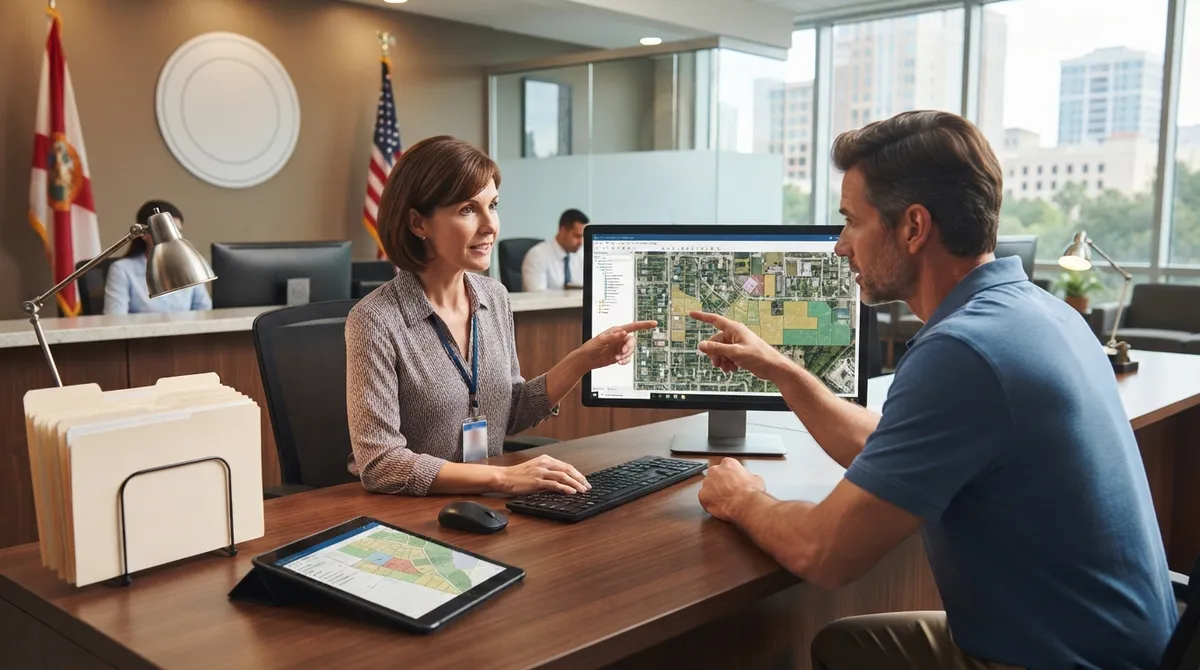
Here is a trap that catches people all the time. A Tampa mailing address does not mean your property sits inside Tampa city limits. Many "Tampa" addresses fall under unincorporated Hillsborough County, Temple Terrace, or Plant City instead.
The City of Tampa Construction Services Division handles permits and inspections only for properties within city limits. Filing with the wrong authority wastes weeks. Before you do anything else, verify who has jurisdiction.
- Look up your parcel on the property appraiser or city GIS maps to confirm city limits.
- Call Tampa Construction Services at (813) 274-3100, option 1, to confirm the authority.
- If you are outside city limits, check the county instead. Our Hillsborough County page and building department lookup tool can help you find the right office.
Not sure? Our article on which Florida jurisdiction reviews your project walks through the common near-the-line surprises.
Step 2: Gather the Documents Tampa Is Likely to Ask For
Every project is different, and requirements depend on the scope and the authority having jurisdiction. Still, most Tampa ATF applications involve a similar set of pieces. The city publishes an After the Fact Affidavit among its Construction Services forms, so always grab the current version instead of an old copy from a friend.
- The After the Fact Affidavit: accurate details about the work, property, contractor, and project status.
- Permit application: the same type of application you would file for new work.
- Plans or drawings: floor plans, site plans, structural details, or as-built drawings that show what actually exists.
- Product approvals and specs: especially for windows, doors, roofing materials, and tie-downs.
- Engineering documentation: sealed letters or calculations when the city needs proof of structural or load-path compliance.
- Contractor information: license details, or owner-builder paperwork where it applies.
Honesty matters here. The affidavit asks for accurate information, and getting creative with the facts can create bigger problems than the original omission.
Why As-Built Drawings Are Often the Hero
When nobody drew plans in the first place, you need drawings that document what was actually built. That is where as-built documentation shines. If you are curious about the process, see our walkthrough on as-built drawings, or our Tampa-focused piece on as-built drawings in Tampa, FL.
Step 3: Prepare for Inspections and Concealed Work
This is the part that makes people nervous, so let us be straightforward. Tampa's Construction Services FAQ makes clear that work may not be covered before required inspections, and incorrectly performed work must be corrected before an inspection can be approved.
If your work is already concealed, such as framing behind drywall or wiring inside a finished wall, the city may require some form of exposure or other documentation to verify compliance. Requirements are project-specific, so confirm with the city rather than assuming the worst.
| Situation | What the City May Ask For | How to Prepare |
|---|---|---|
| Work fully visible (exposed framing, open attic) | Standard inspection | Clear access and have documents on site |
| Work partly concealed | Selective exposure or photos and engineer documentation | Gather photos, receipts, and consider an engineer letter |
| Work fully concealed (inside finished walls) | Exposure, testing, or sealed engineering verification | Talk to the city early to scope the least disruptive option |
| Work does not meet code | Corrections before approval | Budget for repairs and re-inspection |
A sealed engineer letter can be a lifesaver when the question is structural. Our article on engineer letters for permits in Tampa explains when one helps.
Step 4: Understand Fees and Budget Wisely
Permit fees depend on project type and scope and are determined through the city's fee schedules and review. Tampa also notes that the Florida Building Permit Surcharge applies at 2.5% of permit value or a $4 minimum, subject to state statutes.
Tampa provides a fee estimator, but it is guidance only. Final costs are determined through plan review and can include additional miscellaneous fees. Plan for the estimator to be a starting point, not a promise.
What Usually Drives the Total Cost
- Permit fees based on project type and valuation
- The Florida Building Permit Surcharge
- Drafting or as-built drawing costs
- Engineering letters or sealed drawings, if required
- Repairs to bring non-compliant work up to code
- Re-inspection or exposure-and-restoration costs for concealed work
For a broader look at budgeting, see our breakdown of after-the-fact permit cost in Florida.
Step 5: Submit, Track, and Respond to Reviewer Comments
Once your package is ready, you submit it to the City of Tampa Construction Services and the review begins. Expect reviewers to send comments. Do not panic when they do. Comments are a normal part of the process, not a rejection of your character.
- Submit the complete package with the affidavit, application, plans, and supporting documents.
- Pay the fees once the city calculates them.
- Respond to every comment with clear, specific revisions rather than vague explanations.
- Schedule inspections after the permit is issued.
- Correct any failed items and request re-inspection.
- Close out the permit after final approval so it does not linger open.
Leaving a permit open is a sneaky problem of its own. Open permits can surface during closings and appraisals. Learn more in our piece on open permits found at closing.
What Happens If You Do Nothing
Ignoring the issue rarely makes it vanish. Tampa maintains a Construction Services Violations hotline at (813) 274-3198 for reports of work without permits or work that does not follow building-code protocol within city limits. Neighbors, inspectors, and even insurance adjusters can raise the issue.
Unpermitted work can also complicate selling, refinancing, or filing an insurance claim. If you have already received a notice, our guide to what to do after a code enforcement notice in Florida is a calm place to start. You can also read about the penalty for building without a permit in Florida.
Who Needs What: Quick Tips by Reader Type
Homeowners and Residential Property Owners
Start by confirming jurisdiction, then gather any receipts, photos, and contractor names you can find. If a previous owner did the work, you can still pursue the permit yourself. Our homeowner resources are built for exactly this situation.
General Contractors and Design Trade Professionals
If a project closed without a permit, getting ahead of it protects your reputation and licensing. Outsourced drafting, engineering, and permit tracking keep your crews on schedule. Visit our page for general contractors to see how we support GC workflows.
Solar Companies
Systems installed without final approval can stall interconnection and invite scrutiny. Code-compliant structural and electrical documentation is key, and our solar contractor support is designed for that.
Real Estate Professionals
A permit hold or surprise unpermitted addition can derail a closing fast. Early research and clean documentation help deals keep moving. Explore our realtor and closing support for ways to keep contracts on track.
How a Florida Permitting Service Can Help
You absolutely can handle an ATF permit yourself, but it is a lot of moving parts. 1 Contractor Solutions is Florida's outsourced permitting department. We determine which jurisdiction truly controls your property, prepare or review the plans, file the application, track it, work every reviewer comment, and carry it through approval and closeout.
Because our drafting and engineering are done in house, and our own engineer signs and seals the work, reviewer comments get fixed instead of bounced to an outside consultant. Learn more about our after-the-fact and expired permit services, or check our Tampa permitting page for local details. If time is tight, our urgent permit rescue team handles denials, stop work orders, and closings held up.
Want to hear how others feel about working with us? See what our customers say on Google by choosing to visit us on Google — 1 Contractor Solutions.
Helpful Official Resources
Always cross-check requirements against official sources, since forms and fees can change. The City of Tampa's permit fee schedules and estimator and the Construction Services FAQ are the best places to confirm current rules. For the Tampa office itself, use the City of Tampa Construction Services contact page, which lists City Center at Hanna, 2555 E. Hanna Ave., Tampa, FL 33610.
Wrapping It Up: You Have Got This
Getting an after the fact permit in Tampa, FL comes down to a handful of clear moves: confirm jurisdiction, assemble an honest package with the affidavit and drawings, prepare for inspections and any concealed-work questions, budget for fees, and see the permit all the way through closeout. It takes patience, but it is a path thousands of Florida owners have walked successfully.
If you would rather have a seasoned team do the heavy lifting, we are happy to help. Ready to turn that unpermitted project into a closed, compliant one? Get a free quote today, and stay connected by choosing to follow us on LinkedIn or follow us on Facebook for more Florida permitting tips.
FAQs
How do I get an after the fact permit in Tampa, FL?
First confirm your property is inside Tampa city limits, then complete the city's current After the Fact Affidavit and permit application with plans or as-built drawings showing the work. Expect fees, possible corrections, and inspections before the city approves it.
Can I get a permit for work that has already been completed in Tampa?
Yes, you can apply, but approval is not automatic. The City of Tampa reviews the work for code compliance and may require corrections, engineering documentation, or exposure of concealed work before it signs off.
How much does an after the fact permit cost in Tampa?
Costs depend on the project type, scope, and valuation, plus the Florida Building Permit Surcharge of 2.5% of permit value or a $4 minimum. The city's fee estimator is only guidance, so final totals are set during plan review and may include other fees.
Does my property fall under City of Tampa or Hillsborough County permitting?
A Tampa mailing address alone does not tell you. Only properties inside Tampa city limits go through City of Tampa Construction Services, so verify your parcel before filing to avoid wasted time.
Can a Florida permitting service help with an after the fact permit?
Absolutely. A permitting service can confirm jurisdiction, prepare as-built drawings and engineer letters, file the application, track it, and work through reviewer comments until the permit is closed out.
We do this work every day across all 67 Florida counties. Call (866) 314-6931 and we will tell you what your situation actually requires — including when you do not need us.
Related services
Permit Facilitation & Filing
You have a crew scheduled, a client asking for dates, and a permit sitting somewhere in a queue you cannot see. We file it, w…
See the servicePlan Review Coordination
A permit in plan review is not one queue. On a commercial project it can be six queues, each with its own reviewer, its own c…
See the serviceReady to get your permit moving?
One call tells you which jurisdiction controls your project, what it will take, and what it will cost. Most of the time we can scope it on the phone.