
Blog
How to Estimate After-the-Fact Engineering Costs in Florida
Wondering how much after-the-fact engineering costs in Florida? Learn real 2026 price ranges, hidden fees, and how to estimate your budget step by step.
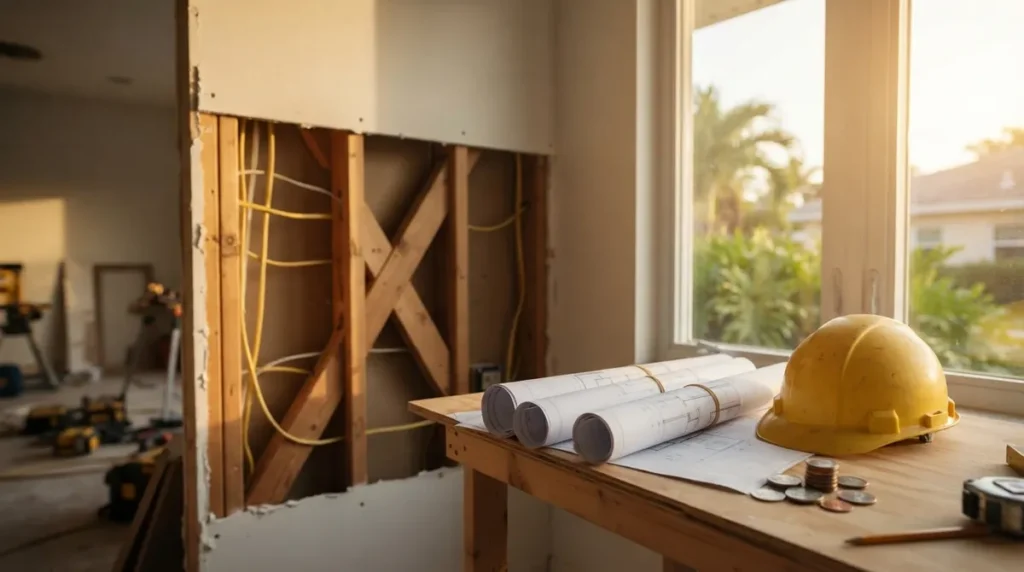
Key Takeaways
-
After-the-fact engineering in Florida has no statewide price; costs depend on the size and complexity of the unpermitted work, existing documentation, and local building department requirements.
-
Published planning ranges run about $750–$2,500 for a simple structural assessment or engineer letter and $2,500–$8,000 for an after-the-fact engineering package, but these are not quotes.
-
Engineering is only one budget line; local after-the-fact penalties (often double the permit fee), inspections, opening concealed work, and corrective construction can add significantly to the total.
-
Call your local building department before hiring anyone to confirm exactly which documents, inspections, and fees they require for your specific unpermitted work.
-
A sealed engineer letter does not legalize unpermitted work; if the work fails inspection, you must fix deficiencies and pass re-inspection, so budget a contingency for corrections.
-
Get an itemized written scope from a Florida-licensed professional that includes site visits, sealed plans, calculations, and revisions, since the cheapest quote can cost more if the package is rejected.
If you just discovered that your deck, patio enclosure, or addition was built without a permit, take a breath. You are far from alone, and there is a clear path forward. The first question almost everyone asks is the practical one: how much does after the fact engineering cost in Florida?
The honest answer is that there is no single statewide price. The cost depends on the size of the unpermitted work, how complex the structure is, what records you already have, and what your local building department demands. The good news is that you can build a realistic budget before you spend a dime. This guide walks you through exactly how to do that, step by step, in 2026.
Whether you are a homeowner, a general contractor cleaning up a past job, a realtor with a closing on the line, or a solar company facing a missing permit, the process is the same. Let's get you a number you can plan around.
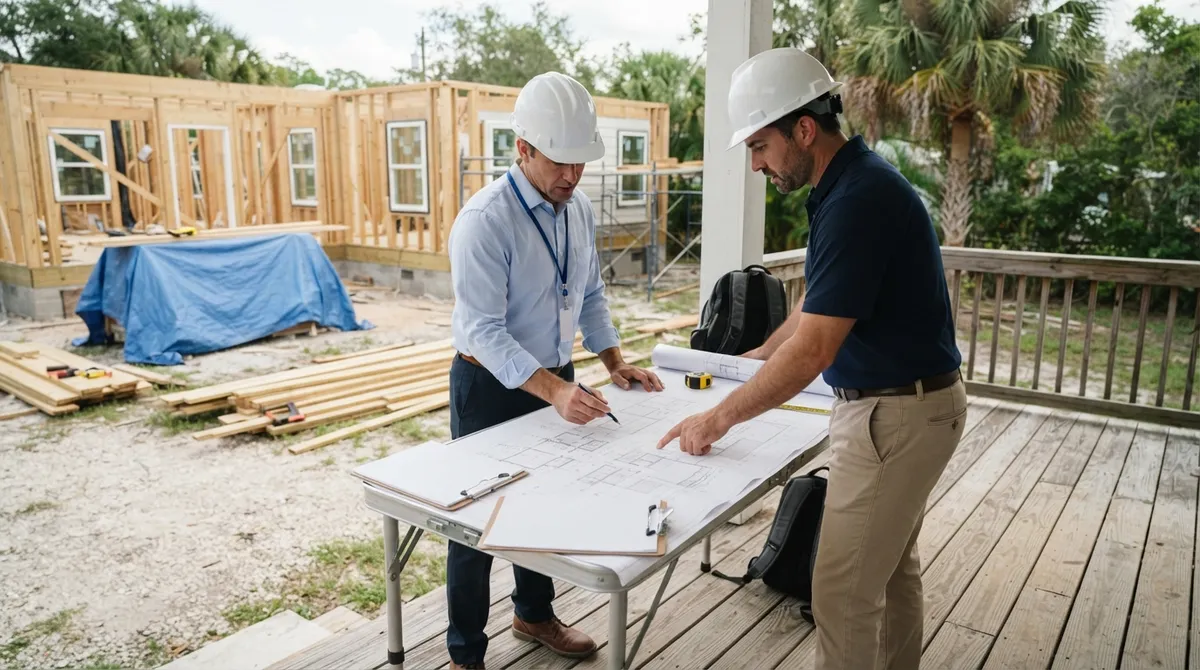
What After-the-Fact Engineering Actually Means
After-the-fact (ATF) engineering is the technical documentation that proves work already built meets the Florida Building Code. Instead of designing something new, a Florida-licensed engineer evaluates what exists, verifies it, and seals the paperwork your building department needs.
That documentation might include a structural assessment, sealed as-built plans, load calculations, or a signed engineer letter. If you want to see how this fits into the larger permitting picture, our after-the-fact and expired permits service page explains the full process.
Why Engineering Is Only One Piece of the Budget
Many owners focus only on the engineer's fee and get surprised later. Engineering is one line item in a larger budget. A realistic total can include:
- The engineer's evaluation and sealed documents
- Architectural or as-built drawings
- The standard permit fee
- A local after-the-fact penalty
- Inspections and re-inspections
- Opening and repairing concealed work so inspectors can see it
- Construction to correct any code deficiencies
Keep that list handy. Every item is a place where cost can grow or shrink.
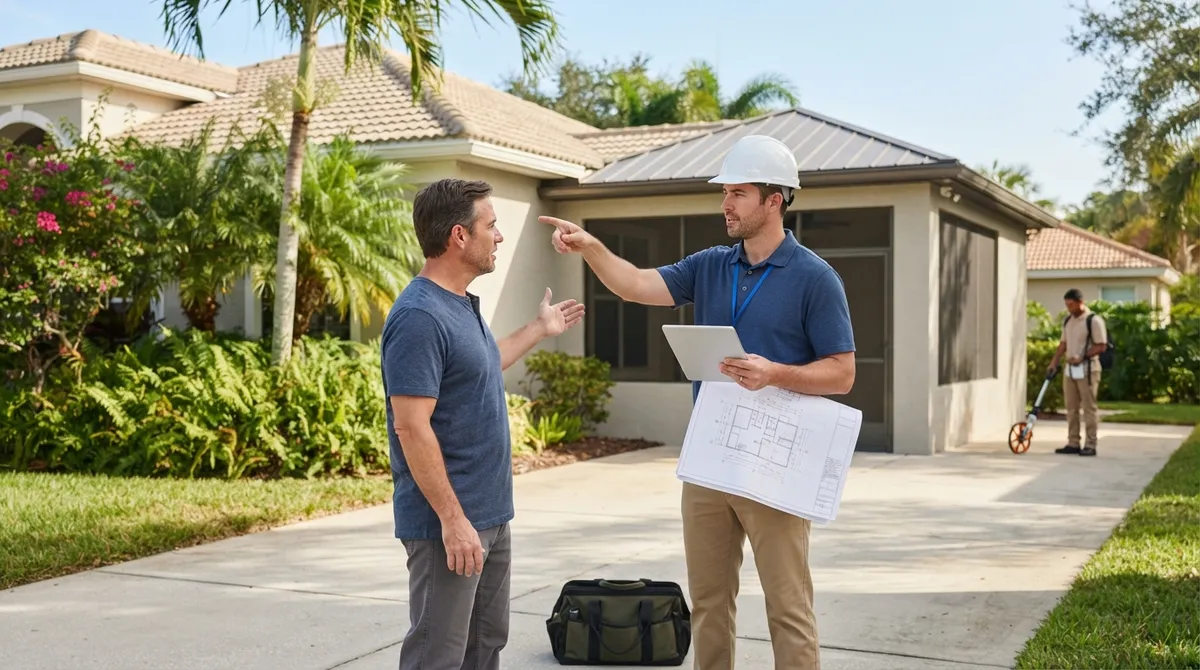
Typical After-the-Fact Engineering Cost Ranges in Florida
Here is where published market estimates land. Please treat these as planning ranges, not quotes. They come from provider-published pricing and general permitting guidance, not from any regulated statewide rate.
| Service or Scenario | Approximate Planning Range |
|---|---|
| Simple structural assessment or engineer letter | $750 – $2,500 |
| After-the-fact structural drawings or engineering package | $2,500 – $8,000 |
| Straightforward residential ATF case (total estimate) | $2,000 – $4,000 |
| Complex addition or code-problem case (total estimate) | $3,000 – $10,000+ |
| Residential addition or renovation engineering (design-type scope) | $1,500 – $5,000 |
Notice how wide those ranges are. That is not vagueness for its own sake. A small screened porch and a two-story addition are completely different engineering problems, and the fees reflect that.
How to Estimate Your Cost in 6 Steps
Follow this sequence and you will end up with a number you can trust far more than a random online figure.
- Identify exactly what was built. Write down the type of work, its approximate square footage, the materials used, and when it was done. A one-paragraph description is enough to start.
- Gather every document you have. Old photos, receipts, contractor invoices, prior permits, surveys, and inspection records all help. The more you can show, the less an engineer has to reconstruct.
- Call your local building department first. Ask what documents and inspections they require for this specific unpermitted work. This single call can save you from paying for the wrong package.
- Ask about local fees and penalties. Confirm the permit fee and any after-the-fact penalty, since these are set locally and vary widely.
- Request written scopes from licensed engineers. Get the scope and fee in writing from a Florida-licensed professional.
- Add a contingency for corrections. If anything fails inspection, you will need money set aside for repairs and re-inspection.
Not sure which department actually has authority over your address? Our building department lookup can point you in the right direction.
What Drives the Price Up or Down
Size and Structural Complexity
A simple elevated deck needs far less analysis than a roofed addition tied into your existing home. Roof loads, wind uplift, foundations, and connections all add engineering hours. Structures in high-wind regions often need more detailed verification as well.
Quality of Your Documentation
Good records are like money in the bank. If you have photos from during construction, material specs, or the original contractor's details, the engineer can work faster. If everything is covered up and undocumented, expect more site visits and possibly destructive investigation.
Whether Concealed Work Must Be Exposed
Some building departments require you to open walls, ceilings, or floors so inspectors can verify framing, electrical, or plumbing. Opening and repairing that work is a real cost, and it is separate from the engineer's fee. Our guide to what happens during a Florida ATF site inspection explains what to expect on that day.
Local Jurisdiction Rules
Florida Statutes §553.79 generally requires a permit before covered construction begins and lets local enforcing agencies adopt reasonable permit fees. It does not set one statewide after-the-fact engineering price or a standard penalty multiplier. That means your city or county drives much of the final number.
Local Penalties: The Cost Nobody Warns You About
Penalties are set locally, and they can surprise you. Some jurisdictions charge double the regular permit fee. Others use a higher multiple, a flat charge, or a percentage of construction value. Because these rules change, always verify the current fee schedule with the city or county that has jurisdiction.
| Cost Component | Who Sets It | How It Varies |
|---|---|---|
| Engineering fees | Private engineer | Scope, complexity, site visits |
| Standard permit fee | Local building department | Often tied to project value or type |
| After-the-fact penalty | Local jurisdiction | Double fee, flat charge, or percentage |
| Inspections and re-inspections | Local department or private provider | Number of failed or repeat visits |
| Corrective construction | Contractor you hire | Depends on code deficiencies found |
Costs also differ by region. If you are in a major metro, our local pages for Hillsborough County, Miami-Dade County, and Orange County give a feel for how requirements vary by area.
Engineering Documents Alone Do Not Legalize the Work
Here is a point worth pausing on. A sealed engineer letter is a powerful tool, but it does not automatically make unpermitted work legal. If the work fails inspection, you still have to fix it and pass re-inspection.
That is why the structural question matters so much. Is the work sound as built, or does it need strengthening? An engineer can tell you early, which helps you avoid paying for plans and then discovering expensive repairs. For a deeper comparison, see structural engineer vs. permit alone for ATF fixes in Florida.
What If the Work Does Not Meet Code?
If the evaluation reveals deficiencies, your options usually include reinforcing the structure, replacing components, or in rare cases removing the work. Most of the time, a targeted correction followed by sealed documentation gets the project across the finish line. Budget for this possibility rather than hoping it will not happen.
How to Keep Your After-the-Fact Costs Under Control
You cannot control every fee, but you can avoid the mistakes that inflate them. Try these practical habits:
- Ask before you hire. Confirm with the building department exactly what they need, so you do not buy documents they will reject.
- Get a clear written scope. Confirm whether the quote includes site visits, sealed as-built plans, calculations, permit comments, and revisions.
- Bundle services when it makes sense. One team handling drafting, engineering, and permit filing means fewer handoffs and fewer delays.
- Respond to comments quickly. Slow replies to reviewer comments stretch timelines and can add re-submittal costs.
- Do not ignore a violation notice. Waiting can increase penalties and complicate a sale. Our code compliance violations service helps owners respond properly.
Real-World Scenarios by Reader Type
For Homeowners
You bought a house and later learned the previous owner enclosed the patio without a permit. Start with a simple evaluation and the building department call. Many straightforward residential cases land in the lower planning ranges, though outcomes vary. Our homeowner resources can help you map out next steps.
For General Contractors and Design Professionals
If a past job slipped through without a permit, getting ahead of it protects your reputation and license. A reliable partner for sealed drawings and filing keeps your crews moving. Learn more on our general contractors page.
For Realtors and Investors
Open or missing permits can stall a closing fast. Knowing the likely cost range early lets you negotiate credits, plan repairs, or walk away informed. Our realtor and closing support is built for exactly this pressure.
For Solar Companies
An install completed without a permit needs code-compliant structural and electrical documentation to be legalized. The cost generally tracks the scope of the roof and electrical review involved. Our solar contractor support covers this scenario.
Why the Cheapest Quote Is Not Always the Best Deal
It is tempting to chase the lowest number. But an incomplete engineering package that the building department rejects costs you twice: once for the original work and again for the redo. A fair quote that matches the jurisdiction's requirements and includes revisions usually saves money and stress.
At 1 Contractor Solutions, our drafting and engineering are in house, and our own engineer signs and seals the work. That means when a reviewer flags something, we fix it directly instead of waiting on an outside consultant. You can read what other customers say, and visit us on Google — 1 Contractor Solutions to see reviews for yourself.
You can also follow us on LinkedIn or follow us on Facebook for updates on Florida permitting changes. For fee background straight from the source, the official Florida Statutes §553.79 explains the permit requirement and local fee authority.
A Quick Budgeting Checklist
Before you commit to anything, run through this short list:
- Describe the unpermitted work in writing.
- Collect photos, receipts, and any prior permits.
- Confirm your correct jurisdiction.
- Ask the department for required documents and fees.
- Get a written, itemized engineering scope.
- Add a buffer for possible corrections and re-inspection.
If you can check all six boxes, you are already ahead of most people who walk into this process blind.
Ready to Get a Real Number?
Estimating after-the-fact engineering costs does not have to feel overwhelming. Start with what was built, learn what your local department requires, and get a written scope from a licensed professional. The ranges in this guide, roughly $2,500 to $8,000 for many engineering packages and $2,000 to $4,000 total for straightforward residential cases, give you a sensible starting frame.
If you would like a team to handle the whole thing, from sealed drawings to filing to inspections, we are happy to help. We respond within 30 minutes, day or night, and we work across all 67 Florida counties. When you are ready, get a free quote and let's turn that unpermitted work into a closed, compliant permit.
FAQs
How much does a structural engineer charge for an after-the-fact permit in Florida?
Published provider estimates put after-the-fact structural drawings or engineering packages at roughly $2,500 to $8,000, while simpler assessments or letters may run about $750 to $2,500. These are market estimates, not statewide rates, so always get a written scope for your specific project.
Do after-the-fact permits cost more than regular permits in Florida?
Often, yes. Many local jurisdictions add an after-the-fact penalty, such as double the regular permit fee, though some use flat charges or a percentage of construction value. Check your city or county's current fee schedule so there are no surprises.
Will I have to open walls for an after-the-fact inspection?
Possibly. Some building departments require owners to expose concealed framing, electrical, or plumbing so inspectors can verify compliance. Ask your local department early, since opening and repairing walls is a cost separate from the engineer's fee.
Can I get a permit for work that has already been completed in Florida?
Yes, in most cases you can pursue an after-the-fact permit by providing sealed documentation and passing inspections. Just remember that engineering paperwork alone does not legalize the work if it fails inspection, so any needed corrections must be made first.
How do I find the after-the-fact permit fees for my Florida city or county?
Contact the building department that has jurisdiction over your address and ask for the current fee schedule and after-the-fact requirements. If you are unsure which department that is, a building department lookup tool or a permitting professional can confirm it for you.
We do this work every day across all 67 Florida counties. Call (866) 314-6931 and we will tell you what your situation actually requires — including when you do not need us.
Related services
Permit Facilitation & Filing
You have a crew scheduled, a client asking for dates, and a permit sitting somewhere in a queue you cannot see. We file it, w…
See the servicePlan Review Coordination
A permit in plan review is not one queue. On a commercial project it can be six queues, each with its own reviewer, its own c…
See the serviceReady to get your permit moving?
One call tells you which jurisdiction controls your project, what it will take, and what it will cost. Most of the time we can scope it on the phone.