
Blog
40 Year Recertification Fort Lauderdale: 2026 Owner Guide
Confused by Fort Lauderdale's 40-year recertification? Learn who is covered, key 90- and 180-day deadlines, and how permitting help fits in.
Key Takeaways
-
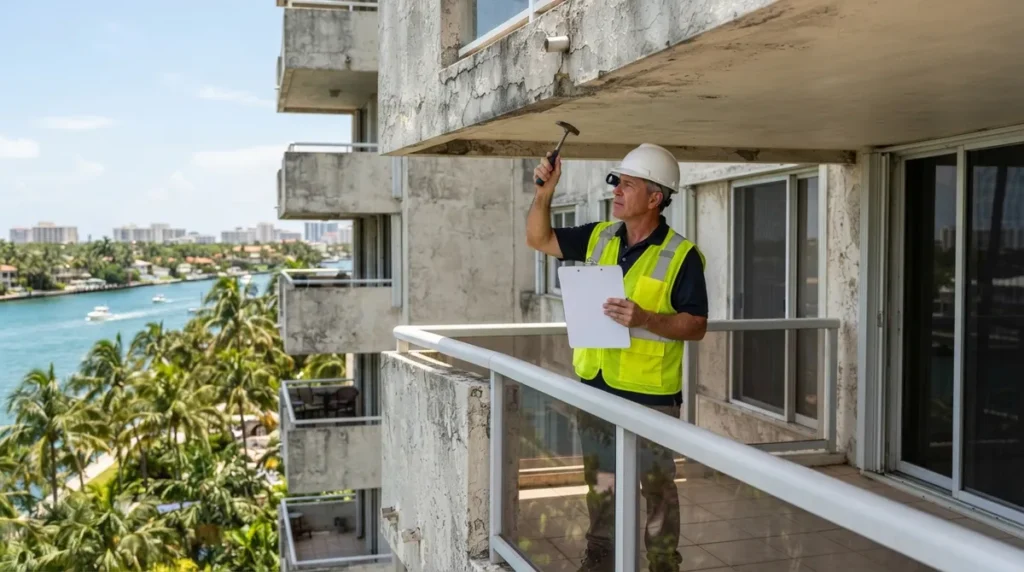
Fort Lauderdale's "40-year recertification" is Broward County's Building Safety Inspection Program, but current BORA materials describe an initial inspection at 25 years, then repeats every 10 years. Confirm your schedule with the city.
-
Your city notice is the controlling document. Owners generally have 90 days from the notice to submit certification signed by a Florida-registered engineer or architect.
-
Single-family homes, duplexes, government buildings, Broward School Board schools, and buildings under 3,500 square feet are generally not covered, but verify your building's status with the city.
-
If deficiencies are found, owners generally have up to 180 days from the inspection report to complete corrections, unless the building official directs otherwise.
-
The inspection certification must be signed by a Florida-registered engineer or architect; permitting companies and contractors cannot seal it, but they can coordinate the process.
-
The recertification does not authorize repair work. Structural, electrical, or concrete repairs typically need their own permits, plans, and inspections.
If a letter from the City of Fort Lauderdale just landed on your desk mentioning a building safety inspection, take a breath. You are in good company, and this is very manageable. Many owners search for the 40 year recertification Fort Lauderdale requirement and then discover the story is a bit more nuanced than the name suggests.
Here is the short version. In Fort Lauderdale, the familiar "40-year recertification" is Broward County's Building Safety Inspection Program. The name comes from the old threshold. Current Broward Board of Rules and Appeals (BORA) and local-government materials describe an initial inspection at 25 years for covered buildings, then repeat inspections every 10 years.
In this guide, we walk through who is covered, what the inspection looks at, how the deadlines work, and where permits fit in when repairs are needed. Whether you are a general contractor, a property owner, a realtor, or a design professional, you will leave with a clear plan. And remember: the notice you receive from the city is the controlling document, so always follow its instructions first.
What the 40 Year Recertification Fort Lauderdale Program Really Is
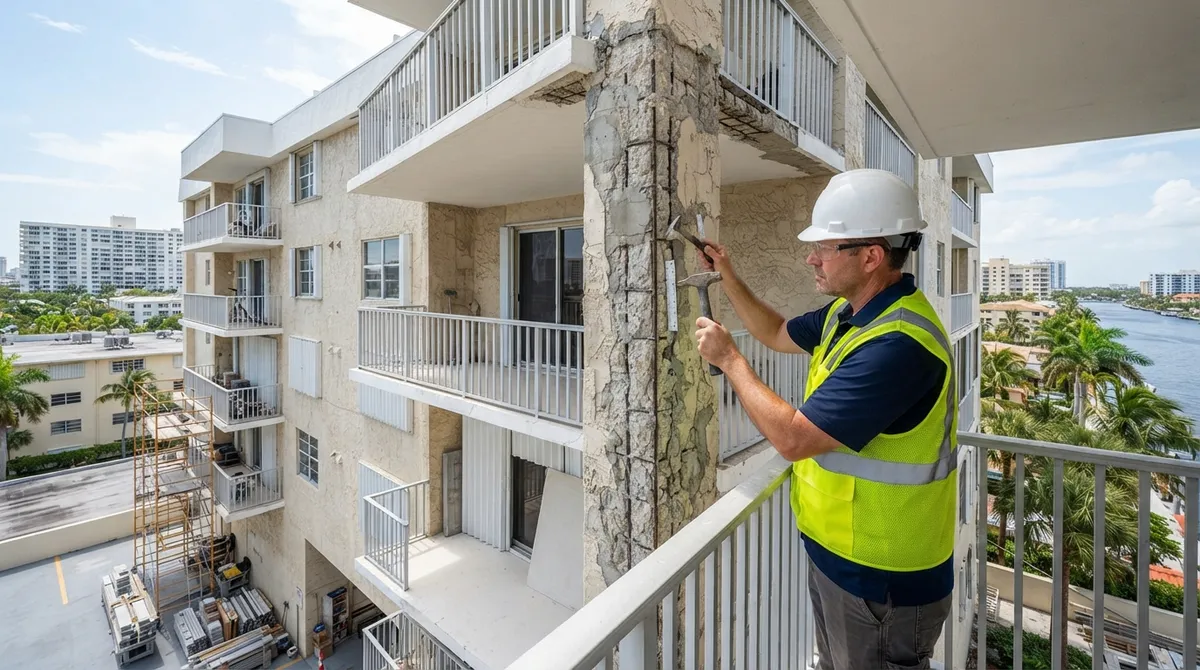
The program is a safety check for older buildings. A Florida-registered professional engineer or architect inspects the structure and the electrical systems, then certifies whether the building is safe for continued use. The goal is simple: catch aging problems before they become emergencies.
Broward's program began taking effect countywide in January 2006, according to BORA program materials. It is administered locally, which means Fort Lauderdale's Building Services Division handles notices, submissions, and follow-up for buildings inside city limits.
Why the Name Is Confusing
The "40-year" label stuck around because that was the original age trigger. Newer program language describes an initial inspection at 25 years and repeat inspections every 10 years after that. Older documents, some city pages, and plenty of online articles still say 40. So if you read conflicting information, you are not imagining it.
The practical advice: do not rely on the name alone. Confirm the schedule that applies to your building directly with the city and the current BORA policy.
Which Buildings Are Covered?
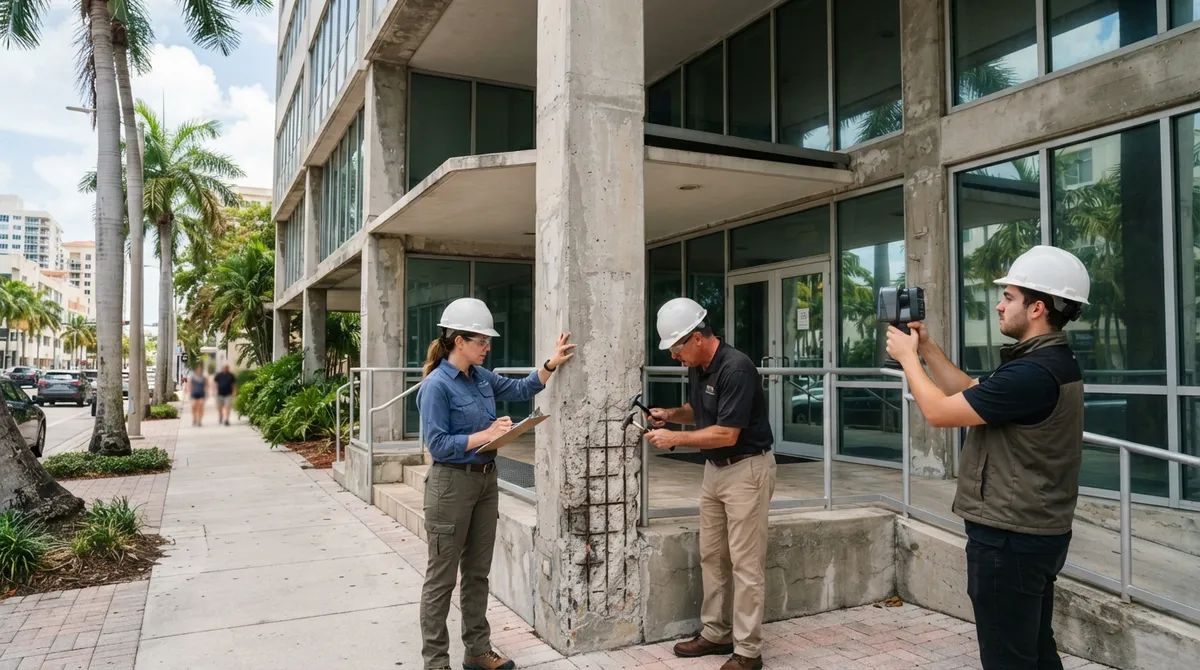
The program is aimed at buildings beyond single-family living. Fort Lauderdale's 2021 city memo explains that BORA sends an annual list of buildings meeting the program criteria to municipalities. If your building is on that list, you will hear from the building official.
Generally speaking, these categories are not covered:
- Single-family homes and duplexes
- U.S. and Florida government buildings
- Schools under the Broward County School Board
- Buildings on Native American land
- Buildings under 3,500 square feet (per the city's 2021 memo)
Exemptions and exceptions can change, so verify your building's status with the city before assuming you are in or out. If you are a realtor or investor evaluating a purchase, this is a great question to ask early in due diligence.
Quick Eligibility Snapshot
| Building Type | Typically Covered? | What to Do |
|---|---|---|
| Condominium or apartment building | Yes, if it meets age and size criteria | Watch for the city's notice and confirm schedule |
| Commercial or office building | Yes, if it meets criteria | Confirm eligibility and begin planning |
| Single-family home or duplex | Generally no | Verify with Building Services if unsure |
| Building under 3,500 sq ft | Listed as an exemption in the 2021 memo | Confirm current rule with the city |
| Government or school board building | Generally no | No action unless the city says otherwise |
Understanding the Timeline: 90 Days and 180 Days
Timing is where owners most often get tripped up, so let us make it simple. Under the Broward program materials, the process works in two stages.
- Notice of Required Inspection: The building official issues the notice to the owner.
- 90 days to certify: The owner generally has 90 days from the notice to submit the required certification prepared by a Florida-registered professional engineer or architect.
- Review: The local building official reviews the submission and may require further investigation or corrective work.
- Up to 180 days for repairs: If deficiencies are found, the program materials generally allow up to 180 days from the inspection report to complete corrections, unless the building official directs otherwise.
Please confirm every deadline and any possible extension directly with the city. Your notice is the final word, and 90 days passes faster than most people expect once you factor in scheduling an engineer.
What the Inspection Covers
The inspection addresses structural and electrical safety and follows BORA's minimum inspection guidelines. The professional who performs it prepares the applicable forms and report, and the building official reviews what is submitted.
Structural Items Commonly Reviewed
- Foundations and bearing walls
- Floor and roof framing
- Concrete elements such as balconies, slabs, and columns
- Signs of cracking, spalling, corrosion, or water intrusion
- Connections and other load-carrying elements
Electrical Items Commonly Reviewed
- Service and main distribution equipment
- Panels, wiring methods, and grounding
- Emergency and exit lighting where applicable
- Common-area and exterior electrical components
Think of it like a thorough annual physical for your building. Most findings are fixable, and early detection is exactly the point.
Who Can Perform the Inspection?
The certification must come from a Florida-registered professional engineer or architect. Permitting companies, drafters, and contractors cannot sign the inspection certification themselves. That said, a good permitting partner can coordinate the whole process around the licensed professional so nothing falls through the cracks.
If you want to understand how sealed work flows through Florida permitting more broadly, our article on who seals structural drawings for Florida permits is a helpful companion read.
What Happens If Deficiencies Are Found?
This is the part owners worry about most, and it is usually less scary than expected. If the engineer or architect identifies repairs, the building must be brought into compliance within the window the building official allows, generally up to 180 days from the report.
Here is a point worth underlining: a recertification inspection is not a substitute for the permits required to perform corrective construction. If repairs involve structural work, electrical work, concrete restoration, or other regulated scopes, those jobs typically need their own permits, plans, and inspections.
That is where permit coordination earns its keep. Repair scopes often need sealed drawings, engineer letters, and clean plan sets. If your building also has older work that was never properly permitted, our guide to 7 steps to legalize unpermitted work in Florida can help you plan the cleanup.
A Simple Step-by-Step Plan for Owners
Here is a practical roadmap you can follow from the moment you open that notice.
- Read the notice carefully. Note the date, the deadline, and the submission instructions.
- Confirm eligibility and schedule. Check your building's age, size, and any exemptions with the Building Services Division.
- Gather your records. Pull prior plans, permit history, past inspection reports, and maintenance records.
- Engage a Florida-registered engineer or architect. Book early. Good professionals fill their calendars.
- Complete the inspection and forms. The professional prepares the report under BORA guidelines.
- Submit to the city on time. Keep proof of submission.
- Respond to review comments. The building official may request more information or testing.
- Permit and complete any repairs. File permits, schedule inspections, and document closeout.
How a Permitting Service Fits In
You may be wondering what a permitting company actually does here. Quite a lot, as it turns out, while leaving the licensed inspection work to the licensed professional where it belongs.
| Task | Who Handles It |
|---|---|
| Sign and seal the inspection certification | Florida-registered engineer or architect |
| Check age and eligibility against city records | Permitting service or owner |
| Coordinate scheduling and documents | Permitting service |
| Submit to the city and track status | Permitting service |
| Answer city review comments | Permitting service with the engineer |
| Draw plans and file permits for repairs | Permitting service with sealed engineering |
At 1 Contractor Solutions, we act as a Florida outsourced permitting department. Our drafting and engineering are in house, and our own engineer signs and seals the work, so when a reviewer flags something, we can fix it without waiting on an outside consultant. You can read more about how we approach this on our 40-year recertification and milestone inspections page.
Tips for Different Readers
For General Contractors and Design Trades
If you are called in for repairs after an inspection report, ask for the full report up front. Knowing exactly what the engineer flagged lets you scope accurately and avoid rework. Sealed structural and electrical drawings are often needed for corrective work, and clean submittals shorten review. Our structural engineering and MEP engineering teams support exactly this kind of project.
For Realtors and Investors
A recertification due date can affect a sale or purchase, since reserves, repair costs, and timing all matter. Ask whether a notice has been issued, whether a report exists, and whether repairs are open. Open permits and unresolved items can also complicate closings, as we explain in our post on open permit mistakes before closing.
For Property Owners and Associations
Do not wait for the last two weeks. Start by confirming your status, collect records, and line up an engineer. Boards in particular should budget for both the inspection and potential repairs. If your condo is also navigating newer state requirements, it is worth reading about when a condo needs a milestone inspection, since these programs are related but not identical.
For Solar Companies
If your project touches an older covered building, expect reviewers to pay close attention to roof structure and electrical capacity. Structural verification and electrical documentation can make the difference between a quick approval and a round of comments.
Common Mistakes to Avoid
- Relying on the "40-year" name. Confirm the actual schedule that applies to your building.
- Waiting until the deadline is close. Engineers get booked and testing takes time.
- Assuming the inspection covers repair permits. It does not. Repairs need their own permits.
- Ignoring the city's notice. The notice and city instructions control, even if older guidance says otherwise.
- Skipping records. Missing plans and permit history slow everything down.
If a repair scope was started without proper approvals, or a permit has gone stale, our team can help sort it out. See our overview of after-the-fact permit requirements in Florida for how those situations are typically handled.
How Fort Lauderdale Compares With Other Florida Cities
Recertification and milestone programs vary by jurisdiction. Tampa, for example, has its own framework and terminology, which we cover in our 40 year recertification Tampa milestone inspection guide. If you manage buildings in more than one city, keep a separate calendar for each, because deadlines and procedures do not line up neatly across municipalities.
If your building also needs help with permits for related work, such as roofing, our resource on using roofing permit services in Fort Lauderdale may save you time. For sealed documentation tied to a permit, take a look at our engineer letter for permit in Fort Lauderdale guide.
Why Local Knowledge Matters
Fort Lauderdale sits in Broward County, and jurisdiction lines near city borders are not always obvious. We have filed in more than 400 Florida municipalities and handled over 5,000 permits and projects, so we know to verify which office actually controls your address before anything is filed. You can explore our local coverage on our Fort Lauderdale page.
Want to hear from people we have worked with? See what customers say by visiting our 1 Contractor Solutions listing on Google, and stay connected by choosing to follow us on LinkedIn or follow us on Facebook for Florida permitting updates.
The Bottom Line
The 40 year recertification Fort Lauderdale process is really a building safety program with a nickname that has outlived its threshold. Read your notice, confirm the current schedule, hire a Florida-registered engineer or architect, submit within 90 days, and plan permitted repairs within the window the city allows. Do that, and you will be in great shape.
You do not have to do it alone. When you are ready for a team that can coordinate the paperwork, drafting, engineering, and city follow-up, get a free quote and we will tell you which jurisdiction controls your building and exactly what it will take. We respond within 30 minutes, day or night.
FAQs
Does Fort Lauderdale still require a 40-year building recertification?
The "40-year" name is the familiar label for Broward County's Building Safety Inspection Program, but current BORA and local-government materials describe an initial inspection at 25 years for covered buildings, followed by inspections every 10 years. Always confirm your building's exact schedule with Fort Lauderdale's Building Services Division and follow the notice you receive.
Which buildings are exempt from the Fort Lauderdale building safety inspection?
Generally, single-family homes and duplexes are not covered, along with U.S. and Florida government buildings, Broward County School Board schools, buildings on Native American land, and buildings under 3,500 square feet per the city's 2021 memo. Rules can change, so it is smart to verify your building's status with the city.
How long do I have to submit the inspection after I get a notice?
Under the Broward program materials, owners generally have 90 days from the Notice of Required Inspection to submit the certification from a Florida-registered engineer or architect. Check your notice for the exact deadline and ask the city about any extensions.
What happens if the inspection finds structural or electrical problems?
The program materials generally allow up to 180 days from the inspection report to correct deficiencies, unless the building official directs otherwise. Repairs usually require their own permits and inspections, since the recertification itself does not authorize construction work.
Can a permitting service help with my recertification?
Yes. A permitting service can check eligibility, coordinate the licensed engineer or architect, prepare and submit documentation, respond to city comments, and file permits for required repairs. The inspection certification itself must still be signed by a Florida-registered professional engineer or architect.
We do this work every day across all 67 Florida counties. Call (866) 314-6931 and we will tell you what your situation actually requires — including when you do not need us.
Related services
Permit Facilitation & Filing
You have a crew scheduled, a client asking for dates, and a permit sitting somewhere in a queue you cannot see. We file it, w…
See the servicePlan Review Coordination
A permit in plan review is not one queue. On a commercial project it can be six queues, each with its own reviewer, its own c…
See the serviceReady to get your permit moving?
One call tells you which jurisdiction controls your project, what it will take, and what it will cost. Most of the time we can scope it on the phone.