
Blog
40 Year Recertification Tampa: Milestone Inspection Guide
Tampa's 40 year recertification is now a milestone inspection. Learn who's covered, key deadlines, Phase 1 and 2 steps, and what to do next.
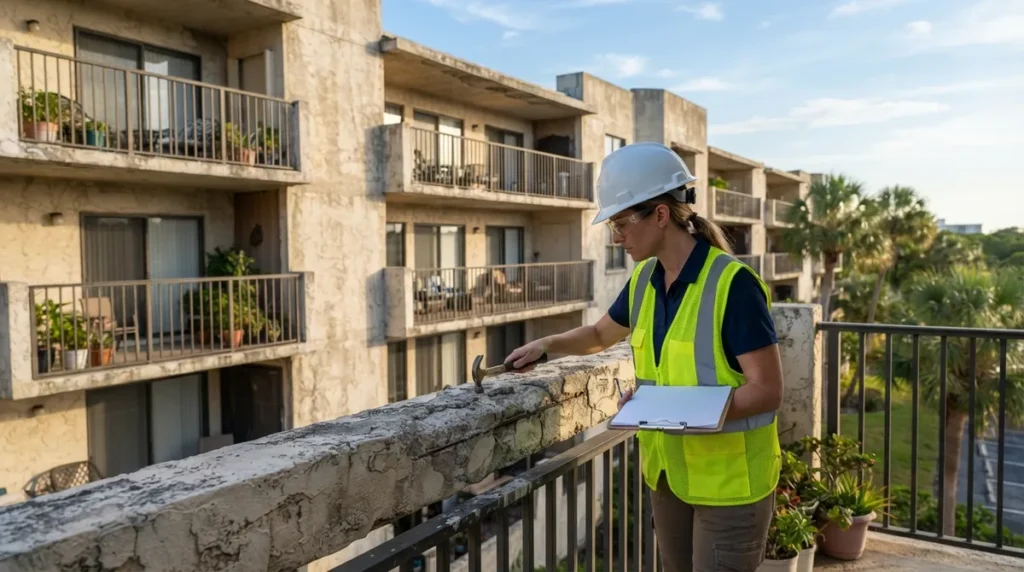
Key Takeaways
-
Tampa's current process for older condo and co-op buildings is officially called a milestone inspection under F.S. 553.899 and Tampa Code § 5-110.9, not a 40-year recertification.
-
The first milestone inspection is generally due 30 years from the certificate-of-occupancy date, then repeats every 10 years, so don't wait until the building turns 40.
-
Covered buildings are condominiums and cooperatives three stories or higher; confirm your CO date and status with Tampa Construction Services.
-
Phase 1 is a visual structural assessment by a Florida-licensed architect or engineer, due within 180 days of the City's written notice.
-
Buildings that reached 30 years before July 1, 2022 had a December 31, 2024 deadline; if unsure whether it was met, contact Tampa Construction Services immediately.
-
Phase 2 is triggered only by substantial structural deterioration, and repairs generally require sealed drawings and permits before any work begins.
If you own or manage an older building in Tampa, you've probably heard someone mention the "40 year recertification" and felt your stomach drop a little. Take a breath. You're in good company, and this is far more manageable than it sounds once you know the steps.
Here's the first thing worth knowing: the phrase "40 year recertification Tampa" is mostly shorthand. The City of Tampa's current process for qualifying condominium and cooperative buildings is called a milestone inspection, governed by Florida Statute 553.899 and Tampa Code § 5-110.9. It generally starts at 30 years of age and repeats every 10 years, not 40.
In this guide, we'll walk through which buildings are covered, how deadlines work, what Phase 1 and Phase 2 involve, and what to do if something turns up. Whether you're a board member, property manager, contractor, or investor eyeing an older Tampa building, you'll leave knowing exactly where to start.
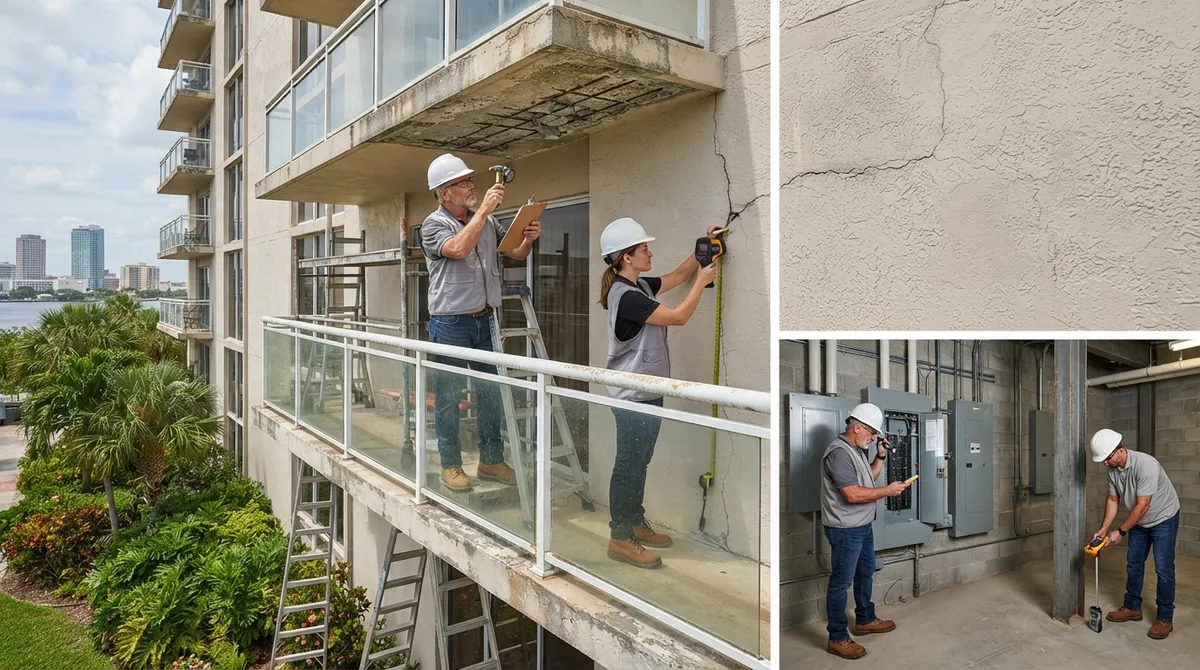
Is It a 40 Year Recertification or a Milestone Inspection in Tampa?
Great question, and one we hear constantly. For decades, Florida building owners talked about "40-year recertification" because older county programs required a structural and electrical safety review when a building hit that age. People kept using the term even as the rules evolved.
Today, Tampa's published guidance for covered condo and co-op buildings frames the requirement as a milestone inspection. If you search for a "40 year recertification Tampa" form, you'll want to look under milestone inspections on the City's Construction Services pages instead.
| Term | What People Mean | Tampa's Current Framework |
|---|---|---|
| 40-year recertification | Informal name for building-safety reviews | Not the official term for Tampa's covered buildings |
| Milestone inspection | Structural safety inspection by a licensed pro | Official process under F.S. 553.899 and Tampa Code § 5-110.9 |
| First inspection timing | Often assumed to be 40 years | Generally 30 years from certificate of occupancy |
| Repeat cycle | Often assumed to be every 10 years after 40 | Every 10 years after the initial inspection |
The takeaway? Don't wait until your building turns 40. If it's covered, the clock likely started years earlier.
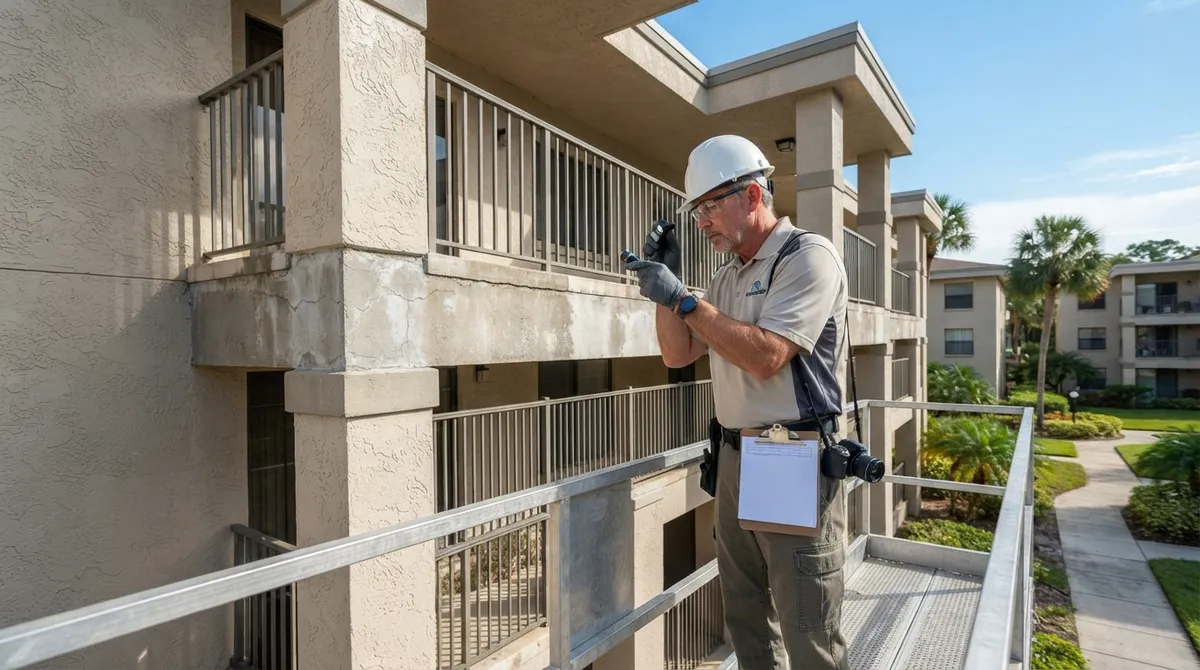
Which Tampa Buildings Need a Milestone Inspection?
According to the City of Tampa's published guidance, the requirement applies to condominium and cooperative buildings that are three stories or higher. The first inspection is generally due when the building reaches 30 years from its certificate-of-occupancy date, with inspections recurring every 10 years.
Here's a quick checklist to see whether your building may be affected:
- Is it a condominium or cooperative (not a single-family home)?
- Is it three stories or taller?
- Do you know the original certificate-of-occupancy date?
- Has it been 30 years or more since that date?
If you answered yes to all four, your association should confirm its status with the City right away. Not sure where your certificate of occupancy stands? Our guide on how to get certificate of occupancy help in Florida can point you in the right direction.
How to Calculate Your Deadline
Your deadline comes from your building's certificate-of-occupancy date, not the year it was built or sold. Here's the simple math:
- Find the original certificate-of-occupancy date.
- Add 30 years to get your first milestone inspection date.
- Add 10 years after the initial inspection for each future cycle.
- Confirm everything with Tampa Construction Services in writing.
Records get lost over the decades, and that's perfectly normal. If you can't track down your CO, the building department or a permitting professional can help you research it.
The December 31, 2024 Deadline: What If You Missed It?
Here's where things get time-sensitive. Tampa's guidance says buildings that had already reached 30 years before July 1, 2022 were required to complete their inspection by December 31, 2024. Since it's now November 2026, that date has passed.
If your building falls into that category and you're unsure whether the inspection was completed, don't panic and don't put it off. Reach out to Tampa Construction Services at 813-274-3100, option 1, or email CSDHelp@tampagov.net to confirm your status and any outstanding requirements.
Wondering about the consequences of falling behind? We break it down in what happens if a Florida condo misses its milestone deadline. The short version: acting early is always cheaper and calmer than waiting.
Phase 1 Inspection: The Visual Assessment
Phase 1 is the starting point for every covered building. It's a visual assessment of the building's structural components, performed by a Florida-licensed architect or engineer.
Tampa's guidance requires Phase 1 to be completed within 180 days after the owner receives the City's written notice. That window sounds generous, but between scheduling the professional, gaining access to the property, and writing the report, it can disappear quickly.
What the Inspector Looks For
- Cracking, spalling, or deterioration in structural elements
- Signs of water intrusion affecting structural components
- Condition of balconies, walkways, and load-bearing elements
- Evidence of settlement or movement
- Overall structural integrity based on visual observation
Possible Phase 1 Outcomes
If Phase 1 finds no substantial structural deterioration and the professional concludes no further inspection is needed, Tampa's process allows the City to close the recertification record with no repair required. Your next milestone inspection would be due 10 years after the initial inspection. That's the best-case scenario, and it happens more often than owners fear.
If substantial structural deterioration is identified, the process moves to Phase 2.
Phase 2 Inspection: The Deeper Investigation
Phase 2 is triggered only when Phase 1 identifies substantial structural deterioration. This is a more detailed investigation, and Tampa's published instructions say the Phase 2 report is due within 180 days after the Phase 1 report is submitted.
Think of Phase 2 as the diagnostic stage. The licensed professional digs in with closer inspection, and may recommend testing or limited exploratory work to understand the extent of the problem. The goal is to document what's wrong, why, and what repairs are needed.
For a clearer side-by-side look, check out our comparison of Phase 1 vs. Phase 2 milestone inspection in Florida.
| Feature | Phase 1 | Phase 2 |
|---|---|---|
| Type of review | Visual assessment | Detailed investigation |
| Performed by | Florida-licensed architect or engineer | Florida-licensed architect or engineer |
| When required | Every covered building | Only if substantial deterioration is found |
| Deadline | Within 180 days of City's written notice | Within 180 days after Phase 1 report submission |
| Possible result | Close record or trigger Phase 2 | Repair plan and permitted work |
What Happens If the Inspection Finds Deterioration?
Hearing the words "structural deterioration" is never fun, but it's not the end of the world. It simply means your building needs attention, and the process is designed to get you there safely.
Once Phase 2 documents the problem, repairs typically require appropriate permits before work begins. That usually means sealed drawings, a clear scope of work, and coordination with the building department. A typical path looks like this:
- Review the Phase 2 report with your board and licensed professional.
- Prepare repair plans and any needed engineering, signed and sealed.
- File permit applications with the City of Tampa.
- Work through plan review comments and revisions.
- Complete repairs with scheduled inspections.
- Close out the permits and document completion.
This is where a permitting partner earns their keep. Who signs and seals the repair drawings matters, and our article on who seals structural drawings for Florida permits explains the requirements. If a permit gets rejected along the way, who can rescue a denied building permit in Florida is worth a read.
Who Is Qualified to Perform the Inspection?
Tampa's guidance calls for a Florida-licensed architect or engineer to perform the Phase 1 assessment. This isn't a job for a general handyman or a well-meaning contractor. The licensed professional's report is what the City relies on.
When choosing someone, consider these points:
- Active Florida license in good standing
- Experience with older multi-story condo and co-op structures
- Familiarity with Tampa's submission process
- Availability to meet your 180-day window
- Willingness to coordinate with permitting if repairs follow
How This Applies to Different Readers
The 40 year recertification Tampa conversation touches a lot of people. Here's how it plays out for each:
| Reader | Why It Matters | First Step |
|---|---|---|
| Condo boards and associations | Legal compliance and resident safety | Confirm CO date and City status |
| General contractors | Repair work after Phase 2 needs permits and sealed plans | Line up engineering and filing support early |
| Real estate professionals and investors | Inspection status affects due diligence and closings | Request inspection records before buying |
| Design and trade professionals | Repair scopes need drafting, structural, and MEP input | Coordinate with the engineer of record |
| Unit owners | Repairs may affect assessments and timelines | Ask your association for status updates |
If you're a buyer or agent, it's smart to check for open or expired permits too. Our post on who pays for open permits when buying a Florida home covers common closing surprises.
Are Electrical Inspections Part of the Process?
This one trips people up because older "40-year" programs often included both structural and electrical components. Tampa's published guidance for the milestone inspection process centers on the structural assessment. If you're unsure whether any electrical component applies to your building, confirm directly with Tampa Construction Services rather than assuming.
If electrical or other MEP repairs do come up, you'll likely need engineering and permits. Our overview of MEP engineering for permits in Tampa is a helpful companion read.
How to Submit Your Report to the City of Tampa
Once your licensed professional completes the Phase 1 (and, if needed, Phase 2) report, it needs to be submitted to the City. Tampa publishes instructions titled "How to Submit a Milestone Inspection Report" on its website, and Construction Services can walk you through the current process.
A few practical tips to keep things moving:
- Keep copies of the City's written notice and the date you received it.
- Calendar your 180-day deadlines the day you get notice.
- Ask your professional to confirm the report meets Tampa's submission requirements.
- Save confirmation of submission for your records.
- Follow up if you don't hear back about closing the record.
Where 1 Contractor Solutions Fits In
The inspection itself is performed by your licensed architect or engineer, but there's a lot that happens around it. At 1 Contractor Solutions, we act as Florida's outsourced permitting department. We help with permit filing and tracking, plan review coordination, revisions and resubmittals, and in-house structural and MEP engineering with sealed drawings, which comes in handy when Phase 2 leads to repairs.
We work across all 67 Florida counties, including the Tampa area, and we respond same-day. You can also see what customers say by checking us out on Google: Visit us on Google — 1 Contractor Solutions. And if you'd like to stay connected, follow us on LinkedIn or follow us on Facebook for Florida permitting updates.
Tampa-specific permitting can have its own quirks, so you may also like our structural plans permit Tampa FL mistakes to avoid.
Common Mistakes to Avoid
After years in Florida permitting, we've seen the same stumbles again and again. Dodge these and you'll be ahead of the game:
- Waiting for year 40. The first inspection is generally due at 30 years for covered buildings.
- Ignoring the 180-day clocks. Both phases have firm windows.
- Assuming the old deadline passed quietly. If your building hit 30 years before July 1, 2022, confirm your status now.
- Starting repairs without permits. Work after Phase 2 generally needs permits first.
- Hiring unlicensed help. The assessment must come from a Florida-licensed architect or engineer.
Your Next Steps
The 40 year recertification Tampa question really comes down to a simple plan: confirm whether your building is covered, find your certificate-of-occupancy date, verify your status with Tampa Construction Services, and line up a licensed professional early. If repairs follow, have your permitting and engineering team ready so you don't lose weeks to avoidable delays.
You don't have to figure this out alone. If your Tampa building needs milestone inspection support, repair permitting, or sealed engineering, we'd love to help. Get a free quote and let's get your building squared away. For more on how we partner with property owners, you can also explore Brain Buzz Marketing, the team behind our digital presence.
FAQs
Does Tampa require a 40 year recertification, or is it called a milestone inspection?
For qualifying condominium and cooperative buildings, Tampa's current process is called a milestone inspection under Florida Statute 553.899 and Tampa Code § 5-110.9. The older "40-year recertification" label is still used informally, but the City's guidance points to a 30-year first inspection and a 10-year repeat cycle.
Which Tampa buildings need a milestone inspection?
The City's published guidance applies to condominium and cooperative buildings three stories or higher. Your first inspection is generally due 30 years from the certificate-of-occupancy date, so confirm your dates with Tampa Construction Services.
What happens during Phase 1 and Phase 2 of a milestone inspection?
Phase 1 is a visual structural assessment by a Florida-licensed architect or engineer, due within 180 days after you receive the City's written notice. If it finds substantial structural deterioration, Phase 2 follows with a deeper investigation, due within 180 days after the Phase 1 report is submitted.
What should a Tampa condo association do if the inspection finds structural deterioration?
Review the Phase 2 report with your licensed professional, then prepare sealed repair plans and file the proper permits before any work begins. Having a permitting and engineering partner lined up early helps you avoid delays and rework.
Who do I contact at the City of Tampa about my building's status?
Tampa Construction Services lists 813-274-3100, option 1, for permit and inspection-related questions, and CSDHelp@tampagov.net for general inquiries. It's smart to confirm your status in writing, especially if your building may have missed the December 31, 2024 catch-up deadline.
We do this work every day across all 67 Florida counties. Call (866) 314-6931 and we will tell you what your situation actually requires — including when you do not need us.
Related services
Permit Facilitation & Filing
You have a crew scheduled, a client asking for dates, and a permit sitting somewhere in a queue you cannot see. We file it, w…
See the servicePlan Review Coordination
A permit in plan review is not one queue. On a commercial project it can be six queues, each with its own reviewer, its own c…
See the serviceReady to get your permit moving?
One call tells you which jurisdiction controls your project, what it will take, and what it will cost. Most of the time we can scope it on the phone.