
Blog
Which Wind Region Rules Your Florida ATF Permit?
Learn what "wind region" really means for Florida after-the-fact permits and how to get unpermitted work legally approved.
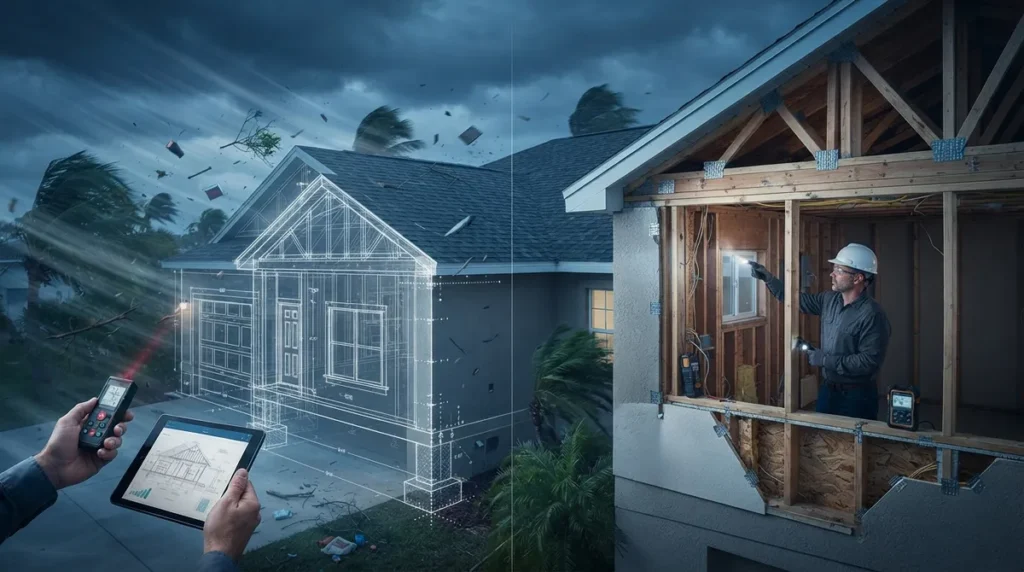
Key Takeaways
-
There is no single 'best' wind region in Florida; wind design depends on your exact address, building use, and local jurisdiction rules, requiring site-specific verification rather than regional shortcuts.
-
The 2023 Florida Building Code (8th Edition) uses ASCE 7-22 standards, and western Panhandle areas saw wind-speed increases, meaning older engineering calculations may no longer satisfy current requirements and need reanalysis.
-
After-the-fact permits require accurate as-built plans, current wind-load engineering calculations sealed by a Florida-licensed engineer, and possible structural modifications if existing work doesn't meet today's code standards.
-
Use the ASCE 7 Hazard Tool for precise, address-level wind data and confirm your exact jurisdiction (city limits vs. unincorporated county) before starting any permit process, as procedures vary significantly by location.
-
If unpermitted structural work cannot meet current wind-load or uplift requirements, building departments can require wall/ceiling openings for inspection and structural reinforcement before approving closure, making early engineer involvement critical.
-
Common triggers for after-the-fact permits include real estate closings, insurance claims, code enforcement notices, and solar installations, with wind-borne debris protection becoming especially important for coastal properties within one mile of the mean high-water line.
If you have ever typed "best wind region after the fact engineering florida" into a search bar at midnight, we feel you. Maybe you just found out that sunroom the previous owner built never had a permit. Maybe you are a general contractor staring down a closing deadline and a homeowner who swears the pergola was "grandfathered in." Either way, you are hoping there is one magic answer, one best region or one best shortcut that makes the whole headache disappear.
Here is the friendly truth: there is no single "best" wind region that guarantees an easy after-the-fact approval anywhere in Florida. Wind design depends on your exact address, your building's use, and the local building department's rules. But do not worry, because that is genuinely good news. It means your situation is solvable with the right information and the right team, and we are going to walk through exactly how that works, county by county, step by step, so you feel confident instead of overwhelmed.
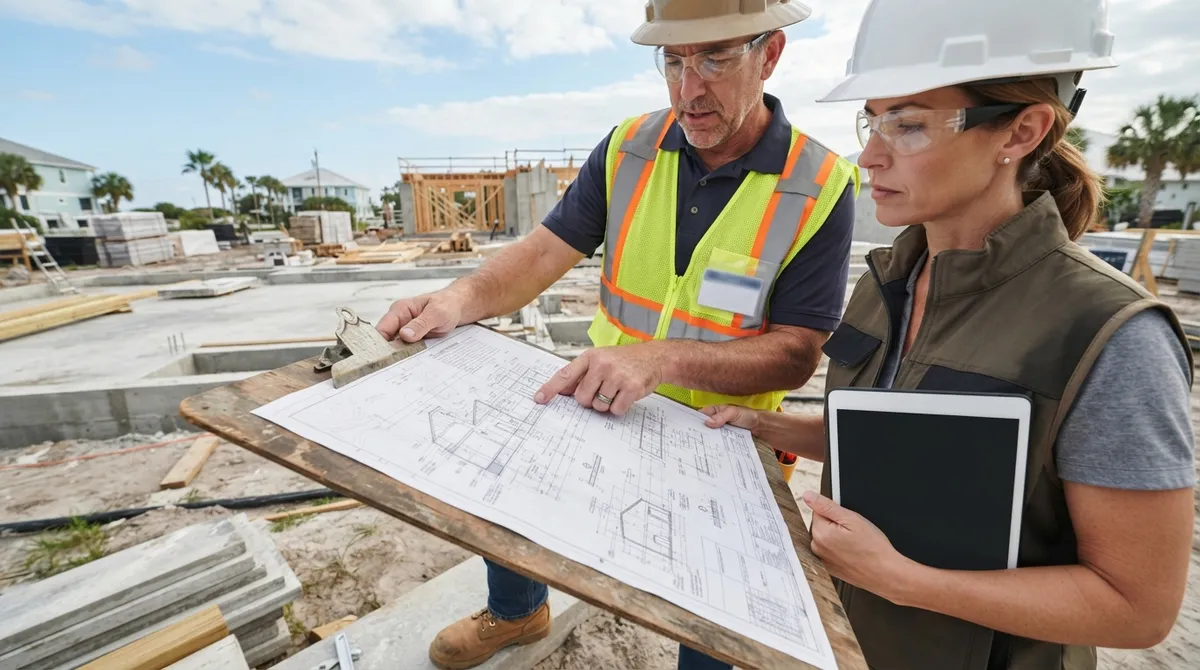
What "Wind Region" Actually Means for Florida Permitting
Let's clear up the biggest misconception first, because it trips up even experienced property owners. "Wind region" is not a marketing label or a ranking system. It is a technical term tied to Florida's building code and the wind-load standard it references.
Under the 8th Edition (2023) Florida Building Code, which took effect December 31, 2023, wind design pulls from ASCE 7-22. That standard assigns a design wind speed to your specific parcel based on location, plus your building's risk category and exposure conditions. Two houses three blocks apart in the same city can technically fall under different requirements depending on proximity to the coast, surrounding terrain, and how the structure is classified.
So when someone asks which region is "best" for after-the-fact engineering, the honest answer is: the region that matches where your property actually sits, verified against current code, not the region someone assumes is easiest. That distinction alone can save you weeks of back-and-forth with a building department.
Peninsula vs. Panhandle: What Actually Changed
According to the Florida Building Commission's wind-load fact sheet, wind speeds across the peninsula stayed generally consistent between the 7th and 8th Edition codes. The western Panhandle, however, saw some increases under ASCE 7-22. That matters enormously if your after-the-fact project sits anywhere from Pensacola to Panama City, because calculations that worked under an older code may no longer satisfy today's requirements.
| Region | Wind Speed Trend (2023 Code) | What It Means for ATF Projects |
|---|---|---|
| Peninsula Florida | Generally unchanged from prior edition | Older engineering may still align, but verification is still required |
| Western Panhandle | Increased under ASCE 7-22 | Existing structures may need reanalysis to meet current standards |
| Coastal areas within 1 mile of mean high-water line | Potential Exposure D wind-borne debris criteria | Stricter opening protection and structural review may apply |
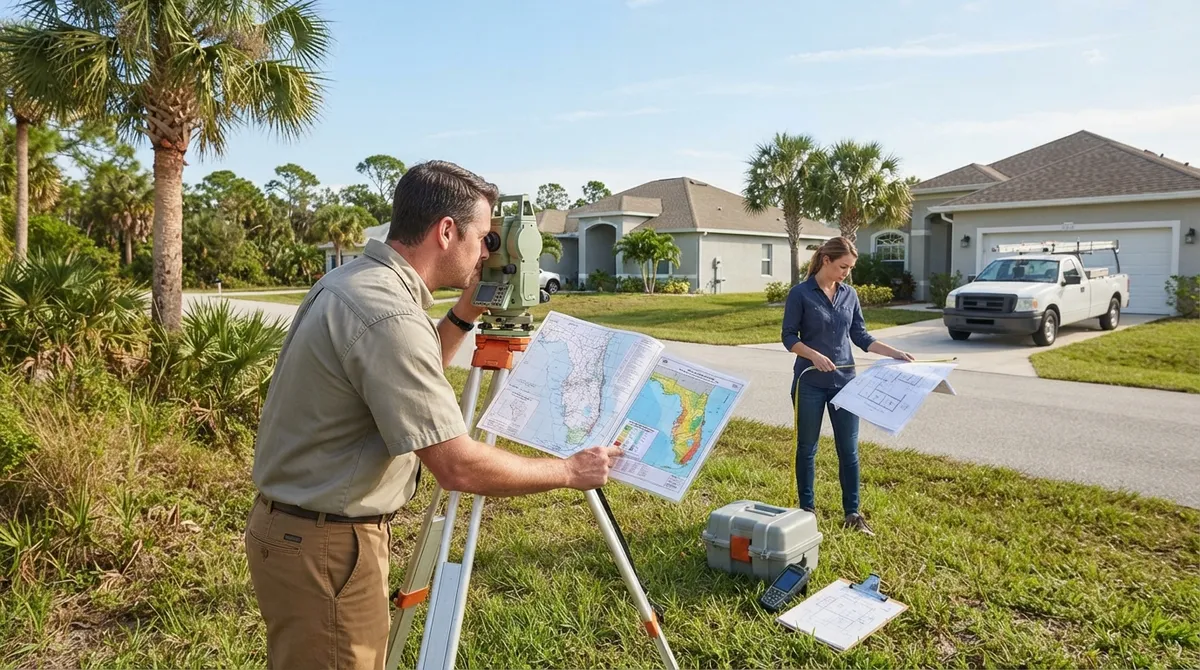
How to Find the Real Design Wind Speed for Your Property
Instead of hunting for a "best region," here is the process we actually recommend, and the one our team uses every day across all 67 Florida counties.
- Confirm the exact jurisdiction. City limits, unincorporated county lines, and special districts do not always match what your mailing address suggests. Our building department lookup tool helps pinpoint who actually reviews your permit.
- Pull the site-specific wind speed. The Florida Building Commission fact sheet points to the ASCE 7 Hazard Tool for precise, address-level wind data rather than relying on a general county map.
- Identify the building's risk category. A single-family home, a small business, and a shelter-designated structure are treated differently, and that changes the applicable wind criteria.
- Check for wind-borne debris region status. Under the 2023 code, this generally includes areas at 140 mph ultimate design wind speed or higher, plus certain coastal zones at 130 mph or greater with Exposure D conditions within one mile of the coast.
- Have a Florida-licensed engineer evaluate existing construction. This step is non-negotiable for structural after-the-fact work, and it is where guesswork needs to stop and documentation needs to begin.
After-the-Fact Permits: The Process Behind the Paperwork
Florida Statutes §553.79 generally requires a permit before covered construction, alteration, repair, or demolition happens, not after. When that step gets skipped, whether by a past owner, a handyman, or an overly confident DIY weekend, the property is left with unpermitted work that needs to be documented and reviewed through the local jurisdiction's after-the-fact process.
Here is what that typically involves, though procedures and fees vary meaningfully by county or municipality:
- Accurate as-built plans showing what was actually constructed, not just what was originally proposed
- Engineering calculations or a code-compliance assessment addressing current wind-load and structural requirements
- Sealed documents from a Florida-licensed design professional when the scope requires it
- Possible access openings or additional inspections if walls, ceilings, or concealed framing cannot be verified visually
- Correction of any deficiencies before the permit can be closed out
That last point catches people off guard. If the original work does not meet current wind-load or structural standards, the building official can require modifications before signing off, not just paperwork. This is exactly why we push clients toward proper after-the-fact and expired permit services early, rather than waiting until a sale or refinance forces the issue.
Common Triggers That Bring ATF Permits Into the Spotlight
We see the same scenarios again and again, across every corner of the state:
- Real estate closings where an open permit found at closing stalls the deal
- Insurance claims that get denied because expired permits and insurance claims collide at the worst possible moment
- Code enforcement notices for additions, patios, or roofs that were never inspected
- Solar installations added onto structures with underlying unpermitted modifications
- Homeowners discovering the issue only when applying for a renovation permit and getting flagged
Why Wind-Load Compliance Complicates After-the-Fact Work
Structural after-the-fact engineering is rarely just "draw what's there and submit." Wind loads interact with roof framing, connections, opening protection, and even foundation anchoring. A carport built in 2015 without a permit might have used connectors that were acceptable then but do not satisfy today's uplift requirements under ASCE 7-22.
That is why our in-house engineering team does not just draft as-built plans. We evaluate whether the existing structure can be verified as compliant, or whether reinforcement is needed before a building department will approve the closeout. For coastal properties in places like Pinellas County or Manatee County, wind-borne debris protection often becomes part of that conversation too, especially for window and door openings.
| Property Type | Typical ATF Wind-Related Concern | Documentation Usually Needed |
|---|---|---|
| Screened enclosure / lanai | Uplift resistance, attachment to main structure | Engineer letter, as-built framing plan |
| Roof-mounted solar array | Attachment points, underlying roof condition | Structural calculations, engineer certification |
| Room addition | Full wind-load compliance for new envelope | Sealed structural plans, possible opened wall inspection |
| Carport or detached structure | Connector adequacy under current uplift values | Engineering assessment, retrofit plan if deficient |
Working With the Right Jurisdiction, Not Just the Right Region
Every county and city in Florida runs its after-the-fact process a little differently. Some allow self-certification for minor work. Others require a full plan review cycle even for small additions. This is precisely why chasing a "best region" is the wrong frame. The better question is: what does my specific jurisdiction require, and who can help me meet it efficiently?
We work across Hillsborough County, Lee County, Charlotte County, Collier County, Miami-Dade County, Broward County, and every other county in the state, precisely because local familiarity matters this much. A reviewer in Sarasota may want different documentation than a reviewer in Jacksonville, even for a nearly identical carport.
Who Typically Needs This Kind of Support
- General contractors juggling multiple projects who need sealed drawings and permit tracking without babysitting every file personally.
- Solar companies that need fast, code-compliant structural documentation so installs are not delayed by underlying permit gaps.
- Realtors and investors trying to clear title issues before a closing date arrives.
- Homeowners who inherited a property with surprises in the permit history.
- Architects and designers who need reliable outsourced drafting and engineering without expanding in-house staff.
If any of those describe you, our engineering and plans and engineering teams handle exactly this kind of work daily, with our own licensed engineer sealing drawings in-house so you are not waiting on a third-party consultant to return a call.
What Happens If the Existing Work Does Not Meet Code
This is the part nobody loves discussing, but we would rather you hear it from us now than from a building official later. If concealed or completed work cannot meet current wind-load or structural requirements, the local jurisdiction can require corrections before approving the after-the-fact permit. Sometimes that means opening a wall or ceiling for inspection. Sometimes it means adding reinforcement or replacing inadequate connectors.
The good news is that this outcome is manageable when you have accurate as-built documentation and a licensed engineer guiding the process, rather than discovering it mid-transaction with no plan in place. We have helped countless Florida homeowners and real estate professionals navigate exactly this, and honestly, once the plan is clear, most people feel a huge sense of relief. You are not alone in this, and it is far more common than you think.
Curious what our clients say about working through these exact situations? You can visit us on Google — 1 Contractor Solutions to see real feedback from contractors and homeowners we have supported across the state.
Practical Steps to Move Your Project Forward
Ready to stop guessing and start solving? Here is a simple path forward:
- Verify your exact jurisdiction and applicable code edition before assuming anything about wind requirements
- Gather any existing permits, plans, or contractor records related to the unpermitted work
- Request an engineering evaluation of the existing structure's wind-load compliance
- Prepare accurate as-built drawings reflecting what was actually built
- Submit through the correct after-the-fact process for your specific city or county
Our team offers as-built drawings, engineer letters, and full permit facilitation and filing so you are covered from the first site visit to final closeout. And if your project is stuck right now, our urgent permit rescue service exists specifically for situations that feel urgent, because we know deadlines do not wait politely.
Let's Get Your Project Moving
There is no single "best" wind region that makes after-the-fact engineering effortless anywhere in Florida, but there absolutely is a best path forward for your specific property, and we would genuinely love to help you find it. Whether you are in Tampa, Miami, Orlando, or a quiet coastal town in between, our licensed engineers and permitting specialists are ready to review your situation with warmth, clarity, and zero judgment about how the unpermitted work happened in the first place.
We answer calls 24/7, respond within 30 minutes, and se habla español, because getting stuck should never feel lonely. Reach out today to get a free quote and let's turn that permit headache into a permit success story together. You can also follow our latest updates and client wins when you follow us on LinkedIn or follow us on Facebook, and for deeper technical background on wind-load standards, the Florida Building Commission's official resources are a great companion reference alongside our team's guidance.
FAQs
What does "wind region" mean for a Florida building permit?
It refers to the design wind speed and exposure conditions assigned to your exact property location under the Florida Building Code and ASCE 7-22, not a general area ranking. Your specific address, building risk category, and coastal proximity all factor into it, so it truly is property-specific rather than a broad regional label.
Can I get an after-the-fact permit for unpermitted construction in Florida?
In many cases, yes, though the process and required documentation vary by county or city. You will likely need accurate as-built plans and, for structural work, engineering calculations or a code-compliance assessment sealed by a Florida-licensed professional.
Do I need a Florida engineer for an after-the-fact permit?
For most structural after-the-fact work, yes, a Florida-licensed engineer's evaluation and sealed documents are typically required. It genuinely helps to bring one in early, since they can catch wind-load or connection issues before the building department does.
Will a Florida building department require walls or ceilings to be opened for inspection?
It's possible, especially when concealed framing or connections cannot be verified visually. The local building official makes this call based on what your as-built documentation shows and whether it's enough to confirm compliance.
Does the 2023 Florida Building Code change wind requirements for my county?
It depends on where you are. Peninsula wind speeds were generally unchanged from the prior edition, but some western Panhandle values increased under ASCE 7-22, so it's worth checking your exact address against current data rather than assuming nothing changed.
We do this work every day across all 67 Florida counties. Call (866) 314-6931 and we will tell you what your situation actually requires — including when you do not need us.
Related services
Permit Facilitation & Filing
You have a crew scheduled, a client asking for dates, and a permit sitting somewhere in a queue you cannot see. We file it, w…
See the servicePlan Review Coordination
A permit in plan review is not one queue. On a commercial project it can be six queues, each with its own reviewer, its own c…
See the serviceReady to get your permit moving?
One call tells you which jurisdiction controls your project, what it will take, and what it will cost. Most of the time we can scope it on the phone.