
Blog
How to Resubmit After-the-Fact Drawings in Florida
Learn how to resubmit after-the-fact drawings in Florida, including required documents, fees, and how to respond to reviewer comments correctly.

Key Takeaways
-
Address every single review comment in a comment-by-comment response matrix; skipping even one item triggers another rejection cycle and delays your permit significantly.
-
Each Florida jurisdiction has different file naming conventions, portal requirements, and fee structures, so verify your specific county's checklist before submitting to avoid rejections.
-
Clearly mark or cloud all revised areas on drawings so reviewers can instantly see changes without re-reading the entire set, speeding up the review process.
-
Florida law allows after-the-fact penalties up to 4x the normal permit fee plus local enforcement charges; verify your county's current fee schedule before budgeting the project.
-
Submitting revised drawings is not the finish line—the permit still requires full review, inspections, corrections, and final approval before the work is legally considered complete.
-
Inspectors may require you to open walls or ceilings to verify concealed work like electrical, plumbing, or framing connections; budget time and costs for potential corrections.
If you've ever received a rejection notice on an after-the-fact permit application, you already know that sinking feeling. You did the work, you're trying to do the right thing by legalizing it, and now a reviewer has sent back a list of comments that reads like a foreign language. Take a breath — you're in good company. Every day across Florida, homeowners, contractors, and solar installers face this exact moment, and the good news is that resubmitting after-the-fact drawings in Florida is a completely normal, well-worn path. It just requires the right documents, the right responses, and a little patience with the process.
Whether you're a general contractor trying to close out an old job, a solar company racing to interconnect a system, a realtor trying to save a closing, or a homeowner who inherited someone else's shortcuts, this guide will walk you through exactly what Florida building departments expect when you resubmit after-the-fact drawings. We'll cover the paperwork, the review cycle, the fees, and the common mistakes that turn a simple resubmittal into a months-long headache. Let's get you back on track.
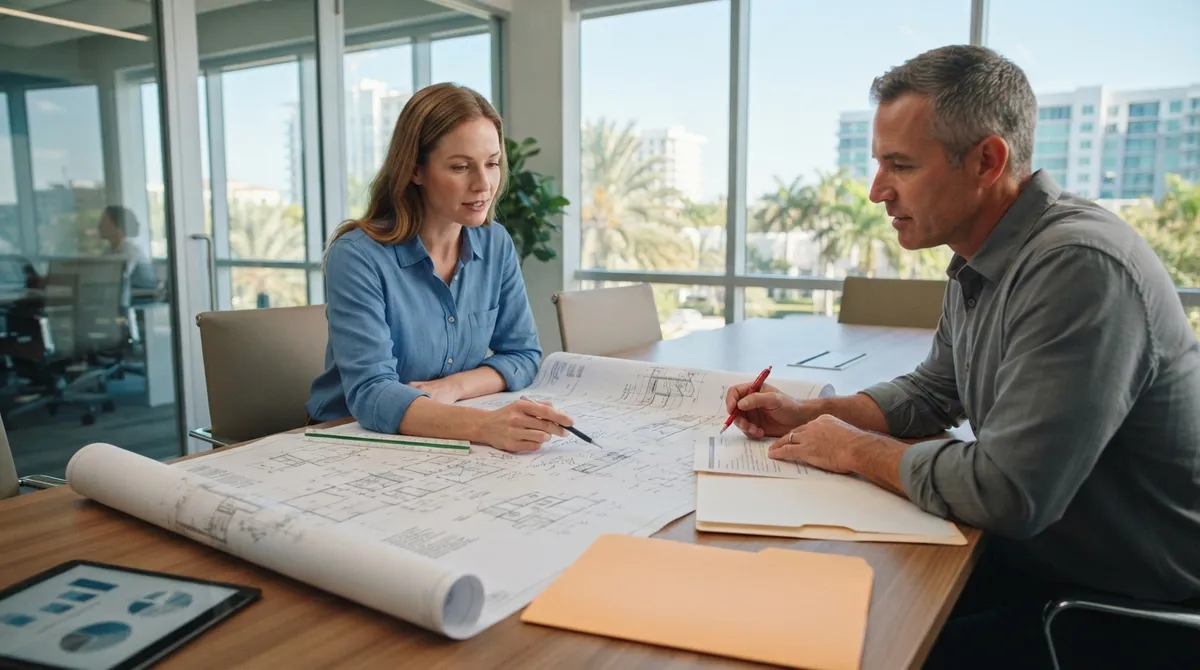
What Does It Mean to Resubmit After-the-Fact Drawings in Florida?
In plain terms, resubmitting after-the-fact drawings means sending corrected or additional plans back to a local building department for work that was already built without a permit — or for a permit application that got kicked back with review comments. It's not a one-size-fits-all statewide form. Instead, each city or county sets its own application procedures, document checklists, and fee structure, which is why the process can feel so different depending on where your project sits.
Under Florida Statutes § 553.79, local enforcement agencies are required to post their permit application types and required attachments online, and they must accept complete applications and supporting documents electronically. That's genuinely helpful, because it means you can usually find the current after-the-fact checklist for your jurisdiction without ever leaving your desk. Still, no two counties handle the fine print the same way, so it pays to check the specific requirements before you hit submit.
Why Jurisdiction Matters More Than You'd Think
A resubmittal package that sails through in one county might bounce right back in the next town over. That's because building departments set their own revision-clouding rules, file naming conventions, and upload portals. If you're working across multiple counties — say you're a roofing company running installs everywhere from Tampa to Fort Lauderdale — you already know how much this variation can slow you down if you're not tracking it carefully. Our Building Department Lookup tool can help you confirm exactly which office controls your parcel before you spend time preparing the wrong paperwork.

Step-by-Step: How to Resubmit After-the-Fact Drawings
Here's a practical roadmap that applies across nearly every Florida jurisdiction, even though the specific forms and fees will vary:
- Pull the original review comments. Get the full list of deficiencies from the building department, not just a summary. You need to know exactly what each reviewer flagged, down to the code section cited.
- Prepare a comment-by-comment response. Reviewers expect a matrix or letter that addresses every single item, not a general revision. Skipping even one comment is one of the fastest ways to trigger another rejection cycle.
- Update the drawings with clouded revisions. Most jurisdictions want changed areas clearly marked or "clouded" so the reviewer can see what's new at a glance, rather than re-reading the entire set.
- Gather supporting documents. This might include revised structural calculations, updated product approvals, photographs of existing conditions, or a new site plan.
- Confirm sealing requirements. If the original submission needed a Florida-licensed architect or engineer's seal, your resubmittal almost certainly does too.
- Submit through the correct portal. Follow the jurisdiction's electronic submission rules under Florida Statutes § 553.79, and double-check file formats before uploading.
- Track the review cycle. Some departments move fast; others take weeks. Following up proactively can save real time.
If juggling these steps feels like a second job on top of your actual work, that's exactly why firms like ours exist. Our Revisions Resubmittals team handles this comment-by-comment process daily, and because our drafting and engineering happen in house, we can fix flagged issues immediately rather than waiting on an outside consultant to call back.
What Documents Do Reviewers Typically Require?
After-the-fact submittals often need more documentation than a standard permit application because the reviewer is essentially reconstructing the history of work that already happened. Depending on your scope and jurisdiction, expect to provide:
- Accurate as-built drawings showing existing conditions and the unpermitted scope
- A current site plan reflecting the structure or improvement
- Photographs documenting the work, sometimes including framing or connections before they were covered
- Structural calculations sealed by a Florida-licensed engineer
- Product approvals for windows, roofing materials, or other components
- A formal response letter addressing every review comment
Our As Built Drawings service is built specifically around this kind of documentation, and because our own engineer seals the work, revisions don't get stuck waiting on a third party.
Will Inspectors Ask You to Open Up Walls or Ceilings?
This is one of the most common — and most dreaded — questions homeowners and contractors ask. The honest answer is: sometimes, yes. If concealed work like framing, electrical wiring, or plumbing connections can't be verified visually, an inspector may require you to expose it before they'll sign off. It's not personal; it's simply the only way to confirm the work meets the Florida Building Code.
If deficiencies turn up once things are opened, you'll need to correct them and submit revised drawings before final approval. It's frustrating, but it's also the reason after-the-fact permitting exists in the first place: to make sure hidden work is actually safe, not just painted over.
Fees and Penalties You Should Expect
Nobody loves this part of the conversation, but it's important to go in with clear eyes. Florida law allows for meaningful penalties on unpermitted work, and local jurisdictions add their own fees on top.
| Fee or Penalty Type | What It Covers | Typical Basis |
|---|---|---|
| Statutory after-the-fact penalty | Work started before a permit was obtained | Up to 4x the normal permit fee (F.S. § 553.79(1)(a)) |
| Local resubmittal charge | Additional plan-review cycles beyond the first | Set by county fee schedule (e.g., Seminole County) |
| Enforcement / administrative fee | Code enforcement or investigation costs | Varies by county (e.g., Miami-Dade adds enforcement costs) |
| Standard plan review fee | Base cost of reviewing the resubmitted plans | Based on project valuation or square footage |
For example, Seminole County's published administrative fee schedule includes charges specifically for later resubmittals, and a Miami-Dade County fee document describes after-the-fact penalties that can add up to 100% of the original permit fee plus additional enforcement costs. These numbers are jurisdiction-specific, so always verify the current schedule before budgeting your project. Our After The Fact Permit Florida Cost guide breaks down what these fees can look like across different counties.
Does Submitting Revised Drawings Automatically Legalize the Work?
No, and this trips people up constantly. Submitting a clean set of revised drawings is a critical step, but it's not the finish line. The permit still has to move through the full review and inspection process, any required corrections must be completed, and the department has to grant final approval or closure before the work is considered legal. Treat the resubmittal as one milestone in a longer process, not the end of it.
How Different Audiences Approach After-the-Fact Resubmittals
The resubmittal process looks a little different depending on who's driving it. Here's how it typically plays out for our most common client types:
| Audience | Typical Trigger | Primary Need |
|---|---|---|
| General Contractors | Closing out an old job with no final inspection | Fast plan corrections and permit tracking |
| Solar Companies | Interconnection delayed by missing structural docs | Sealed structural/electrical documentation |
| Realtors & Investors | Unpermitted work discovered at closing | Quick legalization to save the sale |
| Homeowners | DIY addition or repair done without a permit | Plain-language guidance and sealed drawings |
If you're a general contractor managing several open permits at once, the resubmittal process can eat up hours you don't have. Our Permit Facilitation Filing service tracks every comment and deadline so nothing slips through the cracks.
Solar contractors face a particularly time-sensitive version of this problem, since a stalled after-the-fact permit can delay interconnection and hold up revenue. Our MEP Engineering team prepares the code-compliant electrical documentation reviewers ask for, helping avoid a second rejection cycle.
Realtors and investors often discover unpermitted work during a title search or home inspection, right when a closing date is looming. In these cases, speed matters more than almost anything else. Our Realtor Closing Support service exists specifically to get these files moving quickly so a sale doesn't fall apart over a permit issue.
And if you're a homeowner facing this for the first time, please don't panic. This happens more often than you'd guess, and it's absolutely fixable. Our Owner Builder Permits team walks homeowners through every step in plain English, without the jargon.
Common Mistakes That Slow Down a Resubmittal
Over years of filing across all 67 Florida counties, we've noticed the same handful of mistakes popping up again and again:
- Responding to only some of the reviewer's comments instead of every single one
- Failing to cloud or highlight revisions, making it hard for reviewers to spot changes
- Submitting unsealed drawings when a licensed professional's seal is required
- Missing jurisdiction-specific file naming or portal upload rules
- Assuming a resubmittal automatically closes out the permit
- Not confirming which office actually has jurisdiction over the property
Avoiding these pitfalls alone can shave weeks off your timeline. If you'd rather have an experienced team double-check everything before submission, our Plan Review Coordination service is designed exactly for that.
Working With a Permitting Partner Across Florida Counties
Because after-the-fact requirements shift from one building department to the next, having a team that already knows the local playbook is a genuine advantage. 1 Contractor Solutions works in all 67 Florida counties and has filed in more than 400 municipalities, from Clearwater to Miami. Our drafting and engineering happen in house, and our own engineer signs and seals the work, which means when a reviewer flags something, we fix it immediately instead of waiting on an outside consultant.
We're also a licensed private provider, so in many cases we can perform the plan review ourselves rather than leaving your file sitting in a county queue. You can learn more about how that works through our Private Provider Inspections page, or see how it applies specifically to legacy permit issues on our After The Fact Expired Permits service page.
Curious what other property owners have experienced working with us? You can visit us on Google — 1 Contractor Solutions to read real reviews, or connect with us on follow us on LinkedIn and follow us on Facebook for regular updates on Florida permitting rules and county-specific changes.
Ready to Get Your Resubmittal Moving?
Resubmitting after-the-fact drawings in Florida doesn't have to feel like starting from scratch every time a rejection notice lands in your inbox. With the right response strategy, properly sealed documents, and a clear understanding of your specific jurisdiction's expectations, most files move forward smoothly from here. You've already done the hardest part by deciding to make it right — now it's just a matter of getting the paperwork across the finish line.
If you'd like an experienced team to review your comments, prepare your revised drawings, and carry the file through to approval, we're ready to help. Get a free quote today and let's get your permit back on track.
FAQs
How do I resubmit after-the-fact drawings to a Florida building department?
Start by pulling every review comment from your building department, then prepare a comment-by-comment response along with revised drawings that clearly show what changed. Submit through the jurisdiction's required portal, and don't be shy about following up — a friendly check-in can move things along faster than you'd think!
What documents are required for an after-the-fact permit in Florida?
Most jurisdictions want accurate as-built drawings, a current site plan, photographs of the completed work, and any structural calculations or product approvals tied to the scope. The exact list depends on your county, so it's always worth checking the local checklist before you gather everything.
Do after-the-fact permit drawings need to be signed and sealed in Florida?
In many cases, yes — especially for structural, electrical, or plumbing work. If your project needs a Florida-licensed architect or engineer's seal, your resubmittal will need one too, so it's smart to loop in a sealed drafting team from the start.
Will Florida inspectors require me to open walls or ceilings for unpermitted work?
Sometimes, yes. If concealed work like wiring, plumbing, or framing can't be visually verified, an inspector may ask you to expose it before signing off. It's not meant to be a hassle — it's simply how they confirm everything is actually up to code.
What are the penalties and fees for unpermitted construction in Florida?
Florida law allows penalties of up to four times the normal permit fee for work started before a permit was obtained, and local jurisdictions often add their own resubmittal or enforcement charges on top. The exact numbers vary quite a bit by county, so always confirm the current fee schedule before budgeting.
We do this work every day across all 67 Florida counties. Call (866) 314-6931 and we will tell you what your situation actually requires — including when you do not need us.
Related services
Permit Facilitation & Filing
You have a crew scheduled, a client asking for dates, and a permit sitting somewhere in a queue you cannot see. We file it, w…
See the servicePlan Review Coordination
A permit in plan review is not one queue. On a commercial project it can be six queues, each with its own reviewer, its own c…
See the serviceReady to get your permit moving?
One call tells you which jurisdiction controls your project, what it will take, and what it will cost. Most of the time we can scope it on the phone.