
Blog
How to Know if an Appraisal Will Catch Unpermitted Work
Will an appraisal catch an unpermitted addition in Florida? Learn how appraisers spot it, what lenders do, and how to legalize it.
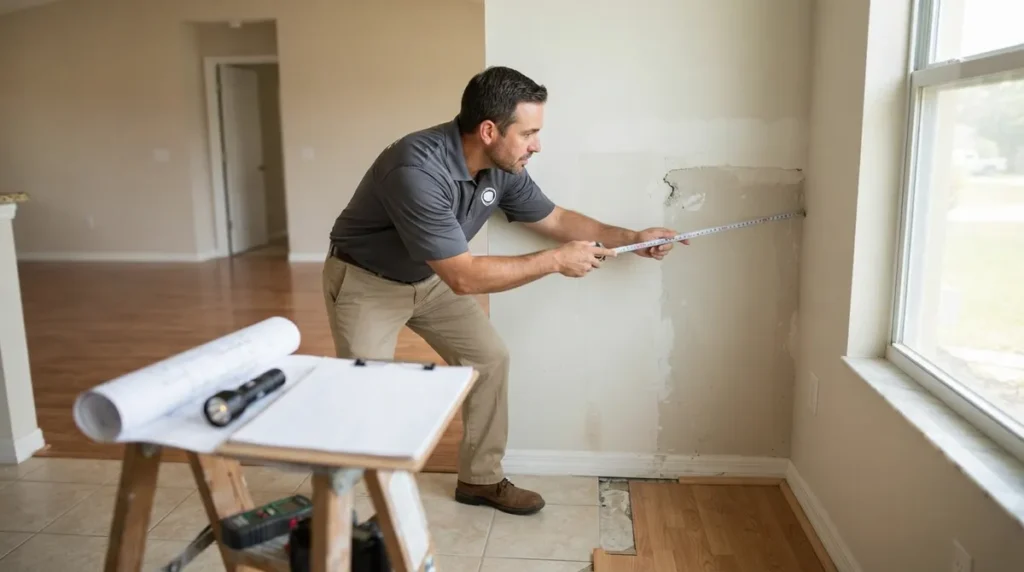
Key Takeaways
-
Appraisals are not permit audits and don't automatically verify permit history, but appraisers can spot unpermitted additions through square footage mismatches, layout oddities, construction quality issues, and safety concerns during their normal inspection.
-
Unpermitted additions are typically excluded from recognized living area or valued significantly lower than permitted space, potentially resulting in lower appraisal values than expected even if the appraiser notices the work.
-
Florida lenders have final authority on whether to approve financing for homes with unpermitted additions; they may require permit documentation, repairs, or full resolution before closing, causing significant delays.
-
You can legalize unpermitted additions in Florida through after-the-fact permits, which may require as-built drawings, engineering documentation, inspections, and corrections to meet current code standards.
-
Proactively check your property's permit history with the local building department before listing, refinancing, or having an appraisal to avoid surprises and address issues on your timeline.
-
Sellers in Florida should disclose known unpermitted additions to buyers, as failing to disclose material defects can create legal liability under Florida's disclosure requirements.
You finished the sunroom years ago, or maybe you bought a home that came with a "bonus room" nobody mentioned. Now a buyer, a refinance, or a HELOC is on the table, and an appraiser is about to walk through your door. Your stomach does a little flip. Sound familiar?
Here is the honest answer to the question on every owner's mind: will an appraisal catch an unpermitted addition in Florida? Sometimes, yes. Sometimes, no. An appraisal is not a permit search or a code inspection, so discovery is never guaranteed. But the appraiser's eyes, tape measure, and county records can surface a mismatch faster than most people expect.
The good news is that you have more control here than you think. In this guide, we will walk through how appraisers actually spot unpermitted work, what happens to your value and financing if they do, and how to get ahead of the problem. Think of it as a friendly heads-up from a team that lives and breathes Florida permitting every day.
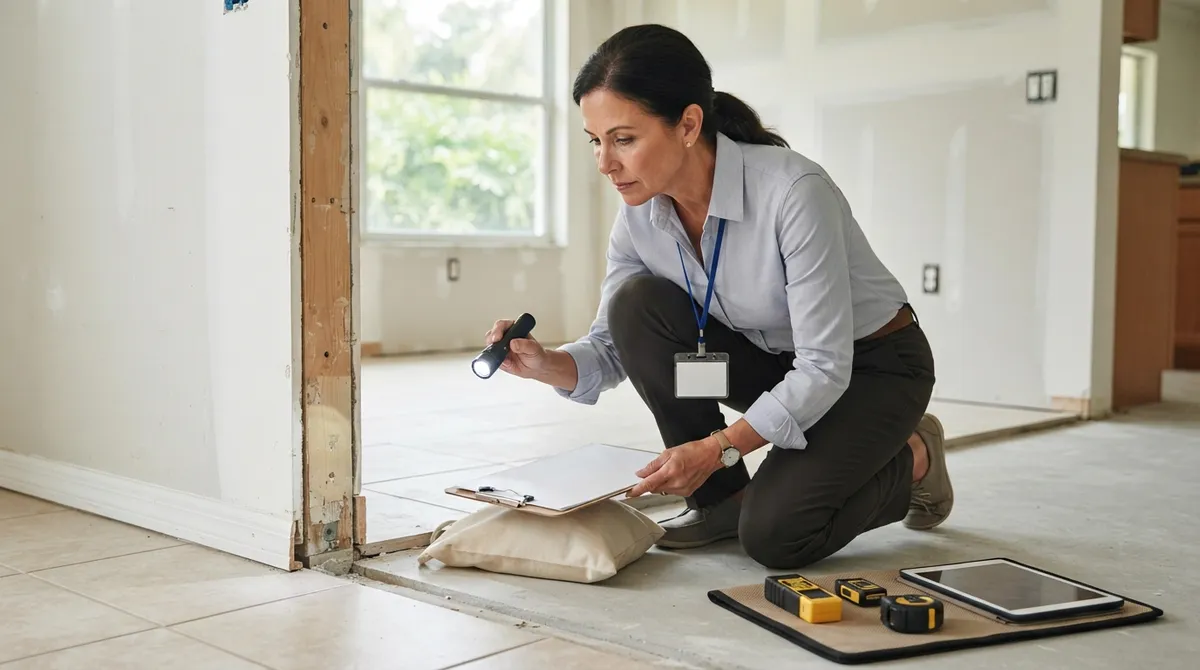
What an Appraisal Actually Is (and Is Not)
Let's clear up the biggest misunderstanding first. An appraisal is an opinion of value. It is not a building inspection, and it is not a permit audit.
Appraisers typically inspect and measure the property, compare its features to public records and comparable sales, and report relevant conditions to the client or lender. They are not code officials. They do not automatically pull your permit history from the local building department.
So when people ask whether an appraisal will catch an unpermitted addition in Florida, the real answer depends on what the appraiser notices and what the lender requires. There is no reliable statewide statistic on how often appraisers discover unpermitted additions, which tells you this is a case-by-case situation.
Appraisal vs. Permit Inspection at a Glance
| Feature | Appraisal | Building Department Inspection |
|---|---|---|
| Main purpose | Estimate market value | Verify code compliance |
| Who performs it | Licensed appraiser | Municipal or private provider inspector |
| Checks permit records? | Not required; varies | Yes, it is the core function |
| Looks at structure and safety? | Only what is visible and relevant | Yes, in detail |
| Result | Value opinion and condition notes | Pass, fail, or corrections needed |
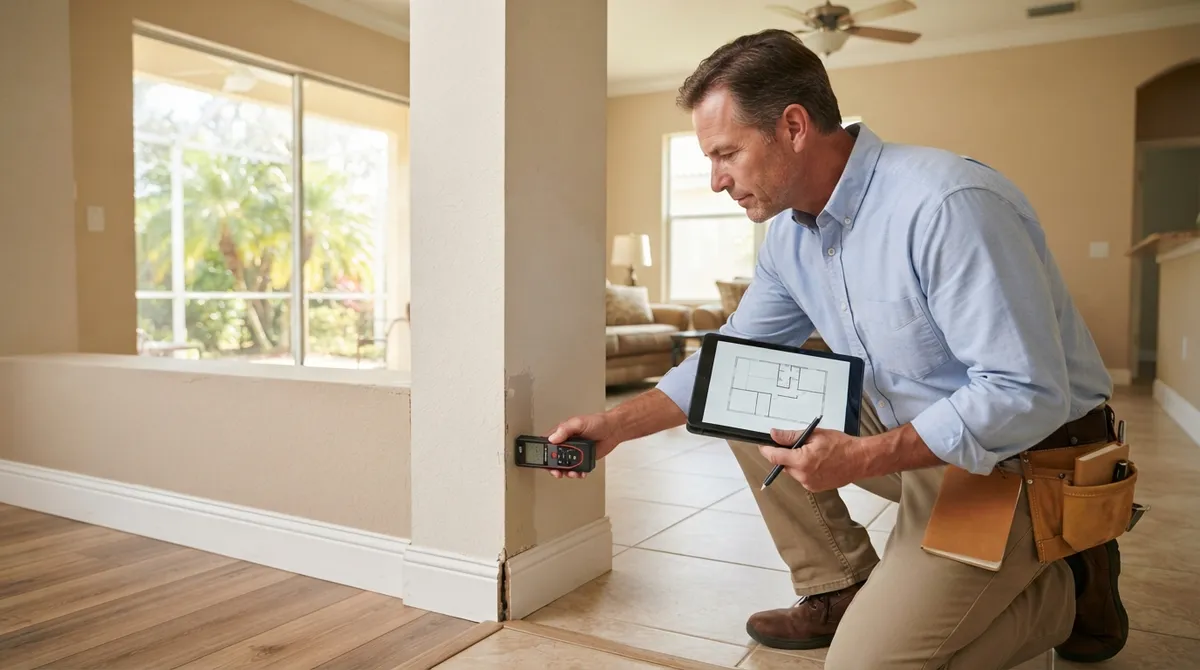
How an Appraiser Can Spot an Unpermitted Addition
Even though an appraisal is not a permit check, appraisers are trained observers. Several things can tip them off during a normal visit.
- Square footage mismatch. The appraiser measures the home and compares it to county property records. If you have 2,100 square feet on the ground but the record says 1,650, that gap invites questions.
- Layout oddities. A rear addition with a different roofline, a slab that sits at a different height, or a bedroom with no closet can all raise eyebrows.
- Construction quality. Mismatched siding, visible unfinished work, or sloppy transitions suggest work that may not have been inspected.
- Safety concerns. Exposed wiring, missing handrails, or structural cracking near the addition are hard to ignore.
- Comparable sales data. If similar homes nearby list fewer bedrooms or less living area, the appraiser may wonder why yours is different.
Notice that none of these require a permit search. The appraiser simply sees something that does not add up. If you want to know where your own records stand before anyone else looks, you can try the open permit search tool and the building department lookup to find the right office for your address.
What Happens If the Appraiser Finds an Unpermitted Addition
Once an appraiser identifies an addition without the required permit, there are rules about how it gets reported. Fannie Mae guidance says the appraisal must comment on the work's quality and appearance and its impact, if any, on market value. That is a reporting requirement, not a promise that every appraisal will independently verify permit status.
How the addition is treated depends on the assignment, the lender's requirements, local market evidence, and the apparent utility and condition of the work. In practice, that can look like this:
- The unpermitted area is described separately in the report.
- The space is excluded from recognized gross living area.
- The space is valued at a lower rate than permitted living area, or given little or no value.
- The appraiser flags the issue for the lender to review.
The key takeaway is that unpermitted area should never be assumed to receive the same valuation as permitted living space. That can be a painful surprise if you were counting on those extra square feet to reach a target price.
Possible Appraisal Outcomes for Unpermitted Additions
| Scenario | Likely Appraisal Treatment | What It May Mean for You |
|---|---|---|
| Addition not noticed | No comment on permit status | Risk shifts to later stages, like a buyer's inspection or title review |
| Noticed, looks well built | Described separately; value may be limited | Value may come in lower than expected |
| Noticed, safety concerns | Flagged for lender review | Repairs or documentation may be requested |
| Noticed, lender strict | Condition added to loan approval | Permit resolution may be required before closing |
How Lenders React to Unpermitted Work
The appraisal is only one piece. The lender makes the final call. A lender may ask for permit documentation, further review, repairs, or resolution of safety and soundness concerns.
Whether a loan can move forward depends on the loan program and the lender. An appraisal alone does not determine permit legality, and it does not guarantee financing. Some deals sail through. Others stall until the permit situation is cleaned up.
If you are a real estate professional or investor, this is where closings get delayed. We have seen it often enough that we wrote about it in what to do when an appraisal finds an unpermitted addition in Florida and how to fix a Florida closing held up by unpermitted work. Our realtor and closing support exists for exactly these moments.
Why Permits Matter in Florida in the First Place
Florida Statutes § 553.79 generally requires building permits for covered construction and alterations, subject to statutory exceptions. The local building department administers permits and inspections, so the details vary by city and county.
That means a room added in one county may face different documentation expectations than the same room in another. If you want a deeper look at the consequences, our guide on the penalty for building without a permit in Florida breaks it down in plain English.
How to Find Out Your Property's Permit Status: Step by Step
Do not wait for an appraiser to discover a problem for you. Checking your own permit history is one of the smartest moves you can make before a sale, refinance, or renovation loan.
- Identify your jurisdiction. Near city lines, the office that controls your property is not always the one you assume. Confirm whether the city or the county handles your address.
- Pull the permit history. Search the local building department's online portal or request records directly. Look for permits, inspections, and final sign-offs on any addition.
- Compare records to reality. Check the county property appraiser's listed square footage and room count against what actually exists in your home.
- Look for open or expired permits. A permit that was pulled but never closed can cause the same headaches as no permit at all.
- Note what is missing. List every addition, enclosure, or conversion with no matching permit and final inspection.
If you find gaps, you are in good company. Plenty of Florida homes have unpermitted improvements from previous owners. Our article on what to do if a prior owner skipped permits is a helpful read if that is your situation.
How to Legalize an Unpermitted Addition in Florida
Here is the reassuring part: you can often fix this. Florida owners can ask the local building department about an after-the-fact permit. It is not automatic, but it is a real and common path.
Depending on the jurisdiction and the work, the building department may require:
- Plans or as-built drawings of what exists
- Engineering documentation, such as a sealed engineer letter
- Inspections, including exposing concealed work like framing or wiring
- Corrections to bring the work into compliance
- Additional fees
- Removal, if the work cannot be brought into compliance
That last point is why an honest evaluation up front matters. Some additions sail through with minor corrections. Others need real structural or electrical fixes. You can read more about the process in our guides on how to legalize unpermitted work in Florida and how to get an after-the-fact permit in Florida.
What Each Stage of the Process Looks Like
- Assessment. Review the addition, the records, and the jurisdiction's rules to map a realistic path.
- Documentation. Prepare as-built drawings and, where needed, engineer letters that show what was built and whether it meets code.
- Filing. Submit the application to the correct building department and respond to reviewer comments.
- Inspection and corrections. Schedule inspections, fix anything flagged, and resubmit if needed.
- Closeout. Obtain final approval so the addition is part of the official record.
This is precisely the kind of work our after-the-fact and expired permits team handles, and because our drafting and engineering are in house, a reviewer comment does not turn into a week of waiting on an outside consultant.
If You Are Selling: Do Not Rely on the Appraisal to Sort It Out
This is worth saying plainly. An appraisal will not uncover every issue, and it will not resolve any of them. Hoping the appraiser misses your addition is a risky strategy.
Florida's Johnson v. Davis disclosure rule generally requires sellers to disclose known facts that materially affect value and are not readily observable. An unpermitted addition can fall into that category. Because disclosure obligations are specific to each situation, it is wise to talk with a Florida real estate attorney or licensed professional about yours.
Whether you disclose, fix before listing, or negotiate with the buyer, going in with a plan beats being surprised at the closing table. Our post on what disclosures are required for unpermitted work in Florida covers the topic in more depth, and fix before closing vs. close as-is can help you weigh your options.
Quick Tips for Different Readers
- Homeowners: Pull your permit history before listing or refinancing. Surprises are cheaper to solve early.
- Real estate agents and investors: Check permits during due diligence, not after the appraisal comes back. It protects your timeline and your client.
- General contractors: If a client's addition was never permitted, be upfront about the after-the-fact route. Our general contractor services can take the paperwork off your plate.
- Design professionals: Outsourced drafting and engineering can keep your projects moving without adding in-house staff.
Get Help Before the Appraiser Arrives
So, will an appraisal catch an unpermitted addition in Florida? It might. It is not designed to, but a mismatch in square footage, visible quality issues, or a cautious lender can bring it to light. The most reliable strategy is to know your permit status before anyone else does and fix what needs fixing.
At 1 Contractor Solutions, we act as Florida's outsourced permitting department across all 67 counties. We can tell you which jurisdiction controls your property, prepare the plans, work with our in-house engineers, and carry an after-the-fact permit through approval. Want to hear what other owners say? Visit us on Google — 1 Contractor Solutions to read reviews, or follow us on LinkedIn and follow us on Facebook for more Florida permitting tips.
If an appraisal or closing date is coming up fast, our urgent permit rescue team can help. Ready to get started? Get a free quote today, and we will respond within 30 minutes, day or night.
FAQs
Will a home appraiser check building permits in Florida?
Not necessarily. An appraisal is a value opinion, not a permit audit, so appraisers are not required to search local permit records. They may still notice red flags, like square footage that does not match county records, and report them to the lender.
Can an appraiser include an unpermitted addition in my home's square footage or value?
It depends on the appraiser, the lender, and local market evidence. Unpermitted area may be described separately or excluded from recognized living area, so please do not assume it will be valued like permitted space.
Will a mortgage lender approve a home with unpermitted work?
Sometimes, but it varies by lender and loan program. A lender may ask for permit documentation, repairs, or a resolution of safety concerns before moving forward, so it helps to sort out the permit side early.
Can I get an after-the-fact permit for an addition in Florida?
Often, yes. You can ask your local building department about its after-the-fact process, which may require plans, engineering, inspections, corrections, and added fees. Approval is not automatic, and work that cannot be brought into compliance may need to be removed.
How do I check permit history for a Florida property?
Start by confirming which city or county controls your address, then search that building department's permit records or request them directly. Compare what you find to the actual home so you can spot any missing permits or open inspections.
We do this work every day across all 67 Florida counties. Call (866) 314-6931 and we will tell you what your situation actually requires — including when you do not need us.
Related services
Permit Facilitation & Filing
You have a crew scheduled, a client asking for dates, and a permit sitting somewhere in a queue you cannot see. We file it, w…
See the servicePlan Review Coordination
A permit in plan review is not one queue. On a commercial project it can be six queues, each with its own reviewer, its own c…
See the serviceReady to get your permit moving?
One call tells you which jurisdiction controls your project, what it will take, and what it will cost. Most of the time we can scope it on the phone.