
Blog
How to Get a Mold Assessment for Permit in Bradenton
Learn how a mold assessment for permit in Bradenton fits with repair permits, Florida licensing rules, and your next steps in 2026.
Key Takeaways
-
A mold assessment is not a building permit; it evaluates mold and moisture, while permits cover the repair or rebuild work that follows, and the two come from different rules.
-
Florida licenses individual mold assessors and remediators through DBPR for work over 10 square feet, so verify the specific person's license and good standing before any work begins.
-
Florida generally bars an assessor or remediator from working on the same property within 12 months of the other's work, so use separate companies to avoid a conflict of interest.
-
Fix the active moisture source and dry affected materials quickly before anything else, since mold keeps returning while water is still getting in.
-
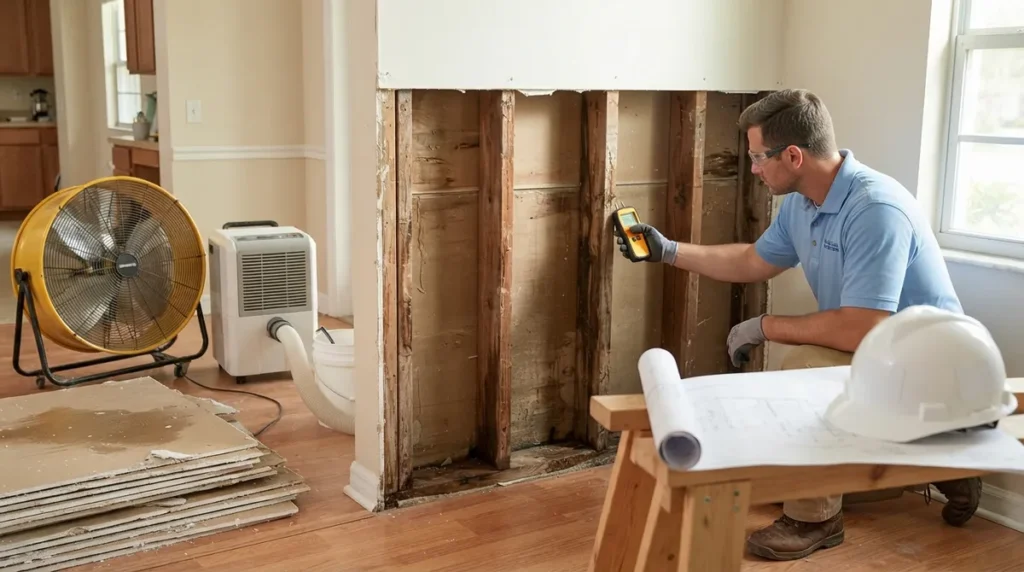
Under Bradenton's post-storm guidance, removing wet materials is generally permit-free, but replacing most materials and wiring typically requires a permit; always confirm the current rules first.
-
Confirm whether your property is in City of Bradenton limits or unincorporated Manatee County, since the permitting authority differs and calling the wrong office can waste weeks.
Finding mold after a leak or storm is stressful enough without a pile of paperwork on top of it. If you are searching for a mold assessment for permit in Bradenton, you are probably wondering one thing: do I need this report to get my repairs approved? Take a breath. You are not alone, and the answer is easier to sort out than you might think.
Here is the short version. A mold assessment is a professional evaluation of mold and moisture conditions. A building permit covers the repair or rebuild work that comes afterward. They are two separate steps, and the rules for each come from different places. In this guide, we will walk through how both pieces fit together, who does what, and how to keep your project moving without surprises.
Whether you are a homeowner, a contractor, a realtor, or a trade professional, you will find a clear, friendly roadmap below. And since we are talking about 2026 requirements, we will point out where you should double-check with the local building department before you start work.
What a Mold Assessment Is (and What It Is Not)
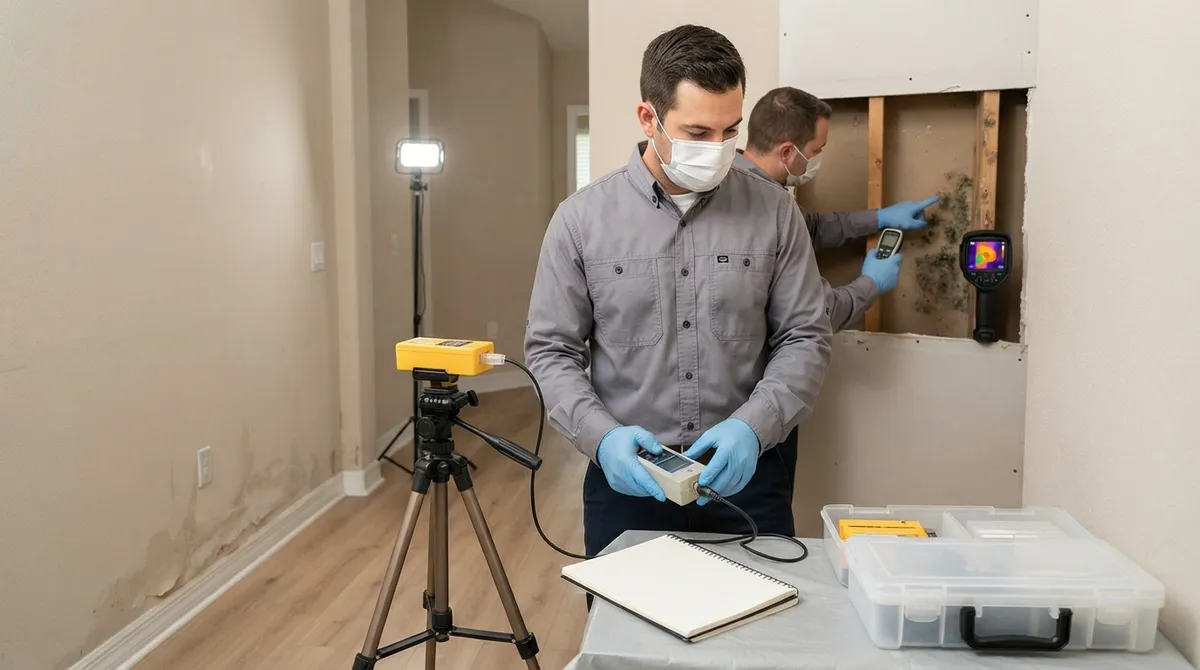
A mold assessment is an inspection and evaluation. A licensed assessor looks for the likely source, location, and extent of mold growth. Think of the assessor as a detective. Their job is to figure out what is going on and why, not to scrub anything away.
Mold remediation is the follow-up work. That means removing or treating mold-contaminated materials. Florida treats these as different jobs, and it keeps them separate on purpose.
Here is the part that surprises many people: a mold assessment is not a building permit. It does not authorize construction. Likewise, a mold report does not replace structural, electrical, plumbing, or building-code inspections. It is one useful document in a larger repair story.
Why people link the two
The confusion is understandable. Mold usually shows up because of water damage, and water damage often means drywall, flooring, insulation, or wiring needs replacing. That repair work is what triggers permit questions. So the assessment and the permit often travel together, even though they are not the same thing.
Do You Need a Mold Assessment to Get a Permit in Bradenton?
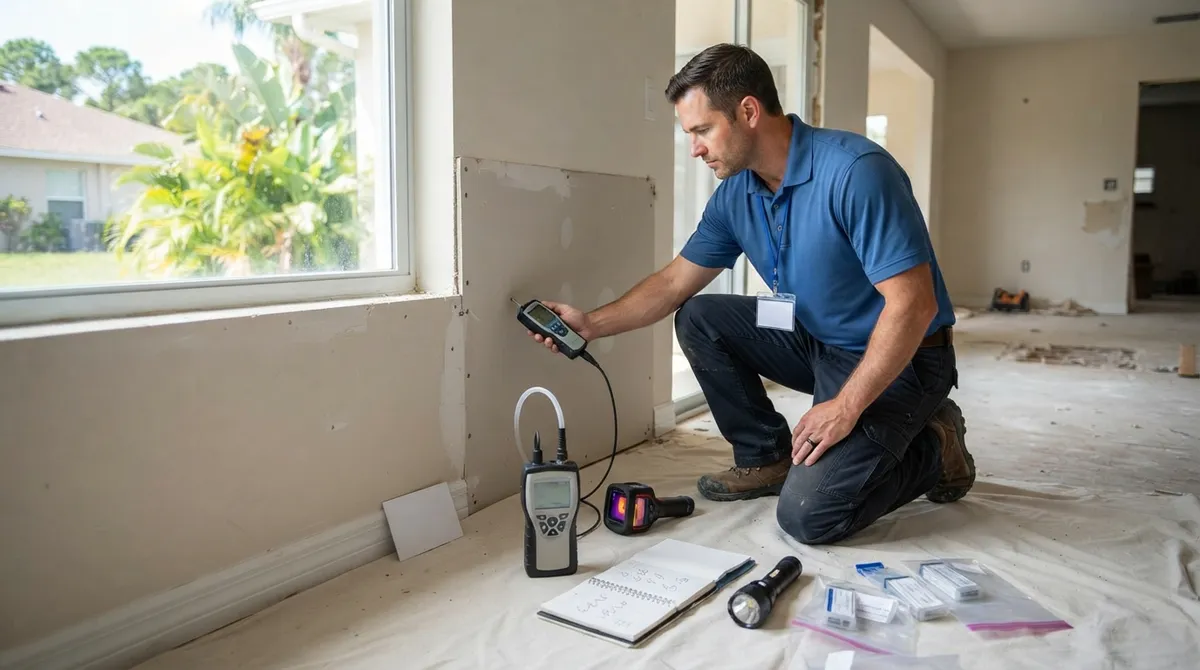
In general, a mold assessment is not a prerequisite for pulling a building permit. Permits are tied to the repair or replacement work, not to the mold evaluation itself. That said, there are good reasons to get an assessment early:
- It documents the moisture source so you fix the cause, not just the symptom.
- It defines the affected areas, which helps your contractor scope the work.
- It can support insurance conversations and real estate disclosures.
- It gives you a baseline before and after remediation.
Because local guidance changes, always confirm current requirements directly with the permitting authority for your property. We will cover how to figure out which one that is in a moment.
Step-by-Step: How to Handle Mold, Repairs, and Permits in Bradenton
Here is a simple order of operations that works for most situations.
- Stop the water. Fix the leak or address the storm intrusion first. Mold keeps coming back if the moisture source is still active.
- Dry affected materials promptly. Speed matters. The sooner materials are dried, the less mold has a chance to take hold.
- Decide if you need a licensed assessor. If mold contamination covers more than 10 square feet, Florida's licensing framework applies to the assessment and remediation work.
- Hire and verify the right professionals. Check licenses through the state before you sign anything.
- Get the assessment report. Review the findings, sampling details, and recommended next steps.
- Confirm permit needs for the repairs. Contact the correct building department about what the rebuild requires.
- Pull permits before regulated work begins. Do not wait until the drywall is already up.
- Complete inspections and close out the permit. Keep your paperwork together for insurance and future buyers.
Florida's Rules for Mold Assessors and Remediators
Florida regulates individual mold assessors and remediators through the Department of Business and Professional Regulation (DBPR). The framework lives in Chapter 468, Part XVI of the Florida Statutes and Florida Administrative Code Rule 61-31. In plain terms, the state wants qualified people doing this work.
The 10-square-foot threshold
Florida's licensing requirements apply to mold-related work involving more than 10 square feet of mold contamination. The definitions and DBPR examination descriptions use that number to distinguish regulated assessment and remediation work.
One important caution: that threshold is not a free pass. Even small jobs can still involve building, safety, or other applicable requirements. Do not treat 10 square feet as a general exemption from permits or code rules.
The 12-month separation rule
Here is a consumer protection that is worth knowing. Florida law generally prohibits a mold assessor, or the assessor's company, from performing remediation at a property they assessed during the prior 12 months. The reverse is also restricted: a remediator or their company generally cannot assess a property they remediated during the prior 12 months. There are statutory exceptions, so ask about them if your situation is unusual.
The goal is to prevent a conflict of interest. The person telling you how much mold you have should not be the person profiting from removing it.
Insurance requirements
DBPR's FAQ states that mold assessors must maintain general liability and errors-and-omissions insurance of at least $1,000,000 for preliminary and post-remediation assessment coverage. It never hurts to ask for proof of coverage before work starts.
How to Verify a Mold Assessor's License
Verifying a license takes only a few minutes, and it is one of the smartest things you can do. Here is how:
- Ask the assessor for their full name and license number.
- Look up the individual through the DBPR license search on the state's website.
- Confirm the license is current and in good standing.
- Ask whether the company also performs remediation, and discuss the 12-month separation rule.
- Request a written scope that explains what the assessment will include.
Remember, Florida licenses individuals, not just companies. So confirm the person who will actually be on your property.
Is Mold Testing Always Necessary?
Not automatically. A good assessment report documents observed conditions, suspected moisture sources, affected areas, any sampling or testing performed and its limitations, and recommended next steps. Sampling is not required in every case.
Before you agree to lab work, ask your assessor a few friendly questions:
- Why is sampling recommended for this specific situation?
- What will the lab results actually tell us?
- What are the limitations of the testing?
- What will the report include?
A thoughtful assessor will welcome these questions. If someone pushes testing without explaining why, that is worth a second opinion.
Permits After Water Damage in Bradenton
This is where the real permitting questions live. The City of Bradenton's post-storm FAQ offers helpful guidance, though it is specific to post-storm situations. According to that guidance, permits are generally not required for the removal of wet materials in the circumstances described. Permits are required for replacing most materials.
Here is a quick snapshot of how that guidance breaks down:
| Work Type | Typical Permit Outlook | Notes |
|---|---|---|
| Removing wet materials | Generally not required in the described circumstances | Confirm current rules before you start |
| Replacing most materials | Permit required | Scope determines the permit type |
| Wiring replacement | Permit required | Specifically noted in the city's guidance |
| Drywall repairs | Generally an exception | Unless part of a fire-rated assembly |
| Mold assessment itself | Not a building permit | Separate from construction approvals |
Because this guidance is situation-specific and was written with storm recovery in mind, treat it as a starting point rather than the final word. Requirements can change, and your exact scope matters.
The substantial improvement wrinkle
The City of Bradenton's post-storm FAQ also describes a one-year look-back period for permit valuation when calculating substantial improvement. That is a flood and storm permitting consideration. It is not a mold-assessment rule, but it can matter if your repairs are extensive. If your project is large, ask the building department how valuation is calculated for your property.
City of Bradenton or Manatee County: Who Do You Call?
Bradenton addresses can be tricky. Some properties that feel like Bradenton are actually in unincorporated Manatee County, and the permitting authority changes depending on location. Getting this wrong can waste weeks.
Here is a simple way to find your answer:
- Check your property tax record or parcel information for the jurisdiction.
- Look at your utility and service provider details for clues.
- Call the City of Bradenton building department and ask whether your address falls within city limits.
- If it does not, contact Manatee County's permitting office.
Not sure which office controls your address? Our Bradenton permitting page and building department lookup tool can point you in the right direction. If you are also dealing with other post-damage permits, our guide to a water damage repair permit in Bradenton goes deeper on the rebuild side.
What Happens If You Skip a Permit?
It happens more than you would think. A homeowner dries out a room, a contractor replaces drywall and wiring, and nobody pulls a permit. Months later, a sale, an insurance claim, or a code notice brings it back up.
If that sounds familiar, there is good news: Florida has pathways to fix it. We have written several guides that can help, including 7 steps to legalize unpermitted work in Florida and after-the-fact permit requirements in Florida. If a stop work order has landed on your door, see our stop work order help for Bradenton.
Better still, avoid the problem. Pull permits before regulated repair work begins. It is far easier than backing into compliance later.
Who Does What: A Quick Comparison
It helps to see the roles side by side. Here is how the key players typically fit together on a mold and water damage project:
| Professional | Main Role | Needs State License? | Pulls Building Permit? |
|---|---|---|---|
| Mold assessor | Evaluates source, location, and extent of mold | Yes, for work over 10 sq. ft. | No |
| Mold remediator | Removes or treats contaminated materials | Yes, for work over 10 sq. ft. | Not for the mold work itself |
| Licensed contractor | Rebuilds drywall, wiring, flooring, insulation | Yes, per trade | Yes, when the repair requires it |
| Permitting service | Prepares, files, and tracks permit applications | Varies by service | Coordinates filing |
Notice that the assessor and the permit filer are different people. That is by design, and it keeps everyone in their lane.
How a Permitting Partner Helps After the Assessment
Once your assessment is done and remediation is underway, the next hurdle is usually the rebuild permit. That is where a permitting partner earns their keep. 1 Contractor Solutions works as Florida's outsourced permitting department. We handle permit filing and tracking, plan review coordination, revisions and resubmittals, and sealed drawings from our in-house engineering team. If the rebuild touches structure or MEP systems, our environmental, asbestos, and mold support and permit facilitation and filing services can keep the paperwork moving.
Different readers get different benefits:
- General contractors: Hand off the filing and tracking so your crew stays on schedule.
- Realtors and investors: Get permitting research when mold or water damage surfaces during a sale. Our realtor and closing support is built for exactly that.
- Homeowners: Skip the guesswork about which office to call and what to submit.
- Design and trade professionals: Outsource drafting, structural, and MEP engineering without building a team.
If your repair involves structural or electrical work, you may also like our guides on MEP engineering for permits and who seals structural drawings for Florida permits. And if you are comparing nearby situations, see mold assessment vs. building permit in Sarasota.
Practical Tips to Keep Your Project on Track
A few friendly habits will save you time and money:
- Document everything. Take dated photos of the damage before, during, and after drying.
- Keep your reports organized. Store the assessment, remediation records, and permit paperwork in one folder.
- Ask before you build. A quick call to the building department beats a stop work order.
- Separate your hires. Remember the 12-month rule when choosing an assessor and a remediator.
- Stay current. Rules and local guidance change, so confirm requirements in 2026 rather than relying on old advice.
Want to see how other Florida owners have fared? You can visit our 1 Contractor Solutions location on Google to read reviews, and you can follow us on LinkedIn or follow us on Facebook for fresh permitting tips. Our website and local presence are supported by Brain Buzz Marketing.
Wrapping It All Up
Let us pull the threads together. A mold assessment for permit purposes in Bradenton is really two conversations. First, a licensed assessor evaluates the mold and moisture situation. Second, your repairs may need permits, depending on the work and whether you are in the City of Bradenton or Manatee County. The assessment does not authorize construction, and it does not replace building-code inspections.
Verify licenses through DBPR, keep the 12-month separation rule in mind, and confirm current permit requirements before regulated repairs begin. Do those things, and you will avoid most of the headaches that catch people off guard.
If you would rather hand the permit side to a team that does this every day, we would love to help. Ready for a clear plan and a steady hand? Get a free quote and let us take the paperwork off your plate so you can focus on getting your space safe and livable again.
FAQs
Do I need a mold assessment to get a building permit in Bradenton?
Generally, no. A mold assessment is not itself a building permit, and permits are tied to the repair or replacement work that follows. It is still a smart step because it documents the moisture source and affected areas, so confirm current requirements with the building department for your property.
When is a permit required to replace drywall, wiring, flooring, or insulation after water damage in Bradenton?
The City of Bradenton's post-storm FAQ says permits are generally not required for removing wet materials in the described circumstances, but they are required for replacing most materials. It specifically notes permits for wiring replacement and an exception for drywall repairs unless part of a fire-rated assembly, so always verify before you start.
How can I verify that a Florida mold assessor is licensed?
Ask for the individual's name and license number, then look them up through the DBPR license search. Florida licenses individual assessors and remediators, so confirm the actual person working on your property is current and in good standing.
Can the same company assess and remediate mold in Florida?
Generally not on the same property within 12 months. Florida law restricts an assessor or their company from remediating a property they assessed in the prior 12 months, and restricts a remediator from assessing a property they remediated, subject to statutory exceptions.
Should I contact the City of Bradenton or Manatee County about my permit?
It depends on where your property sits. Some Bradenton-area addresses fall within city limits while others are in unincorporated Manatee County, so confirm your jurisdiction with the building department before filing.
We do this work every day across all 67 Florida counties. Call (866) 314-6931 and we will tell you what your situation actually requires — including when you do not need us.
Related services
Permit Facilitation & Filing
You have a crew scheduled, a client asking for dates, and a permit sitting somewhere in a queue you cannot see. We file it, w…
See the servicePlan Review Coordination
A permit in plan review is not one queue. On a commercial project it can be six queues, each with its own reviewer, its own c…
See the serviceReady to get your permit moving?
One call tells you which jurisdiction controls your project, what it will take, and what it will cost. Most of the time we can scope it on the phone.