
Blog
13 Condo Structural Inspection Mistakes in Fort Lauderdale
Avoid 13 costly condo structural inspection mistakes in Fort Lauderdale, from missed deadlines to permit delays, with friendly 2026 guidance.
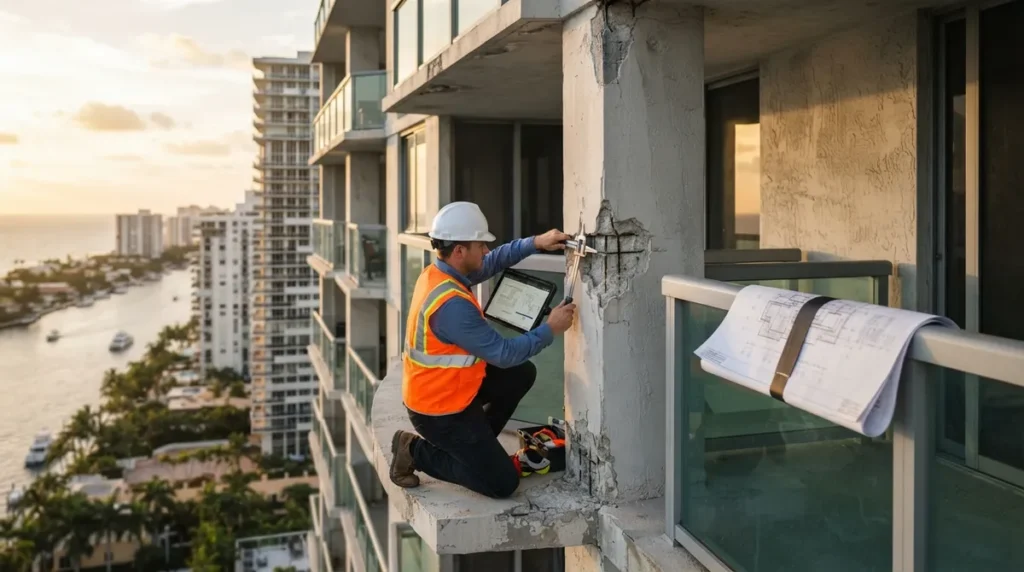
Key Takeaways
-
Local agencies may require the first milestone inspection at 25 years for coastal buildings, so don't assume the standard 30-year deadline applies to your Fort Lauderdale condo without checking.
-
Phase one must be completed within 180 days of the owner receiving the local agency's notice, and owners must be notified within 14 days, so calendar these deadlines the day notice arrives.
-
The inspection report does not authorize construction; recommended repairs typically need sealed engineered plans, permits, and inspections before work can begin.
-
If a phase-two report finds substantial structural deterioration, repairs must be commenced within 365 days of receiving the report, or the local agency must assess whether the building is unsafe for occupancy.
-
The milestone inspection must be performed by a Florida-licensed architect or engineer; a general home inspector does not meet this requirement, so verify licensure before signing.
-
The milestone inspection and the SIRS are separate documents with different purposes, though DBPR allows an association required to complete a milestone inspection by December 31, 2026 to complete both at the same time.
Picture this: your Fort Lauderdale condo board opens a letter from the building department, and suddenly everyone is asking the same question. When is our structural inspection due, who do we hire, and what happens if the report finds problems? If your stomach just did a little flip, you are in good company. A condo structural inspection in Fort Lauderdale is one of the most important, and most misunderstood, tasks a coastal association faces in 2026.
The good news is that most expensive headaches come from a short list of avoidable mistakes. Boards wait too long, mix up the inspection with a reserve study, or assume the report itself lets repairs begin. In this friendly guide, we walk through 13 common missteps and how to dodge them, with a special focus on the permitting side that so many people overlook.
Whether you are a board member, a property manager, a contractor bidding on repairs, or a unit owner trying to understand what is going on, you will find plain-English answers here. A quick note: this article is general information, not legal or engineering advice. Always confirm requirements with your local building official and a Florida-licensed professional.
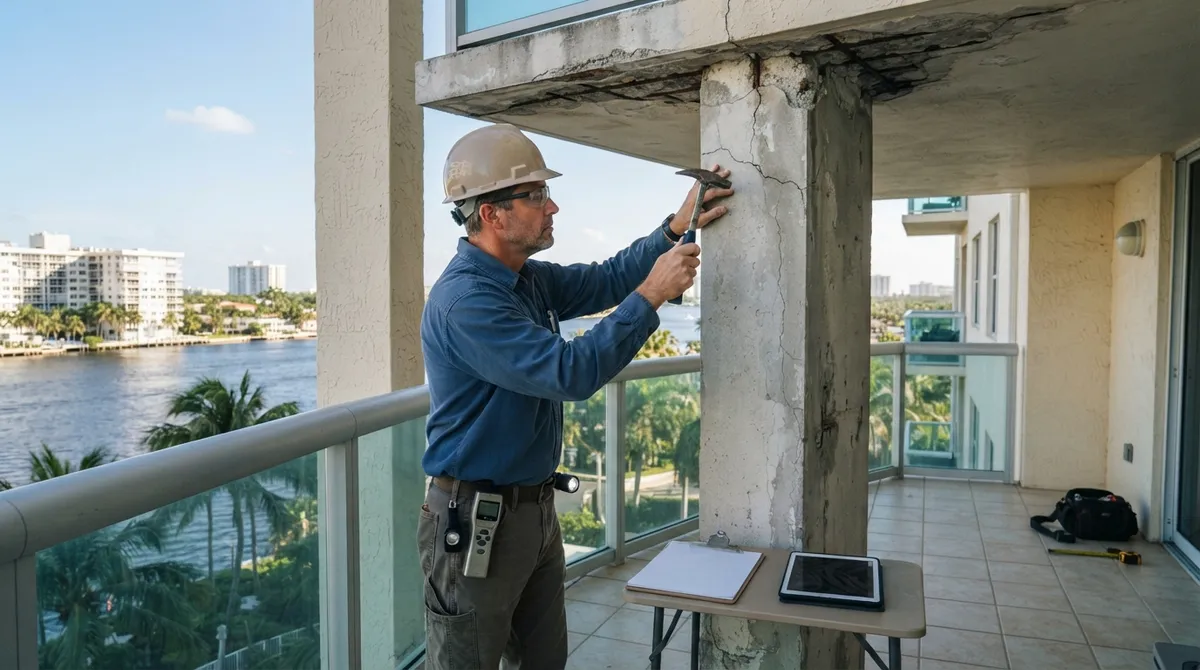
What a Condo Structural Inspection Actually Means in Florida
In Florida, a condo structural inspection usually refers to a milestone inspection under Florida Statute 553.899. It is a structural-safety assessment performed by a Florida-licensed architect or engineer. It is not a home inspection, not a general code-compliance review, and not the same thing as a structural integrity reserve study (SIRS).
The statewide requirement generally applies to condominium and cooperative buildings that are at least three habitable stories tall. The initial inspection is due by December 31 of the year the building reaches 30 years from its certificate-of-occupancy date, and every 10 years after that.
Here is the catch for coastal South Florida: a local enforcement agency may require the first inspection at 25 years because of local conditions, including proximity to salt water. Fort Lauderdale sits right in that conversation, so never assume the 30-year number applies to your building without checking.
| Item | Milestone Inspection | SIRS |
|---|---|---|
| Main purpose | Evaluate structural condition and safety | Plan reserve funding for specified components |
| Performed by | Florida-licensed architect or engineer | Qualified professional per statute |
| Typical trigger | Building age and local notice | Statutory schedule for associations |
| Leads to permits? | Possibly, if repairs are recommended | No, it is a funding study |
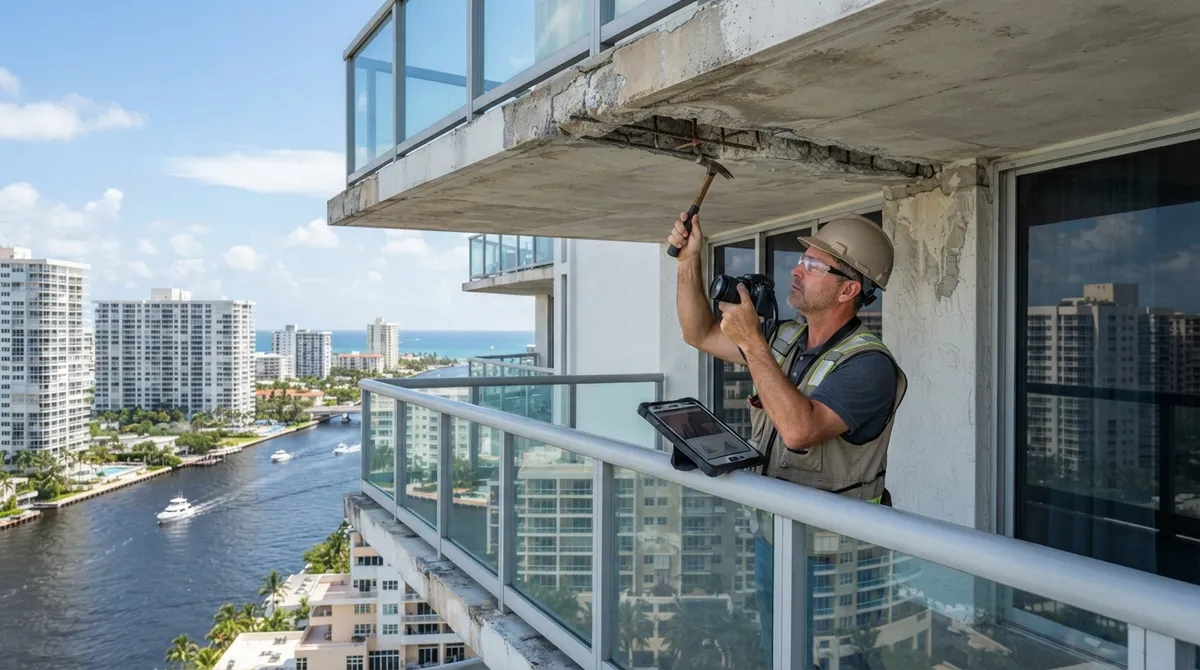
13 Condo Structural Inspection Mistakes to Avoid
Let us go through them one at a time. Think of this as a friendly checklist from someone who wants your project to go smoothly.
1. Assuming the 30-Year Rule Applies Without Checking
Because a local agency may use a 25-year trigger near salt water, the age you remember from a news article may be wrong for your building. Ask the City of Fort Lauderdale or the relevant local building authority what applies to your property and what your building-specific deadline is.
2. Waiting for the Last Minute
Phase one must be completed within 180 days after the owner receives the local agency's written notice. That sounds generous until you factor in gathering records, vetting engineers, and scheduling access. Start early so you are not scrambling.
3. Confusing the Inspection With a Reserve Study
The milestone inspection checks structural condition. The SIRS checks reserve funding. DBPR notes that an association required to complete a milestone inspection by December 31, 2026, may complete its SIRS at the same time. Doing them together can save effort, but they remain separate documents with separate purposes.
4. Hiring Someone Who Is Not Qualified
The inspection must be arranged by the association and performed by a Florida-licensed architect or engineer. A general home inspector, even a great one, does not meet this requirement. Verify the license before signing anything. If you need help finding the right professional, our guide on how to find who can perform a milestone inspection in FL is a useful starting point.
5. Skipping the Records Before the Inspector Arrives
Original plans, past repair permits, prior inspection reports, and certificate-of-occupancy dates all help the inspector work efficiently and accurately. Missing records can slow everything down and make deadlines harder to pin down.
6. Not Understanding Phase One Versus Phase Two
Phase one is a visual examination of habitable and nonhabitable areas and major structural components. If it finds no substantial structural deterioration, phase two is not required. If it does, phase two may include destructive or nondestructive testing. Boards that expect only a quick walkthrough are sometimes surprised by phase two, so budget and plan for the possibility. We break this down further in Phase 1 vs. Phase 2 Milestone Inspection in Florida (2026).
7. Missing the Owner Notification Deadlines
Associations must notify unit owners within 14 days after receiving the local agency's written notice that an inspection is required. After the report arrives, the inspector-prepared summary must be distributed to owners within 45 days, posted conspicuously on the property, and published on the association website if one is required. Put these dates on a calendar the day the notice arrives.
| Step | Deadline |
|---|---|
| Notify unit owners an inspection is required | Within 14 days of the local agency's notice |
| Complete phase one | Within 180 days of the owner receiving notice |
| Distribute the summary to owners | Within 45 days of receiving the report |
| Commence repairs after a phase-two finding of substantial deterioration | Within 365 days of receiving the report |
8. Treating the Report as a Green Light for Construction
This is the big one for our industry. The inspection report does not authorize construction. If it recommends repairs, that work typically needs engineering, plans, permits, and inspections of its own. Confirm permit requirements, submittal documents, and review procedures with the City of Fort Lauderdale or the relevant local jurisdiction before anyone picks up a tool.
9. Ignoring the 365-Day Repair Clock
When a phase-two report identifies substantial structural deterioration, state law requires repairs to be commenced within 365 days after the report is received, subject to local ordinance timelines. If proof that repairs have been scheduled or commenced is not submitted as required, the local agency must assess whether the building is unsafe for occupancy. That is a serious consequence, so do not let permitting delays eat your window.
It also helps to know what is at stake if a deadline slips. Our article on what happens if a Florida condo misses its milestone deadline explains the risks in plain terms.
10. Hiring Repair Contractors Before the Permit Path Is Clear
Bids are great, but a contractor cannot responsibly promise a start date until the plans, engineering, and permit route are mapped out. Repairs identified in a milestone report often need sealed drawings and plan review coordination. Lining up that paperwork early keeps crews from sitting idle while the permit is stuck in review.
11. Forgetting Who Seals the Drawings
Structural repair plans generally require the seal of a Florida-licensed professional. If you are not sure who is allowed to sign off on what, read who seals structural drawings for Florida permits before you commit to a vendor.
12. Overlooking Open or Unpermitted Work
Inspections sometimes uncover past repairs or alterations that were never permitted, or permits that were never closed. Those can complicate the repair process, so it helps to know the options early. If this sounds familiar, take a look at 5 steps for a condo after-the-fact remodel in Florida and our overview of after-the-fact permit requirements in Florida.
13. Going It Alone on Permitting
Even well-run associations can lose weeks to incomplete submittals, reviewer comments, and resubmittals. A dedicated permitting partner who knows the local process can keep things moving, which brings us to the next section.
How the Permitting Side Fits In
Think of the inspection as the diagnosis and the repair permit as the prescription. The report tells you what is wrong, but you still need approved plans before the fix can begin. For many Fort Lauderdale associations, that second step is where timelines get tight.
A typical path from report to repair looks like this:
- Receive the sealed milestone report and the inspector's summary.
- Distribute the summary to unit owners and post it as required.
- Identify which recommended repairs need engineered plans and permits.
- Have drawings prepared and sealed by a Florida-licensed professional.
- File the permit application with the appropriate local building department.
- Respond to reviewer comments and resubmit as needed.
- Pass inspections and close out the permit.
This is the part of the process where 1 Contractor Solutions lives every day. Our team handles permit filing, tracking, plan review coordination, and revisions, backed by in-house drafting and engineering with our own engineer signing and sealing the work. You can read more about our 40-year recertification and milestone inspection support and our structural engineering services.
Who Benefits From Knowing This
A condo structural inspection touches more people than the board. Here is how it lands for different readers:
- Board members and property managers: You own the deadlines, the notices, and the vendor choices. Clear timelines protect residents and the association.
- General contractors: Repair scopes need permit-ready plans before work starts. Knowing the process helps you set honest schedules.
- Real estate professionals: Buyers and investors increasingly ask about inspection status and reserves. Understanding the basics helps you guide them.
- Unit owners: You have a right to see the summary and understand what repairs are coming.
- Architects, engineers, and trades: Outsourced drafting, MEP, and permit administration can keep your capacity free for design and field work.
Quick Tips for a Smoother Fort Lauderdale Inspection
A few small habits make a big difference:
- Confirm your building's age trigger and deadline directly with the local enforcement agency.
- Gather plans, prior reports, and permit history before the inspector shows up.
- Calendar the 14-day, 45-day, 180-day, and 365-day marks the moment a notice arrives.
- Ask candidates for proof of Florida licensure and relevant condo experience.
- Plan the permitting path in parallel with the inspection, not after it.
- Keep owners informed with plain-language updates, not just legal notices.
Where to Check Your Building's Status
One of the most common questions we hear is, how can I find out whether my condo's report or repair permits have been filed? Start with the local building department's records for your property address, and ask your association or management company for copies of notices received. Our free open permit search tool can also help you look at permit history, which is handy when you suspect an old permit was never closed.
We also love hearing how our neighbors feel about their experience, so feel free to see what our 1 Contractor Solutions customers say on Google. And if you like practical Florida permitting tips, you can follow us on LinkedIn or follow us on Facebook. Our website and local presence are supported by the team at Brain Buzz Marketing.
Final Thoughts: Start Early, Stay Calm
A condo structural inspection in Fort Lauderdale does not have to be a crisis. It is a safety checkup, and like any checkup, the best results come from preparation. Verify your deadline, hire a qualified Florida-licensed professional, keep owners informed, and map the permit path before repairs are ever needed.
If your association is staring down a milestone deadline or a stack of recommended repairs, we would love to help you turn the report into approved, permit-ready plans without the runaround. Reach out and get a free quote from a team that answers day or night and treats your timeline like it is our own.
FAQs
Does my Fort Lauderdale condo need a milestone inspection?
Most likely, if your building is three or more habitable stories and is reaching the age trigger, which is generally 30 years from the certificate of occupancy, or 25 years if the local agency requires it for coastal conditions. Your exact deadline depends on building records and local notices, so check with the City of Fort Lauderdale or your local building official.
What is the difference between a milestone inspection and a SIRS?
Great question! The milestone inspection evaluates your building's structural condition and safety, while the SIRS studies how much you need to set aside in reserves for certain components. DBPR notes that associations required to complete a milestone inspection by December 31, 2026, may complete the SIRS at the same time.
What happens if the inspection finds structural deterioration?
If a phase-two report finds substantial structural deterioration, state law requires repairs to be commenced within 365 days of receiving the report, subject to local ordinance timelines. If proof of scheduled or started repairs is not submitted, the local agency must assess whether the building is unsafe for occupancy.
Do repairs recommended by a milestone inspection require building permits?
Often, yes. The report itself does not authorize construction, so repairs typically need engineered plans, permits, and inspections through the local building department. A permitting partner can prepare sealed drawings and handle filing so the 365-day window does not slip away.
Who is qualified to perform a Florida condo milestone inspection?
The association arranges the inspection, and it must be performed by a Florida-licensed architect or engineer. Always verify the license and ask about their experience with condominium structures before you hire.
We do this work every day across all 67 Florida counties. Call (866) 314-6931 and we will tell you what your situation actually requires — including when you do not need us.
Related services
Permit Facilitation & Filing
You have a crew scheduled, a client asking for dates, and a permit sitting somewhere in a queue you cannot see. We file it, w…
See the servicePlan Review Coordination
A permit in plan review is not one queue. On a commercial project it can be six queues, each with its own reviewer, its own c…
See the serviceReady to get your permit moving?
One call tells you which jurisdiction controls your project, what it will take, and what it will cost. Most of the time we can scope it on the phone.