
Blog
How Home Inspections Spot Unpermitted Work in Florida
A Florida home inspection spots visible red flags but doesn't verify permits. Learn how to check records and fix unpermitted work.
Key Takeaways
-
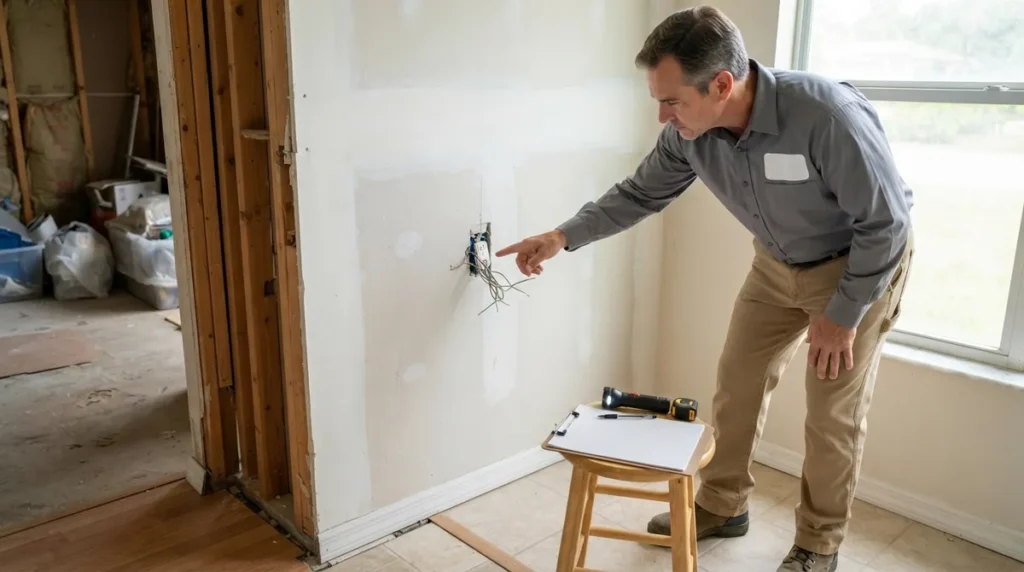
Home inspections visually identify red flags like inconsistent workmanship, garage conversions, altered wiring, and structural changes, but cannot confirm whether work was legally permitted or see concealed work behind walls.
-
Always verify permits by checking with the local city or county building department using the property address or parcel number, as this is the only reliable way to confirm permit status and final inspection completion.
-
Unpermitted work can delay closings, trigger lender and appraiser flags, complicate insurance claims, and pose safety risks, making permit verification critical during any real estate transaction.
-
Common unpermitted projects in Florida include room additions, garage conversions, roof replacements, electrical panel changes, and pool cages; time does not legalize unpermitted construction regardless of how long it has existed.
-
After-the-fact permits are often possible but not guaranteed; the building department decides the remedy, which may require as-built drawings, engineering letters, inspections, corrective work, and additional fees.
-
Buyers should request permit records early, compare listing descriptions against permit history, note inspection red flags, and use the due diligence period to identify and address unpermitted work before closing.
Picture this: you're days from closing on a Florida home you love. The inspection report looks clean, the appraisal is in, and the moving truck is practically booked. Then someone asks, "Was that garage conversion ever permitted?" Suddenly, everything slows down.
If you've wondered how does a home inspection find unpermitted work in Florida, here's the honest, friendly answer: it usually doesn't confirm it directly. A home inspector is trained to spot visible clues, such as odd wiring, mismatched finishes, or an addition that looks newer than the rest of the house. But a standard inspection does not look up permit records or tell you whether work was legally approved.
The good news? Once you know how inspectors find red flags and how permit research fills in the gaps, you can protect yourself, whether you're buying, selling, building, or just trying to sleep better at night. Let's walk through it together.
What a Florida Home Inspection Actually Does (and Doesn't Do)
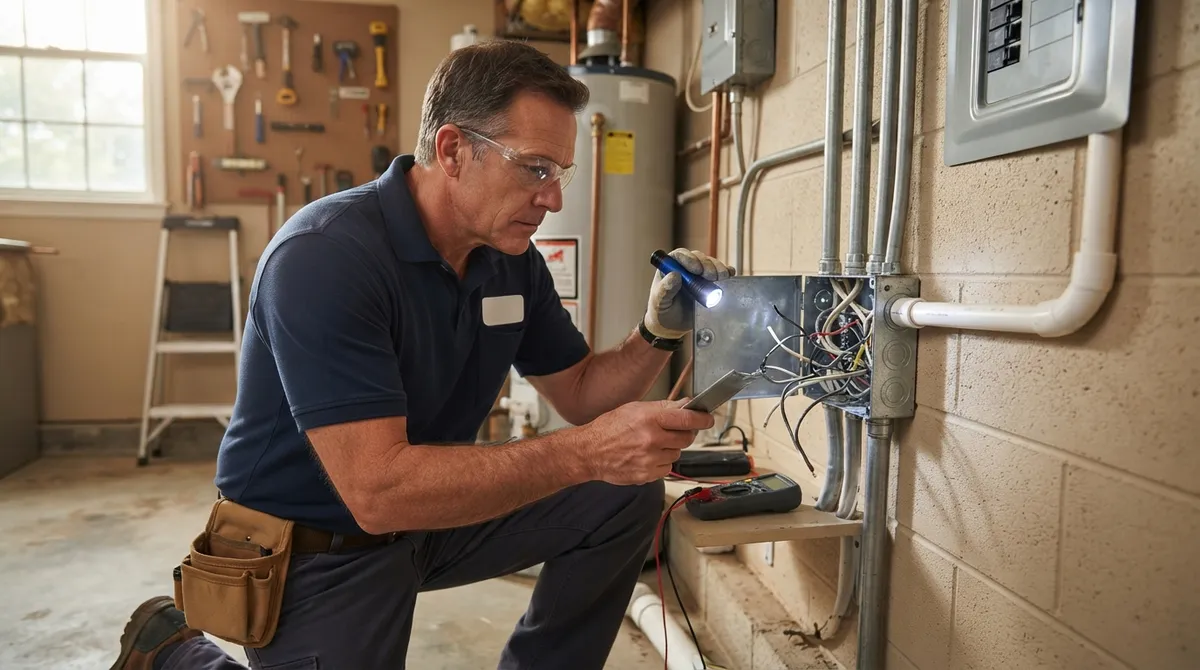
A general home inspection is a visual, non-invasive review of a home's accessible systems and structure. The inspector looks at the roof, electrical panel, plumbing, HVAC, windows, foundation, and more. They write up what they can see and what looks concerning.
What they typically do not do is verify permit history or confirm code compliance. Those are two different jobs. An inspection tells you about the home's condition today. Permit research tells you about its paperwork history.
Think of it like a medical checkup versus a records request. The doctor can tell you how you look right now, but your file tells you what treatments you've actually had. You need both for the full picture.
| Question | Home Inspection | Permit Records Review |
|---|---|---|
| Can it spot visible defects? | Yes | No |
| Does it confirm work was permitted? | Generally no | Yes |
| Does it check final inspection status? | No | Yes |
| Can it see behind walls? | No | Only through documentation |
| Is it a code-compliance inspection? | No | Not by itself |
How Does a Home Inspection Find Unpermitted Work in Florida? The Visual Clues
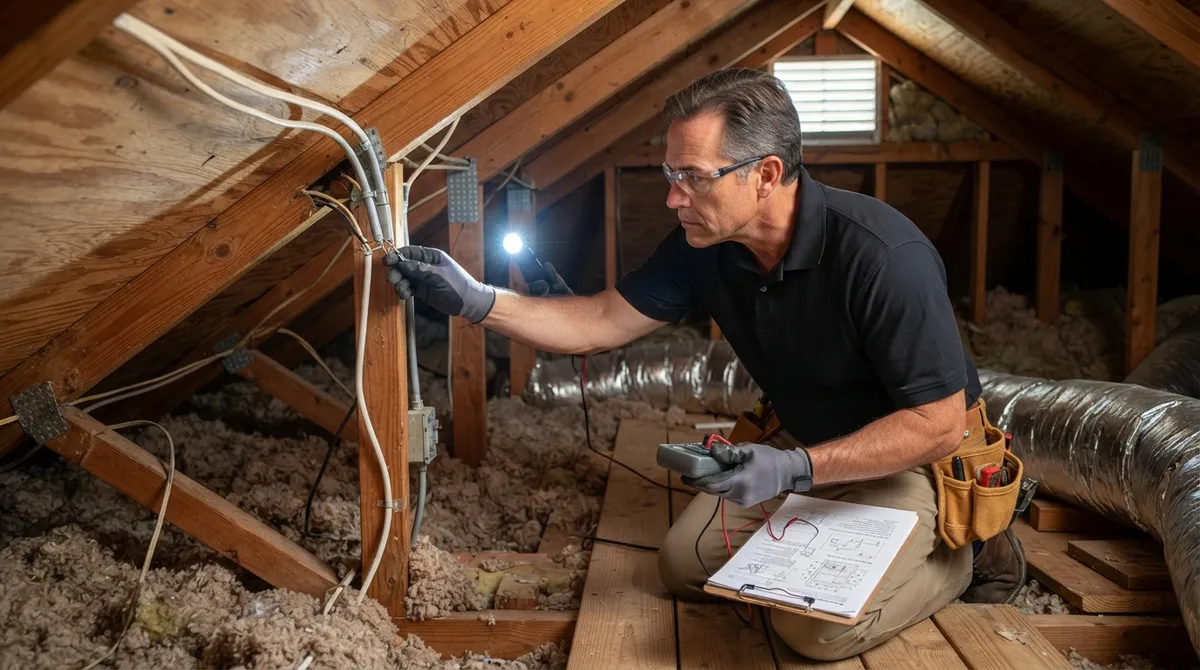
So how does a home inspection find unpermitted work in Florida if it doesn't pull permit files? Through observation. Experienced inspectors notice patterns that don't add up. Here are the most common red flags:
- Inconsistent workmanship: Trim, paint, or flooring quality changes abruptly from one area to another.
- Apparent room additions: A room that seems tacked on, with a different roofline, foundation type, or ceiling height.
- Garage conversions: A living space with a leftover garage door frame, sloped floor, or no proper egress.
- Altered or exposed wiring: Extension-cord-style runs, spliced wires, missing junction box covers, or extra outlets on one breaker.
- Panel mismatches: A newer electrical panel with older branch wiring, or a panel that's clearly been modified.
- Plumbing oddities: Bathrooms or laundry areas with improvised supply lines, drains, or venting.
- HVAC irregularities: Equipment that doesn't match the home's age, or ductwork that's been extended without balancing.
- Structural changes: Removed walls, notched joists, or missing support where a load-bearing wall once stood.
- Windows and doors: Newer units without the stickers or labeling you'd expect, or openings that don't match the original plans.
A red flag is a lead, not a verdict. Maybe the work was done under a permit that was never finaled. Maybe the permit was filed under a different address. Maybe the work was exempt. That's exactly why the next step matters.
What Home Inspectors Cannot See
Here's where honesty matters. Inspectors can't see through drywall, under finished floors, or inside sealed ceilings. If a previous owner ran new wiring behind a wall or reframed a roof section above a finished ceiling, a visual inspection may never reveal it.
That's one reason a clean inspection report isn't the same as clean paperwork. Concealed work is common in Florida, especially in older homes that have changed hands several times. A general inspection is also not a code-compliance inspection and can't replace permit-record research.
Why Florida Homes Are Especially Prone to This
Florida has a long history of owner-completed projects, storm-repair rushes, and fast flips. Pool cages, screened patios, enclosed lanais, converted garages, and roof replacements are all popular projects, and many were done without permits. If you're curious how this plays out for owners over time, our article on why unpermitted construction haunts Florida owners digs into the long-term consequences.
The Real Way to Verify Permits: Check the Building Department
If the inspection raises questions, the dependable move is to compare what you see in the home against what the local building department has on file. Permit records are typically maintained by the city or county that has jurisdiction over the property, and many Florida jurisdictions offer online search portals.
You can start with our building department lookup tool to figure out who controls your property, which isn't always obvious near city lines. Then try our open permit search to check for open or unresolved records.
A Simple Step-by-Step Permit Check
- Confirm the jurisdiction. Find out whether the property is governed by a city, a county, or both.
- Search by address. Use the street address and, if available, the parcel or folio number.
- Review the permit list. Look at descriptions, dates, contractors, and final status.
- Match permits to visible work. Compare each improvement you've noticed against the permit history.
- Check inspection history. An issued permit without a final inspection is a different problem than no permit at all.
- Ask the building department. If records look incomplete or confusing, call or visit and ask what's on file.
What Typically Needs a Permit in Florida?
Florida's permitting framework generally requires permits for construction, alteration, repair, or demolition covered by the Florida Building Code and local rules. Exemptions exist, and they vary by jurisdiction, so it's smart to confirm with your specific city or county rather than assume every repair requires a permit.
| Type of Work | Often Requires a Permit? | Common Hidden Risk |
|---|---|---|
| Room additions and enclosures | Yes | Structural, setback, and egress issues |
| Garage conversions | Yes | Egress, electrical, and energy code gaps |
| Roof replacement | Yes | Missing product approvals or final inspection |
| Windows and doors | Often | Missing impact or wind-load documentation |
| Electrical panel changes | Yes | Overloaded or improperly bonded systems |
| Plumbing and water heaters | Often | Improper venting or unpermitted rerouting |
| HVAC replacement | Yes | Wrong sizing or missing final |
| Pools, decks, and pool cages | Yes | Barrier, bonding, and structural issues |
If you're dealing with specific work types, we also have helpful guides on unpermitted roofs in Florida and unpermitted electrical work.
Why Unpermitted Work Matters at Sale, Closing, and Beyond
Unpermitted work isn't just a paperwork headache. It can ripple through several parts of homeownership:
- Closings: Open or missing permits can delay or derail a sale. We cover this in detail in our guide on open permits found at closing.
- Insurance: Claims tied to unpermitted or non-compliant work may be questioned or limited.
- Financing and appraisals: Lenders and appraisers may flag square footage or improvements that lack permit records.
- Safety: Work done without inspection may hide wiring, structural, or plumbing problems.
- Disclosure: Sellers have obligations around known material defects, and buyers deserve transparency.
If you're on the buying or selling side of a transaction, our realtor closing support is designed for exactly these moments. Real estate pros can also learn more about how we help on our page for realtors.
What Happens If Unpermitted Work Is Confirmed?
First, take a breath. Finding unpermitted work is common, and it's usually fixable. The local building department decides the remedy, and approval is never automatic. Depending on the work and the jurisdiction, the path may include:
- An after-the-fact permit application
- Drawings, as-built documentation, or engineering letters
- Inspections, sometimes requiring exposure of concealed work
- Corrective work to meet current code
- Additional fees or penalties
- In some cases, removal of noncompliant work
Don't rely on a contractor's verbal assurance or assume a previous owner's work was compliant just because it's been there for years. The record, not the rumor, is what counts. For a deeper roadmap, see our guide on how to legalize unpermitted work in Florida, or review the after-the-fact and expired permits service page.
Who Does What in an After-the-Fact Permit
| Step | What Happens | Who Typically Helps |
|---|---|---|
| Research | Identify the jurisdiction and review the permit history | Permit specialist |
| Documentation | Prepare as-built drawings or sketches of existing conditions | Drafter |
| Engineering | Evaluate structure or systems and issue sealed letters if required | Licensed engineer |
| Filing | Submit the after-the-fact application to the building department | Permit facilitator |
| Review and inspections | Respond to comments and pass required inspections | Permit team and contractor |
| Closeout | Obtain final approval and close the permit | Permit team |
Our own team handles this entire sequence under one roof. Because our drafting and engineering are in house, with our own engineer signing and sealing the work, we can address reviewer comments quickly instead of waiting on an outside consultant. See our as-built drawings and engineer letters services for more detail.
Tips for Buyers: Protect Yourself Before Closing
If you're buying a Florida home, a little diligence goes a long way. Here's a friendly checklist:
- Request permit records early. Ask the seller or agent for the permit history, or pull it yourself.
- Compare against the listing. Check bedroom counts, square footage, and described upgrades against what's actually on file.
- Read the inspection report carefully. Note any comments about additions, altered wiring, or inconsistent finishes.
- Ask about open permits. Open or expired permits can transfer with the property.
- Use your due diligence period. That window is your leverage to negotiate, request repairs, or walk away.
- Get professional help early. A permit specialist can often tell you quickly whether a discrepancy is minor or major.
Our tip for agents and investors: the sooner you identify the issue, the more options you have. A problem found at day five of a due diligence period is manageable. A problem found at the closing table is stressful.
Tips for Owners, Contractors, and Solar Companies
This isn't just a buyer's issue. Homeowners who discover a discrepancy should contact the correct building department and ask how the record is currently classified and what the local resolution process looks like. If you're a homeowner, our homeowner resources are a great place to start.
General contractors and solar companies run into the same situation when they take on a job at a property with unresolved history. A new solar array, re-roof, or addition can trigger a review that reveals older unpermitted work. Knowing the permit status up front helps you price accurately, avoid surprises, and keep crews on schedule. We support general contractors and solar contractors with permit filing, tracking, and plan review coordination across all 67 Florida counties.
Common Myths About Inspections and Unpermitted Work
- Myth: "If the inspector didn't mention it, it must be permitted." Reality: Inspectors typically don't verify permits.
- Myth: "Work that's been there for years is automatically fine." Reality: Time doesn't legalize unpermitted construction.
- Myth: "The previous owner's contractor handled it." Reality: Without a permit record, there's no proof.
- Myth: "An after-the-fact permit is a guaranteed approval." Reality: The building department decides, and corrections may be required.
When to Bring in a Florida Permitting Pro
You don't need to figure this out alone. A permitting professional can research the property, interpret what the records mean, and map out the fastest realistic path to resolution. If a closing clock is ticking, our urgent permit rescue service is built for exactly that kind of pressure.
We're 1 Contractor Solutions, Florida's outsourced permitting department. We're not a construction contractor. We're the team that handles the paperwork, plans, engineering, filing, tracking, and revisions so your project keeps moving. You can follow us on LinkedIn or follow us on Facebook for more Florida permitting tips, and you can see what customers say by visiting Visit us on Google — 1 Contractor Solutions.
For the official rules that shape all of this, the Florida Building Commission is a solid authoritative resource on the Florida Building Code.
The Bottom Line
A Florida home inspection is a valuable tool, but it's only one piece of the puzzle. It can reveal visible warning signs of unpermitted work, yet it can't confirm permit status or see what's hidden behind walls. The reliable approach is to pair the inspection with real permit-record research and a conversation with the local building department.
If you've spotted a red flag, don't panic and don't ignore it. Verify, document, and plan your next move. Whether you're buying, selling, renovating, or managing a project, we're here to help you turn a permit problem into a solved one. When you're ready, get a free quote and let our team take the permit stress off your plate. We respond within 30 minutes, day or night, and se habla español.
FAQs
Does a Florida home inspector check whether renovations were permitted?
Usually not. A standard home inspection is a visual review of what's observable, so inspectors can flag signs of possible unpermitted work but typically don't verify permit history. To confirm, you'll want to check records with the building department that has jurisdiction over the property.
How can I check building permits for a Florida property?
Start by identifying the correct city or county building department, then search its online portal by street address or parcel number. Review permit descriptions, status, and inspection history. If anything looks incomplete, call the department and ask what's on file.
Will a home inspection find work hidden behind walls or ceilings?
Not reliably. Inspections are visual and non-invasive, so concealed wiring, plumbing, or framing can go unnoticed. Permit records and, when needed, further investigation are the best ways to learn about hidden work.
Can unpermitted work be permitted after the fact in Florida?
Often, yes, but it's not automatic. The local building department decides the path, which may include drawings, engineering documentation, inspections, corrective work, and fees. Requirements vary by jurisdiction and by the type of work involved.
What should I do if I find unpermitted work after buying a Florida home?
Don't panic. Contact the correct building department to learn how the record is classified, then work with a permitting professional to plan the resolution. Acting early gives you more options and usually keeps costs and stress down.
We do this work every day across all 67 Florida counties. Call (866) 314-6931 and we will tell you what your situation actually requires — including when you do not need us.
Related services
Permit Facilitation & Filing
You have a crew scheduled, a client asking for dates, and a permit sitting somewhere in a queue you cannot see. We file it, w…
See the servicePlan Review Coordination
A permit in plan review is not one queue. On a commercial project it can be six queues, each with its own reviewer, its own c…
See the serviceReady to get your permit moving?
One call tells you which jurisdiction controls your project, what it will take, and what it will cost. Most of the time we can scope it on the phone.