
Blog
How Does an After-the-Fact Building Permit Work in Florida?
Learn how after-the-fact building permits work in Florida, what documents you need, what inspectors check, and how to legalize work in 2026.
Key Takeaways
-
An after-the-fact permit in Florida is not a statewide category; your local building department decides the plans, inspections, fees, and corrections required, so requirements vary by county and city.
-
Filing late does not guarantee approval: the department reviews whether the work complies with the Florida Building Code, and non-compliant work may need repair, alteration, or removal first.
-
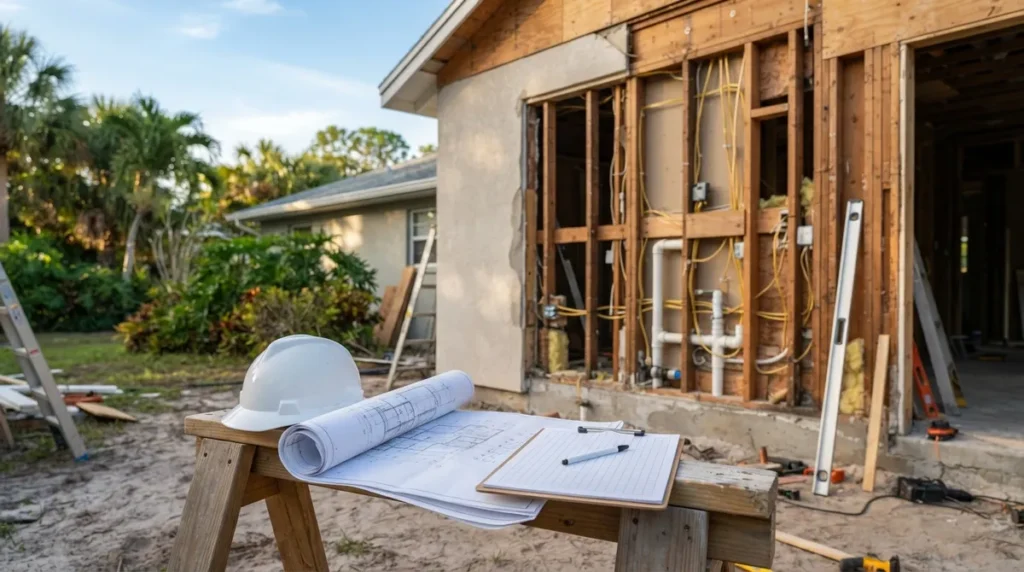
Inspectors may require you to expose concealed work such as framing, wiring, or plumbing, so photograph any exposed components and keep receipts and product labels showing materials used.
-
Start by confirming which jurisdiction (city, county, or both) controls your property, then contact the building department promptly and describe the work honestly.
-
Common documents include a permit application, proof of ownership, a site plan or survey, as-built drawings, and sealed engineer letters or product approvals where required.
-
Unpermitted work often surfaces during real estate closings and can trigger permit holds, so starting the permitting process early gives sellers and buyers the best chance to keep a deal on track.
So you found out the hard way that a project needed a permit, and it never got one. Maybe a previous owner built that sunroom. Maybe a handyman swore the work was "too small to need paperwork." Maybe you did the work yourself and only later learned the rules. First, take a breath. You are far from alone, and this is a problem Florida property owners solve every day.
An after-the-fact building permit in Florida is simply a permit application filed after work has already started or been finished. It is not a special statewide permit category. Instead, your local building department decides what it needs from you: plans, inspections, fees, and sometimes corrective work. That means the path looks a little different in every county and city.
In this guide, we will walk through how the process works in 2026, what documents you will likely need, what inspectors may ask you to open up, and how to avoid the mistakes that slow people down. Whether you are a homeowner, contractor, solar installer, or real estate pro, you will find practical steps you can use today.
What Exactly Is an After-the-Fact Building Permit?
Think of it as a way to bring completed or in-progress work back into the system. Florida Statutes §553.79 generally makes it unlawful to construct, alter, modify, repair, or demolish a building without first getting a permit from the enforcing agency. When that step gets skipped, the fix is to apply late and prove the work meets code.
Here is the key point many people miss: filing late does not guarantee approval. The building department will review whether the work complies with the Florida Building Code and your local requirements. If it does, you can usually close the permit. If it does not, you may need repairs or alterations first.
Common Terms You Will Hear
- After-the-fact (ATF) permit: a permit sought for work already begun or completed.
- Retroactive permit: another everyday phrase for the same thing.
- Unpermitted work: construction that required a permit but never received one.
- Notice of violation: a formal notice from code enforcement about the issue.
- Authority having jurisdiction (AHJ): the local office that decides your requirements.
If you are not sure which office controls your address, our building department lookup tool is a great place to start.
Why Florida Handles After-the-Fact Permits Locally
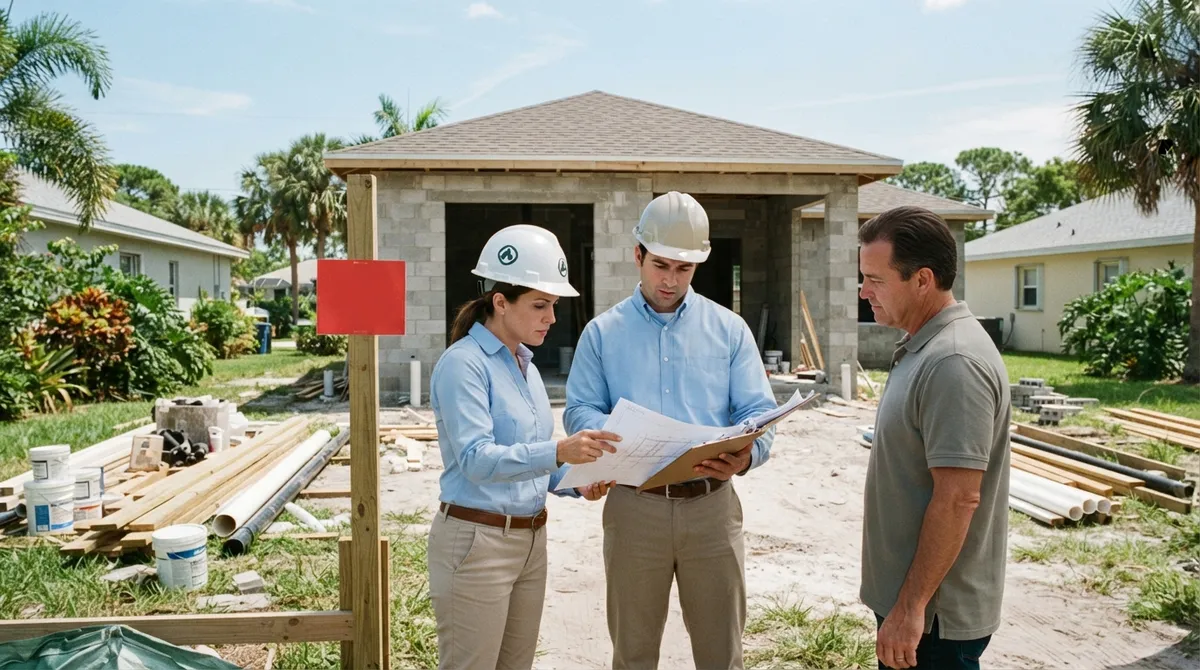
Florida sets the baseline rule, but cities and counties run the day-to-day process. That is why a Miami-Dade application can look different from one in Hillsborough or Sarasota. Fees, forms, review timelines, and inspection expectations all vary.
A local authority may require plans and supporting documents, ask you to expose concealed work for inspection, and require corrections before approval. Because of this, the smartest first move is always to learn what your specific jurisdiction wants. If you are curious how strict the rules can be in a busy market, our guide on whether the Florida Building Code allows after-the-fact permits goes deeper.
What Happens If You Do Work Without a Permit in Florida?
Let's talk honestly about the risks, because knowing them helps you act sooner.
| Possible Consequence | What It Means for You |
|---|---|
| Notice of violation | Code enforcement may require you to resolve the issue by a deadline. |
| Stop-work order | Work may be paused until the permitting problem is cleared. |
| Added fees or penalties | Many jurisdictions charge extra for work started without a permit. |
| Required corrections | Non-compliant work may need repair, alteration, or removal. |
| Sale or refinance trouble | Lenders, appraisers, and buyers may flag unpermitted work. |
| Insurance questions | Unpermitted work can complicate claims in some situations. |
Florida law also treats unlicensed contracting seriously. Section 489.127 identifies performing work that requires a building permit without an effective permit as prohibited conduct for an unlicensed person. Contractor licensing and permit eligibility are separate from whether the work itself can be approved after the fact, so it is worth sorting out both. You can read more about penalties for building without a permit in Florida if you want the full picture.
How to Get an After-the-Fact Building Permit in Florida: Step by Step
The process is more manageable than it sounds when you break it into pieces. Here is the general roadmap most owners and contractors follow.
- Confirm the jurisdiction. Figure out whether your property falls under a city, a county, or both. Near city lines, this is not always obvious.
- Contact the building department promptly. Describe the work honestly and ask how to apply for a permit for work already performed.
- Gather your records. Collect photos, receipts, product information, contractor details, and any past permits or surveys.
- Prepare plans and documentation. Depending on the scope, you may need drawings, calculations, or an engineer letter.
- Submit the application and pay fees. Expect the department to set the fee schedule and any added charges.
- Schedule inspections. Inspectors verify the work, and may ask to see concealed components.
- Complete corrections if required. Fix anything that does not meet code, then request reinspection.
- Close out the permit. Once final inspections pass, you receive approval and the record is cleaned up.
For a more detailed walkthrough, see our article on how to get an after-the-fact permit in Florida.
What Documents Do You Need?
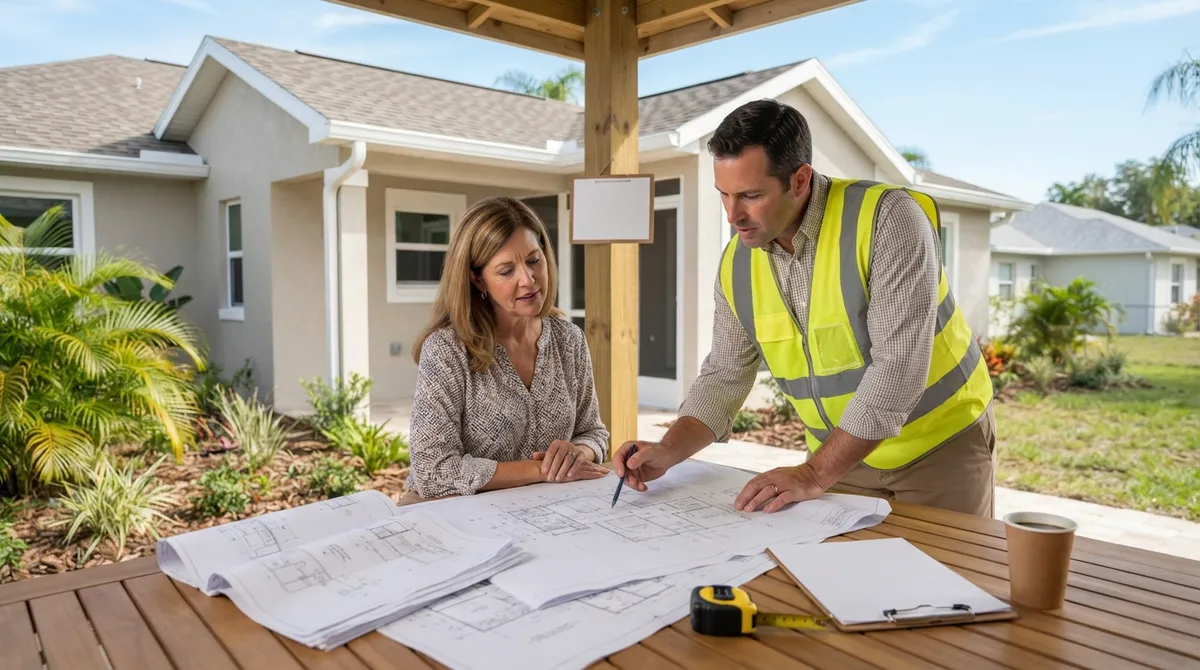
Requirements depend on the project, but most applications lean on a similar toolkit. Having these ready can save you real time.
- A completed permit application and proof of ownership
- Site plan or survey showing where the work sits on the property
- As-built drawings of the existing conditions
- Structural, electrical, plumbing, or mechanical details as applicable
- Engineer letter or sealed drawings from a Florida-licensed professional when required
- Product approvals for items such as windows, doors, roofing, or tie-downs
- Contractor license information and insurance details, if a contractor did the work
- Photographs showing existing conditions before finishes were closed up
Our in-house team prepares as-built drawings and issues engineer letters that are sealed by our own engineer, which keeps corrections moving instead of waiting on an outside consultant.
Will the Inspector Make You Open Walls?
This is the question that worries people most, and the honest answer is: sometimes. If work is concealed, inspectors may require finishes or other materials to be removed so they can verify structural, electrical, plumbing, mechanical, or other regulated components.
The goal is not to punish you. It is to confirm the hidden parts are safe and code-compliant. A few things can reduce the pain:
- Take photos any time something is exposed.
- Keep receipts and product labels that show materials used.
- Ask whether an engineer letter or other documentation can satisfy part of the review.
- Work with a team that understands what each department tends to accept.
If the work does not comply with applicable code, the authority may require repairs, alterations, or removal before final approval. That is why a realistic plan matters more than a hopeful one.
How Much Does an After-the-Fact Permit Cost in Florida?
There is no single statewide fee. Costs depend on your jurisdiction, the project scope, and what corrections are required. Here is how the typical cost pieces break down:
| Cost Category | What Drives It |
|---|---|
| Permit and plan review fees | Local fee schedule and project valuation |
| Additional or penalty fees | Jurisdiction policy for work started without a permit |
| Drawings and engineering | Complexity, structural or MEP content, sealing requirements |
| Corrective work | Whether anything must be repaired, opened, or removed |
| Inspections and reinspections | Number of required inspections and any failures |
Always verify the current fee schedule with the relevant county or municipality. For a deeper dive, check our breakdown of after-the-fact permit costs in Florida.
Which Types of Projects Commonly Need After-the-Fact Permits?
Almost any regulated work can end up here, but some projects show up again and again:
- Room additions, enclosed patios, and lanais
- Roof replacements and re-roofs
- Window and door replacements
- Pool and spa construction or screen enclosures
- Electrical panel upgrades and rewiring
- Plumbing and water heater changes
- Solar and battery installations
- Garage conversions and interior remodels
If your project is a roof, see our guide on unpermitted roofs in Florida. Solar companies can also find help through our page for solar contractors.
After-the-Fact Permits and Real Estate Closings
For buyers, sellers, and agents, unpermitted work can show up at the worst possible time: right before closing. Appraisers, inspectors, lenders, and title companies may flag it, and a permit hold can pause the whole deal.
The good news is that many closings can still be saved when the owner starts the permitting process early. Agents and investors often use our realtor and closing support to research permits, clear holds, and keep transactions on track. If you want to understand how serious open items can get, read about an open permit found at closing.
Do You Need a Licensed Contractor or Engineer?
It depends on the work. A permitting consultant can organize records, coordinate with licensed contractors and design professionals, and submit your application. But a consultant cannot replace required professional services or inspections, and no one can guarantee approval.
Here is a simple way to think about who does what:
| Role | Typically Handles |
|---|---|
| Property owner | Provides access, history, and documents; makes decisions |
| Licensed contractor | Performs or corrects regulated work and may pull permits |
| Florida-licensed engineer or designer | Prepares sealed drawings, calculations, or letters when required |
| Permit professional | Researches requirements, files, tracks, and coordinates reviews |
| Building department | Reviews plans, inspects work, and issues approval |
If you are acting as your own builder, our page on owner-builder permits explains your options.
Tips to Make the Process Smoother
After years of working through Florida permits, a few habits consistently help:
- Be honest and early. Accurate disclosure builds trust with the reviewer.
- Document everything. Photos and receipts can answer questions before they are asked.
- Do not hide or cover more work. Adding finishes can make inspection harder.
- Respond to comments quickly. Delays often come from slow resubmittals.
- Plan for corrections. Budget time and money in case something needs fixing.
- Check for open or expired permits. Our open permit search can reveal older issues.
If your permit is stalled or expired rather than never opened, our service for after-the-fact and expired permits is built for exactly that situation.
Getting Help When the Clock Is Ticking
Stop-work orders, denied applications, and closings with a deadline can make this feel urgent. That is where 1 Contractor Solutions steps in as Florida's outsourced permitting department. We handle permit filing, tracking, plan review coordination, and structural and MEP engineering across all 67 Florida counties, with in-house sealed drawings and same-day response.
You can see what customers say by visiting our 1 Contractor Solutions page on Google, and you can stay connected by choosing to follow us on LinkedIn or follow us on Facebook. For the legal text behind the process, the official Florida Statutes §553.79 is the place to read it directly.
Final Thoughts: You Can Get This Fixed
An after-the-fact building permit in Florida may sound intimidating, but it is really just a structured way to bring work into compliance. The steps are clear: confirm your jurisdiction, contact the building department, gather records, prepare plans, pass inspections, and close the permit. Costs and timelines vary, and approval is never guaranteed, but acting early almost always makes things easier and cheaper than waiting.
You do not have to figure it out alone. If you are ready for a clear plan and a team that files, tracks, and carries your permit through to closeout, get a free quote from 1 Contractor Solutions today.
FAQs
Can I get an after-the-fact building permit in Florida?
In most cases, yes. You apply through your local building department, which decides what plans, inspections, and fees are required. Just keep in mind that approval depends on whether the work meets code, so it is never guaranteed.
What happens if I did construction without a permit in Florida?
You may face a notice of violation, a stop-work order, extra fees, or required corrections, depending on your jurisdiction. The best move is to contact the building department early and start the permitting process rather than waiting for enforcement to find it.
Can I sell or refinance a Florida home with unpermitted work?
It is sometimes possible, but unpermitted work often causes delays because lenders, appraisers, and buyers may flag it. Many owners choose to legalize the work first so the sale or refinance goes more smoothly.
Do I need an engineer to legalize unpermitted work?
It depends on the scope. Structural, electrical, and similar work may require sealed drawings, calculations, or an engineer letter from a Florida-licensed professional. Your building department will tell you what it needs for your project.
We do this work every day across all 67 Florida counties. Call (866) 314-6931 and we will tell you what your situation actually requires — including when you do not need us.
Related services
Permit Facilitation & Filing
You have a crew scheduled, a client asking for dates, and a permit sitting somewhere in a queue you cannot see. We file it, w…
See the servicePlan Review Coordination
A permit in plan review is not one queue. On a commercial project it can be six queues, each with its own reviewer, its own c…
See the serviceReady to get your permit moving?
One call tells you which jurisdiction controls your project, what it will take, and what it will cost. Most of the time we can scope it on the phone.