
Blog
Who to Hire for Unpermitted Work on a Florida Foreclosure
Found unpermitted work on a Florida foreclosure? Learn who to hire first, from permit pros to engineers, contractors, and attorneys.
Key Takeaways
-
Start with a permitting consultant or expediter who knows your specific city or county, since Florida has no statewide after-the-fact permit procedure and each local building department sets its own rules.
-
A foreclosure sale does not legalize unpermitted work or close open permits, so check the sale documents and consult a Florida real-estate attorney about liens and responsibility before bidding.
-
Before bidding, pull the parcel's open, expired, and closed permit history and search code enforcement records separately, since violations and liens are tracked apart from permits.
-
Bring in a Florida-licensed architect or engineer only when the building department requires as-built plans, structural evaluations, or sealed documents.
-
Hire only licensed contractors for corrective work, verifying credentials through Florida DBPR, because Florida Statutes §489.13 generally bars permit issuance to unlicensed contractors.
-
An after-the-fact permit is not a guarantee of approval; work may need to be exposed, tested, redesigned, or corrected before passing inspection, so avoid anyone promising fixed prices or dates upfront.
You found a great deal on a Florida foreclosure, and then the inspection report lands on your desk. Maybe it's an enclosed patio nobody can find a permit for, a garage that mysteriously became a bedroom, or a water heater swap that never got a final. Suddenly your bargain feels a little less bargain-y, and one question is sitting at the top of your mind: who should I hire for foreclosure unpermitted work in Florida?
Take a breath. This is more common than you'd think, and it's very fixable when you build the right team in the right order. The trick is knowing that no single person does it all. A permitting professional, a design professional, a licensed contractor, and sometimes an attorney each play a different role.
In this guide, we'll walk you through who to call first, who comes next, and how to avoid paying for the wrong help. Whether you're an investor, a realtor, a contractor, or a homeowner, you'll leave with a clear game plan for 2026.
Why Foreclosure Properties Have Unique Permit Risks
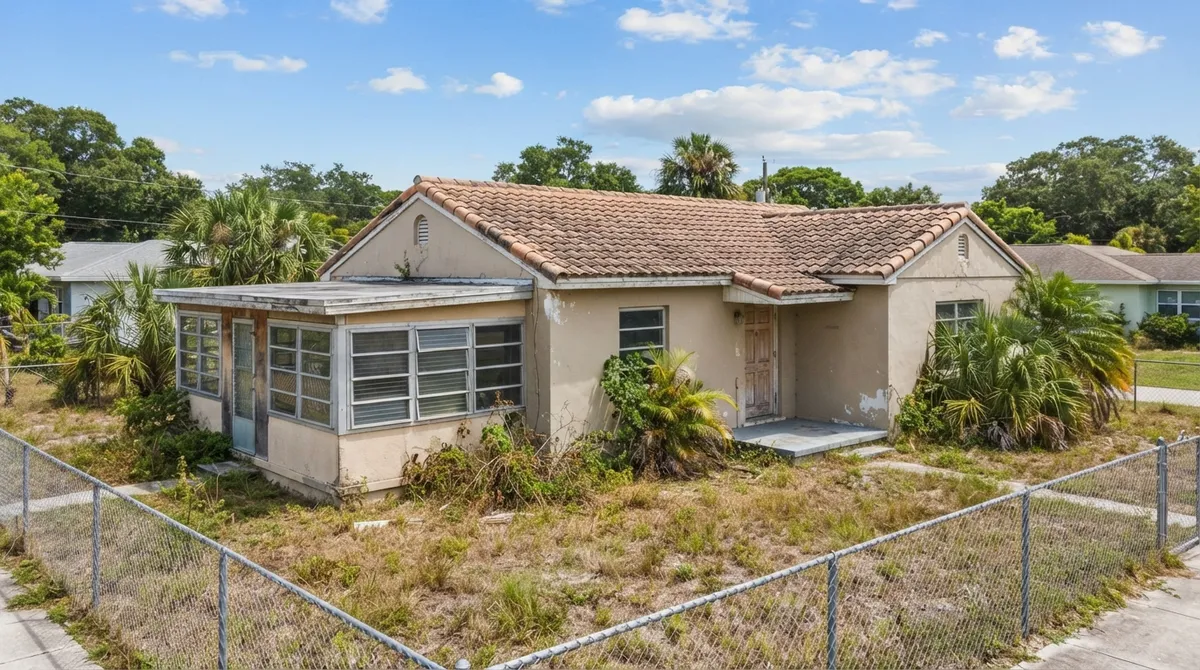
Foreclosures often come with a murky history. Previous owners may have done work themselves, hired unlicensed handymen, or simply let permits expire. Banks selling REO properties rarely know the details, and many sell as-is with no disclosures.
Here's the part that surprises buyers: a foreclosure sale does not legalize unpermitted work or close an open permit. Who has to resolve a given issue, and what remedies apply, can depend on the sale documents, the ownership facts, and your local enforcement process. That's why a little homework before you bid pays off big.
The Short Answer: Build a Small Team, in This Order
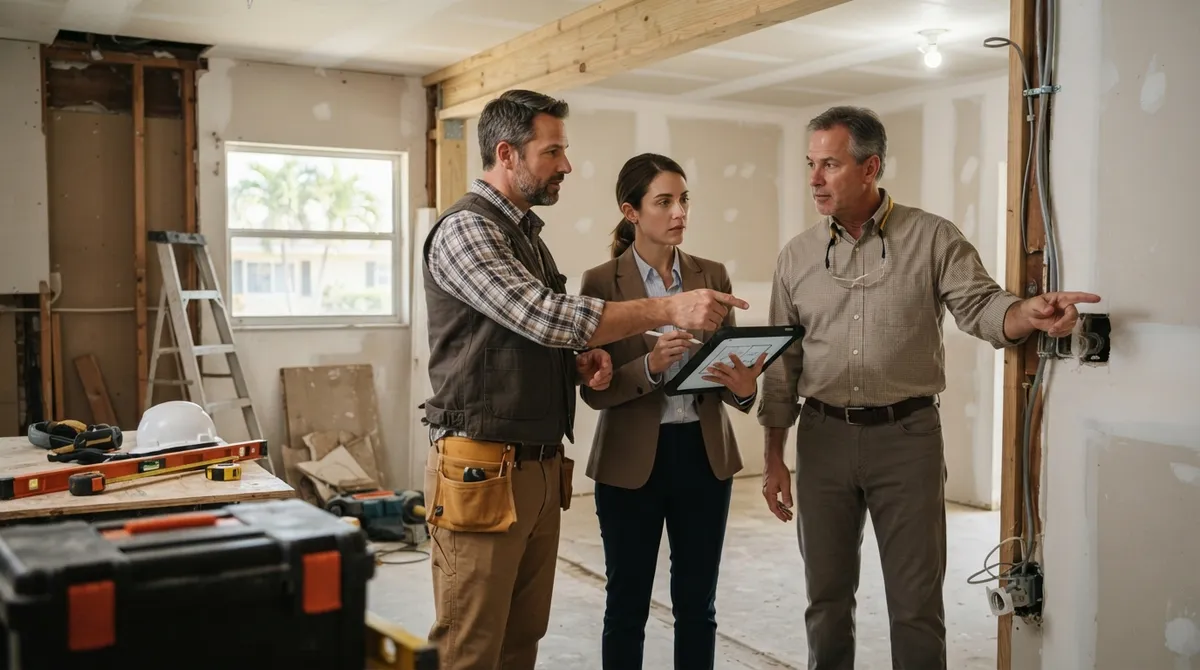
When someone asks who they should hire, the most useful answer is a sequence. Each professional solves a different piece of the puzzle.
- A Florida permitting consultant or permit expediter: researches records, identifies the right jurisdiction, and maps the local process.
- A Florida-licensed architect or professional engineer: prepares as-built plans, structural evaluations, or sealed documents when the building department requires them.
- Licensed contractors: perform any corrective work in the right trade (general, building, electrical, plumbing, or mechanical).
- A Florida real-estate attorney: advises on legal responsibility, title, liens, and your contract.
A permitting consultant does not replace a licensed design professional or contractor. Think of them as the project quarterback who keeps everyone pointed at the same finish line.
Step One: Hire a Permitting Professional Who Knows Your Jurisdiction
The most useful first hire for a foreclosure with suspected unpermitted work is usually a permitting consultant experienced with the specific city or county. Florida has no single statewide after-the-fact permit procedure. Each local building department sets its own application documents, inspections, fees, and enforcement process.
A good permitting pro will:
- Pull permit history, including open, expired, and closed permits
- Search code enforcement records, violations, and liens
- Compare official records against the property's actual layout
- Identify which authority truly has jurisdiction (this isn't always obvious near city lines)
- Coordinate the application and track it through review
This is exactly where a team like 1 Contractor Solutions earns its keep. We work across all 67 Florida counties and have filed in more than 400 municipalities, so we can tell you which jurisdiction controls your address and what it will take. Our permit facilitation and filing team handles the paperwork, tracking, and reviewer comments from start to finish.
Step Two: Bring In a Florida-Licensed Architect or Engineer
When a building department wants to see what was actually built, someone has to document it. That's where a Florida-licensed architect or professional engineer comes in.
You'll typically need one when the department requires:
- As-built plans showing existing conditions
- A structural evaluation of an addition, wall removal, or roof change
- Sealed documents or an engineer letter
- MEP (mechanical, electrical, plumbing) documentation
Our drafting and engineering are in house, and our own engineer signs and seals the work. That means when a reviewer flags a comment, we fix it right away instead of waiting on an outside consultant. You can explore our as-built drawings, engineer letters, and structural engineering services if you want to see what's included.
Already have your own engineer? Our drafting only option lets us draw the permit set while you keep your seal and your client.
Step Three: Use Licensed Contractors for Corrective Work
Sometimes legalizing work is just paperwork. Other times, the building department wants to see walls opened, wiring inspected, or components replaced. For repairs or corrective construction, use a properly licensed contractor in the relevant trade.
Florida Statutes §489.13 says a local building department generally may not issue a permit to a contractor who lacks the required active state certificate or registration. In plain English, hiring an unlicensed contractor can stall your permit before it starts. Verify credentials and scope through Florida DBPR and your local building department before anyone picks up a tool.
Step Four: Talk to a Florida Real-Estate Attorney
Permitting pros and engineers can tell you what the building department needs. They can't tell you who is legally responsible. For questions about liens, title, your purchase contract, or the foreclosure sale itself, bring in a Florida real-estate attorney.
This is especially important before you bid or close. An attorney can help you read the sale documents, understand what you're taking on, and decide how to protect yourself.
Who Does What? A Quick Comparison
| Professional | Main Role | Hire When |
|---|---|---|
| Permitting consultant / expediter | Records research, jurisdiction mapping, filing, tracking | First, before bidding or right after closing |
| Architect or engineer (Florida-licensed) | As-builts, structural evaluations, sealed plans | When the building department requires drawings or evaluations |
| Licensed contractor | Corrective or completion work in the proper trade | When inspections reveal repairs are needed |
| Real-estate attorney | Liens, title, contract, legal responsibility | Before bidding, closing, or negotiating |
How to Check Permit History Before You Bid
If the auction clock is ticking, you can still do smart research. Before bidding or closing, check the parcel's permit history, including open, expired, and closed permits. Then separately search code enforcement records, violations, and liens.
- Find the correct building department. Our building department lookup tool helps you confirm who actually has jurisdiction.
- Search for open permits. Try our open permit search to spot permits that were never finalized.
- Check code enforcement. Look for violations, liens, and fines, since these are tracked separately from permits.
- Walk the property. Compare the records to what you see: extra rooms, enclosed porches, new electrical panels, added bathrooms.
- Consider a municipal lien search. This can help identify unresolved issues that follow the property.
If you spot a mismatch, that's your cue to call a permitting pro before you commit.
What an After-the-Fact Permit Really Involves
Here's a friendly reality check: an after-the-fact permit is not a guarantee of approval. Florida Statutes §553.79 generally requires a permit before covered construction, alteration, repair, or demolition. The statute does include an exemption for certain work valued under $7,500 on an owner's single-family dwelling, but it comes with conditions and local requirements, so don't assume it applies to you.
When you apply after the fact, the local department decides what it needs. Depending on the work, that can mean:
- Exposing concealed work so inspectors can see it
- Testing or verifying structural or electrical components
- Redesigning elements that don't meet current requirements
- Making corrections and passing inspections
No statewide fee, timeline, or approval rate applies here, because requirements are set locally. Anyone promising you a guaranteed price or date before reviewing your property should raise an eyebrow. Learn more about how this process works in our guide on how to legalize unpermitted work in Florida, or dive into our after-the-fact and expired permits service page.
Tips for Each Type of Reader
Investors and Real Estate Professionals
Budget for permit cleanup before you finalize your numbers. Factor in drawings, fees, inspections, and corrective work. If you're representing a buyer, our realtor and closing support can help keep a deal on track when permit issues pop up.
General Contractors and Design Trade Professionals
If a client brings you a foreclosure with a permit problem, don't start swinging hammers. Confirm the permit path first, then bring in the right engineer. Our general contractor resources explain how we support your crews so the permit never becomes the bottleneck.
Solar Companies
Foreclosure buyers love solar, but unpermitted electrical work or roof modifications can derail an installation. Make sure existing conditions are documented before you design around them. Our solar contractor support covers structural and electrical documentation.
Homeowners
If you've already bought the home and discovered surprises, you're not alone, and you're not stuck. Start with a records search, then work through the steps above. Our homeowner resources are a good place to begin.
Common Mistakes to Avoid
- Hiring a contractor first. Without knowing the permit path, you may pay for work that gets ripped out.
- Skipping the records search. Open permits and code liens can hide in plain sight.
- Assuming foreclosure wipes the slate clean. It doesn't legalize anything.
- Using unlicensed help. It can block permit issuance and create new problems.
- Guessing the jurisdiction. City and county lines can be tricky, so verify.
- Waiting too long. Expired permits and enforcement actions rarely improve with age. If you're already in a bind, our urgent permit rescue team can help.
A Practical Game Plan for Your Foreclosure Property
- Confirm the correct jurisdiction and pull the full permit history.
- Search code enforcement records, violations, and liens.
- Walk the property and flag anything that doesn't match the records.
- Consult a Florida real-estate attorney about contract and lien questions.
- Hire a permitting professional to map the local process and costs.
- Engage a licensed architect or engineer for required plans and evaluations.
- Hire properly licensed contractors for any corrective work.
- Complete inspections and close out the permit.
Not every property needs every step, but this order keeps you from spending money in the wrong place. You can also follow us on Facebook or follow us on LinkedIn for Florida permitting tips as local rules evolve. For official statute language, the Florida Legislature publishes Chapter 489, Section 13 of the Florida Statutes online.
Ready to Fix It the Right Way?
Unpermitted work on a foreclosure feels overwhelming at first, but it's really just a sequence of smart, manageable steps. Start with someone who knows your local building department, add the right licensed professionals, and bring in an attorney for the legal pieces. You'll go from surprise to solution faster than you think.
At 1 Contractor Solutions, we act as Florida's outsourced permitting department. We answer around the clock, respond within 30 minutes, and handle everything from records research to sealed drawings to final approval. Curious how other clients feel? Visit us on Google — 1 Contractor Solutions to read reviews.
When you're ready to move, get a free quote and let us tell you exactly what your foreclosure property needs. Permits approved. Projects moving.
FAQs
Who should I hire first for unpermitted work on a Florida foreclosure?
Start with a permitting consultant or expediter who knows the property's specific city or county. They can research permit and code enforcement records, identify the right authority, and map out the process before you spend money on plans or construction.
Does buying a foreclosure make me responsible for unpermitted work?
A foreclosure sale doesn't legalize unpermitted work or close an open permit. Who has to resolve an issue depends on the sale documents, ownership facts, and local enforcement, so it's smart to check with a Florida real-estate attorney before you bid or close.
Can a new owner get an after-the-fact permit in Florida?
Often, yes, but there's no single statewide procedure. Your local building department sets the application documents, inspections, and fees, and approval isn't guaranteed. Work may need to be exposed, tested, redesigned, or corrected first.
Do I need an architect or engineer to legalize an unpermitted addition?
Frequently, yes. When the building department requires as-built plans, a structural evaluation, or sealed documents, you'll need a Florida-licensed architect or professional engineer. Your permitting pro can confirm what your local department expects.
How do I verify a Florida contractor is licensed?
Check their credentials through Florida DBPR and confirm the scope with your local building department. Florida Statutes §489.13 generally bars permit issuance to contractors without the required active certificate or registration.
We do this work every day across all 67 Florida counties. Call (866) 314-6931 and we will tell you what your situation actually requires — including when you do not need us.
Related services
Permit Facilitation & Filing
You have a crew scheduled, a client asking for dates, and a permit sitting somewhere in a queue you cannot see. We file it, w…
See the servicePlan Review Coordination
A permit in plan review is not one queue. On a commercial project it can be six queues, each with its own reviewer, its own c…
See the serviceReady to get your permit moving?
One call tells you which jurisdiction controls your project, what it will take, and what it will cost. Most of the time we can scope it on the phone.