
Blog
Can You Get a Retroactive Construction Permit in Florida?
Learn how a retroactive construction permit works in Florida, what it costs, what inspectors require, and how to legalize unpermitted work.
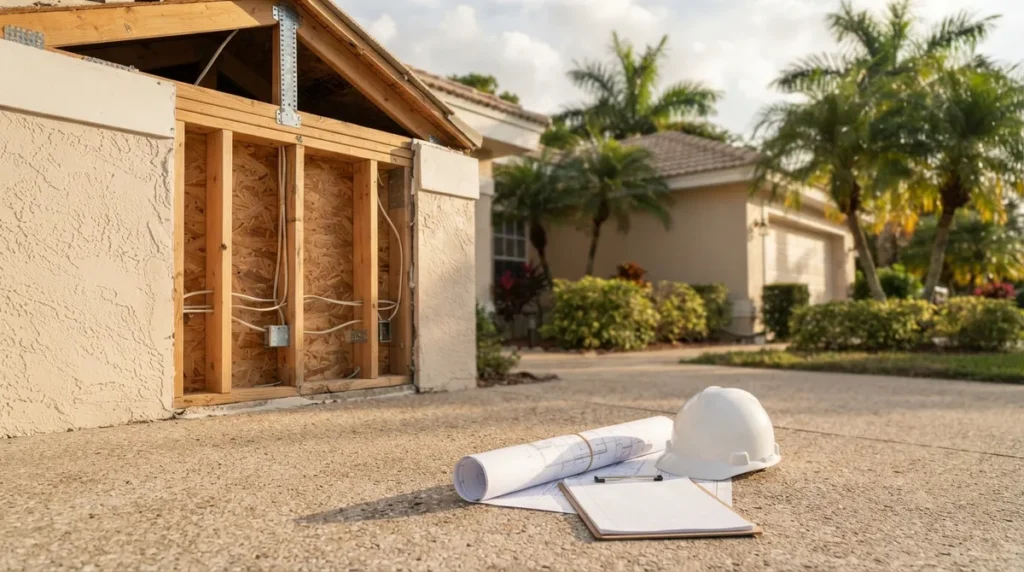
Key Takeaways
-
A retroactive permit in Florida is simply a permit application filed after work is done, handled by your local city or county building department, not a separate statewide permit type.
-
Finished work does not automatically get approved: plans must be reviewed and found compliant with the Florida Building Code, and inspectors may require concealed work to be exposed.
-
Under Florida Statutes § 553.79(1)(a), starting permit-required work without a permit may bring a fine of up to $5,000 on top of the permit fee, plus possible investigation fees.
-
The building code edition that applies is generally tied to the date you apply, so older unpermitted work may need upgrades such as wind-load, tie-down, or electrical fixes.
-
Before filing, confirm the correct jurisdiction (city vs. county), check for open permits and violations, and gather as-built drawings, site plans, and any needed sealed engineering documents.
-
Avoid common mistakes like ignoring violation notices, assuming approval, guessing at the jurisdiction, skipping engineering, or hiring unlicensed help that can create new problems.
So you just found out that a deck, a garage conversion, or a re-roof was built without a permit. Maybe you bought the house that way. Maybe a contractor swore they would pull the permit and never did. First, take a breath. You are far from the only Florida property owner in this spot, and there is usually a path forward.
Here is the short version. A retroactive construction permit in Florida is not a special statewide permit. It is simply a permit application filed after the work is already done, and your local city or county building department decides how to handle it. Approval is not automatic, but many projects can be legalized with the right plans, inspections, and patience.
In this guide, we will walk through what the law says, what the process looks like, what it may cost, and how to avoid the most common mistakes. Whether you are a homeowner, a general contractor, a solar installer, or a real estate professional, you will find practical steps you can use today.
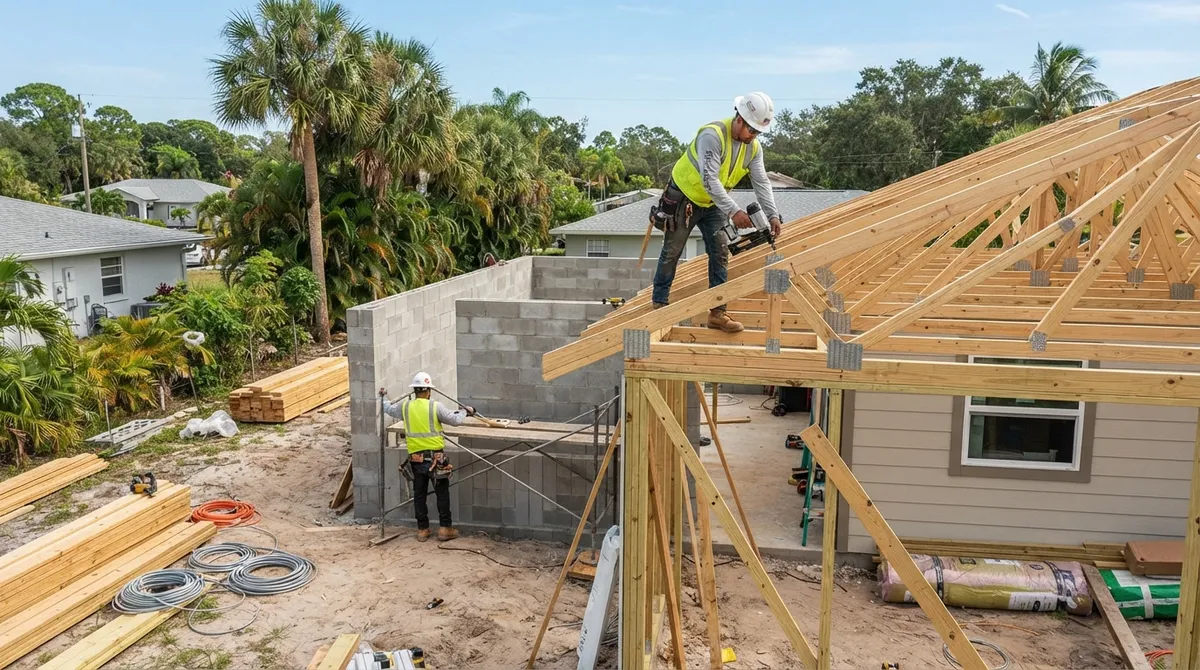
What Is a Retroactive Construction Permit in Florida?
People use several names for the same thing: retroactive permit, after-the-fact permit, ATF permit, or permit for unpermitted work. They all describe a building permit requested after construction has started or finished.
Florida law generally requires a permit before covered construction, alteration, repair, or demolition begins. That rule comes from Florida Statutes § 553.79. Doing the work first and asking questions later is not allowed, although the statute does recognize certain limited exemptions.
Here is the important part: there is no separate statewide "retroactive" permit category. You apply through the local building department that has authority over your property. That department decides what to require, including the application, plans, fees, inspections, and any corrective work. For a deeper look at the basics, see our guide on what after-the-fact permitting in Florida really means.
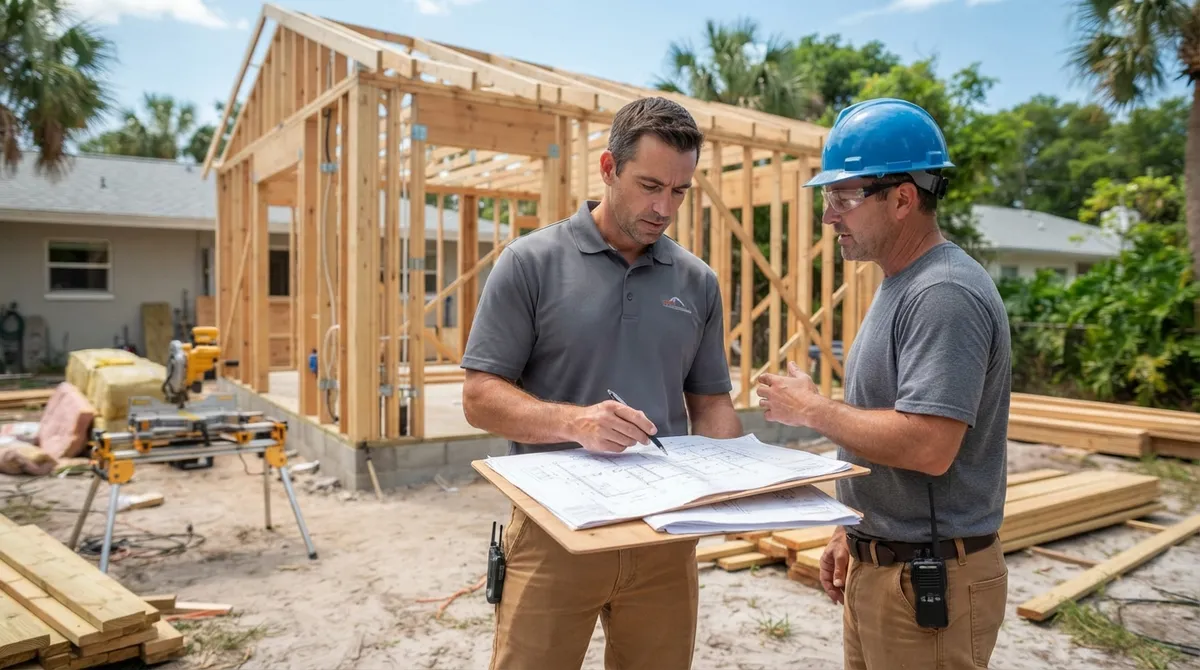
Is Approval Guaranteed Just Because the Work Is Done?
This is the question we hear most, and the honest answer is no. Finished work does not earn an automatic permit. Under § 553.79(2), plans and specifications generally must be reviewed and found compliant before a permit is issued.
That means the building department will want proof that the work meets the Florida Building Code. In practice, that can include:
- Reviewing as-built drawings or sealed plans
- Requiring concealed work to be exposed so inspectors can see framing, wiring, or plumbing
- Asking for engineer letters or structural verification
- Requiring corrections, upgrades, or even removal if compliance cannot be shown
The good news is that many projects pass once the documentation is solid. The key is preparation. A clean application with accurate drawings gives reviewers far less reason to say no.
What Happens If You Build Without a Permit in Florida?
Consequences vary by location, but here are the common ones property owners run into.
| Possible Consequence | What It Means for You |
|---|---|
| Statutory fine | Under § 553.79(1)(a), starting permit-required work before obtaining a permit may be subject to a fine of up to $5,000, in addition to the permit fee |
| Violation notice | A code enforcement notice may require you to resolve the issue within a set timeframe |
| Stop-work order | Active work may be halted until a permit is issued |
| Added or investigation fees | Many jurisdictions charge more than the standard permit fee |
| Corrective work or removal | Work that cannot be shown to comply may need repair, rebuild, or demolition |
Please treat the table as a general guide, not a quote. Always verify the current statute and your local fee schedule before budgeting. If you want to dig into penalties, our article on the penalty for building without a permit in Florida goes deeper.
Which Building Code Applies to an After-the-Fact Permit?
Great question, and one many people miss. The applicable Florida Building Code edition is generally tied to the permit application date under § 553.73(6). For a retroactive application, that means the code in effect when you apply may matter, not the one that was in force when the work was built.
Because local amendments can also apply, the building department should confirm which edition and which local rules govern your review. This is one reason older unpermitted work sometimes needs upgrades. If your project was built years ago, current requirements for wind loads, tie-downs, electrical, or egress may come into play.
Do You Even Need a Permit? Understanding Exemptions
Before assuming you broke the rules, it is worth checking whether the work needed a permit at all. Florida does recognize some exemptions, but they are limited and fact-specific.
For example, current statute research notes a possible exemption for certain work valued under $7,500 on an owner's property. However, this is not a blanket pass for every small project or every trade. Electrical, plumbing, structural, and roofing work often carry their own rules. Always read the current statutory text and confirm with your local building department before relying on an exemption.
Not sure whether your project qualified? A permitting professional can research the specific rules for your jurisdiction and tell you where you stand.
How to Get a Retroactive Construction Permit in Florida: Step by Step
Every jurisdiction has its own quirks, but the general flow looks like this.
- Identify the correct jurisdiction. Properties near city lines can be tricky. Confirm whether the city or the county controls your address. Our building department lookup tool can help.
- Check for open permits and violations. Run an open permit search so you know what is already on record.
- Document the existing work. Take photos, gather receipts, and note dates and materials. The more you know, the easier the review.
- Prepare plans and drawings. Most departments want as-built plans, and structural or MEP work may need sealed drawings from a Florida-licensed design professional.
- Submit the application. File with the local building department and pay the required fees.
- Respond to review comments. Reviewers often send correction notices. Prompt, accurate answers keep things moving.
- Schedule inspections. Inspectors may need to see concealed work, which can mean opening walls or ceilings in some cases.
- Complete corrections and close out the permit. Once everything passes final inspection, the permit can be closed.
What Documents and Plans Will You Need?
Requirements differ by county and project type, but you should expect to gather some combination of the items below.
| Document | Why It Is Needed |
|---|---|
| Permit application | Starts the formal review with the building department |
| Property survey or site plan | Shows setbacks and where the work sits on the lot |
| As-built drawings | Documents what was actually built |
| Engineer letter or sealed drawings | Verifies structural or wind-load compliance |
| MEP documentation | Covers mechanical, electrical, and plumbing details |
| Product approvals | Confirms windows, doors, or roofing materials are code-approved |
| Contractor license information | Shows who is responsible for the work |
Having these ready before you file can save weeks. If you need help, our team provides as-built drawings and engineer letters in house, sealed by our own engineer.
Will Inspectors Make You Open Walls or Remove Finished Work?
Sometimes, yes. Under § 553.79, the local authority may require concealed work to be exposed so inspectors can verify code compliance. Think of it like a doctor asking for an X-ray: they need to see what is behind the surface.
That does not mean every project requires demolition. Many jurisdictions accept alternatives such as photographs taken during construction, engineer inspection reports, or limited exploratory openings. What they accept is up to the building official, so ask early. A well-prepared inspection plan often reduces how much needs to be opened.
What If the Work Does Not Meet Current Code?
This is where people worry most, and understandably so. If the work cannot be shown to comply, the jurisdiction may require corrections, upgrades, or removal. Nobody can promise an outcome before the review happens.
That said, many issues are fixable. Examples include adding hurricane straps, replacing nonconforming wiring, upgrading fasteners, or adding an engineered connection. An engineer can often design a practical fix that satisfies the reviewer without tearing everything out. Our article on how to legalize unpermitted work in Florida explores these options in more detail.
How Much Does a Retroactive Permit Cost?
We wish we could hand you a single number, but no reliable statewide average exists. Costs depend on your jurisdiction and the scope of the work. Here is what typically drives the total:
- The permit fee itself, which is often based on project valuation
- Any additional or investigation fees charged for unpermitted work
- Possible statutory fines under § 553.79(1)(a)
- Drafting and engineering costs for as-builts and sealed documents
- Inspection costs and any required corrective work
For a closer look at budgeting, read our guide on after-the-fact permit costs in Florida.
Tips for Different Property Owners
Homeowners
If you inherited unpermitted work or bought a home with it, do not panic or hide it. Disclosure issues, insurance claims, and resale problems get harder the longer you wait. Start by learning what your local department expects, and consider our homeowner services for hands-on support.
Contractors and Solar Companies
If a job slipped through without a permit, fix it before it becomes a license issue or a customer dispute. Solar installs in particular need accurate structural and electrical documentation. See how we help general contractors and solar contractors keep jobs moving.
Real Estate Professionals
Unpermitted work discovered during a sale can stall a closing fast. Early permitting research gives your client options. Our realtor and closing support is built for exactly these situations.
Where a Florida Permitting Service Fits In
A permitting service does not replace the building official, and no honest provider can guarantee approval. What a good one does is reduce friction. That includes identifying the right jurisdiction, assembling the application and plans, coordinating licensed design professionals, tracking the review, and managing inspections and corrections.
At 1 Contractor Solutions, we act as Florida's outsourced permitting department. Our drafting and engineering are in house, so when a reviewer flags something, we fix it without waiting on an outside consultant. We work across all 67 Florida counties and have filed in more than 400 municipalities. You can learn more about our after-the-fact and expired permit services, or see what customers say when you visit us on Google — 1 Contractor Solutions.
Common Mistakes to Avoid
- Ignoring a violation notice. Deadlines matter, and fines can grow.
- Assuming the permit will be approved. Plan for possible corrections.
- Guessing at the jurisdiction. Filing with the wrong office wastes time.
- Skipping engineering. Structural questions often need sealed documentation.
- Hiring unlicensed help. That can create new problems on top of the old ones.
Want more help avoiding pitfalls? Our guide to 14 retroactive permitting mistakes Florida owners make is a great next read, and our 6 steps to fix a retroactive permit in Florida offers a quick action plan.
Ready to Legalize Your Project?
Unpermitted work feels stressful, but it is usually solvable with the right plan and a little persistence. Start by confirming your jurisdiction, gathering documentation, and getting a clear picture of what your local department will require. You can also follow us on LinkedIn or follow us on Facebook for ongoing Florida permitting tips.
When you are ready for hands-on help, we are here for you with same-day response and in-house sealed drawings. Get a free quote and let us help you take the next step toward a closed, compliant permit.
FAQs
Can I get a retroactive construction permit in Florida?
Yes, in many cases you can apply for an after-the-fact permit through your local city or county building department. Approval is not guaranteed, though. The department will review your plans, may require inspections, and can ask for corrections if the work does not meet code.
How much is the fine for building without a permit in Florida?
Under Florida Statutes § 553.79(1)(a), starting permit-required work before obtaining a permit may be subject to a fine of up to $5,000, plus the permit fee. Local fees and enforcement can add to that, so check the current statute and your jurisdiction's fee schedule before budgeting.
Will inspectors make me open walls or remove finished work?
Possibly. The local authority may require concealed work to be exposed so inspectors can verify code compliance. Some departments accept alternatives like construction photos or engineer inspection reports, so ask early about what they will accept.
Can unpermitted work be legalized if it does not meet current code?
Often it can, but it may require upgrades or corrections first. An engineer can sometimes design a practical fix, such as added connections or wiring upgrades. If compliance cannot be shown, the jurisdiction may require removal, so early review is worthwhile.
How do I find the building department that handles my after-the-fact permit?
Start with your property address and confirm whether the city or county has authority, since properties near city lines can be tricky. A building department lookup tool or a permitting professional can confirm the correct office quickly.
We do this work every day across all 67 Florida counties. Call (866) 314-6931 and we will tell you what your situation actually requires — including when you do not need us.
Related services
Permit Facilitation & Filing
You have a crew scheduled, a client asking for dates, and a permit sitting somewhere in a queue you cannot see. We file it, w…
See the servicePlan Review Coordination
A permit in plan review is not one queue. On a commercial project it can be six queues, each with its own reviewer, its own c…
See the serviceReady to get your permit moving?
One call tells you which jurisdiction controls your project, what it will take, and what it will cost. Most of the time we can scope it on the phone.