
Blog
Are After-the-Fact Permits Harder in Florida's WBDR Zones?
Are after-the-fact permits harder in Florida's wind-borne debris regions? Learn why proving compliance is tougher and how to get approved.
Key Takeaways
-
After-the-fact permits in Florida wind-borne debris regions (WBDR) are often harder, but no statewide rule automatically makes them tougher; the difficulty comes from proving finished work meets wind-load and impact requirements.
-
WBDR status depends on your exact address: areas with ultimate design wind speed of at least 140 mph, or coastal areas within one mile of the mean high-water line with Exposure D and 130 mph, qualify.
-
Hidden work is the main obstacle: reviewers may require selective demolition, construction-era photos or invoices, testing, or a Florida-licensed engineer's evaluation to verify concealed connections and fastening.
-
Windows, doors, garage doors, and roofing draw the most scrutiny, so gather product approvals, Notice of Acceptance documents, installation details, and anchoring records early.
-
A permit issued after the work is done does not legalize noncompliant work; deficiencies may need correction, revised plans, reinspection, and applicable fees.
-
Call your local building department before opening walls or removing finishes, confirm the applicable Florida Building Code edition and WBDR status, and check for open or expired permits first.
So you've discovered that a window, door, or roof on your Florida property was installed without a permit. Take a breath. It happens more often than you might think, and it's usually fixable. But if your property sits in a wind-borne debris region, you've probably heard a rumor that fixing it will be a bigger headache. Is that true?
Here's the honest, friendly answer: are after the fact permits harder in wind borne debris regions of Florida? Generally, yes, they can be. But the reason matters. There is no special statewide rule that automatically makes every after-the-fact permit tougher in these zones. The added difficulty comes from proving that the finished work actually meets wind-load and impact-protection requirements, especially when key details are now hidden behind walls, shingles, or finishes.
In this guide, we'll walk through why WBDR properties get extra scrutiny, what documents reviewers usually ask for, how the process typically unfolds, and how to avoid the common mistakes that stall approvals. Whether you're a contractor, a realtor, or a homeowner, you'll leave with a clear plan.
What Is a Wind-Borne Debris Region, Anyway?
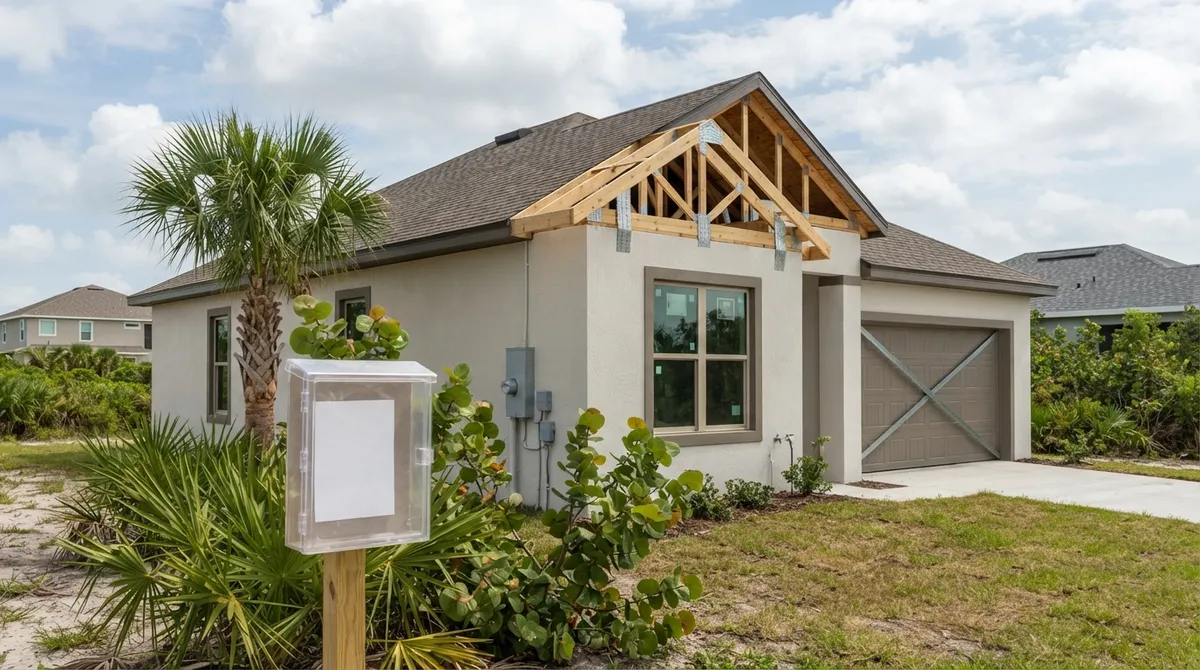
A wind-borne debris region, or WBDR, is an area where the Florida Building Code expects that flying debris during a hurricane could threaten a building. In those areas, exterior openings generally need protection against impact.
Per the cited Florida Building Code criteria, the WBDR definition includes areas with an ultimate design wind speed (Vult) of at least 140 mph. It also covers certain coastal areas within one mile of the mean high-water line where Exposure D and a 130-mph design speed apply. Risk category and the applicable code edition also matter, so the exact answer depends on your address.
Because so much of Florida's coastline and many inland communities fall under these criteria, WBDR rules touch a huge share of the state's permit activity. That's why this question comes up so often with homeowners and contractors alike.
Why WBDR Status Changes the Conversation
In a WBDR, a building is expected to withstand not just wind pressure but also impact from debris. That means reviewers care deeply about:
- Impact-rated windows, doors, and garage doors, or compliant shutters
- Product approvals that match the exact installed configuration
- Roof coverings, decking, and fastening that meet design pressures
- Continuous load paths and structural connections
When a permit is requested after the work is done, the reviewer can't simply watch it get built. They have to be convinced it was built right.
So, Are After-the-Fact Permits Harder in Wind-Borne Debris Regions?
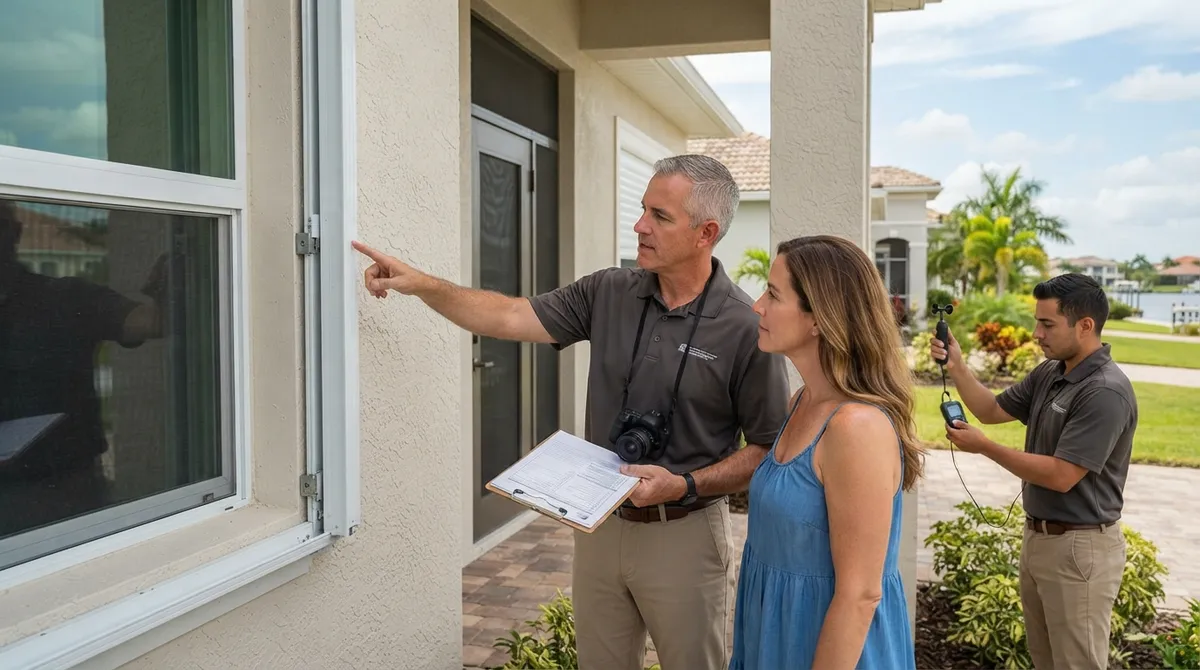
Let's give a clear, snippet-friendly answer. Yes, an after-the-fact permit can be harder in a Florida WBDR, particularly when the work involved openings, roofing, or structural elements. The difficulty comes from proving code compliance after the fact, not from a separate statewide rule.
Florida Statutes §553.79 generally requires a permit before covered construction, alteration, repair, or demolition. When unpermitted work is discovered, a local building department may require the owner to apply, submit plans and supporting documents, and expose or otherwise document concealed work. Exact procedures and fees vary by jurisdiction.
In a WBDR, that evidence bar simply sits higher because the stakes are higher. A missing hurricane strap or an unapproved window product is a much bigger deal when 140-mph winds are part of the design criteria.
What Does Not Change
It's worth saying plainly: there's no published statewide percentage or average showing how much harder or pricier after-the-fact permits are in WBDRs. Requirements, inspections, and fees depend on the type of work, the code edition, and your local building department. So while the concern is valid, don't assume the worst before you've talked to your jurisdiction.
Where WBDR Properties Face the Most Scrutiny
Some types of work draw far more attention than others. Here's a quick comparison.
| Type of Work | Why It's Harder in a WBDR | What Reviewers Often Ask For |
|---|---|---|
| Windows and doors | Openings need impact protection or compliant shutters | Product approvals, installation details, design pressure ratings |
| Garage doors | Large openings are vulnerable to wind and debris | Approved product documentation, anchoring details |
| Roofing | Fastening and materials must meet uplift requirements | Product approvals, fastening records, photos, engineer evaluation |
| Additions and structural changes | Load paths and connections are often concealed | As-built drawings, selective demolition, engineer letter |
| Screen enclosures and lanais | Wind-load design is critical | Sealed drawings and engineering verification |
Windows and Doors
These are the classic WBDR trouble spot. In a WBDR, exterior openings generally need protection that meets the applicable code. A permit reviewer may request product approvals, installation details, engineering, and evidence that the installed assembly matches the approved configuration.
If a window was installed years ago and the paperwork is long gone, proving the product and anchoring are compliant can take some detective work. Our guide on getting an after-the-fact permit for windows digs deeper into this exact scenario.
Roofing and Structural Work
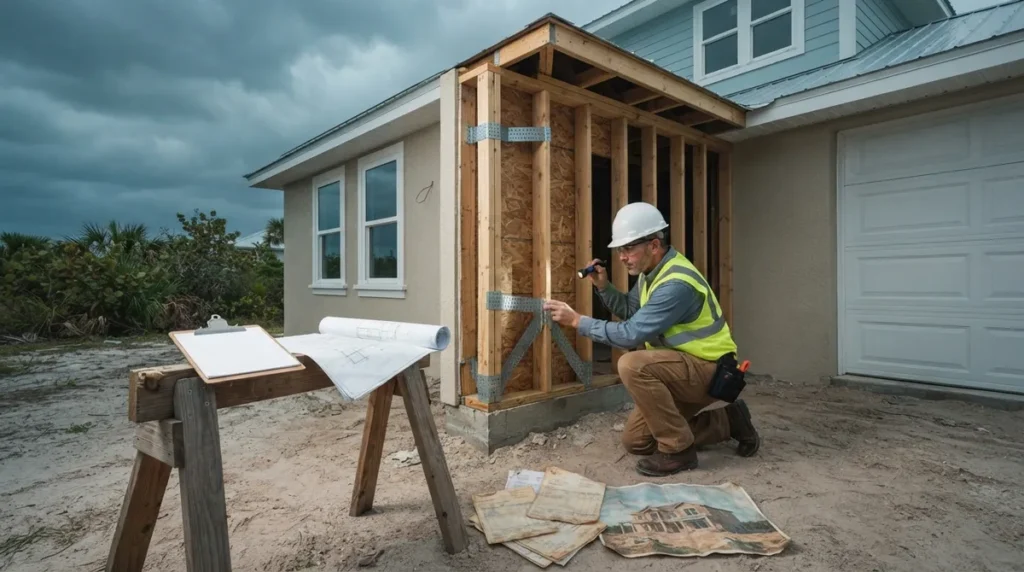
Roofs and structures can require evidence of compliant materials, fastening, load paths, and connections. If those details are hidden, the building official may require selective demolition, photographs or records from construction, testing, or a Florida-licensed design professional's evaluation. Acceptance depends on the evidence and the local official's determination.
If you're dealing with a roof specifically, see what owners need to know about an unpermitted roof in Florida.
The Hidden-Work Problem (And Why It Matters So Much)
Here's the heart of the matter. In a standard permit, inspectors see the work at key stages: framing, connections, decking, and so on. With after-the-fact permits, those stages have already been buried.
That's where reviewers may ask you to prove what's behind the finishes. Options typically include:
- Selective demolition or small inspection openings
- Construction-era photographs, invoices, or contractor records
- Non-destructive or destructive testing where appropriate
- An evaluation letter from a Florida-licensed engineer or architect
None of these is automatic. The right path depends on your jurisdiction and the work involved. Before opening walls or removing finishes, it's wise to check with the local building department first.
How the After-the-Fact Process Usually Works
While every city and county does things a little differently, the general path looks like this:
- Identify the jurisdiction. Confirm which city or county actually controls your address. Near city lines, this isn't always obvious. Our building department lookup tool can help.
- Confirm WBDR status and code edition. Ask the local building department which Florida Building Code edition and wind criteria apply to your property.
- Document what exists. Gather photos, receipts, product labels, and any prior permits. Check for open or expired records using an open permit search.
- Prepare plans and drawings. This often includes as-built drawings and sometimes sealed engineering.
- Submit and respond to review comments. Expect questions about product approvals, connections, and concealed conditions.
- Complete inspections and correct deficiencies. If something doesn't meet code, you may need to fix it.
- Close out the permit. Once inspections pass, you can obtain final approval or a certificate where applicable.
For a full walkthrough, take a look at how to get an after-the-fact permit in Florida.
Does an After-the-Fact Permit Legalize Bad Work?
Not automatically, and this is a big one. A permit issued after work is complete does not make noncompliant work compliant. If the installed assembly doesn't meet the applicable wind or impact requirements, you may need to correct deficiencies, obtain revised plans, pass required inspections, and pay applicable permit or enforcement fees.
Local ordinances determine the process and any penalties. That's why talking to the building department early, before demolition or repairs, is such a smart move. If you're worried about fines, our article on how to avoid Florida fines for unpermitted work offers practical tips.
What Documents Will You Likely Need?
Being organized can shave weeks off the process. Here's a checklist that applies in most WBDR after-the-fact cases:
- Proof of ownership and property address
- Product approval or Notice of Acceptance documents for windows, doors, shutters, and roofing
- Installation details showing anchoring and fastening
- Photos taken during or after construction
- As-built plans or sketches of what was actually built
- Contractor invoices and any available warranty paperwork
- Engineer letters or sealed drawings when required
If your product is in South Florida, you may also run into the difference between local and statewide approvals. See Miami-Dade NOA vs. Florida product approval for a helpful breakdown.
Who Should Handle This for You?
The right help depends on your role and the complexity of the work.
| Reader Type | Biggest Challenge | Helpful Support |
|---|---|---|
| General contractors | Managing multiple jurisdictions and reviewer comments | Permit filing, tracking, and revisions support |
| Solar companies | Roof structure and attachment verification | Structural documentation and engineer letters |
| Realtors and investors | Closing deadlines and open permit surprises | Permit research and closing support |
| Homeowners | Not knowing where to start | Plans, filing, and plan review coordination |
| Architects and trades | Limited in-house drafting capacity | Outsourced drafting and engineering |
At 1 Contractor Solutions, we act as Florida's outsourced permitting department. Our drafting and engineering are done in house, and our own engineer signs and seals the work. That means when a reviewer flags a WBDR-related issue, we can address it directly instead of waiting on an outside consultant. You can learn more about our after-the-fact and expired permit services and our structural engineering support.
Smart Tips to Make WBDR After-the-Fact Permits Smoother
A little preparation goes a long way. Keep these tips handy:
- Call the building department before you touch anything. Opening walls or removing finishes before knowing the requirements can create extra work.
- Gather product labels and approvals early. Windows and doors often carry labels that identify the approved product.
- Don't guess about WBDR status. Confirm it with your jurisdiction for your specific address.
- Plan for engineering. When load paths or connections are concealed, a licensed professional's evaluation can be the key that unlocks approval.
- Respond to comments quickly. Delays often come from slow resubmittals. Our revisions and resubmittals team handles this daily.
When Time Is Tight
If a closing, stop work order, or insurance issue is looming, speed matters. Our urgent permit rescue service is built for exactly those moments. And if a sale is on the line, read about fixing a Florida closing held up by unpermitted work.
Getting a Property-Specific Answer
Because so much depends on location, the best answer for your project requires a few facts:
- The property address and governing jurisdiction
- The type and approximate date of the work
- Whether the work is concealed
- The applicable Florida Building Code edition and WBDR status
With those details in hand, a Florida permitting professional or licensed engineer or architect can help assemble plans, product approvals, and inspection documentation. If you'd like to see how neighbors in your area have fared, our customer feedback offers some real-world perspective, and you can also visit us on Google — 1 Contractor Solutions to read reviews. You can also follow us on LinkedIn or follow us on Facebook for Florida permitting updates.
Final Thoughts: Hard, Yes. Impossible, No.
So, are after-the-fact permits harder in wind-borne debris regions of Florida? They can be, mostly because proving compliance is more demanding when hurricane-force wind and debris are part of the design picture. But with the right documents, the right professionals, and an early conversation with your building department, it's very doable.
The best next step is simple: don't panic, don't demolish, and don't guess. Get the facts for your address first. When you're ready for hands-on help with plans, filing, and review comments, get a free quote from our team. We respond within 30 minutes, day or night, and we'd be happy to help you get moving again.
FAQs
Are after-the-fact permits harder to get in Florida's wind-borne debris region?
Often, yes, especially for windows, doors, roofing, or structural work. There's no single statewide rule making them automatically harder; the extra difficulty comes from proving the finished work meets wind-load and impact requirements. Your local building department sets the exact process.
Can Florida require me to open walls for an inspection of unpermitted work?
A local building department may require you to expose or otherwise document concealed work so inspectors can evaluate it. Alternatives like photos, records, or an engineer's evaluation are sometimes accepted, depending on the official's determination. It's best to ask before opening anything.
Do windows and doors in a Florida wind-borne debris region need impact protection?
Generally, yes. Exterior openings in a WBDR typically need approved impact-resistant products or compliant shutters, appropriate for the opening and design pressures. A reviewer may ask for product approvals and proof that the installation matches the approved configuration.
How do I find out whether my Florida property is in a wind-borne debris region?
Contact your local building department with your address and ask about the applicable Florida Building Code edition and WBDR status. Wind speed maps, risk category, and coastal proximity all play a role. A Florida permitting professional can also help confirm this for you.
What happens if an after-the-fact permit inspection fails in Florida?
You'll generally need to correct the deficiencies, submit revised plans if required, and pass reinspection. Fees or enforcement steps depend on local ordinances. Working with a team that can quickly update drawings and engineering keeps things moving.
We do this work every day across all 67 Florida counties. Call (866) 314-6931 and we will tell you what your situation actually requires — including when you do not need us.
Related services
Permit Facilitation & Filing
You have a crew scheduled, a client asking for dates, and a permit sitting somewhere in a queue you cannot see. We file it, w…
See the servicePlan Review Coordination
A permit in plan review is not one queue. On a commercial project it can be six queues, each with its own reviewer, its own c…
See the serviceReady to get your permit moving?
One call tells you which jurisdiction controls your project, what it will take, and what it will cost. Most of the time we can scope it on the phone.