
Blog
After-the-Fact Permits vs. Ignoring It: Which Wins?
Wondering if you can get a permit for work already done in Florida? Here's how after-the-fact permitting really works, county by county.
Key Takeaways
-
Florida allows after-the-fact permits for unpermitted work, but requirements vary significantly by county—contact your local building department first to determine the specific process and documentation needed for your jurisdiction.
-
You'll likely need as-built drawings, sealed by a Florida-licensed engineer or architect for structural/electrical/plumbing work, plus inspections to verify the existing work meets current code before approval.
-
After-the-fact permit fees are often significantly higher than standard permits and may require costly corrections if work doesn't meet current code, but voluntary disclosure is treated more favorably than being caught by code enforcement.
-
Getting an after-the-fact permit now is far cheaper than ignoring unpermitted work, which commonly causes delayed closings, insurance claim denials, code enforcement citations, and potential liens at resale.
-
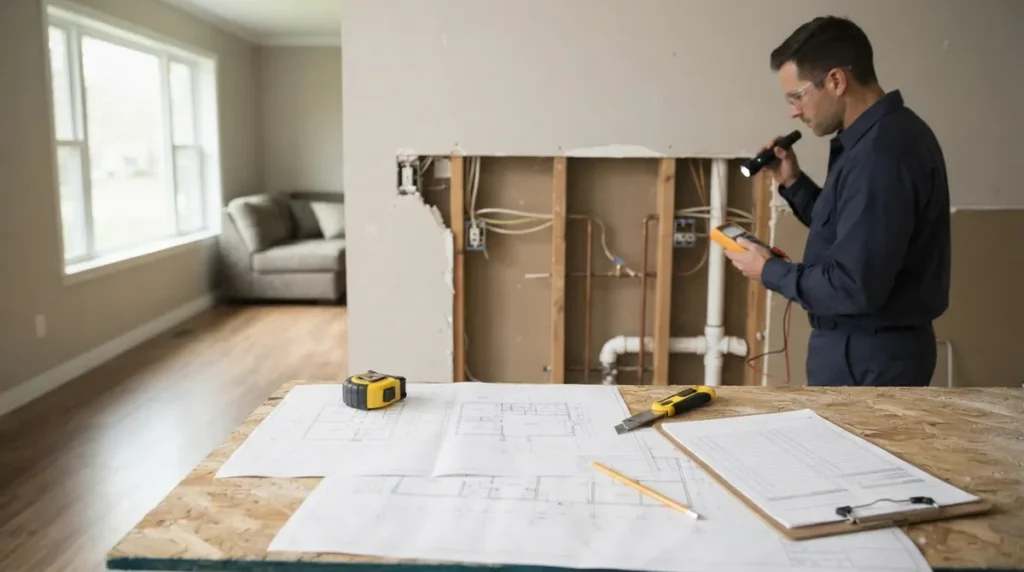
For concealed work like wiring or plumbing, building officials may require you to expose sections for inspection or provide engineering documentation proving structural soundness before final approval.
-
Don't wait for a code enforcement notice—voluntary disclosure is treated more favorably, and resolving this before buying, selling, or refinancing a property prevents far more expensive problems down the road.
So you (or the person who owned your house before you) built something without pulling a permit. Maybe it was a screened patio, a converted garage, or that beautifully finished basement bar nobody ever documented. First, take a breath. You're in good company, and Florida actually has a well-worn path for making things right. The real question everyone asks is simple: can I get a permit for work already done in Florida, or is it too late?
The short answer is usually yes. Florida property owners can typically apply for what's called an after-the-fact permit, sometimes called a retroactive or legalization permit, for construction completed without the required approval. But "usually yes" comes with some important footnotes, and that's exactly what we're unpacking today. Whether you're a homeowner in Bradenton, a real estate agent closing a deal in Tampa, or a general contractor cleaning up a client's old project, this guide will walk you through what's really involved.
What Does "After-the-Fact Permit" Actually Mean?
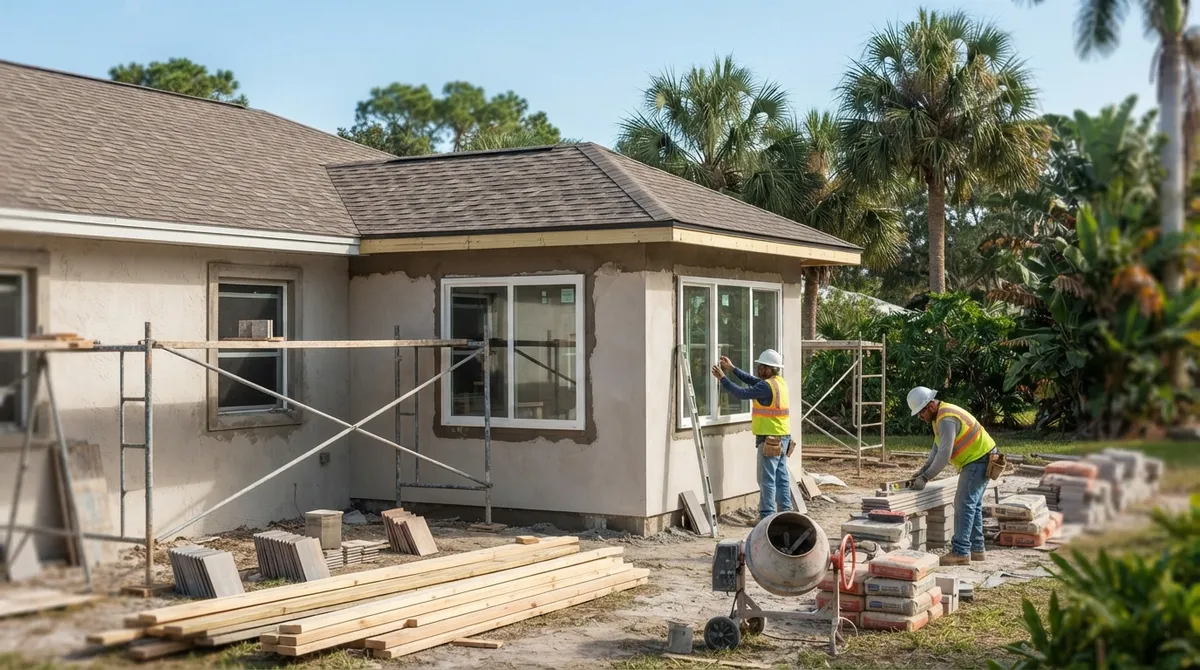
An after-the-fact permit is exactly what it sounds like: a permit application submitted for work that's already built, installed, or completed. Instead of the usual sequence (apply, get approved, then build), you're doing it backwards. You built first, and now you're circling back to get it blessed by the local building department.
Florida Statutes §553.79 lays the groundwork for how permits and inspections work across the state, but the day-to-day details are handled locally. That means your experience in Pinellas County might look different from a similar situation in Miami-Dade County. Some jurisdictions have a dedicated after-the-fact process with its own forms and fee schedule. Others simply run it through the standard permit application, just with extra documentation requirements tacked on.
Why This Happens So Often in Florida
Florida's mix of older housing stock, frequent property turnover, and a culture of DIY weekend warriors means unpermitted work shows up constantly. Common examples include:
- Enclosed lanais or converted carports done by a previous owner
- Water heater or electrical panel swaps handled by a handyman instead of a licensed contractor
- Additions or bedroom conversions completed decades ago, before current owners even purchased the home
- Solar installations where the paperwork never got filed properly
- Kitchen or bathroom remodels where plumbing or electrical work slipped through without inspection
None of these situations make you a bad person or a bad contractor. They just mean it's time to get things squared away, and honestly, the sooner the better.
Can I Get a Permit for Work Already Done in Florida? The Real Process
Let's get into the meat of it. Here's generally how the after-the-fact permit journey unfolds:
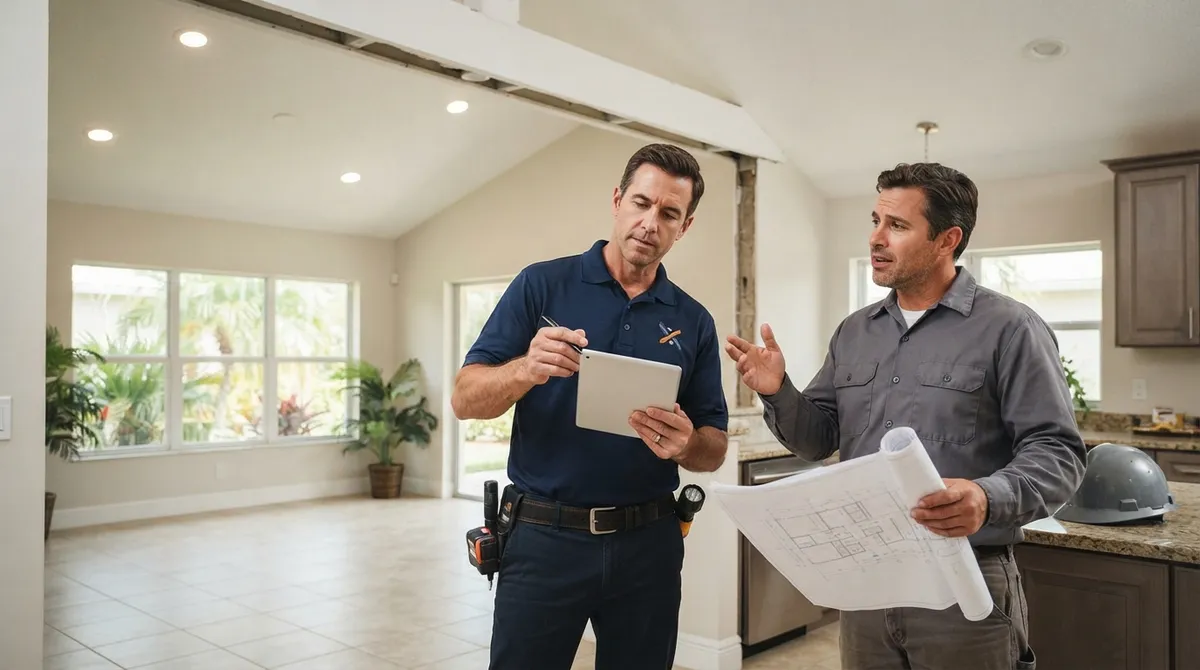
- Contact the building department first. Before filling out a single form, reach out to the building department covering the property address. Have the address, a clear description of the work, and any code enforcement notice ready. Not sure which office actually has jurisdiction? A quick check with a building department lookup tool can save you a wasted phone call to the wrong office.
- Determine which process applies. Some counties, like the Town of Palm Beach, publish specific legalization guidelines. Others fold after-the-fact work into their standard permitting system. Either way, you'll want written confirmation of what's expected.
- Gather as-built documentation. This usually means drawings that show the work exactly as it was constructed, not as originally planned. Depending on the scope, you may need surveys, product approvals, load calculations, or manufacturer specs.
- Get sealed plans if required. Certain jurisdictions require documentation sealed by a Florida-licensed architect or professional engineer, especially for structural, electrical, or plumbing work. This isn't a statewide rule, but it's increasingly common.
- Submit the application and pay applicable fees. Fees for after-the-fact permits are often higher than standard permit fees, sometimes significantly so, to reflect the fact that work happened outside the normal review process.
- Complete required inspections. This is often the trickiest part, especially for concealed work like wiring behind drywall or plumbing under a slab.
- Address any corrections. If something doesn't meet code, you'll need to fix it, whether that means opening up a wall, adding support, or replacing outdated materials.
- Receive final approval and closeout. Once everything checks out, you'll get your final inspection sign-off. Hold onto that documentation forever. Seriously, future you (or a future buyer) will thank you.
What Documentation Will You Likely Need?
| Document Type | When It's Typically Required | Who Prepares It |
|---|---|---|
| As-built drawings | Almost always, for any structural or spatial change | Licensed drafter or engineer |
| Structural calculations | Additions, load-bearing wall changes, roof modifications | Florida-licensed engineer |
| Electrical/plumbing schematics | Any concealed MEP work | Licensed engineer or contractor |
| Property survey | Additions affecting setbacks or lot coverage | Licensed surveyor |
| Product approval documents | Windows, doors, roofing materials | Manufacturer or contractor records |
If this list feels overwhelming, that's completely normal. Most homeowners aren't sitting on structural calculations for a patio their uncle built in 2004. That's exactly why services like as-built drawing preparation and in-house engineering exist, to translate "what actually got built" into documents a reviewer can approve.
After-the-Fact Permit vs. Ignoring the Problem: A Real Comparison
Some people wonder if it's simpler to just leave things as they are and hope nobody notices. We get it, permits can feel like unnecessary paperwork when the work is already sitting there, functioning just fine. But let's compare the two paths honestly.
| Factor | Getting an After-the-Fact Permit | Ignoring the Unpermitted Work |
|---|---|---|
| Resale/closing | Clean title, no surprises at inspection | Common cause of delayed or collapsed closings |
| Insurance claims | Coverage typically intact | Insurers may deny claims tied to unpermitted areas |
| Cost | Fees plus possible corrections now | Often far higher costs later, plus fines |
| Code enforcement risk | Resolved proactively | Potential citations, liens, forced removal |
| Peace of mind | Documented, defensible, done | Ongoing uncertainty and stress |
When you put it side by side like that, the after-the-fact permit route wins pretty clearly, even though it takes more effort upfront. Miami-Dade County's permit-exemption guidance is a good reminder here too: certain categories of work, including electrical, plumbing, structural, and mechanical, always require a permit no matter how small the job seems.
What If the Work Can't Be Approved As-Is?
This is the part nobody loves talking about, but we'll be straight with you: an after-the-fact permit doesn't guarantee your existing work gets to stay exactly as built. The building official reviews everything against current code and zoning requirements. If concealed framing, wiring, or plumbing can't be verified, you may need to expose it for inspection or provide engineering documentation proving it's sound.
In rarer cases, if something truly can't be brought into compliance, the local authority might require modifications or even removal. It's not the outcome anyone wants, but it's far better to discover this now, through a controlled process, than after a fire, flood, or storm exposes the issue the hard way.
Special Considerations by Property Type
- Single-family homes: Florida Statutes §553.792 offers expedited processing for certain qualifying permits on existing single-family homes valued under $15,000, though this isn't a blanket guarantee for after-the-fact approval.
- Condos and older buildings: If your property falls under 40-year recertification requirements, unpermitted alterations can complicate that inspection significantly.
- Solar installations: Structural attachment points and electrical interconnections need documentation that satisfies both building and utility requirements.
- Commercial spaces: Certificate of Occupancy and Certificate of Use status can be affected by unpermitted buildouts, which matters a lot if you're trying to open or sell a business.
Who Should Handle This For You?
Honestly? This is one of those situations where doing it yourself often costs more time and money than hiring help. A misfiled application, missing documentation, or a reviewer comment you don't know how to answer can stall your permit for months.
This is where a dedicated permitting partner earns its keep. At 1 Contractor Solutions, after-the-fact and expired permits are one of our specialties precisely because we know how frustrating and confusing they can be for property owners. Our team handles the whole arc: figuring out which jurisdiction actually governs your property, preparing sealed as-built drawings in house, filing the application, and working every single reviewer comment until you reach closeout. If you've been quietly stressing about a garage conversion nobody ever permitted, our after-the-fact and expired permits service exists exactly for that conversation.
Real estate professionals in particular deal with this constantly. If you've ever had a deal nearly fall apart because an inspector found unpermitted work during a walkthrough, you know how stressful that timeline crunch feels. Our realtor and closing support services are built to help resolve these issues fast enough to save the closing date.
Common Scenarios We See Across Florida
Every county has its own personality when it comes to after-the-fact permitting. In Tampa, we regularly see unpermitted pool enclosures and patio conversions. In Miami, it's often older multifamily buildings with electrical work that predates current code. Out in Cape Coral and Naples, seawalls and dock structures frequently show up without proper documentation.
No matter where your property sits, from Fort Lauderdale to Jacksonville, the underlying principle stays the same: local building departments want documentation, verification, and, when needed, correction. They're not trying to punish you. They're trying to make sure the building is safe for whoever lives or works there next.
A Quick Word for Contractors and Solar Companies
If you're a general contractor who's inherited a job with legacy unpermitted work, or a solar company discovering an old rooftop modification that was never documented, you're not alone in facing this. It happens constantly, and it doesn't have to derail your project timeline. Coordinating plan review alongside an after-the-fact application can actually keep your current project moving while the historical issue gets resolved in parallel.
For design professionals and specialty trades who don't want to keep in-house drafting staff, outsourcing this kind of work to a team with in-house sealed drawings means faster turnaround and fewer bottlenecks. It's worth exploring what a dependable outsourced partner can add to your workflow, especially during busy permitting seasons.
Frequently Overlooked Tips Before You Apply
Before you dive in, a few friendly reminders that can save you real headaches:
- Don't wait for a code enforcement notice to act. Voluntary disclosure is almost always treated more favorably than getting caught.
- Keep every receipt, permit, and inspection record forever. Digital copies count, but keep them organized.
- If you're buying a property, request open permit searches before closing, not after. It's much easier to negotiate repairs into a contract than to inherit someone else's unfinished business.
- Ask your building department directly whether they have a formal after-the-fact process or handle it case by case. This one phone call can save weeks.
You can learn more about broader industry standards and permitting frameworks through resources like the Florida Statutes governing building permits and inspections, which lay out the state-level framework that local jurisdictions build upon.
Ready to Get Started?
Discovering unpermitted work on your property isn't fun, but it's fixable, and honestly, tackling it now is one of the smartest moves you can make for your home's value and your own peace of mind. Whether you're a homeowner near Bradenton, a realtor closing a deal in Sarasota, or a contractor managing a portfolio of projects statewide, there's a clear path forward.
We'd love to help you sort out exactly what your property needs and get moving toward a resolution that actually sticks. Feel free to get a free quote and let our team map out the fastest, least stressful path to a fully permitted, fully documented property. You can also follow us on LinkedIn or follow us on Facebook for permitting tips and updates from across Florida, and don't forget to visit us on Google — 1 Contractor Solutions to see what our clients have to say. You've got this, and we're genuinely happy to help along the way.
FAQs
Can I get an after-the-fact building permit in Florida?
In most cases, yes! Florida building departments generally allow you to apply for an after-the-fact permit for work that's already finished. It's not a rubber stamp, though, so expect documentation requests, inspections, and maybe a few extra steps before you get that stamp of approval.
How do I legalize unpermitted work in Florida?
The friendly first step is calling your local building department (not skipping it, we promise it helps) and being upfront about the work. From there you'll usually need as-built drawings, sometimes sealed by a licensed engineer, plus inspections to confirm everything is safe and code-compliant.
What happens if I remodel without a permit in Florida?
Nothing happens immediately, but it becomes a real headache down the road, especially at resale, refinance, or insurance renewal time. The good news is Florida's process for fixing it exists precisely because this situation is so common, so you're definitely not alone.
Will Florida require me to open walls for an after-the-fact inspection?
Sometimes, yes, especially for plumbing, electrical, or framing work that inspectors can't verify any other way. It sounds stressful, but a good engineer or contractor can often minimize the damage with targeted openings instead of tearing out entire walls.
How much does an after-the-fact permit cost in Florida?
It varies quite a bit by county, since local governments set their own fee schedules, sometimes doubling or tripling the standard permit fee. Monroe County, for example, charges 10% of construction cost or $500, whichever is greater, but your county's building department is the best source for exact numbers.
We do this work every day across all 67 Florida counties. Call (866) 314-6931 and we will tell you what your situation actually requires — including when you do not need us.
Related services
Permit Facilitation & Filing
You have a crew scheduled, a client asking for dates, and a permit sitting somewhere in a queue you cannot see. We file it, w…
See the servicePlan Review Coordination
A permit in plan review is not one queue. On a commercial project it can be six queues, each with its own reviewer, its own c…
See the serviceReady to get your permit moving?
One call tells you which jurisdiction controls your project, what it will take, and what it will cost. Most of the time we can scope it on the phone.