
Blog
8 Mistakes When Hiring an Engineer for Unpermitted Work
Avoid these 8 costly mistakes when hiring an engineer to verify an unpermitted structure in Florida — from jurisdiction checks to documentation gaps.
Key Takeaways
-
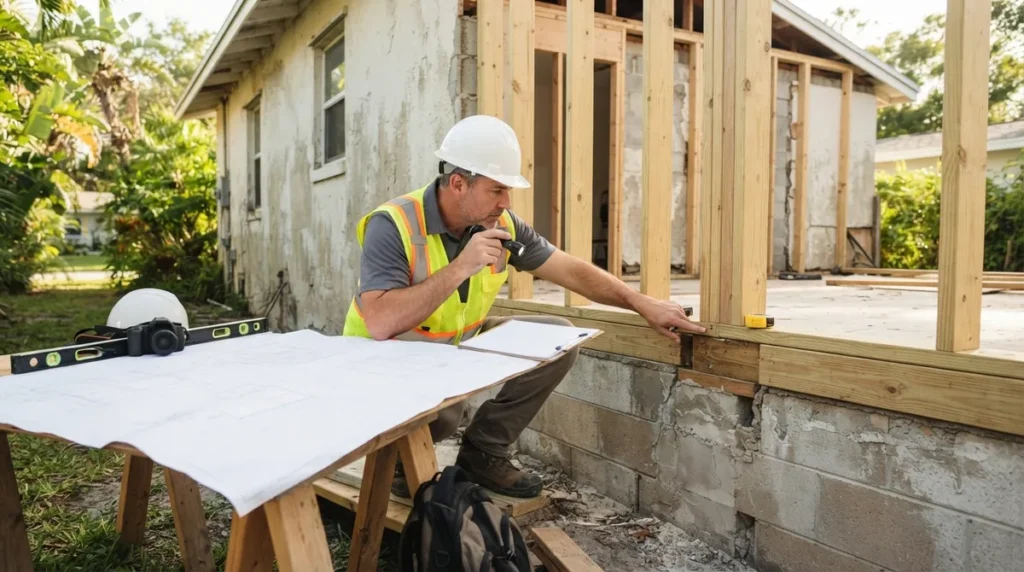
Hire a Florida-licensed engineer experienced with existing-building evaluations and after-the-fact permits, not just any structural engineer, as retroactive permitting requires specialized knowledge of local jurisdictional requirements.
-
An engineer's inspection and signed letter is only the starting point—the local building department (AHJ) has final approval authority and may require additional testing, modifications, or inspections before legalization.
-
Confirm your exact jurisdiction before hiring anyone, as Florida's 67 counties and hundreds of municipalities each have different after-the-fact permitting processes, fee schedules, and documentation requirements.
-
Gather comprehensive as-built documentation including construction date estimates, structural calculations, narrative reports, and sealed plans—missing any piece typically triggers delays and requests for more information.
-
Plan for potential code, zoning, floodplain, and fire-safety compliance issues that could require corrective work or partial removal, not just structural verification, before final approval is granted.
-
Start the legalization process immediately rather than waiting, as delays during real estate closings, insurance claims, or code enforcement cases can turn routine applications into urgent, expensive scrambles.
So you just found out there's an unpermitted structure on your property — maybe it's a screened porch a previous owner added, a converted garage, or a shed that's bigger than it should be. Take a breath. You're not alone, and you're definitely not the first person to Google their way into this situation. Every week, homeowners, real estate agents, and contractors across Florida start looking for an engineer to verify an unpermitted structure, and the good news is that there's a clear path forward — as long as you avoid a few very common (and very costly) mistakes along the way.
We wrote this guide because we've seen these mistakes play out again and again, from Tampa bungalows to Sarasota lanais to Miami additions. Whether you're a homeowner trying to sell your house, a general contractor cleaning up a client's paperwork mess, or a realtor trying to save a closing, this article will walk you through the eight missteps that trip people up most — and how to sidestep them with confidence.
Why an Engineer Alone Can't "Legalize" Your Structure
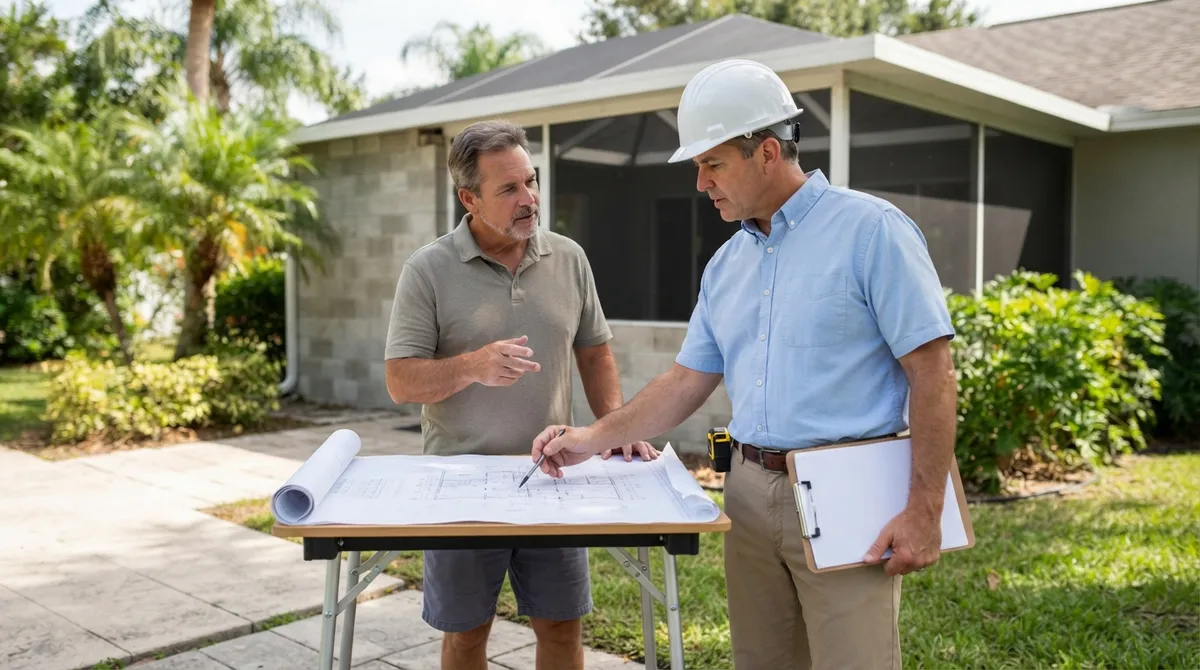
Let's start with the biggest misunderstanding we see. A lot of folks assume that once a licensed engineer inspects and signs off on their unpermitted structure, the problem is solved. Unfortunately, that's not quite how it works in the Sunshine State.
Florida Statutes §553.79 sets the statewide framework requiring a building permit before most construction, alteration, or repair work. But the engineer's evaluation is only one piece of the puzzle. The actual approval — the legalization — has to come from your local building department, the authority having jurisdiction (AHJ). An engineer's report supports your after-the-fact permit application; it doesn't replace it.
Mistake 1: Assuming One Inspection Equals Approval
Many owners hire an engineer, get a signed letter, and think they're done. In reality, that letter is the starting point of your after-the-fact (retroactive) permit application, not the finish line. The local building official still reviews everything, may require additional testing, and has the final say on whether the structure is approved as-is, needs modifications, or must be partially removed.
Mistake 2: Skipping the Jurisdiction Check
Florida has 67 counties, plus hundreds of municipalities, and each one can have its own after-the-fact permitting process, fee schedule, and documentation requirements. What flies in Hillsborough County might not fly in Pinellas County or Miami-Dade County. Before you hire anyone, use a tool like our building department lookup to confirm exactly which office controls your property — especially important if you're near a city line.
Common Missteps When Choosing Your Engineer
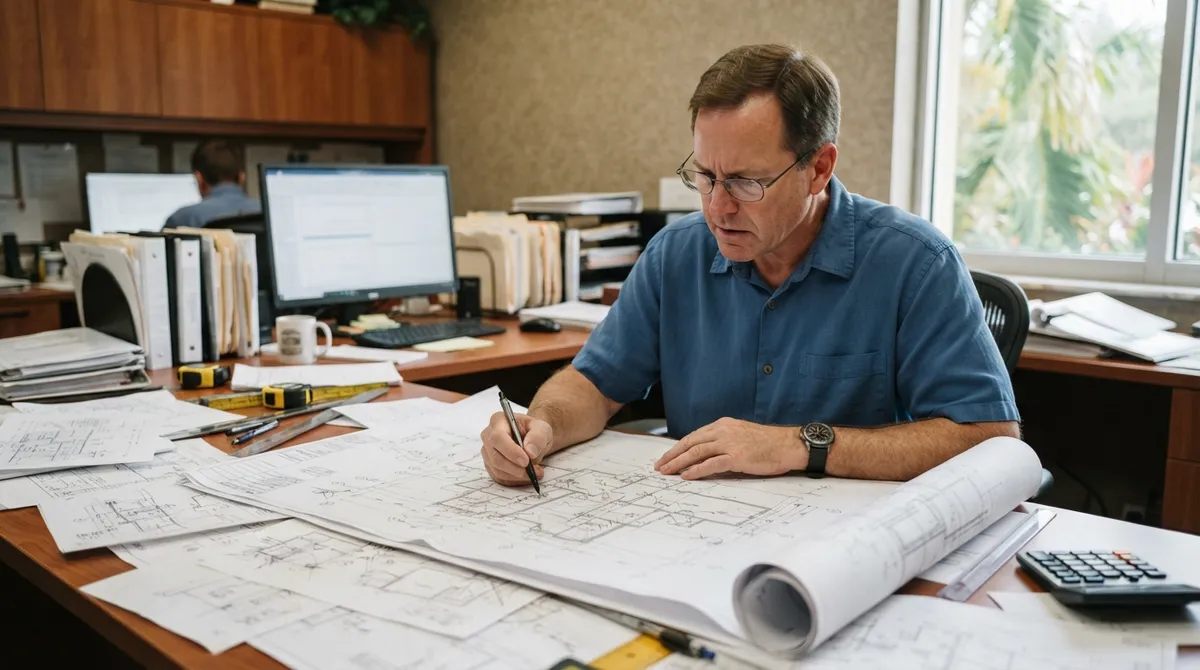
Once people understand they need professional help, the next round of mistakes usually happens during the hiring process itself.
Mistake 3: Hiring Someone Unfamiliar With Existing-Building Evaluations
Not every structural engineer regularly handles retroactive permitting. Evaluating existing, concealed, or older construction requires a different skill set than designing new buildings from scratch. You want someone who has experience specifically with after-the-fact and expired permits, understands how to document as-built conditions, and knows how local building officials in your jurisdiction typically respond to these applications.
Mistake 4: Expecting a Guarantee of Approval
Be wary of anyone who promises your structure will absolutely pass before they've even looked at it. A responsible, Florida-licensed engineer will define the scope of their evaluation, tell you what they can and cannot verify visually, and be upfront that final approval rests with the AHJ — not with them. Overpromising is a red flag, not a selling point.
| Task | Who Handles It | What They Provide |
|---|---|---|
| Structural evaluation | Florida-licensed engineer | Signed and sealed as-built plans, calculations, narrative report |
| Application review | Local building department (AHJ) | Determines permit requirements, inspections, and approval |
| Testing of concealed work | Engineer or specialty inspector, as required | Nondestructive or destructive testing reports |
| Filing and tracking | Permit expediting service | Application submission, comment resolution, status updates |
Documentation Errors That Slow Everything Down
Even when you hire the right engineer, paperwork problems can stall your application for months.
Mistake 5: Missing Key As-Built Documentation
Local legalization guidance — like the process used in the Tampa area — typically requires documentation of the as-built condition, an estimate of construction date and how it was determined, the applicable code basis, structural calculations, and a narrative explaining how compliance was evaluated. Skipping any of these pieces almost always triggers a request for more information, adding weeks to your timeline.
- Gather any existing records — old surveys, permits for neighboring work, aerial imagery, or contractor invoices that hint at when the structure was built.
- Schedule the engineer's site visit and be transparent about anything you know regarding the structure's history.
- Request signed and sealed as-built plans, not just a narrative letter.
- Confirm with the local building department what specific legalization certificate format they require before you submit anything.
Mistake 6: Assuming a Visual Inspection Covers Everything
A licensed engineer can inspect visible conditions and make professional judgments, but a walkthrough alone may not verify what's hidden behind drywall, under flooring, or inside a foundation. If framing, connections, or wiring are concealed, the building department may require destructive or nondestructive testing, opening up finishes, or additional inspections before they'll approve anything. Don't assume a quick site visit is the end of the process — ask your engineer directly what limitations apply to their certification.
Code and Zoning Blind Spots
This is where things can get genuinely stressful if you're not prepared for it.
Mistake 7: Ignoring Code, Zoning, and Floodplain Requirements
Getting your structure evaluated is only half the equation. The building official will also check whether it complies with current building-code provisions, zoning setbacks, floodplain rules, and fire-safety requirements. If your unpermitted addition sits too close to a property line, or if it's in a flood zone that requires elevation certificates, you may be looking at corrective work — or in rare cases, removal — before you can move forward. Our code compliance and violations team frequently helps owners untangle these overlapping issues before they escalate into formal citations.
Mistake 8: Waiting Too Long to Start the Process
Unpermitted structures don't resolve themselves, and delaying action almost always makes things worse — especially if a real estate closing, insurance claim, or code enforcement case is already in motion. The sooner you identify the jurisdiction, gather documentation, and bring in the right engineering and permitting team, the more options you'll have. Waiting can mean a routine after-the-fact permit turns into an urgent, deadline-driven scramble.
What the Legalization Process Typically Looks Like
While every county handles the details a little differently, most after-the-fact permit journeys follow a similar general path:
- Identify the correct building department and confirm whether there's an open code-enforcement case tied to the property.
- Ask the building department exactly what they require for an after-the-fact application, including fees and required forms.
- Hire a Florida-licensed engineer experienced with existing-building evaluations to inspect the structure and prepare sealed as-built documents.
- Submit the application along with supporting plans, calculations, and any required testing reports.
- Respond to reviewer comments and schedule any required inspections.
- Receive final approval — or address deficiencies through repairs, retrofits, or, in rare cases, removal of noncompliant work.
Because Florida Statutes §553.79 establishes the statewide framework but leaves the specifics to local building officials, no single checklist applies everywhere. That's exactly why working with a team that understands jurisdiction-by-jurisdiction quirks — across counties like Manatee, Broward, and Orange — can save you months of guesswork.
Who Benefits Most From Getting This Right
This process touches a lot of different people, and each group has slightly different priorities.
| Audience | Primary Concern | How Proper Engineering Help Solves It |
|---|---|---|
| General contractors | Keeping crews scheduled without permit delays | Sealed as-built plans move applications through review faster |
| Solar companies | Structural sign-off for panel mounting on existing roofs | Engineer verification supports code-compliant interconnection approvals |
| Realtors and investors | Closing on time despite title or inspection issues | Early engineering evaluation clears up unpermitted-structure concerns before closing |
| Homeowners | Avoiding fines and protecting resale value | Documented legalization process reduces liability and future disputes |
If you're a solar contractor trying to mount panels on a structure with unclear permit history, or a realtor racing against a closing date, an experienced permitting partner can coordinate the engineering, the paperwork, and the building department communication all at once — instead of you juggling three separate vendors.
How 1 Contractor Solutions Helps You Avoid These Mistakes
At 1 Contractor Solutions, our engineering and drafting department works in-house, which means our own licensed engineer signs and seals the documentation your building department needs — no waiting on outside consultants to return a call. We handle engineering, structural engineering, and as-built drawings for unpermitted structures across all 67 Florida counties, and we coordinate directly with local building officials through our plan review coordination service.
We're also a licensed private provider, meaning we can sometimes perform plan review ourselves rather than leaving you stuck in a county queue — through our private provider inspections service. Whether you're in Tampa, Sarasota, Fort Lauderdale, or anywhere in between, we respond within 30 minutes, day or night, and we take on the after-the-fact files that other firms decline. You can also Visit us on Google — 1 Contractor Solutions to see how we've helped homeowners and contractors resolve similar situations across the state.
For more background on Florida's statewide permitting framework, the official Florida Statutes §553.79 text is a helpful reference, and the Tampa-area legalization guidance document offers a real-world example of what one jurisdiction requires. You can also follow us on LinkedIn or follow us on Facebook for ongoing updates on Florida permitting rules and case studies.
Ready to Get Your Unpermitted Structure Verified the Right Way?
Unpermitted structures feel overwhelming at first, but they're genuinely fixable when you have the right engineering evaluation, the right documentation, and a team who already knows what your local building department expects. You don't have to figure this out alone, and you definitely don't have to guess your way through county-specific requirements. If you're ready to move forward with confidence, get a free quote from our team today, and let's get your structure legalized without the stress.
FAQs
How do I legalize an unpermitted structure in Florida?
You'll typically need to identify your local building department, ask what their after-the-fact permit process requires, and hire a Florida-licensed engineer to prepare sealed as-built documents. From there, you submit the application and work through any inspections or comments the building official requests. It's a process, but it's very doable with the right guidance!
Do I need a Florida-licensed engineer to get an after-the-fact permit?
In most cases, yes — especially if structural elements are involved. Local building departments often require signed and sealed plans from a licensed engineer or architect before they'll consider legalizing the structure. It's always worth confirming the exact requirement with your specific jurisdiction, since rules vary county to county.
Can an engineer certify a structure without opening walls or ceilings?
Sometimes, but not always. A visual inspection can cover a lot, but concealed framing, wiring, or connections may require the building department to ask for testing or exposure of hidden work before they'll sign off. Your engineer should be upfront about what they can and cannot verify from a visual review alone.
Will I have to bring an older unpermitted structure up to current Florida Building Code requirements?
It depends on your local building official's determination, since Florida Statutes §553.79 sets the framework but doesn't spell out one uniform standard for every structure. Some jurisdictions evaluate against the code in effect when the work was built, while others may require updates. This is exactly why local guidance matters so much.
What happens if an unpermitted structure fails inspection or violates zoning rules?
If deficiencies show up, you may need to complete repairs, retrofits, or in some cases remove noncompliant portions of the structure. Zoning, floodplain, or fire-safety issues can add extra steps too, but none of this is the end of the world — it just means a bit more coordination before you get that final approval.
We do this work every day across all 67 Florida counties. Call (866) 314-6931 and we will tell you what your situation actually requires — including when you do not need us.
Related services
Permit Facilitation & Filing
You have a crew scheduled, a client asking for dates, and a permit sitting somewhere in a queue you cannot see. We file it, w…
See the servicePlan Review Coordination
A permit in plan review is not one queue. On a commercial project it can be six queues, each with its own reviewer, its own c…
See the serviceReady to get your permit moving?
One call tells you which jurisdiction controls your project, what it will take, and what it will cost. Most of the time we can scope it on the phone.