
Blog
8 Ways to Expedite an After-the-Fact Permit in Florida
Wondering how to expedite an after-the-fact permit in Florida? Here are 8 practical ways to cut delays, plus fees, inspections, and review deadlines.
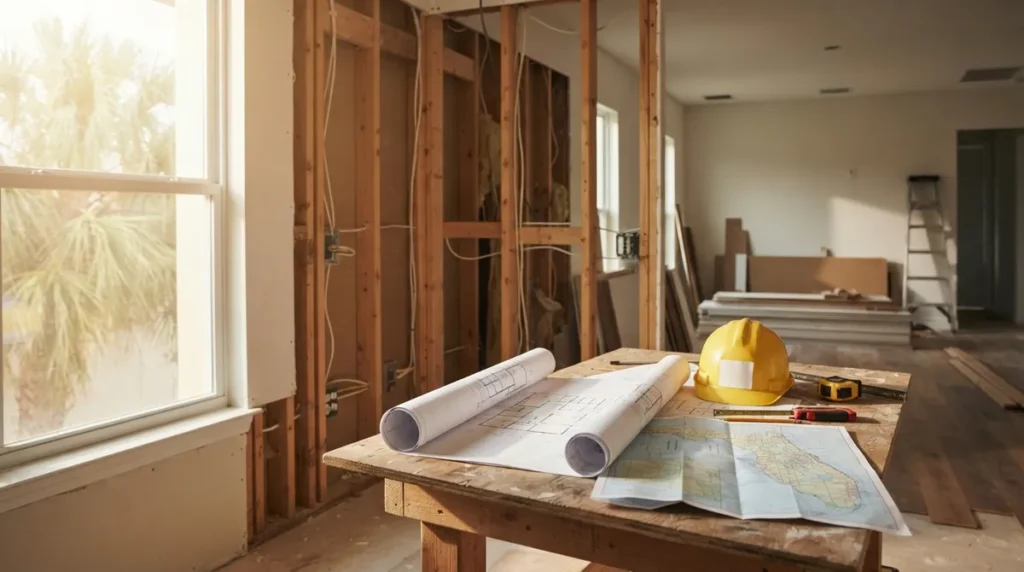
Key Takeaways
-
Confirm the correct jurisdiction first by checking the property appraiser record, since city, county, and special district lines near borders often cause filing delays of weeks.
-
Ask the building department up front what documents, engineer letters, and as-builts it requires for already-completed work, and record who gave the answers.
-
Submit a complete package with as-built drawings showing what actually exists; Florida Statutes §553.792 requires notice within 5 business days if anything is missing.
-
Answer reviewer comments the same day, point by point, and resubmit as one clean package rather than piecemeal uploads.
-
Do not close up, patch, or paint concealed work before asking which areas the inspector must see, since uncovering requests are a common avoidable delay.
-
Budget for surcharges: Miami-Dade charges 100% of the usual permit fee for unpermitted work, and engineering, reinspections, and corrections can add significant cost.
So the work is already done, and now someone has told you it was never permitted. Maybe a buyer's inspector flagged it. Maybe a lender is asking questions. Maybe a code officer left a notice on the door. First, take a breath. You are far from the first Florida owner or contractor to land here, and there is a clear path out.
If you have been asking yourself, how do I expedite an after the fact permit in Florida, here is the honest answer: there is no statewide fast lane built just for after-the-fact work. But there are plenty of smart moves that shave days or even weeks off the timeline, mostly by avoiding the mistakes that send applications back for corrections.
This 2026 guide walks through eight practical ways to move faster, what to expect on fees and inspections, and how to know when to hand the file to a pro. Whether you are a general contractor, solar company, realtor, designer, or homeowner, you will find something useful here.
What an After-the-Fact Permit Really Is (and Why Speed Is Tricky)
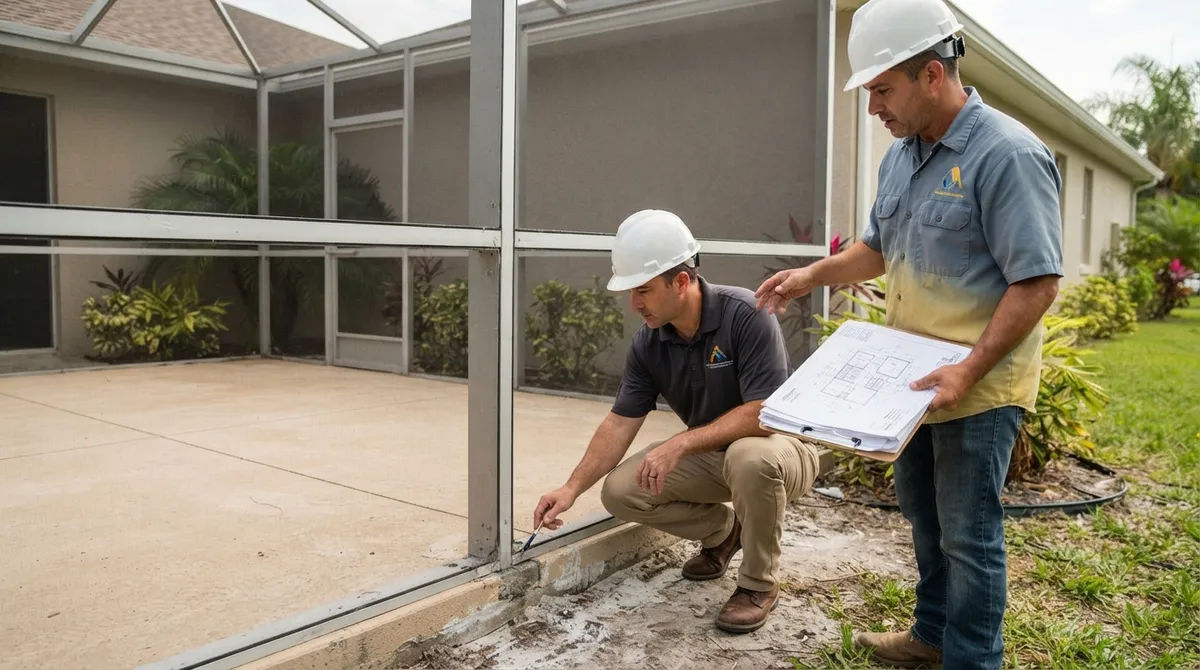
An after-the-fact permit is an application for work that was already performed without the required permit. The building department with jurisdiction over the property reviews it, often asking for as-built documentation, and then inspects the finished work to confirm it meets the Florida Building Code.
Speed is tricky because the department has to verify things it could not watch happen. Concealed framing, wiring, plumbing, and fasteners may need to be exposed or otherwise proven compliant. That is why the tips below focus on preparation, accuracy, and responsiveness rather than shortcuts.
If you want the full overview first, our guide on how to get an after-the-fact permit in Florida covers the basics, and our service page for after-the-fact and expired permits shows how we handle these files.

1. Confirm the Correct Jurisdiction Before You Do Anything Else
The fastest way to lose two weeks is to file with the wrong office. In Florida, your property might be governed by a city, a county, or sometimes a special district, and the line is not always obvious near city borders.
Before preparing a single drawing, confirm which department actually issues permits for your address. Our free building department lookup tool can help, and our article on which Florida jurisdiction reviews my project explains the common traps.
- Check the property appraiser record for the municipality listed
- Verify whether an HOA or special district adds its own approval
- Call the building department to confirm how it handles unpermitted work
2. Ask the Department What It Requires for Your Specific Work
Every jurisdiction has its own checklist for existing unpermitted work. Some want a signed and sealed engineer letter. Some want full as-built plans. Others want both, plus a survey or product approvals.
A short call or email up front prevents the dreaded rejection notice. Ask these questions before you file:
- What documents are required for work already completed?
- Do you need as-built drawings, an engineer letter, or both?
- Will inspectors need concealed work exposed?
- What additional fees apply to work done without a permit?
- Is there a published expedited or private provider option for this permit type?
Write down the answers and who gave them. That small habit can save a lot of back-and-forth later.
3. Submit a Complete Package That Matches the Work Actually Built
Completeness is the single biggest lever you control. Under Florida Statutes §553.792, local governments must give written notice within 5 business days after receiving an application, identifying anything needed to decide whether it meets published filing requirements. A package that is complete on day one skips that detour entirely.
A strong after-the-fact package usually includes:
- The signed application and owner or contractor authorization
- Accurate scope and valuation of the work performed
- As-built drawings that show what exists, not what was supposed to exist
- Contractor license and insurance information
- Engineering letters or calculations where required
- Product approvals for windows, doors, roofing, and similar items
- Any zoning or trade-permit documents the work triggers
The key phrase is matches the actual work. Plans that describe a cleaner, idealized version of the job are a fast route to a failed inspection.
4. Invest in Accurate As-Built Drawings and Sealed Engineering
Reviewers move quickly when drawings are clear, dimensioned, and consistent with the field conditions. They slow to a crawl when the plans are vague or contradict what the inspector sees on site.
This is where in-house drafting and engineering pay off. When a reviewer asks for a structural detail or a revised electrical load calculation, a team with its own sealed drawings can answer in a day instead of waiting on an outside consultant.
Helpful resources if you need this documentation:
- As-built drawings that reflect existing conditions
- Engineer letters certifying structural or code compliance
- Structural engineering and MEP engineering for concealed systems
5. Know the Review Clocks Florida Law Gives You
While there is no after-the-fact fast track, Florida law does set decision deadlines for certain complete and sufficient applications. Knowing them helps you spot when a file has stalled and when to politely escalate.
| Permit Category | Statutory Review Deadline (§553.792) |
|---|---|
| Specified residential permits under 7,500 sq. ft. | 30 business days |
| Specified residential permits at or above 7,500 sq. ft. | 60 business days |
| Signs and nonresidential buildings under 25,000 sq. ft. | 60 business days |
| Written notice of missing information | 5 business days after receipt |
A few important caveats. These are decision deadlines, not guarantees of approval, and they are not a special after-the-fact turnaround. Applicability depends on the permit type and reviewing authority. A local government that misses an applicable deadline may owe a fee reduction of 10% for each business day of delay, subject to exceptions such as applicant-caused delay, written extensions, or extraordinary circumstances.
Translation: a complete, accurate application is what actually starts those clocks working in your favor.
6. Respond to Review Comments the Same Day
Every day a comment sits unanswered is a day the clock effectively pauses. Contractors who treat reviewer comments like urgent texts tend to finish in a fraction of the time of those who let them pile up.
Here is a simple routine that works:
- Check the portal daily, not weekly
- Forward comments to your drafter or engineer immediately
- Answer every comment point by point, with the sheet reference
- Resubmit as one clean package instead of piecemeal uploads
- Confirm receipt, then follow up if there is no movement
For more detail, see our service on revisions and resubmittals and plan review coordination.
7. Prepare for Inspections and Possible Uncovering
Inspectors cannot approve what they cannot see. Miami-Dade County, for example, states that permits may be issued for existing work done without a permit, but inspectors may require portions to be uncovered or corrected to verify code compliance, and additional inspection fees may apply.
Do not conceal, patch, or repaint anything before you have asked the department what inspection access it needs. Closing up a wall that an inspector wanted to see is one of the most common and most avoidable delays.
- Ask which areas must be opened for verification
- Schedule the uncovering and the inspection back to back
- Have an engineer available to certify items that cannot be exposed
- Keep photos and receipts that document materials and methods
When you are ready for sign-off, our inspections support can help you walk in prepared. And if a final fails, our article on what to do when a Florida final inspection fails lays out the recovery steps.
8. Know Which Fast-Track Options Might Apply and When to Bring in a Pro
Florida law requires local governments to publish procedures for expedited processing where expedited review is required by law, but eligibility depends on the permit type and local rules. In some jurisdictions, a licensed private provider can perform plan review and inspections, which can bypass a long county queue. Whether that applies to your after-the-fact job depends on the jurisdiction, so ask early.
Compare your main routes at a glance:
| Approach | Best For | Speed Factor | Watch Out For |
|---|---|---|---|
| File it yourself | Simple, small-scope work | Depends on your accuracy | Incomplete packages and slow comment responses |
| Hire a permit facilitator | Multi-trade or multi-county jobs | Faster filing and tracking | Make sure engineering is included |
| Private provider review | Where the jurisdiction allows it | Can skip the county queue | Not available for every permit type or place |
| Full-service team with in-house engineering | Work needing sealed drawings and corrections | Fastest turnaround on revisions | Confirm the team handles your county |
This is where a dedicated partner earns its keep. 1 Contractor Solutions acts as an outsourced permitting department across all 67 Florida counties, handling filing, tracking, reviewer comments, and revisions, with in-house drafting and sealed engineering so corrections do not wait on outside consultants. We also operate as a licensed private provider where the jurisdiction allows it. If a closing, stop work order, or denial is on the line, our urgent permit rescue service is built for exactly that pressure.
What It Will Cost: Fees and Surprises to Budget For
Speed means little if the budget catches you off guard. After-the-fact permits often cost more than permits pulled upfront. Miami-Dade County states that an applicant may owe an additional fee equal to 100% of the usual permit fee for work performed without a permit, on top of the regular fee. That is a local example, not a statewide rate. Other jurisdictions set their own surcharges, reinspection fees, and penalties, so always check the current local fee schedule.
| Possible Cost | What to Know |
|---|---|
| Standard permit fee | Based on valuation and permit type |
| Unpermitted-work surcharge | Miami-Dade states 100% of the usual fee; other places vary |
| Plans and engineering | As-builts, sealed letters, calculations |
| Reinspection and uncovering | Repairing finishes after exposing concealed work |
| Corrections | Bringing noncompliant work up to code |
For a deeper dive, read our breakdown of after-the-fact permit costs in Florida.
A Permit Does Not Legalize Work That Fails Code
One more reality check, delivered kindly. Getting a permit application accepted does not mean the work is approved. If the work fails Florida Building Code or zoning requirements, the authority may require corrections, revised plans, additional trade permits, or even removal of the noncompliant portion.
The good news is that most unpermitted work can be brought into compliance with the right documentation and a few targeted fixes. Our guide on how to legalize unpermitted work in Florida walks through the typical scenarios, and our article on the penalty for building without a permit in Florida explains what is at stake if you wait.
For outside context, the Florida Legislature publishes the full text of Florida Statutes §553.792, and Miami-Dade County explains its approach to existing unpermitted work on its how to apply for permits page. You can also follow us on LinkedIn for Florida permitting updates.
Quick Tips by Audience
- General contractors: Keep a standing relationship with a drafter and engineer so as-builts and letters are never a bottleneck. See our page for general contractors.
- Solar companies: Pair code-compliant structural and electrical documentation with a clean filing, and review our solar contractor support.
- Realtors and investors: Start the process before the closing deadline, not after. Our realtor and closing support is built for this.
- Homeowners: Do not tear into walls or cover anything up until you know what the inspector needs to see. Start with our homeowner resources.
- Designers and trades: Outsource drafting and MEP or structural engineering when you do not want in-house overhead.
Ready to Move Faster?
You cannot buy a magic statewide fast pass for after-the-fact work, but you can control the things that actually slow it down: wrong jurisdiction, incomplete packages, vague drawings, slow comment responses, and surprise inspections. Tackle those eight areas and you will often cut the timeline dramatically.
If you would rather hand the whole thing to a team that does this every day, get a free quote and tell us your address and your deadline. We answer 24/7, respond within 30 minutes, and se habla español. You can also see what clients say when you visit us on Google — 1 Contractor Solutions, or follow us on Facebook for more Florida permitting tips. Permits approved. Projects moving.
FAQs
Can I expedite an after-the-fact permit in Florida?
There is no single statewide fast track just for after-the-fact permits, but you can speed things up a lot. Filing with the right jurisdiction, submitting a complete package with accurate as-builts, and answering reviewer comments quickly are the biggest time savers. Some jurisdictions also allow private provider review, so it is worth asking early.
How long does an after-the-fact permit take in Florida?
It depends on the jurisdiction, the permit type, and how complete your application is. Florida Statutes §553.792 sets decision deadlines of generally 30 business days for specified residential permits under 7,500 square feet and 60 business days for several other categories, once the application is complete and sufficient. Inspections, corrections, and uncovering work can add time on top of that.
Will inspectors make me open walls or ceilings?
Possibly. Because inspectors could not watch the work happen, they may require concealed areas to be exposed or otherwise verified, and Miami-Dade County notes that uncovering may be required. Ask the building department before you patch or paint anything, so you only open what is truly necessary.
How much does an after-the-fact permit cost in Florida?
Costs vary by jurisdiction. Miami-Dade County, for example, states an additional fee of 100% of the usual permit fee for work done without a permit, on top of the regular fee. You may also pay for plans, engineering, reinspections, and corrections, so check your local fee schedule before you file.
Does getting a permit legalize work that does not meet code?
No. A permit does not make noncompliant work legal. If the work fails Florida Building Code or zoning rules, the building department may require corrections, revised plans, extra trade permits, or removal of the problem portion before it will sign off.
We do this work every day across all 67 Florida counties. Call (866) 314-6931 and we will tell you what your situation actually requires — including when you do not need us.
Related services
Permit Facilitation & Filing
You have a crew scheduled, a client asking for dates, and a permit sitting somewhere in a queue you cannot see. We file it, w…
See the servicePlan Review Coordination
A permit in plan review is not one queue. On a commercial project it can be six queues, each with its own reviewer, its own c…
See the serviceReady to get your permit moving?
One call tells you which jurisdiction controls your project, what it will take, and what it will cost. Most of the time we can scope it on the phone.