
Blog
8 As-Builts After the Fact Tampa Mistakes to Avoid
Avoid costly errors when documenting unpermitted work. Learn 8 as-builts after the fact Tampa mistakes and how to fix them the right way in 2026.
Key Takeaways
-
Confirm your property's jurisdiction first—a Tampa address doesn't automatically mean City of Tampa permitting; unincorporated areas use Hillsborough County, and forms, fees, and procedures differ significantly between the two.
-
As-built drawings are evidence, not permits; the work still requires plan review, code compliance inspections, and approval before it's legal, so treat drawings as the first step, not the final one.
-
Licensed professionals (architects, engineers, surveyors) are often required for residential additions, structural changes, and engineered site work; submitting unsealed drawings when a seal is required results in rejection and delays.
-
Check setbacks, easements, and flood zones on a current survey before paying for full drawings; a setback violation or easement problem can't be fixed by permits alone and may require a variance instead.
-
Stop any ongoing work immediately once you discover a permit issue; continuing construction adds citations, buries concealed work that needs inspection, and compounds costs and complexity.
-
Budget for higher fees in Hillsborough County (penalty submittal fee plus double permit fee for completed work) versus the City of Tampa (2.5% surcharge or $4 minimum), and respond to violation notices within 10 days to avoid additional $500-per-violation citations.
Picture this: you finally get around to selling your Tampa home, or your lender asks for a closeout, and someone discovers the screened porch, garage conversion, or shed was built without a permit. Your stomach drops. Take a breath, because you are far from the first person to land here, and there is a real path forward. That path usually starts with as-builts for after the fact Tampa projects: measured drawings that document what was actually built so it can be reviewed and permitted retroactively.
Here is the catch. As-built drawings do not legalize anything by themselves. They support a retroactive permit application, and approval still depends on the right jurisdiction, code compliance, professional certifications, and inspections. Plenty of well-meaning owners, contractors, and agents trip over the same avoidable errors. In this guide, we will walk through eight of them so you can save time, fees, and headaches in 2026.
What Are As-Builts for After-the-Fact Permits in Tampa?
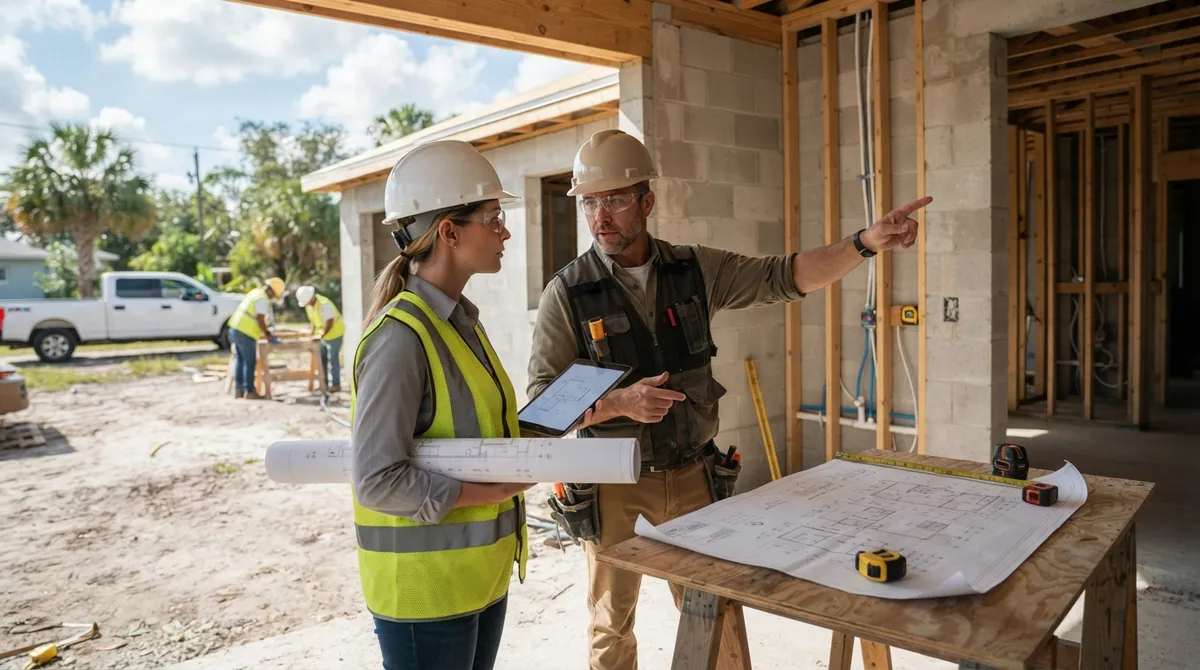
In Tampa-area permitting, "after the fact" means the construction was finished before the required permit was issued. An as-built drawing records the existing conditions: dimensions, structural elements, layouts, and site placement. Reviewers use those drawings to judge whether the completed work meets the Florida Building Code.
Think of it as telling the story of your building in plain lines and notes. The reviewer wants to see what exists, where it sits on the lot, and how it is put together. If you want to understand the broader process, our guide on how to get an after-the-fact permit in Florida is a helpful companion read.
What Typically Goes Into the Package
- Measured existing-condition floor plans and elevations
- A site plan or survey showing setbacks and easements
- Structural details for framing, foundations, or connections
- Electrical, plumbing, or mechanical information where those trades were involved
- The jurisdiction's after-the-fact affidavit or application forms
Exactly what your project needs depends on the scope and location, so always confirm the current checklist with the reviewing authority. Our team prepares these packages every day through our as-built drawings service.
Mistake 1: Assuming a Tampa Address Means City of Tampa Jurisdiction
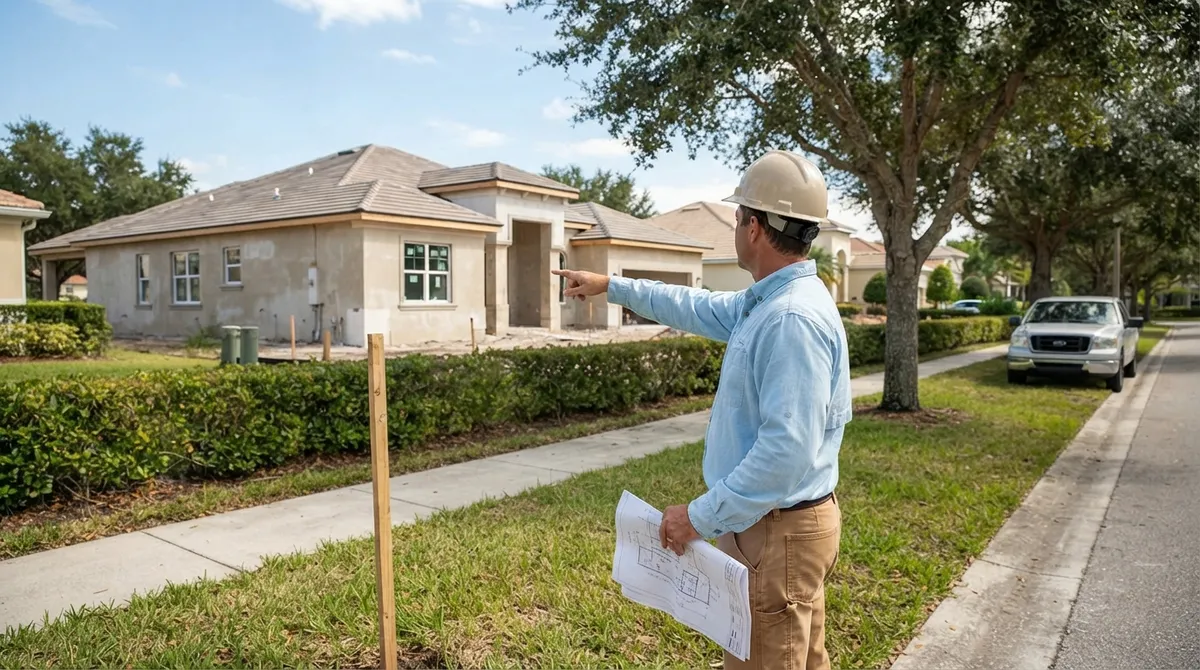
This one catches people constantly. A Tampa mailing address does not tell you who controls your permit. Properties inside city limits go through the City of Tampa Construction Services Division, while properties in unincorporated areas use Hillsborough County's permitting process.
Why does it matter? Because forms, fees, and procedures differ between the two. Filing in the wrong place wastes weeks. Check the parcel's jurisdiction first, and if you are unsure, our free building department lookup tool can point you in the right direction. You can also read more about which Florida jurisdiction reviews your project.
| Question | City of Tampa | Unincorporated Hillsborough County |
|---|---|---|
| Who handles permitting? | Construction Services Division | Hillsborough County permitting |
| After-the-fact paperwork | After the Fact Affidavit among City construction forms | Published process for unpermitted projects |
| Penalty fee treatment | Confirm with the City | Penalty submittal fee and double permit fee for completed work |
| Where to start | City checklist and fee schedule | Compliance inspector contact |
Notice the fee row. Hillsborough County's published process calls out a penalty submittal fee and double permit fee for completed unpermitted work. Do not assume the same treatment applies to a City of Tampa project, and do not assume it does not. Verify with the correct office.
Mistake 2: Believing As-Builts Alone Legalize the Work
A stack of beautiful drawings feels like progress, and it is. But an as-built set is evidence, not a permit. The work still needs plan review, code compliance, and inspections before it is considered legal.
We have seen homeowners hand over drawings and assume the job is done. Then a reviewer comment arrives asking for a structural detail, or an inspector wants to see something behind the wall. Treat the drawings as the first chapter of the process, not the final one. For a deeper look at this, see what after-the-fact permitting in Florida actually involves.
Mistake 3: Skipping the Licensed Professional When One Is Required
Tampa's guidance says certain plans must be prepared by a Florida-licensed architect or engineer, and surveys must be signed and sealed by a Florida-licensed surveyor. Published thresholds include commercial building projects over $25,000 and certain public-assembly, electrical, plumbing, mechanical, and site-plan scopes.
Residential additions, structural changes, and engineered site work often land on the professional side of that line. Submitting unsealed drawings when a seal is required just earns you a rejection and a delay.
| Project Type | Professional Involvement Often Needed? | Why |
|---|---|---|
| Screened porch or patio enclosure | Often | Wind loads and connections need verification |
| Room addition | Usually | Structural and energy compliance review |
| Garage conversion | Often | Egress, electrical, and structural changes |
| Right-of-way work | Yes, as-builts required | Tampa requires as-built drawings for this work |
| Engineered site projects | Yes | Engineer's certification required |
Confirm current thresholds with the City before you finalize your plan set. Because our drafting and engineering are in house and our engineer signs and seals the work, we can move from measuring to sealed drawings without bouncing you between vendors. Learn more about our engineering services and who seals structural drawings for Florida permits.
Mistake 4: Forgetting About Concealed Construction
Here is a question we hear all the time: "The work is already covered in drywall and finishes. Are we stuck?" Not necessarily, but you need a plan. The permitting authority may require access to concealed work or other evidence that it complies with the Florida Building Code.
Hillsborough County's published process says that when completed work is covered and cannot be inspected, a licensed engineer or architect may be engaged to perform the required inspections. The inspection must be scheduled before the professional's inspection letter is submitted. Getting that sequence backwards is a classic stumble.
Smart Ways to Handle Covered Work
- Ask the reviewing office early what evidence it will accept.
- Document what is visible: attic framing, crawl spaces, panels, and exposed connections.
- Engage a licensed engineer or architect to inspect and report where required.
- Schedule the official inspection first, then submit the professional's letter.
- Be prepared for limited, targeted openings if the reviewer requests them.
Our engineer letters are built for exactly this situation, and you can read more about what happens during a Florida ATF site inspection.
Mistake 5: Ignoring Setbacks, Easements, and Flood Zones
Measured drawings of the building are only half the picture. A retroactive permit can trigger zoning, floodplain, drainage, and utility reviews too. If your addition sits too close to a property line or over an easement, the drawings will not fix that on their own.
Tampa's residential application guidance calls for site information and elevations, and flood-related documentation may be required in a Special Flood Hazard Area. Before you pay for a full drawing set, check the survey and confirm the structure's placement. Catching a setback problem early can change your whole strategy, including whether a variance or modification is the better route.
- Order or locate a current survey before drafting begins
- Verify setbacks and recorded easements
- Check your flood zone and elevation requirements
- Ask about drainage and utility conflicts
Mistake 6: Underestimating Fees and Penalties
Nobody loves talking about money, but surprises are worse. The City of Tampa's published fee information states that permits are subject to a Florida Building Permit Surcharge of 2.5% of permit value or a $4 minimum. Confirm the current schedule and how it applies to your project.
On the county side, Hillsborough County states that completed work is subject to a penalty submittal fee and double permit fee. No universal dollar amount is published, since it depends on the permit and project. The county also advises that a person cited for a violation should contact the compliance inspector within 10 days of receiving the Notice of Violation, and continued work may draw an additional citation of up to $500 per violation.
| Cost Item | What the Published Sources Say | Practical Takeaway |
|---|---|---|
| Building permit surcharge (City of Tampa) | 2.5% of permit value or $4 minimum | Verify current schedule before budgeting |
| Penalty submittal and double permit fee (Hillsborough County) | Applies to completed unpermitted work; no single dollar figure | Budget for higher fees in county jurisdiction |
| Additional citation (Hillsborough County) | Up to $500 per violation for continued work | Stop work once you learn a permit is missing |
| Notice of Violation response | Contact compliance inspector within 10 days | Do not let the deadline slide |
Want to see how costs can stack up? Our breakdown of after-the-fact permit costs in Florida is a good place to start, and you can dig into the penalty for building without a permit in Florida as well.
Mistake 7: Letting Work Continue While You Sort It Out
It is tempting to "just finish" the tile or trim while paperwork is pending. Please do not. Hillsborough County's process for unpermitted new construction and additions calls for stopping ongoing work, contacting the compliance inspector, submitting the application and required documents, and obtaining approval and inspections.
Continuing work can add citations and, worse, bury more construction that later needs to be opened up for inspection. Pause, document the current state with photos, and get the paperwork moving. If you have already received a notice, our guide on how to respond to a Florida unpermitted work notice walks you through the next steps, and our urgent permit rescue team can step in fast.
Mistake 8: Going It Alone Without a Clear Step-by-Step Plan
The final mistake is treating the whole thing like a DIY puzzle with no picture on the box. A clear sequence keeps you out of trouble and keeps costs predictable.
A Simple Roadmap for As-Builts After the Fact in Tampa
- Confirm jurisdiction. Decide whether the City of Tampa or Hillsborough County controls your parcel.
- Stop any ongoing work. Contact the correct office or compliance inspector if you have been cited.
- Pull the current checklist. Get the latest forms, including the After the Fact Affidavit where the City requires it.
- Measure and document. Produce accurate existing-condition drawings and a survey or site plan.
- Get professional input. Add sealed plans, engineer inspections, or letters where required.
- File and track. Submit the application, respond to reviewer comments, and revise as needed.
- Pass inspections and close out. Finish with a final approval so the permit is properly closed.
This is the stuff we live for. As Florida's outsourced permitting department, we handle permit facilitation and filing, work every reviewer comment, and manage revisions and resubmittals until approval. Our after-the-fact and expired permit service takes on the files other people decline.
Who Benefits Most From Getting This Right?
Different readers feel the pressure differently, so here is how it tends to play out:
- Homeowners: Protect your resale value and insurance coverage by legalizing the work on your terms.
- Real estate professionals: Clear permit issues before closing so deals do not stall. See our realtor and closing support.
- General contractors and design trades: Keep your client relationships intact by resolving gaps quickly and cleanly.
- Solar and specialty trades: Get code-compliant structural and electrical documentation on installs that slipped through without paperwork.
You can also explore our Tampa permitting page and the wider Hillsborough County page for local details.
Why Local Knowledge Matters in Tampa
Tampa sits right on the line between city and county processes, and near those boundaries it is not always obvious which office applies. We have filed in more than 400 municipalities across all 67 Florida counties, so we know how to sort out the real jurisdiction and what each reviewer tends to look for. Curious how neighbors rate our work? See what 1 Contractor Solutions customers say on Google by using this link: Visit us on Google — 1 Contractor Solutions. You can also follow us on LinkedIn or follow us on Facebook for permitting tips as rules evolve. For official guidance, the City of Tampa construction permitting page is the place to verify current forms and fees.
Ready to Turn a Permit Problem Into a Finished Project?
Every one of the eight mistakes above is fixable, especially when you catch them early. The winning formula is simple: confirm the jurisdiction, stop further work, prepare accurate as-builts, add the right professional seals, and follow the process through inspection. If you would rather hand the whole thing to a team that does this daily, we are ready to help. Reach out to get a free quote, and we will tell you which jurisdiction controls your property, what it will take, and then go do it. We respond within 30 minutes, day or night, and se habla español.
FAQs
How do I get an after-the-fact building permit in Tampa, Florida?
Start by confirming whether the City of Tampa or Hillsborough County has jurisdiction over your property. Then gather the current checklist and forms, prepare measured as-built drawings, add any required sealed plans, and submit the application for review and inspections. Approval is never automatic, so be ready for reviewer comments along the way.
Do as-built drawings alone legalize unpermitted construction?
No, and this surprises a lot of people. As-builts document what was built, but the work still needs a permit, plan review, and required inspections before it is considered legal. Think of the drawings as your supporting evidence, not the finish line.
Can I get a permit for work that is already covered by drywall or finishes?
Often, yes. The permitting authority may require access to concealed work, or it may accept a licensed engineer or architect's inspection and letter. Hillsborough County notes the official inspection must be scheduled before the professional's letter is submitted, so check the sequence with your reviewer.
How much does an after-the-fact permit cost in Tampa?
It depends on the project and the jurisdiction. The City of Tampa lists a Florida Building Permit Surcharge of 2.5% of permit value or a $4 minimum, while Hillsborough County notes a penalty submittal fee and double permit fee for completed work with no single published dollar amount. Always confirm the current fee schedule before you budget.
How can I tell whether my property is in the City of Tampa or unincorporated Hillsborough County?
Your mailing address will not settle it, since plenty of Tampa addresses sit in unincorporated areas. Check the parcel's jurisdiction through official records or use a building department lookup tool, and ask the permitting office if you are still unsure.
We do this work every day across all 67 Florida counties. Call (866) 314-6931 and we will tell you what your situation actually requires — including when you do not need us.
Related services
Permit Facilitation & Filing
You have a crew scheduled, a client asking for dates, and a permit sitting somewhere in a queue you cannot see. We file it, w…
See the servicePlan Review Coordination
A permit in plan review is not one queue. On a commercial project it can be six queues, each with its own reviewer, its own c…
See the serviceReady to get your permit moving?
One call tells you which jurisdiction controls your project, what it will take, and what it will cost. Most of the time we can scope it on the phone.