
Blog
6 Things to Know About 40 Year Recertification Clearwater
Got a Clearwater recertification notice? Learn 6 key facts on local 40-year rules, milestone inspections, jurisdiction, and permitting repairs.
Key Takeaways
-
Confirm with the City of Clearwater's Building Official whether your building is subject to 40-year recertification and what your deadline is, rather than relying on online calendars or generic guides.
-
Local 40-year recertification and Florida's statewide milestone inspection are separate programs; a single building may need to satisfy both, and a milestone report does not automatically satisfy Clearwater's local requirements.
-
Start by verifying jurisdiction using the property's parcel number, since a Clearwater mailing address may fall under Pinellas County or another municipality.
-
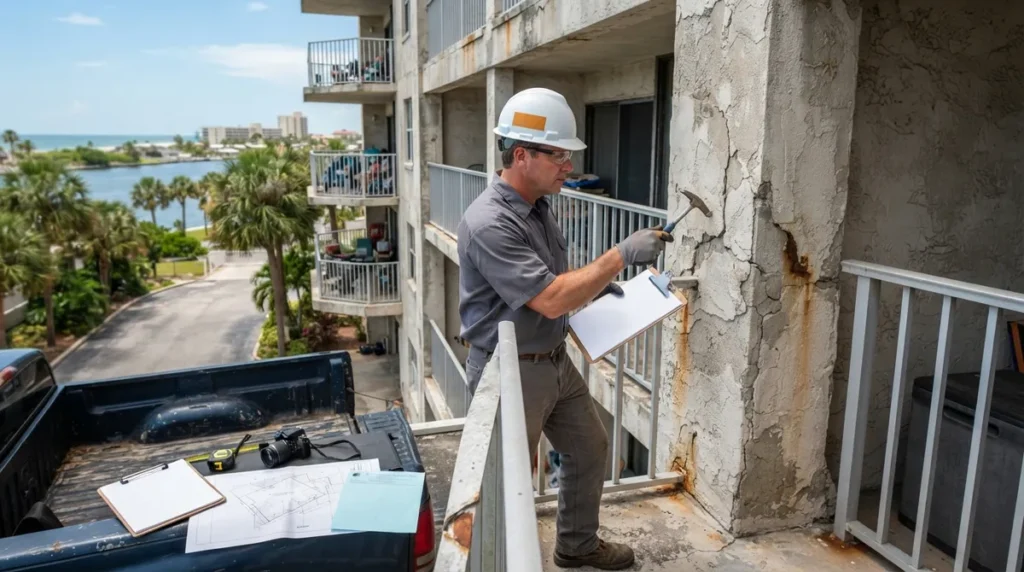
Only a Florida-licensed architect or engineer can perform and certify the inspection; permit expediters, contractors, and property managers cannot sign off on it.
-
Milestone inspections apply to condo and co-op buildings of three or more habitable stories, first due at 30 years of age (25 years within three miles of the coast), then every 10 years.
-
Repairs identified by an inspection usually need their own permits, so start the permitting process early to avoid deadline pressure and enforcement action for missed deadlines.
If a notice about 40 year recertification in Clearwater just landed on your desk, take a breath. You are not the first owner to open that letter and wonder, "Wait, what exactly am I supposed to do?" The good news is that this process is very manageable once you know which rules apply to your building and who needs to do what.
Here is the tricky part. Two different programs often get lumped together. One is a local building-safety inspection for older buildings. The other is Florida's statewide milestone-inspection law for condominium and cooperative buildings. They are related, but they are not interchangeable.
In this friendly guide, we walk through six things every Clearwater owner, manager, contractor, and agent should know. You will see how to confirm which program applies, what the inspection looks at, who is allowed to perform it, and how repair permits fit in. Along the way, we point out where a permitting team can save you time and stress.
1. 40-Year Recertification Is Not a Permit That Renews Itself
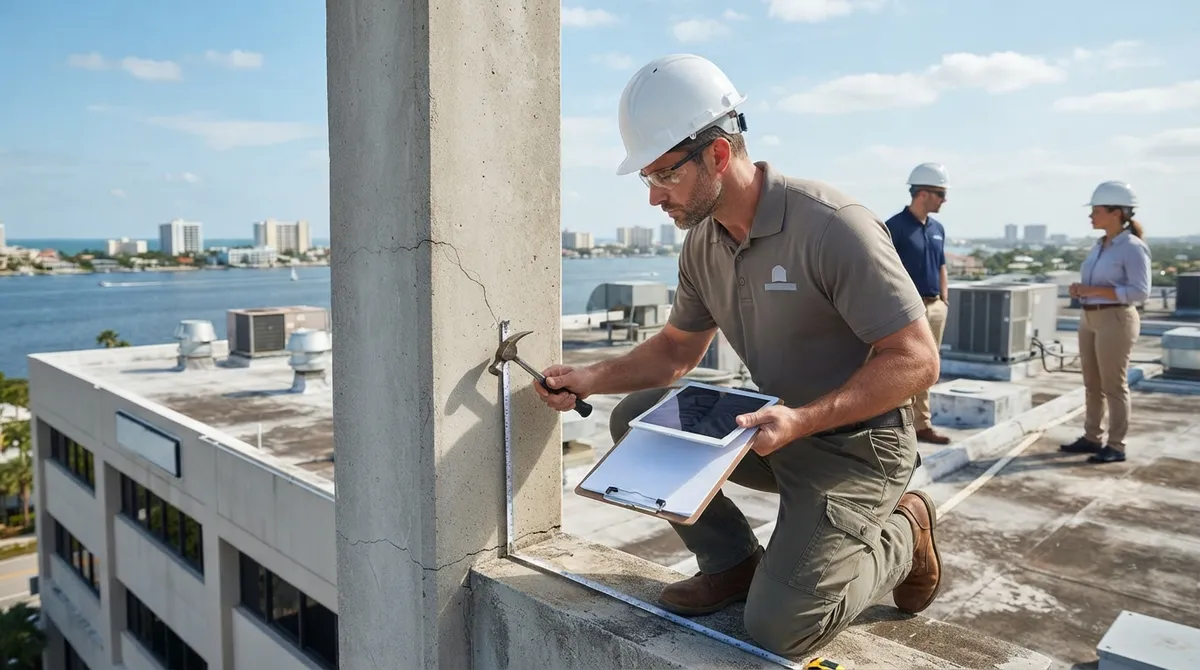
Let's clear up the biggest misunderstanding first. In Clearwater, "40-year recertification" generally refers to a local building-safety inspection program for older buildings. It is not a permit that automatically renews every 40 years, and it is not a one-size-fits-all statewide rule.
The City's Building Official decides which buildings are due and issues the required-inspection notice. That notice is your starting gun. It tells you what the City expects and by when.
Because programs and schedules differ from one jurisdiction to the next, avoid relying on a countywide calendar you found online. Confirm the current program and your deadline directly with the City of Clearwater before you hire anyone or schedule work.
Quick snapshot of the core idea
- What it is: A local safety inspection of an older building, usually covering structural and electrical components.
- Who triggers it: The City's Building Official, through a written notice.
- What it is not: A permit renewal, and not the same thing as a milestone inspection.
If you want a deeper look at how this service works across Florida, our 40-year recertification and milestone inspection support page lays out the process from notice to closeout.
2. Milestone Inspections Are a Separate Track
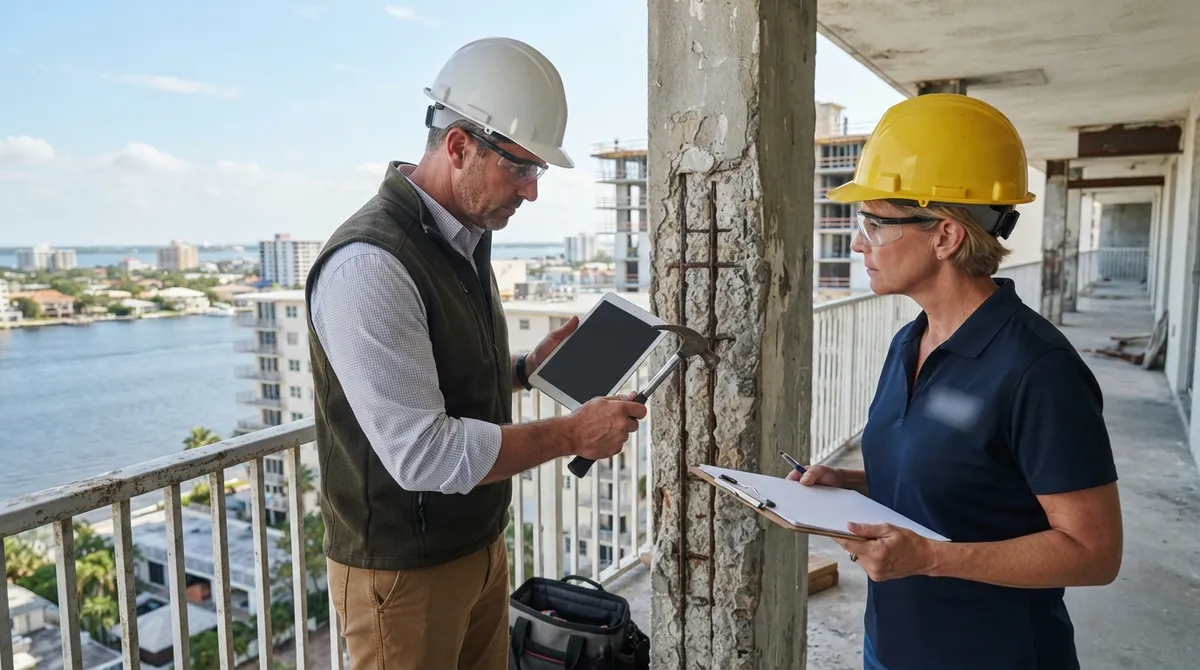
After the Surfside tragedy, Florida lawmakers created a statewide milestone-inspection framework. It applies to qualifying condominium and cooperative buildings, and it sits alongside any local recertification program rather than replacing it.
In general, the milestone law covers condo or co-op buildings that are three or more habitable stories. The initial inspection is typically due when the building reaches 30 years of age, or 25 years if the building is within three miles of the coastline. After that, repeat inspections come every 10 years. Statutory exceptions and transition deadlines apply, so check current law and your local notices.
One useful data point: the 2023 Senate bill analysis described a transition rule for buildings reaching 25 years from July 1, 2022 through December 31, 2024, requiring an initial milestone inspection before December 31, 2025. Because the law has been amended since, always verify what applies today in 2026.
Local recertification vs. milestone inspection at a glance
| Feature | Local 40-Year Recertification | Florida Milestone Inspection |
|---|---|---|
| Source of the rule | Local building authority | Florida Statutes, section 553.899 |
| Typical buildings | Older buildings identified by the local official | Condo and co-op buildings, three or more habitable stories |
| Age trigger | Set locally | 30 years, or 25 years within three miles of the coast |
| Repeat cycle | Set locally | Every 10 years |
| Who gets notified | Owner, through the Building Official | Association, with reports sent to the building official |
A single building can face both requirements, depending on its location, age, use, and the rules in force. Do not assume that a milestone report alone satisfies Clearwater's local requirements. For a plain-English breakdown of the statewide side, see What Is a Milestone Inspection in Florida? 2026 Guide.
3. Check Jurisdiction Before Anything Else
Here is a tip that saves a surprising amount of grief: verify who actually has authority over your parcel. A Clearwater mailing address may fall outside City limits. Your property could be under Pinellas County or another municipality entirely, even though the envelope says Clearwater.
That is why we always start with the parcel, not the mailing address. Jurisdiction can change the notice you receive, the forms you need, and the office you submit to. It is the kind of detail that is easy to miss near city lines.
Your jurisdiction checklist
- Pull the parcel number and confirm which building authority controls it.
- Confirm the building's age or certificate-of-occupancy date.
- Note the building type, use, and number of habitable stories.
- Check the distance to the coast, since that affects the milestone age trigger.
- Gather any prior inspection notices, reports, or open permits.
If you are not sure which office reviews your project, try our building department lookup. For local context, our Clearwater permitting page explains how projects here typically move.
4. Know What the Inspection Usually Covers
Local recertification inspections commonly assess structural and electrical safety. That said, the exact scope, required forms, professional qualifications, and repair deadlines are set by the local authority and by the notice issued for your property. Read that notice carefully, because it is your roadmap.
Milestone inspections follow a two-phase structure that is worth understanding. Phase 1 is a visual inspection of major structural components. If the professional finds substantial structural deterioration, Phase 2 kicks in, which is a more detailed look. The professional then submits the report to the association and the local building official.
| Phase | What Happens | When It Applies |
|---|---|---|
| Phase 1 | Visual inspection of major structural components | Always, for a qualifying milestone inspection |
| Phase 2 | More detailed inspection of problem areas | Only if substantial structural deterioration is found |
If you want to go further on how the phases differ, read Phase 1 vs. Phase 2 Milestone Inspection in Florida (2026). And if budgeting is on your mind, How Much Does a Milestone Inspection Cost in Florida? gives helpful context.
5. Only a Licensed Professional Can Certify the Inspection
This one is important, and we want to be crystal clear. The inspection itself must be performed and certified by a Florida-licensed architect or engineer. A permit expediter, a contractor, or a property manager cannot sign off on it, no matter how experienced they are.
So what does a permitting team do? Plenty, as it turns out. The paperwork and coordination around the inspection is where many owners get bogged down, and that is exactly where support helps.
Where a permitting service earns its keep
- Identify the right program: Sort out whether local recertification, milestone inspection, or both apply.
- Gather records: Obtain building records, prior notices, and permit history.
- Coordinate professionals: Line up the licensed architect or engineer and keep everyone aligned.
- Submit reports: File reports with the correct building official and track acceptance.
- Manage repair permits: Handle the permitting for any required repairs from filing through closeout.
At 1 Contractor Solutions, our drafting and engineering are in house, and our own engineer signs and seals the work. That means when a reviewer has a question, we answer it rather than waiting on an outside consultant to call back. To learn who is qualified to perform these inspections in general, see How to Find Who Can Perform a Milestone Inspection in FL, and for sealing questions, check Who Seals Structural Drawings for Florida Permits?
6. Plan for Repairs, Deadlines, and What Happens If You Miss Them
Sometimes an inspection finds items that need attention. That does not mean disaster. It means you now have a to-do list with deadlines, and the sooner you start the permitting side, the more breathing room you keep.
Repairs usually require permits of their own, and those permits may need sealed drawings, an engineer letter, or MEP documentation. Starting early matters because permit review can take longer than anyone expects. Our guide on how long a building permit takes in Clearwater sets realistic expectations.
A simple roadmap from notice to closeout
- Read the notice. Note the deadline, required forms, and professional requirements.
- Confirm jurisdiction. Make sure you are dealing with the right building authority.
- Hire the licensed architect or engineer. Schedule the inspection early.
- Review the report. Identify any repairs and their deadlines.
- Permit the repairs. Prepare plans, file, track, and respond to reviewer comments.
- Close it out. Submit final documentation and confirm acceptance.
Missing a deadline can bring complications, including enforcement action. The principles are covered in What Happens If a Florida Condo Misses Its Milestone Deadline. If repairs reveal older work that was never permitted, 7 Steps to Legalize Unpermitted Work Florida (2026) is a helpful read. When time is tight, our urgent permit rescue team steps in.
What This Means for Different Readers
The same notice looks different depending on where you sit. Here is a quick friendly guide.
- Homeowners and residential owners: You may be dealing with this through an association. Ask your board for the notice and the timeline, and ask who is coordinating the licensed professional.
- General contractors: Repairs after an inspection are real jobs with real permits. Having permitting handled for you keeps crews on schedule. See our page for general contractors.
- Real estate professionals: An overdue recertification or open repair permit can complicate a sale. Early research prevents closing surprises. Our realtor and closing support is built for exactly that.
- Architects, designers, and trades: If you need dependable outsourced drafting or engineering behind a repair set, our drafting-only service lets you keep your seal and your client.
Curious how a Clearwater-based permitting partner can help? Our overview of what a permit expediter in Clearwater does breaks it down, and our guide on using private provider inspections in Clearwater shows another way to keep projects moving.
Why Start Early Pays Off
The most common pattern we see is simple. Owners wait until the deadline is close, then scramble to find a licensed professional, gather records, and schedule an inspection all at once. Starting early turns that scramble into a calm, step-by-step process.
It also gives you room to handle surprises. An inspection may uncover repairs that need engineered drawings, or it may reveal that old work was never permitted. Having time on your side means you can solve those problems without panic.
We have handled more than 5,000 permits and projects across all 67 Florida counties, so we know how these situations tend to unfold. If you would like to see what our customers say, you can visit us on Google — 1 Contractor Solutions and read their experiences.
Wrapping Up: Your Next Move
Let's recap the six things to remember about 40 year recertification in Clearwater. It is a local inspection program, not a self-renewing permit. Milestone inspections are a separate statewide track. Jurisdiction comes first. The inspection scope is set by your notice. Only a licensed architect or engineer can certify it. And repairs need their own permits, so start early.
You do not have to figure this out alone. Whether you need help confirming which requirement applies, coordinating the inspection, or permitting the repairs afterward, we are happy to guide you. Ready to take the stress out of your notice? Get a free quote and we will respond within 30 minutes, day or night.
Want to stay connected? Follow us on LinkedIn and follow us on Facebook for practical Florida permitting tips, and learn more about our digital partner at Brain Buzz Marketing.
FAQs
What is 40-year building recertification in Clearwater, Florida?
It generally refers to a local building-safety inspection program for older buildings, not a permit that renews itself. The City's Building Official decides which buildings are due and sends the required-inspection notice, so confirm your deadline directly with the City.
What is the difference between Florida milestone inspections and 40-year recertification?
Milestone inspections come from a statewide law covering qualifying condo and co-op buildings of three or more habitable stories, with a 30-year trigger (25 years near the coast) and 10-year repeats. Local recertification is set by the local authority, and one building may need to satisfy both.
Who can perform a building recertification inspection in Clearwater?
A Florida-licensed architect or engineer must perform and certify the professional inspection. A permitting service can coordinate records, reports, and repair permits, but it cannot sign off on the inspection itself.
How do I find out whether my Clearwater building is due for recertification?
Start with your parcel, since a Clearwater mailing address may fall outside City limits. Then contact the building authority that controls the parcel and ask about any required-inspection notice, plus your building's age and type.
Can a permitting service help with inspection reports and repair permits in Clearwater?
Yes, a permitting team can obtain records, coordinate the licensed professional, submit reports, and manage permits for required repairs. It keeps the process organized while the architect or engineer handles the certified inspection.
We do this work every day across all 67 Florida counties. Call (866) 314-6931 and we will tell you what your situation actually requires — including when you do not need us.
Related services
Permit Facilitation & Filing
You have a crew scheduled, a client asking for dates, and a permit sitting somewhere in a queue you cannot see. We file it, w…
See the servicePlan Review Coordination
A permit in plan review is not one queue. On a commercial project it can be six queues, each with its own reviewer, its own c…
See the serviceReady to get your permit moving?
One call tells you which jurisdiction controls your project, what it will take, and what it will cost. Most of the time we can scope it on the phone.