
Blog
Phase 1 vs. Phase 2 Milestone Inspection in Florida (2026)
Learn how Phase 1 and Phase 2 milestone inspections differ in Florida, including scope, deadlines, testing, and when permits come into play.
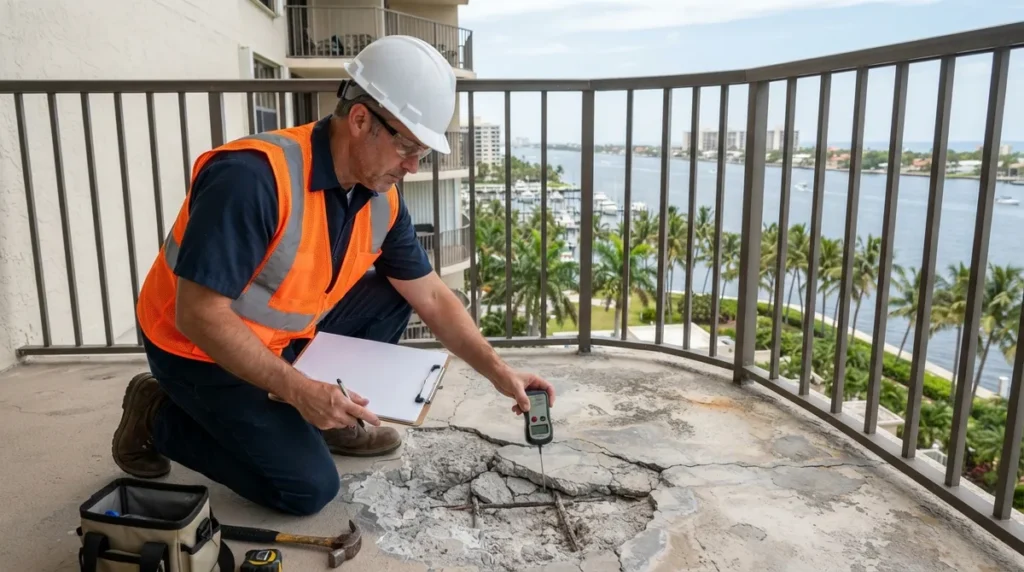
Key Takeaways
-
Phase 1 is a required visual structural assessment for qualifying Florida condo and co-op buildings, and it must produce a written report to the local enforcement agency even when no problems are found.
-
Phase 2 is triggered only when Phase 1 identifies substantial structural deterioration, and it may involve destructive or nondestructive testing directed by the licensed architect or engineer.
-
Phase 1 must be completed within 180 days after the owner receives the local enforcement agency's written notice; if Phase 2 is required, the progress report and completion timeline are due within 180 days after the Phase 1 report.
-
Exploratory openings and testing during Phase 2 may require local authorization or a permit, and repairs identified by the inspection generally need construction permits, so check with the local building department early.
-
Milestone inspections are not the same as a Structural Integrity Reserve Study (SIRS): the inspection assesses current structural safety, while the SIRS plans reserve funding for future major repairs.
-
Requirements and permit procedures vary by county and municipality, so confirm your certificate-of-occupancy date and local deadlines directly with the building department and request extensions through the proper channel if needed.
If you own, manage, or sit on the board of a condominium or co-op in Florida, you have probably heard the words "milestone inspection" more than you ever wanted to. And if you are a contractor, realtor, or engineer who works around these buildings, the questions start rolling in fast. Is this a full structural teardown? Will it cost a fortune? And what is the difference between Phase 1 and Phase 2 milestone inspection anyway?
Take a breath. The two phases are easier to understand than they sound, and knowing the difference early can save your association real time, money, and stress. In short, Phase 1 is a visual look at the building, and Phase 2 is a deeper, hands-on investigation that only happens if Phase 1 finds serious structural trouble.
In this friendly guide, we will walk through what each phase involves, who does the work, how the deadlines run, and where permits come into play. We will also show you how a permitting team like 1 Contractor Solutions fits in once repairs enter the picture.
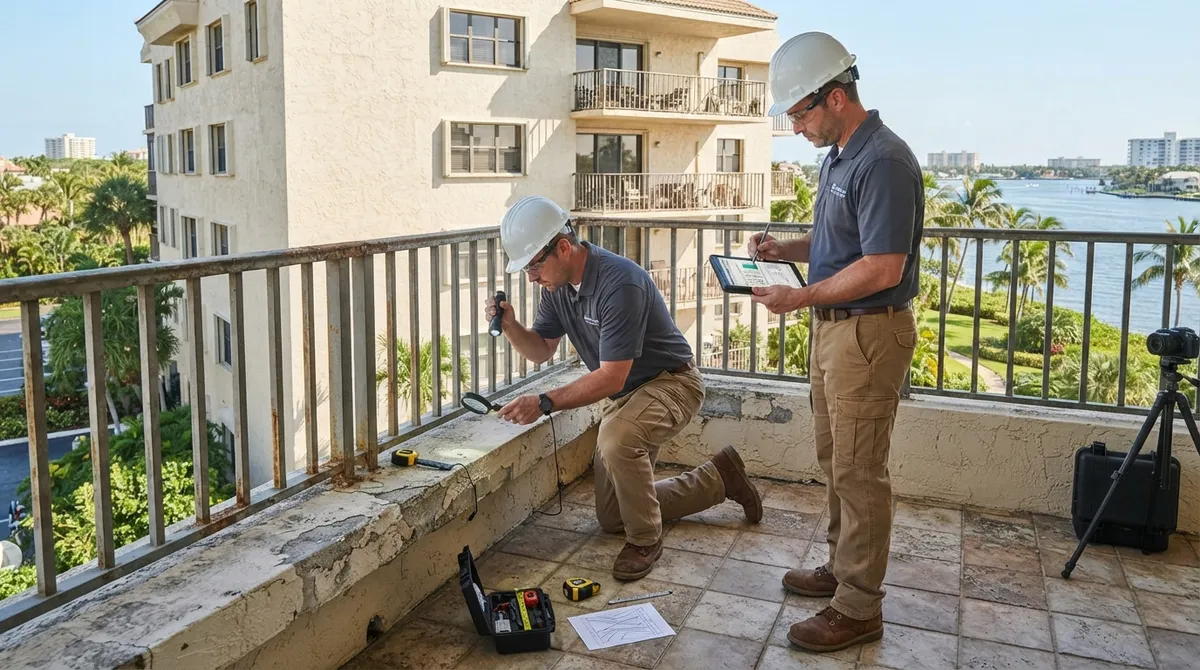
What Is a Milestone Inspection in Florida?
A milestone inspection is a structural-safety review required by Florida Statute §553.899 for qualifying condominium and cooperative buildings that are three habitable stories or more. A Florida-licensed architect or engineer performs it, and the goal is simple: confirm the building is structurally sound and find any substantial structural deterioration before it becomes a safety problem.
The timing is tied to age. Generally, the first inspection is due when the building reaches 30 years, measured from the certificate-of-occupancy date, and then every 10 years after that. A local enforcement agency may require the first inspection at 25 years for buildings within 3 miles of the coastline. Always confirm your exact deadline with the local building department.
Here is the part many people miss: the milestone process is split into two possible phases. Not every building goes to Phase 2. That is exactly why understanding the difference matters.
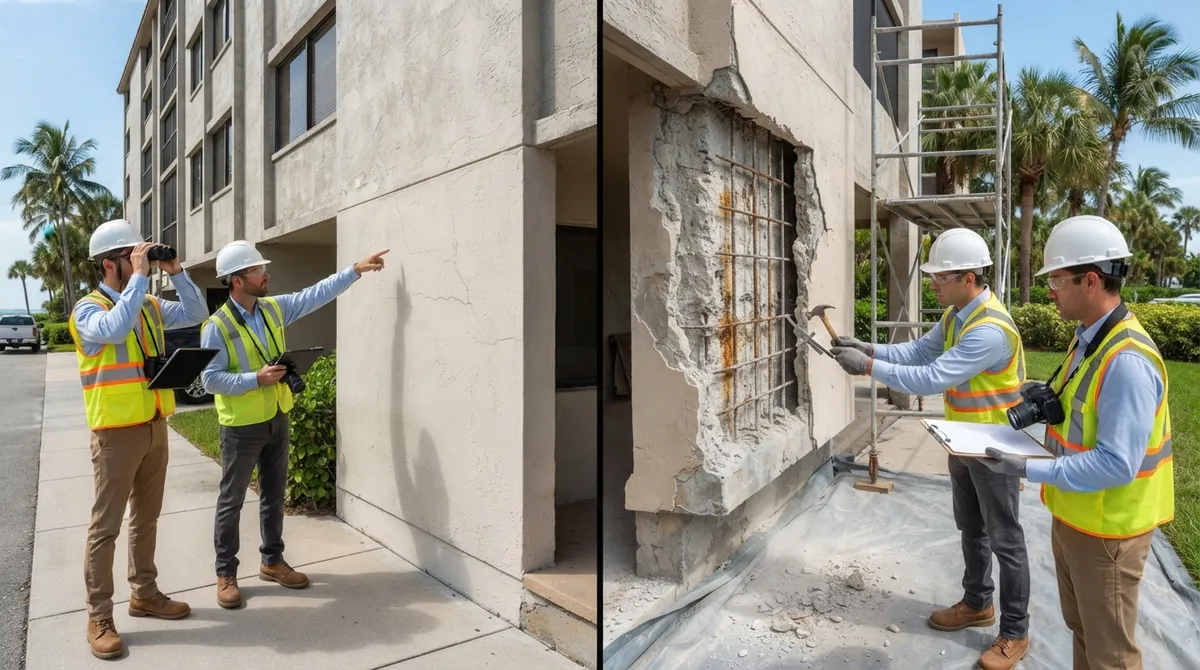
What Is the Difference Between Phase 1 and Phase 2 Milestone Inspection?
The short answer is scope and depth. Phase 1 is a visual assessment. Phase 2 is a focused, in-depth investigation that may include testing. Phase 2 is only required when Phase 1 identifies substantial structural deterioration.
Here is a side-by-side look so you can see the differences at a glance.
| Feature | Phase 1 | Phase 2 |
|---|---|---|
| Purpose | Qualitative visual assessment of structural condition | Deeper investigation of areas of concern |
| Required for every building? | Yes, for qualifying buildings | No, only if Phase 1 finds substantial structural deterioration |
| Method | Visual examination of habitable and nonhabitable areas | Destructive or nondestructive testing at the inspector's direction |
| Performed by | Florida-licensed architect or engineer | Florida-licensed architect or engineer |
| Key output | Written report submitted to the local enforcement agency | Progress report, final report, and repair recommendations |
| Permit impact | Typically none by itself | May require permits for exploratory openings and repairs |
Think of Phase 1 like a thorough physical exam, and Phase 2 like the follow-up imaging and lab work your doctor orders only if something looks concerning.
What Happens in a Phase 1 Milestone Inspection?
Phase 1 is the initial visual examination. The licensed architect or engineer walks the property and looks at both habitable and nonhabitable areas, paying close attention to the major structural components of the building.
The professional then gives a qualitative assessment of the structural conditions and decides one key question: is substantial structural deterioration evident?
A Phase 1 inspection typically covers items like these:
- Foundations and visible structural framing
- Load-bearing walls, columns, and beams
- Floor and roof structural systems
- Balconies, walkways, and stairs
- Visible cracking, spalling, corrosion, or water intrusion
- Signs of movement, settlement, or deflection
One common misconception is that Phase 1 is a casual screening. It is not. Even when no substantial structural deterioration is found, Phase 1 still requires a written report submitted to the local enforcement agency. Skipping that step can create compliance headaches down the road.
Phase 1 Deadlines
Phase 1 must be completed within 180 days after the owner receives the local enforcement agency's written notice. That sounds like plenty of time, but scheduling a licensed architect or engineer, gathering building records, and coordinating access can eat up weeks quickly.
What Happens in a Phase 2 Milestone Inspection?
Phase 2 steps in when Phase 1 identifies substantial structural deterioration. It investigates the areas of concern in enough depth to assess structural safety and recommend further evaluation and repairs.
This is where the work gets more hands-on. At the direction of the inspecting architect or engineer, testing can be destructive or nondestructive. Destructive testing may involve opening up walls, ceilings, or concrete surfaces to see what is happening inside. Nondestructive testing uses tools that evaluate materials without damaging them.
A Phase 2 investigation may include:
- Concrete coring, sampling, or strength testing
- Exploratory openings to inspect hidden structural elements
- Evaluation of reinforcing steel corrosion
- Detailed documentation of cracks, deterioration, and affected areas
- Recommendations for repair, further testing, or other corrective steps
Phase 2 Deadlines
If Phase 2 is required, the engineer or architect must submit a Phase 2 progress report and completion timeline within 180 days after submitting the Phase 1 report. Because the statute can change and extensions may apply, check the current version of Florida Statute §553.899 for the final-report deadline and any other requirements.
When Is Phase 2 Required?
Here is the simple rule: Phase 2 is required only when Phase 1 finds substantial structural deterioration. If Phase 1 comes back clean, Phase 2 is not required, and the association moves on until the next 10-year cycle.
The numbers show how this plays out. According to OPPAGA Report 26-04 (July 2026), Florida recorded 8,736 completed Phase 1 inspections and 1,575 completed Phase 2 inspections during 2024-2025. That means a meaningful share of buildings, roughly one Phase 2 for every five or six Phase 1 inspections completed, moved into deeper investigation.
OPPAGA also reported 903 permit applications for repairs identified in Phase 2 inspections, which shows how often the inspection process leads straight into construction permitting. And it reported 1,587 extensions for initial milestone-inspection completion deadlines, with 94% granted in coastal counties and municipalities. If your timeline feels tight, extensions are a real option, but you need to request them through the proper channel.
Where Permitting Comes Into the Picture
This is where many associations get tripped up. The inspection and reporting process is separate from construction permitting, but the two often connect.
The inspection reports themselves go to the local enforcement agency under statutory deadlines and local procedures. That is a reporting requirement, not a building permit. However, once Phase 2 begins, permits can enter the conversation in two ways:
- Exploratory work: Destructive testing and exploratory openings may require local authorization or a permit, depending on the jurisdiction.
- Repairs: Repairs identified by the inspection generally require appropriate construction permits and inspections.
Requirements, forms, submittal procedures, and permit sequencing vary by local jurisdiction. What works in one county may not work in the next, which is why local knowledge matters so much.
| Stage | What Is Submitted or Needed | Who Handles It |
|---|---|---|
| Phase 1 report | Written report to local enforcement agency | Licensed architect or engineer, with association submitting |
| Phase 2 testing | Possible authorization or permit for exploratory openings | Engineer, association, and permitting support |
| Repair design | Sealed plans and engineering for corrective work | Licensed engineer or architect |
| Repair permits | Permit application, plan review, inspections | Contractor, association, or permitting consultant |
Who Is Responsible for What?
The association or building owner is responsible for arranging the inspection and submitting the required reports to the local enforcement agency. The licensed architect or engineer performs the inspection and reaches the professional conclusions. Nobody else can replace that role.
A permitting consultant cannot do the inspection or sign off on structural findings. What a good one can do is help with everything around it: coordinating records, preparing applications, tracking local forms, and managing repair-permit submittals so your project does not stall in a review queue.
That is where our team comes in. 1 Contractor Solutions acts as Florida's outsourced permitting department. We handle permit facilitation and filing, and our in-house engineers provide structural engineering and sealed drawings for repairs. If you want to understand the related recertification process, take a look at our page on 40-year recertification and milestone inspections.
Milestone Inspection vs. Structural Integrity Reserve Study
Boards often mix up the milestone inspection and the Structural Integrity Reserve Study, or SIRS. They are related, but they are not the same thing.
- Milestone inspection: A structural-safety review by a licensed architect or engineer, done in Phase 1 and, if needed, Phase 2.
- SIRS: A financial planning study focused on reserve funding for major structural components.
One looks at the current structural condition, and the other helps plan how to pay for long-term maintenance and repairs. Both matter for condo associations, and findings from one can inform the other.
A Simple Step-by-Step Path Through the Process
If you are staring at a notice from your building department and wondering where to start, here is a clean roadmap.
- Confirm your deadline. Check your certificate-of-occupancy date and contact the local building department to confirm when your first inspection is due.
- Hire a licensed professional. Retain a Florida-licensed architect or engineer authorized to practice in the state.
- Complete Phase 1. The inspector performs the visual assessment and prepares the written report.
- Submit the Phase 1 report. The association or owner submits it to the local enforcement agency within the required window.
- Move to Phase 2 only if required. If substantial structural deterioration is found, plan for deeper testing and the progress report deadline.
- Get permits for testing and repairs. Coordinate any needed local authorization, then permit the corrective work.
Why Local Knowledge Matters
Florida has 67 counties and hundreds of municipalities, and each one handles milestone forms, submittals, and permit sequencing a little differently. A building in the Tampa Bay area may follow a different workflow than one in South Florida or on the Gulf Coast.
That is why the smartest first step is often a quick call to the right building department, or a partner who already knows how it works. You can use our building department lookup tool to find the right jurisdiction, and our team covers everything from Miami-Dade County to Hillsborough County and beyond.
For official statutory language, the Florida Senate's Statute 553.899 is the source to check. For data on how the program is playing out, see the OPPAGA milestone inspection reporting data. And if you want a local example of how one jurisdiction explains the process, the City of Cape Coral publishes a helpful condominium inspections FAQ.
Tips for Boards, Contractors, and Realtors
Different readers need different things from this process, so here are a few practical pointers.
- Condo boards: Start early. Scheduling, records gathering, and possible extensions all take time, and a Phase 2 can add months.
- Contractors: If Phase 2 findings lead to repairs, expect permit requirements and sealed engineering. Line up permit support before your crew is scheduled.
- Realtors and buyers: Ask whether a milestone inspection has been completed and whether a Phase 2 is pending. It can affect assessments and closing timelines. Our realtor closing support can help when permit questions pop up mid-deal.
- Property managers: Keep a clean file of reports, deadlines, and extension approvals. Good records make everything smoother.
Common Mistakes to Avoid
A few missteps come up again and again. The first is treating Phase 1 as informal and skipping the written report to the local agency. The second is assuming Phase 2 testing needs no local authorization, when exploratory openings may require it. The third is waiting until the last month to start, which leaves no room if Phase 2 is triggered.
A fourth is assuming one jurisdiction's rules apply everywhere. They do not. Always verify with the local building department that controls your property.
Wrapping It Up
So, what is the difference between Phase 1 and Phase 2 milestone inspection? Phase 1 is a visual structural assessment required for qualifying buildings, and it always produces a written report. Phase 2 is a deeper investigation with possible destructive or nondestructive testing, triggered only when Phase 1 finds substantial structural deterioration. Phase 2 can lead directly to exploratory work and repair permits, which is where permitting expertise becomes valuable.
You do not have to figure this out alone. If your association, project, or client is facing a milestone inspection or the repair permits that follow, we would love to help you keep things moving. Get a free quote from our team, and you can also visit us on Google — 1 Contractor Solutions to see what customers say about working with us. To stay in the loop, follow us on LinkedIn. Permits approved. Projects moving.
FAQs
When is a Phase 2 milestone inspection required in Florida?
Phase 2 is required only when the Phase 1 visual inspection identifies substantial structural deterioration. If Phase 1 finds none, you are done with that cycle and Phase 2 is not needed. Your engineer or architect makes that call, so it is worth asking them to walk you through their findings.
Does a Phase 2 milestone inspection involve destructive testing?
It can. Phase 2 testing may be destructive or nondestructive, depending on what the licensed architect or engineer decides is needed to evaluate the areas of concern. Because exploratory openings may need local authorization or a permit, check with your building department before work starts.
How long do I have to complete a Phase 1 milestone inspection?
Phase 1 must be completed within 180 days after the owner receives the local enforcement agency's written notice. If Phase 2 is required, a progress report and completion timeline are due within 180 days after the Phase 1 report is submitted. Always double-check the current statute for the final-report deadline and any extensions.
Do milestone inspection repairs require a building permit in Florida?
Generally, yes. Repairs identified through the inspection typically need appropriate construction permits and inspections, though requirements vary by local jurisdiction. A permitting partner can help prepare the applications and keep the review moving.
Which Florida buildings need a milestone inspection?
Condominium and cooperative buildings that are three habitable stories or more fall under Florida Statute 553.899. The first inspection is generally due at 30 years from the certificate-of-occupancy date, then every 10 years, though a local agency may require it at 25 years for buildings within 3 miles of the coastline.
We do this work every day across all 67 Florida counties. Call (866) 314-6931 and we will tell you what your situation actually requires — including when you do not need us.
Related services
Permit Facilitation & Filing
You have a crew scheduled, a client asking for dates, and a permit sitting somewhere in a queue you cannot see. We file it, w…
See the servicePlan Review Coordination
A permit in plan review is not one queue. On a commercial project it can be six queues, each with its own reviewer, its own c…
See the serviceReady to get your permit moving?
One call tells you which jurisdiction controls your project, what it will take, and what it will cost. Most of the time we can scope it on the phone.