
Blog
15 Facts About 40 Year Recertification Miami (2026)
Confused by Miami's 40 year recertification? Learn the real 30/25/10-year cycles, 90-day deadlines, and how to prepare in 2026.
Key Takeaways
-
Miami-Dade's "40 year recertification" is the older name for the county's building recertification program, which is now generally on a 30-year first inspection, then every 10 years.
-
Coastal condos and co-ops that are at least three stories and within three miles of the coast generally follow a 25-year initial inspection, then repeat every 10 years.
-
Once the official county notice arrives, structural and electrical reports are generally due within 90 days, so schedule engineers and access immediately.
-
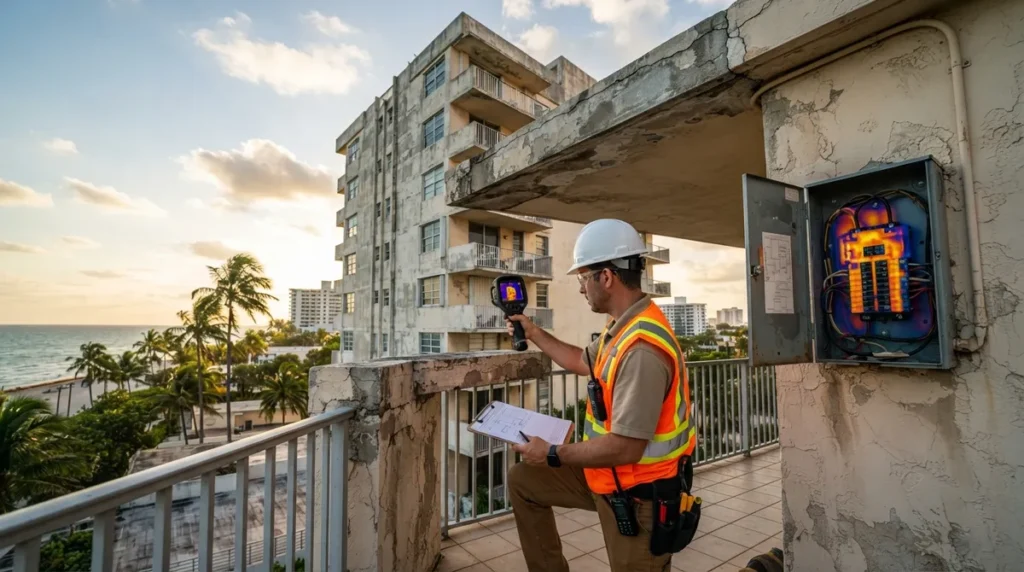
Both a structural and an electrical report must be prepared by a Florida-registered professional engineer or architect, and thermography is required for electrical services rated 400 amps or greater.
-
Single-family homes, duplexes, and small buildings (10 or fewer occupants and 2,000 sq ft or less) are listed as exempt, but verify with the authority having jurisdiction first.
-
Deficiencies often require permitted repairs with sealed drawings, so confirm past unpermitted work and budget for permits, and remember the county review fee is separate from engineering costs.
If you own a building in Miami, you have probably heard someone mention the "40 year recertification." Maybe a letter landed in your mailbox. Maybe your property manager brought it up at a board meeting. Either way, take a deep breath. You are not alone, and this process is far more manageable than it sounds.
Here is the friendly truth: 40 year recertification Miami is the older, still-popular name for Miami-Dade County's building recertification program. It is a structural and electrical safety review for covered buildings. The rules have shifted over time, so the "40 year" label does not always match today's schedule. That is why so many owners feel confused.
In this guide, we walk through 15 facts that clear up the timing, the paperwork, the inspections, and the repairs that can follow. Whether you manage a condo association, own a commercial building, or just want to understand what is coming, you will leave with a clear game plan for 2026.
Understanding the Basics of Miami Building Recertification
1. "40 Year Recertification" Is the Older Name for the Program
The phrase "40-year recertification" stuck around because that was the original trigger age. Today, Miami-Dade County's program is formally called building recertification. Many owners, brokers, and contractors still use the old name, and search engines do too. So if you hear either term, they point to the same county program.
2. The Current Cycle Is Generally 30 Years, Then Every 10
Current county guidance generally calls for the first inspection at 30 years, then repeat inspections every 10 years. Some older buildings and transition cases may still follow a 40-year schedule. Because of that, always confirm your exact cycle with the building department that has jurisdiction over your property.
3. Certain Coastal Condos Follow a 25-Year Schedule
A separate, earlier schedule applies to condominium and cooperative buildings that are at least three stories tall and within three miles of the coastline. Those buildings generally follow a 25-year initial inspection, then repeat every 10 years. For older coastal buildings, the timeline was even tighter: buildings built from 1983 through 1997 had a December 31, 2024 deadline.
| Building Type | Typical Initial Inspection | Repeat Cycle |
|---|---|---|
| General covered buildings | 30 years | Every 10 years |
| Coastal condos/co-ops (3+ stories, within 3 miles of coast) | 25 years | Every 10 years |
| Certain older buildings and transition cases | May still follow 40 years | Confirm with local department |
4. The Report Is Due Within 90 Days of the Notice
Once the county sends its official notice, the clock starts. Reports are generally due within 90 days. That sounds like plenty of time, but scheduling engineers, gaining access to electrical rooms, and completing any thermal scans can eat weeks fast. Start early and you will thank yourself later.
Who Needs Recertification, and Who Is Exempt
5. Most Commercial and Multi-Family Buildings Are Covered
The program is aimed at buildings where many people live, work, or gather. That includes condominiums, apartment buildings, offices, retail centers, and similar structures. Miami-Dade's program applies countywide, though the responsible building department and submission process can vary by municipality.
6. Some Buildings Are Exempt
The county notice identifies these as exempt:
- Single-family homes
- Duplexes
- Buildings with an occupant load of 10 or fewer and an area of 2,000 square feet or less
Even so, please verify your exemption with the authority having jurisdiction before relying on it. A quick phone call or email can save a lot of stress.
7. Your Jurisdiction May Not Be Who You Think
Miami, Miami Beach, Coral Gables, Hialeah, and unincorporated Miami-Dade can each handle submissions differently. Near city lines, it is easy to guess wrong. A permitting partner can confirm which office actually controls your building, which saves you from sending paperwork to the wrong place.
What the Inspection Actually Covers
8. Two Reports: Structural and Electrical
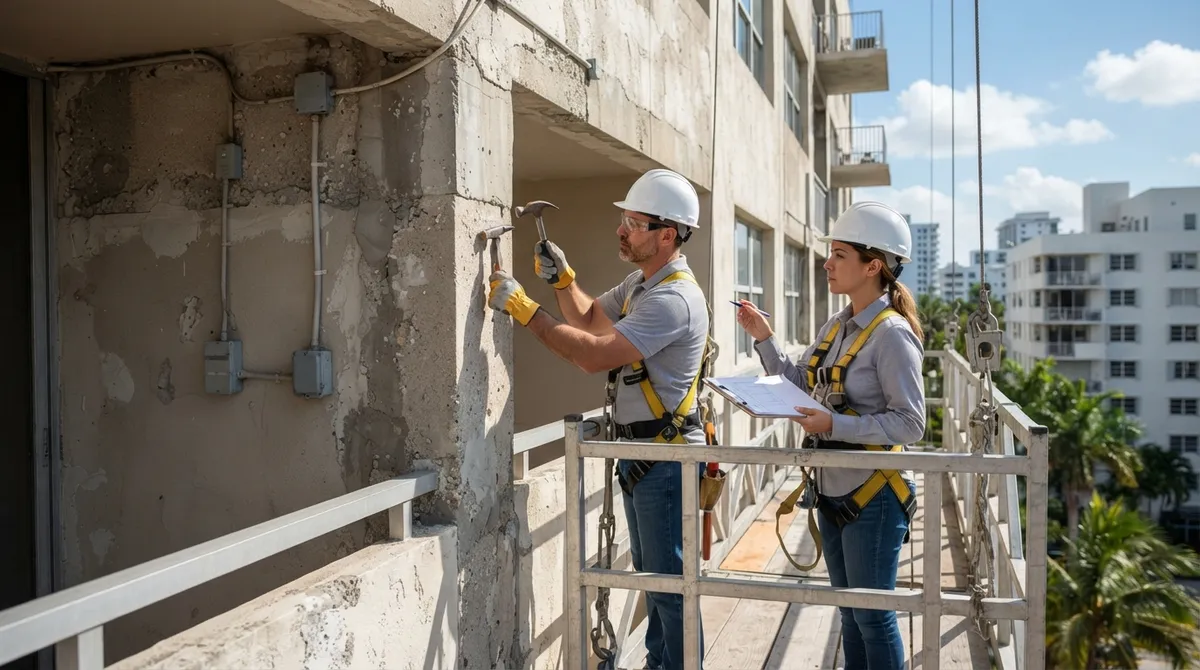
Owners must submit both a structural and an electrical recertification report. Each is prepared by an appropriately qualified Florida-registered professional engineer or architect. The reports certify that the building is safe for continued occupancy under its specified use.
9. It Is a Safety Review, Not a Routine Permit Inspection
This is a point many owners miss. The professional follows Miami-Dade's minimum inspection guidelines to assess general structural condition and electrical systems. It is not a typical permit inspection, and it is not a guarantee that every concealed component was examined. Think of it as a trained professional's documented judgment based on what can be reasonably observed.
10. Infrared Thermography Applies to Larger Electrical Services
For electrical service systems rated at 400 amperes or greater, current guidelines require infrared thermography of applicable equipment. A certified technician performs it, and a written report follows. This scan spots hot spots that the naked eye would never catch, which is a real safety win.
| Report | Prepared By | Key Focus |
|---|---|---|
| Structural | Florida-registered PE or architect | General structural condition, visible deterioration, safety for occupancy |
| Electrical | Florida-registered PE or architect | Wiring, service equipment, panels, and documented findings |
| Thermography (400A+ services) | Certified technician | Heat patterns in applicable electrical equipment |
11. Use the Right Templates for Your Cycle
Miami-Dade publishes report templates and guidelines for each inspection cycle. Updated templates apply to reports due for the 2025 cycle and later. Using an outdated form is a surprisingly common reason for delays, so ask your engineer to confirm they are working from the current version.
Preparing for the Process
A little planning makes everything smoother. Here is a simple roadmap many owners follow:
- Confirm your cycle and jurisdiction. Check your building's age, location, and which department issued the notice.
- Mark your deadline. Count 90 days from the official notice date and add buffer for scheduling.
- Hire qualified professionals. You need a Florida-registered engineer or architect for the structural and electrical reports.
- Gather your documents. Collect past plans, previous reports, permit history, and maintenance records.
- Schedule access. Roofs, electrical rooms, parking structures, and balconies all need safe access.
- Review findings and plan repairs. If the engineer notes deficiencies, move quickly on a repair plan.
- Submit the final reports. File through the correct building department and keep proof of submission.
12. Fees Can Change, So Verify Before Budgeting
Miami-Dade's recertification page lists an initial review fee of $413.61 effective October 1, 2026. Fees can change, so confirm the current schedule before you quote a number to a board or client. And remember, that county fee is separate from what your engineer charges for the inspection and reports.
What Happens If the Inspection Finds Problems
13. Deficiencies Usually Mean Repairs, and Repairs Mean Permits
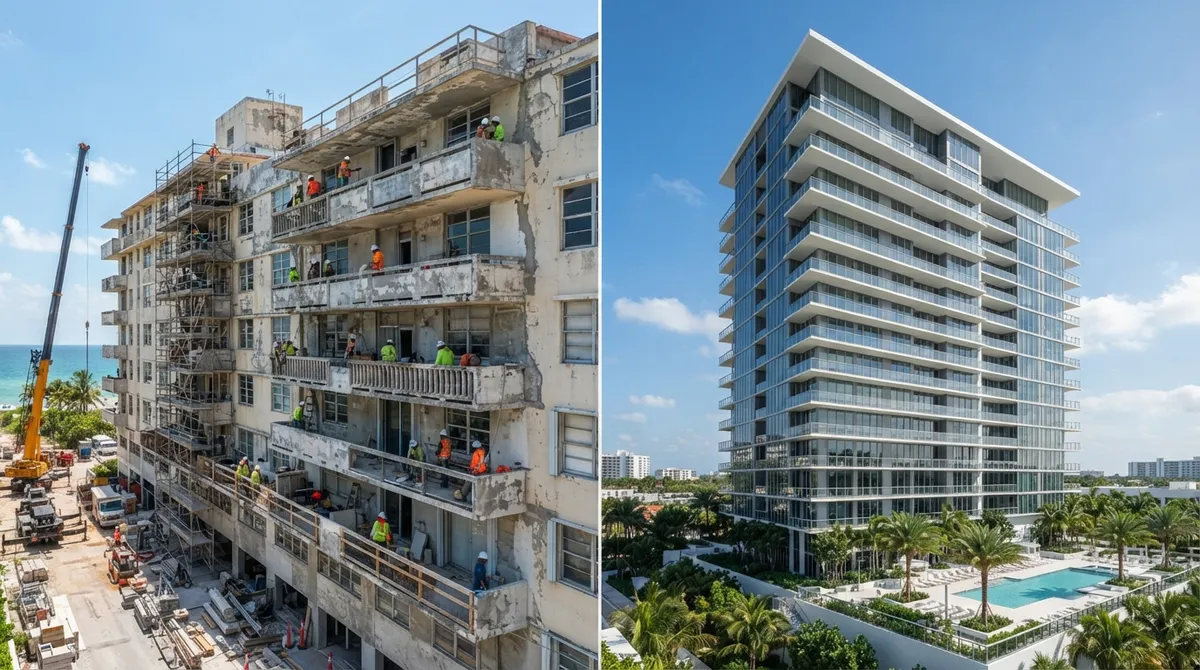
Finding issues does not mean disaster. It means the inspection did its job. Cracked concrete, corroded rebar, outdated panels, or damaged wiring typically require corrective work. That work often needs permits, sealed drawings, and inspections of its own.
This is where owners can get stuck. If past work was done without permits, you may also need to bring it into compliance. Our guides on legalizing unpermitted work in Florida and after-the-fact permit requirements explain how that path works.
14. Missing a Deadline Creates Bigger Headaches
Ignoring the notice rarely makes it go away. Late or missing reports can lead to violations, fines, and added scrutiny. If you receive a notice and feel overwhelmed, reach out early. Related reading like what happens if a Florida condo misses its milestone deadline shows how quickly small delays can snowball.
How a Permitting Partner Helps
15. A Florida Permitting Service Keeps Everything Moving
Here is a fact worth knowing: the licensed design professional remains responsible for the inspection findings and certification. A permitting service does not replace that role. What it does is handle the legwork around it, so you are not juggling a dozen moving parts alone.
1 Contractor Solutions acts as Florida's outsourced permitting department. For recertification projects, that can include:
- Identifying the correct jurisdiction and submission process
- Tracking your notice deadline so nothing slips
- Coordinating qualified inspectors and engineers
- Submitting reports and following up with the building department
- Preparing plans and filing permits for corrective work
- Working reviewer comments, revisions, and resubmittals through approval
Because our drafting and engineering are handled in house, a reviewer's comment does not send you chasing an outside consultant. You can learn more about our 40-year recertification and milestone inspection services, or see how we support projects across Miami-Dade County.
Who Benefits Most From This Guidance
Different readers face different pressures, so here is how this plays out for each:
- General contractors: You may be asked to perform repairs after an inspection. Having sealed drawings and permit filing handled quickly keeps your crew on schedule. See how we help general contractors.
- Real estate professionals: A pending recertification can affect a sale or a closing. Our realtor and closing support helps you spot issues early.
- Property managers and owners: Staying ahead of notices protects residents and budgets alike.
- Design trade professionals: If you need dependable drafting for repair plans, our drafting-only service keeps your seal and your client relationship intact.
Related Miami-area resources include structural plans permit filing in Miami-Dade and denied permit help in Miami. If you are comparing programs, our 40 year recertification Tampa guide shows how rules vary across cities, and our overview of milestone inspection checks for condos is a handy companion.
Final Thoughts: Start Early and Stay Calm
The 40 year recertification Miami process rewards owners who plan ahead. Confirm your cycle, respect the 90-day window, hire qualified professionals, and tackle any repairs with proper permits. Do that, and you turn a stressful notice into a routine safety checkup.
You do not have to figure it out alone. Our team answers around the clock and responds within 30 minutes, day or night. When you are ready, get a free quote and let us help you move from notice to approval. You can also see what our customers say when you visit us on Google — 1 Contractor Solutions, and stay connected when you follow us on LinkedIn or follow us on Facebook. Our website and digital presence are supported by Brain Buzz Marketing.
FAQs
Is Miami-Dade's recertification requirement 30 years or 40 years?
Current county guidance generally calls for a first inspection at 30 years and repeat inspections every 10 years. Some older buildings and transition cases may still follow a 40-year schedule, so it is smart to confirm your exact cycle with your local building department.
How long do I have to submit a recertification report?
Reports are generally due within 90 days of the county's official notice. Starting early gives you breathing room for scheduling engineers and any follow-up repairs.
Who is qualified to perform the inspection?
The structural and electrical reports must be prepared by appropriately qualified Florida-registered professional engineers or architects. They follow Miami-Dade's minimum inspection guidelines and certify that the building is safe for continued occupancy.
Can a permitting service help with recertification?
Yes, a Florida permitting service can identify your jurisdiction, track deadlines, coordinate qualified inspectors, submit reports, and handle permits for corrective work. The licensed design professional still remains responsible for the inspection findings and certification.
What happens if the inspection finds structural or electrical problems?
Deficiencies typically lead to a repair plan, and that work often requires permits, sealed drawings, and inspections. Addressing issues promptly helps you avoid violations and keeps your building safe for occupants.
We do this work every day across all 67 Florida counties. Call (866) 314-6931 and we will tell you what your situation actually requires — including when you do not need us.
Related services
Permit Facilitation & Filing
You have a crew scheduled, a client asking for dates, and a permit sitting somewhere in a queue you cannot see. We file it, w…
See the servicePlan Review Coordination
A permit in plan review is not one queue. On a commercial project it can be six queues, each with its own reviewer, its own c…
See the serviceReady to get your permit moving?
One call tells you which jurisdiction controls your project, what it will take, and what it will cost. Most of the time we can scope it on the phone.