
Blog
14 Ways to Clear a CO Hold for Unpermitted Work in Florida
Facing a CO hold for unpermitted work in Florida? Here are 14 practical steps to understand the hold, legalize the work, and clear your Certificate of Occupancy.
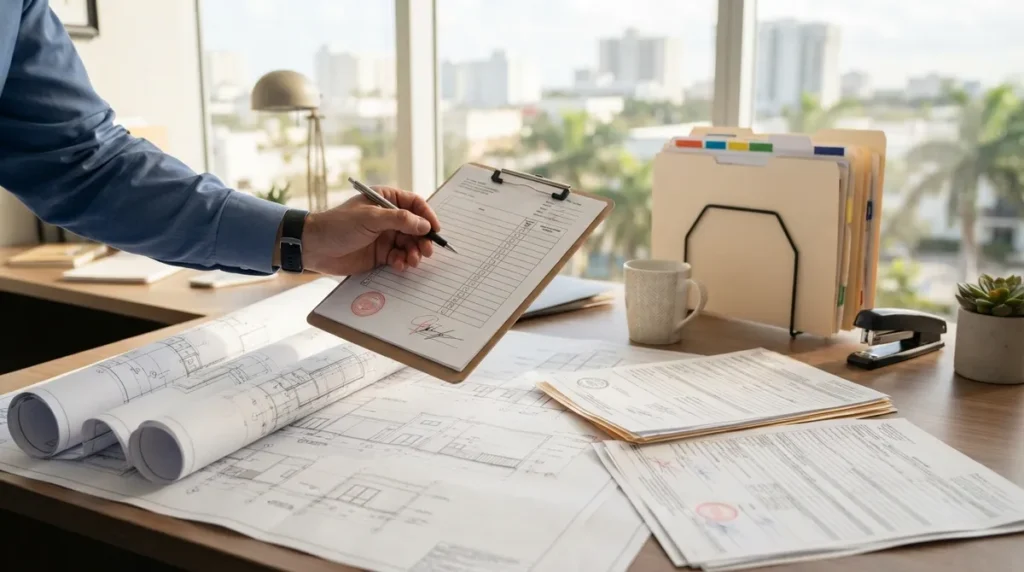
Key Takeaways
-
Identify which department placed the CO hold and request a written list of all outstanding items—this single step prevents weeks of chasing the wrong office and ensures everyone is aligned.
-
File an after-the-fact permit with complete documentation including as-built drawings and engineer letters when required; this is the core process to legalize unpermitted work and clear the hold.
-
Disclose the unpermitted work honestly and promptly rather than hiding it, as attempting concealment typically creates bigger problems during inspection or closing.
-
Resolve code enforcement, fire, zoning, and utility department issues separately from the building permit hold, as these are independent approvals that may still be outstanding.
-
Respond quickly to all plan review comments with complete answers and resubmit promptly; slow replies are a major hidden cause of delays in clearing CO holds.
-
Prepare strong documentation including dated photos, product specifications, and engineer inspection reports before inspections to reduce the likelihood of costly wall openings and demolition.
You're staring at an email from the building department, and it says your Certificate of Occupancy is on hold. Maybe you're a contractor with a crew waiting on final sign-off. Maybe you're a buyer with a closing date creeping closer. Or maybe you're a homeowner who just learned that the previous owner's sunroom never had a permit. Take a breath. A CO hold for unpermitted work in Florida sounds scary, but it is very often fixable.
Here's the good news: a hold isn't a verdict. It's a signal that something in the file still needs attention, whether that's a missing permit, an open inspection, or a documentation gap. In this guide, we'll walk through 14 practical ways to understand and clear a CO hold tied to unpermitted work, from decoding the hold itself to closing out the final inspection. We'll keep it friendly, plain-English, and focused on what actually moves files forward in 2026.
One quick note: this is general information, not a legal determination about any particular property. Requirements vary by city and county, so always confirm details with the jurisdiction that controls your address.
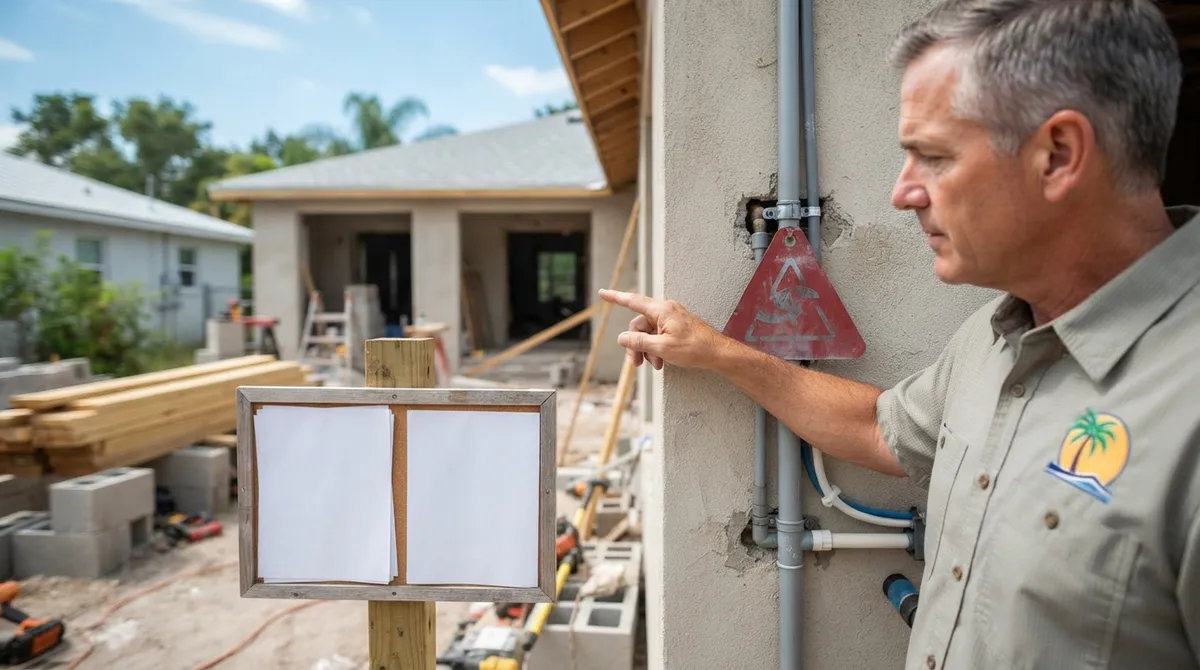
What a CO Hold Actually Means in Florida
Let's start with the basics. In Florida permitting, a "CO hold" generally means the local building department has withheld, or cannot issue, a Certificate of Occupancy (or sometimes a Certificate of Completion) until outstanding issues are resolved. The phrase isn't a single statewide legal status, so the exact meaning depends on who placed the hold and why.
Florida Statutes §553.79 generally requires a permit before covered construction, alteration, repair, or demolition, though statutory exceptions exist. When work was done without one, the paper trail has a gap, and that gap is what often triggers the hold. If you want a deeper look at how occupancy approvals work, our Certificate of Occupancy service page breaks it down.
| Common Hold Trigger | What It Usually Means | Typical Next Step |
|---|---|---|
| Unpermitted addition or enclosure | Work exists with no permit record | After-the-fact permit with plans |
| Open or expired permit | Inspections never finished | Reactivate, inspect, close out |
| Failed final inspection | Deficiencies remain | Correct and request re-inspection |
| Code enforcement case | Separate violation on file | Resolve with enforcement office |
| Change of use | Occupancy type no longer matches | Revised plans and new approvals |
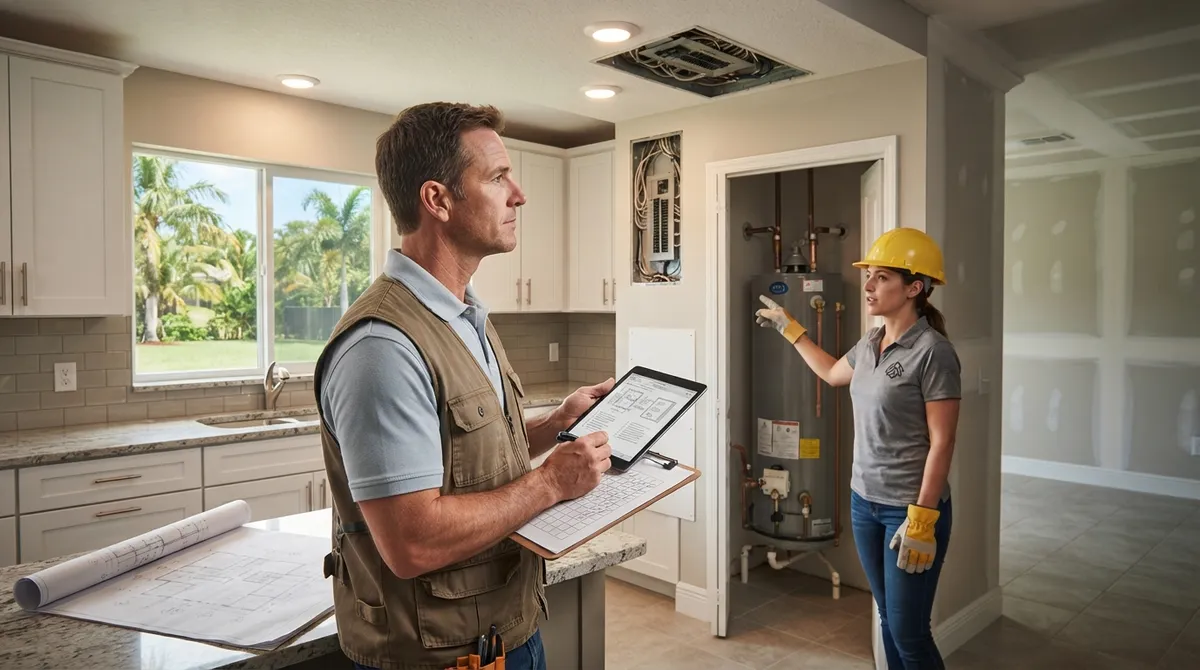
14 Ways to Clear a CO Hold Tied to Unpermitted Work
1. Find Out Exactly Who Placed the Hold
Not every hold comes from the building department. Zoning, fire, utilities, and code enforcement can each place their own. Ask the jurisdiction for the specific hold type and the department that issued it. This one phone call can save weeks of chasing the wrong office.
If you're not sure which agency controls your property, especially near city lines, try the building department lookup tool to point you in the right direction.
2. Get the Hold in Writing
Verbal explanations change, but written notes stick. Request a written list of every outstanding item, including open permits, failed inspections, and missing documents. A current department checklist is your roadmap, and it keeps everyone on the same page.
3. Search for Open and Expired Permits
Sometimes the "unpermitted work" is actually permitted work that was never closed. An open or expired permit can block a CO just as effectively as no permit at all. Run an open permit search early, because you may find a simpler fix than you expected. Our guide on how to close an expired permit in Florida covers that path.
4. Disclose the Work Honestly
This feels counterintuitive, but disclosure is usually the fastest route. Unpermitted work isn't automatically legalized by applying for a permit, yet owners commonly need to disclose it and pursue an after-the-fact (retroactive) permit. Trying to hide it tends to create bigger problems at inspection or at closing.
5. Apply for an After-the-Fact Permit
This is the core move. An after-the-fact permit brings existing work into the official record through plan review and inspections. Each jurisdiction runs its own process, forms, and fees. We explain the mechanics in our guide to getting an after-the-fact permit in Florida, and you can see our full after-the-fact and expired permit services for hands-on help.
6. Prepare As-Built Drawings
Because the work already exists, reviewers often want drawings that show what was actually built. As-builts document dimensions, layout, framing, and systems as they stand today. Clean, accurate drawings make plan review smoother and reduce back-and-forth. Learn more about as-built drawings and how they fit into the process.
7. Get an Engineer Letter or Sealed Drawings When Required
Depending on the scope, documentation may need to be prepared or sealed by a Florida-licensed architect or engineer. Structural changes, roof framing, and load-bearing modifications commonly fall into this category. An engineer letter can verify that existing work meets code without tearing everything apart.
8. Be Ready to Expose Concealed Work
Here's the part nobody loves. Inspectors may require walls, ceilings, or floors to be opened when they can't verify code compliance through records or other acceptable evidence. The best way to avoid unnecessary demolition is to bring strong documentation, photos, and engineering support to the table first.
| Evidence Type | Helps Verify | May Reduce Need to Open Walls? |
|---|---|---|
| Dated progress photos | Framing, insulation, wiring | Often |
| Engineer inspection report | Structural compliance | Often |
| Product approvals and specs | Windows, doors, roofing | Sometimes |
| Original contractor records | Scope and materials | Sometimes |
| No documentation | Nothing | Rarely |
9. Respond Promptly to Plan Review Comments
Reviewers will probably send comments. That's normal, not a rejection of you personally. Answer each one clearly and completely, and resubmit quickly. Slow replies are one of the biggest hidden causes of delays, so consider professional revision and resubmittal support if comments pile up.
10. Fix Any Noncompliant Work
If the work fails review or inspection, the jurisdiction may require repairs, added documentation, or removal of the noncompliant portion before closeout. It's rarely the outcome anyone wants, but knowing it's possible helps you plan the budget and timeline. Many projects pass with minor corrections.
11. Schedule and Pass Required Inspections
Once the permit is issued, inspections verify the work. Be present, be organized, and have the approved plans on site. Some owners also use private provider inspections where the jurisdiction allows it, which can shorten wait times considerably.
12. Resolve Code Enforcement Separately
A CO hold and a code-enforcement case are not necessarily the same thing. Clearing the building permit issue may not close a separate code, fire, zoning, utility, or business-use matter. Ask which departments and approvals remain outstanding, and tackle each one deliberately. Our code compliance help covers this ground.
13. Pay Fees and Close Out the Permit
Fees and penalties vary among Florida cities and counties, and there is no reliable statewide figure. Confirm the exact amounts with your jurisdiction in writing. After the final inspection passes, make sure the permit is formally closed, because an open permit can resurface later and snag a sale or refinance.
14. Request the CO or Certificate of Completion
With permits closed, inspections passed, and other departments cleared, you can request the CO or Certificate of Completion. Keep digital and paper copies of everything. Your future self, your buyer, and your insurance agent will thank you.
Why Hold Timing Matters for Different Readers
The same hold feels different depending on where you're standing. Here's how it tends to play out:
- General contractors: A hold can stall final payment and crew scheduling, so early documentation pays off. See how we support general contractors.
- Solar companies: Missing structural or electrical records on older roofs can trigger holds on distributed energy projects.
- Realtors and buyers: Holds discovered mid-contract can threaten closing dates. Our realtor closing support was built for exactly this moment.
- Homeowners: Inherited unpermitted work is common, and it's usually solvable. Start with our guide to legalizing unpermitted work in Florida.
A Simple Game Plan You Can Start Today
Feeling overwhelmed? Here's a streamlined order of operations that works for most files:
- Identify the exact hold and the department behind it.
- Pull permit history and check for open or expired permits.
- Gather photos, receipts, and any prior records.
- Order as-builts and, if needed, an engineer letter.
- File the after-the-fact permit with a complete package.
- Answer comments fast, pass inspections, and close the permit.
Local Rules Vary, So Verify Your Jurisdiction
Florida has 67 counties, but permitting authority is often administered by municipalities too. That means the rules in one city can differ from the next town over. If your property is in the Tampa Bay region, you can start with local pages for Hillsborough County, Pinellas County, or Manatee County. Not sure where to begin? Urgent permit rescue is there for denials, stop work orders, and closings held up.
You can also see what past clients say by visiting our 1 Contractor Solutions profile on Google, or connect with us and follow us on LinkedIn and follow us on Facebook for permitting tips as rules evolve. For official statutory language, the Florida Statutes Chapter 553 is the authoritative source.
Ready to Clear Your Hold?
A CO hold tied to unpermitted work is stressful, but it's a process, not a dead end. Step by step, with the right documents and a clear map of who needs to sign off, most owners and contractors get through it. At 1 Contractor Solutions, we act as Florida's outsourced permitting department: our in-house drafters and engineer prepare the plans, file the application, work every reviewer comment, and carry the file through closeout. If you'd rather hand this off to a team that does it every day, get a free quote and let's get your project moving again.
FAQs
What does a CO hold mean in Florida?
A CO hold generally means the local building department has withheld a Certificate of Occupancy or Certificate of Completion until outstanding permit, inspection, or approval issues are resolved. It isn't one single statewide status, so ask your jurisdiction exactly what's on hold and why. The good news is that most holds can be cleared once each item is addressed.
Can I get a Certificate of Occupancy if work was done without a permit in Florida?
Often, yes, but usually only after the work is brought into the system. That typically means disclosing it, applying for an after-the-fact permit, submitting plans or as-built documentation, and passing inspections. Applying alone doesn't automatically legalize the work, so be ready for corrections if anything falls short of code.
Will Florida inspectors make me open walls to inspect unpermitted work?
Sometimes, particularly when inspectors can't verify code compliance from records or other acceptable evidence. Strong documentation, dated photos, and a sealed engineer letter can help reduce the need for demolition. Every jurisdiction handles this a little differently, so confirm expectations early.
Does clearing a building permit hold also resolve code enforcement or fire department issues?
Not necessarily. A CO hold and a code-enforcement case are separate matters, and zoning, fire, utility, or business-use approvals may each have their own requirements. Ask the jurisdiction which departments still need to sign off so nothing surprises you at the finish line.
Do after-the-fact permit fees or penalties vary by Florida city or county?
Yes, they do. Fees, forms, penalties, and review practices are set or administered locally, and there's no reliable statewide figure. Request the current written fee schedule and checklist from the department that controls your property address before you budget.
We do this work every day across all 67 Florida counties. Call (866) 314-6931 and we will tell you what your situation actually requires — including when you do not need us.
Related services
Permit Facilitation & Filing
You have a crew scheduled, a client asking for dates, and a permit sitting somewhere in a queue you cannot see. We file it, w…
See the servicePlan Review Coordination
A permit in plan review is not one queue. On a commercial project it can be six queues, each with its own reviewer, its own c…
See the serviceReady to get your permit moving?
One call tells you which jurisdiction controls your project, what it will take, and what it will cost. Most of the time we can scope it on the phone.