
Blog
14 Steps to Qualify a Job for After-the-Fact in Florida
Learn 14 friendly steps to qualify a job for after-the-fact permitting in Florida, from jurisdiction checks to sealed as-builts and inspections.
Key Takeaways
-
Florida has no single statewide after-the-fact fee schedule; costs depend on your jurisdiction, project valuation, and documentation needs, so confirm with the local building department early.
-
Confirm the controlling jurisdiction first, since city mailing addresses can sit in unincorporated county land, and the wrong office means wrong fees and lost weeks.
-
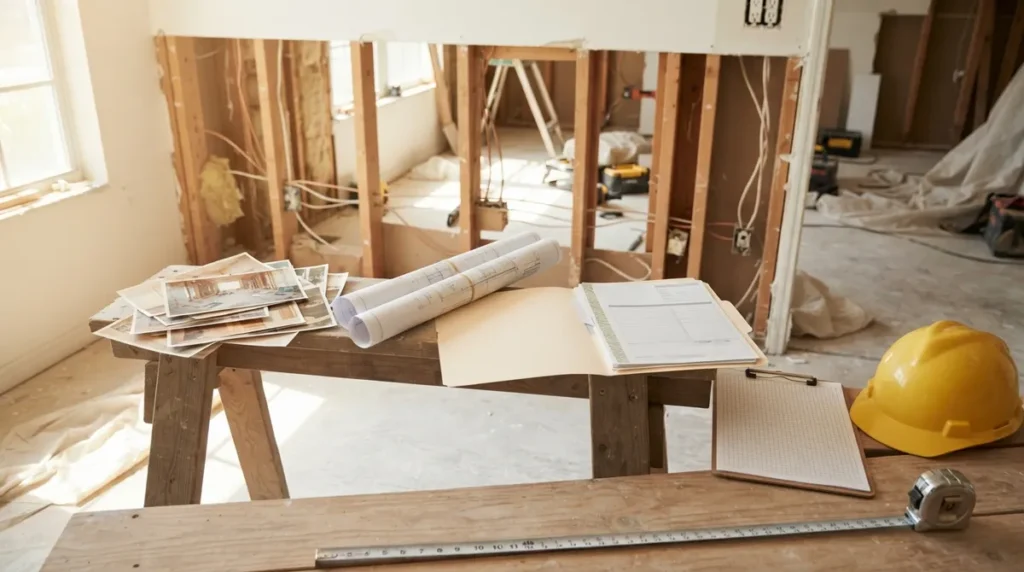
Gather existing documentation such as dated progress photos, invoices, product approvals, and original plans, since photos can show what is behind finished walls without opening anything.
-
Expect concealed work such as framing, wiring, or plumbing may require opening walls or ceilings, an engineering analysis, corrective work, and reinspection, so budget for these possibilities upfront.
-
Qualification is not the finish line: you still must complete required inspections and corrections, and unresolved violations can lead to fines or a property lien.
-
Finish with a go, go-with-conditions, or rethink decision; most jobs land in the first two categories, which means they are typically permittable with documentation or engineering.
Picture this: you're about to sell your Florida home, and the buyer's inspector spots a sunroom nobody pulled a permit for. Or you're a contractor who inherited a half-finished job from a crew that skipped the paperwork. Take a breath. You are far from alone, and there is usually a path forward.
The first step on that path is learning how to qualify the job for after the fact Florida permitting. In plain terms, that means checking whether work that was already started, or already finished, can be documented, inspected, and brought into compliance. It is an honest assessment, not a promise of approval.
Florida Statutes §553.79 generally requires a permit from the local enforcing agency before covered construction begins. Your city or county building department handles the details. That means fees, forms, and penalties vary quite a bit from place to place.
This friendly guide walks through 14 steps to qualify your job the smart way. Whether you're a general contractor, solar installer, realtor, or homeowner, you'll leave knowing what to check, what to gather, and what to expect.
What Does It Mean to Qualify a Job for After-the-Fact in Florida?
Qualifying a job is the screening stage that happens before any application goes in. You are asking one big question: can this work realistically be permitted, inspected, and closed out?
It is not a guarantee. Plans, inspections, concealed-work verification, and corrections may all be required before the building department signs off. Think of qualification as a reality check that saves you time and money.
A good qualification review looks at four things:
- The exact work performed and its current status
- The property's permit and violation history
- The jurisdiction that actually controls the property
- Whether the work requires a permit at all
If you want to dig deeper into how this process works, our guide on what after-the-fact permitting is in Florida is a great companion read.
14 Steps to Qualify the Job
1. Define the Exact Scope of Work
Start by writing down precisely what was built, replaced, or altered. "We redid the back porch" is too vague. "We enclosed a 12x16 covered patio with framed walls, a new door, and two electrical circuits" is something a reviewer can work with.
Photos, receipts, and dates help here. The clearer your scope, the faster everything else moves.
2. Confirm Whether the Work Needed a Permit
Not every project requires one. Some minor work is exempt, and exemptions differ by jurisdiction. Always confirm with the local building department rather than assuming.
If a permit was required and skipped, you are in after-the-fact territory. If it was not required, you may be able to simply move on with a clear conscience.
3. Identify the Correct Jurisdiction
This one trips up many owners. A property with a city mailing address may actually sit in unincorporated county land, or the other way around. The wrong guess means the wrong office, the wrong fees, and wasted weeks.
Try our building department lookup tool, or read which Florida jurisdiction reviews my project for a deeper explanation.
4. Research the Property's Permit History
Pull the permit record for the address. You are looking for open permits, expired permits, prior violations, and any earlier work that might connect to your current issue.
You can start with our open permit search. Surprises are common, and it is far better to find them now than at closing.
5. Check for Open Violations or Stop-Work Orders
If code enforcement has already noticed the work, the path changes. A notice of violation or stop-work order comes with deadlines, and ignoring it can lead to fines or even a lien on the property.
If this is your situation, our code compliance violations team can help you respond in the right order.
6. Decide Who Owns the Problem
Who is the applicant? The owner, the original contractor, or a new licensed contractor? In many cases the contractor who did the work is long gone, which is more common than you'd think.
Homeowners may be able to apply as owner-builders in some situations. Our owner-builder permits page explains how that works.
7. Gather Existing Documents
Collect everything you can find. Helpful items include:
- Original plans or sketches, even rough ones
- Product specifications and approvals for windows, doors, or roofing
- Invoices, contracts, and material receipts
- Dated photos taken during construction
- Prior inspection reports or insurance documents
Dated progress photos are gold. They can show what is behind finished walls without tearing anything open.
8. Evaluate Whether Concealed Work Can Be Verified
Here is where things get real. Inspectors need to see framing, wiring, plumbing, and structural connections. If those are buried behind drywall or ceilings, verification gets harder.
The agency may require opening walls or ceilings, an engineering analysis, corrective work, and reinspection. Knowing this upfront helps you budget honestly.
9. Determine If Sealed Plans Are Needed
Depending on the work, plans may need to be prepared or reviewed by a Florida-registered architect or engineer and bear a professional seal. Structural changes, additions, and many roof or electrical projects commonly fall into this group.
Our in-house team produces as-built drawings that accurately depict existing conditions, which is exactly what reviewers expect on an after-the-fact submission.
10. Consider an Engineer Letter
For some jobs, a sealed letter from a licensed engineer confirming the work meets code can be the key that unlocks approval. It is especially useful when concealed structural elements are involved.
Learn more about how engineer letters support permit approvals, or read whether a sealed drawing is required for after-the-fact permits.
11. Estimate Fees and Penalties Honestly
Florida has no single statewide after-the-fact fee schedule. Costs depend on your jurisdiction, project valuation, and documentation needs. As one local example, St. Lucie County states that its after-the-fact fee is double the standard permit fee. That is a county-specific rule, not a statewide one.
For a deeper look at budgeting, see after-the-fact permit Florida cost.
12. Review the Timeline Realistically
No statewide average exists for approval time. Small, well-documented jobs may move quickly. Larger jobs with concealed work, engineering, and corrections take longer.
Build in a cushion, especially if there is a closing date or insurance deadline attached.
13. Check for Time-Sensitive Pressure
Is there a pending sale, a refinance, an insurance claim, or a lender demand? Time pressure changes your strategy and may call for rapid-response help.
Our urgent permit rescue service exists for exactly these moments, including denials, stop-work orders, and closings held up by permit issues.
14. Make a Go or No-Go Decision
After the first 13 steps, you will usually land in one of three places:
- Go: The work looks permittable, documentation is available, and you can file.
- Go with conditions: The work needs engineering, opened walls, or corrections first.
- Rethink: The work may not be legalizable as built and may need modification or removal.
Most jobs land in the first two categories, which is genuinely good news.
Quick Qualification Checklist by Audience
Different readers face different priorities. Here is how the same qualification process shifts depending on who you are.
| Audience | Top Concern | First Move |
|---|---|---|
| General contractors | Inherited or sub-contracted work with no permit | Verify license status and jurisdiction, then gather plans |
| Solar companies | Installed systems missing structural or electrical sign-off | Confirm roof structure documentation and equipment specs |
| Realtors and buyers | Open permits or unpermitted additions before closing | Run a permit history search early in the deal |
| Homeowners | Fines, safety, and resale value | Confirm jurisdiction and ask what the building department requires |
| Designers and trades | Accurate existing-condition drawings | Field-measure and prepare sealed as-builts |
Contractors can find tailored support on our general contractors page, solar installers on our solar contractors page, and buyers and sellers on our realtors page.
What Can Go Wrong During Qualification?
Even a careful review can hit bumps. Knowing the common ones helps you stay calm.
| Issue | Why It Happens | Typical Fix |
|---|---|---|
| Concealed work cannot be verified | Walls, ceilings, or slabs already closed up | Selective opening, photos, or engineering analysis |
| Work does not meet current code | Built to outdated or no standard | Corrective work, then reinspection |
| Wrong jurisdiction contacted | City limits and county lines are confusing | Re-confirm jurisdiction and refile correctly |
| Missing product approvals | No documentation for windows, doors, or roofing | Locate approvals or replace noncompliant products |
| Expired or abandoned prior permit | Earlier contractor never finished | Close or reopen the old permit first |
If an old permit is part of the story, our guide on how to close an expired permit in Florida will help.
Qualification Is Not the Finish Line
Here is a gentle but important reminder. Filing an application does not resolve the issue. You still need to complete required inspections, make corrections, and obtain final approval.
Unresolved violations may lead to enforcement action, fines, or a property lien, as described in county guidance such as St. Lucie County's FAQ. Also confirm local timing rules, since some counties void permits if work does not start or an inspection is not requested within a set period, such as 180 days in St. Lucie County.
Because rules differ, always confirm current requirements with the relevant building department. You can browse our Florida county pages to see how different areas operate.
How 1 Contractor Solutions Can Help
You do not have to figure this out alone. 1 Contractor Solutions acts as Florida's outsourced permitting department. We tell you which jurisdiction actually controls your property, what the job will take, and then we handle it.
Our drafting and engineering are in house, and our own engineer signs and seals the work. When a reviewer flags something, we fix it directly instead of waiting on an outside consultant. We work across all 67 Florida counties and have filed in more than 400 municipalities.
See our after-the-fact and expired permit services for the full picture, or read what customers say when you visit us on Google — 1 Contractor Solutions. For helpful updates, follow us on LinkedIn or follow us on Facebook.
For official statutory language, you can review Florida Statutes §553.79 on the Florida Legislature website.
Final Thoughts
Unpermitted work feels stressful, but it is rarely the end of the road. Qualifying the job properly gives you a clear picture of scope, jurisdiction, documentation, and risk before you spend a dollar on applications.
Take it one step at a time, keep your records handy, and lean on people who do this every day. When you're ready for a clear answer and a real plan, get a free quote and let our team qualify your job and get it moving. Permits approved. Projects moving.
FAQs
What does it mean to qualify a job for an after-the-fact permit in Florida?
It means doing a first-pass review to see whether unpermitted or already-started work can be documented, permitted, and inspected. It is an honest assessment, not an approval, so plans, inspections, and corrections may still be needed.
Can I get a permit in Florida after construction has already started or finished?
In many cases, yes. Local building departments generally have a process for bringing existing work into compliance, though requirements, fees, and penalties vary by city and county. Approval is never automatic, so expect inspections and possible corrections.
Will inspectors make me open walls or ceilings to check concealed work?
They may. If framing, wiring, or plumbing cannot be verified any other way, the agency can require opening walls or ceilings, an engineering analysis, or corrective work. Dated construction photos and a sealed engineer letter can sometimes reduce how much needs to be opened.
How much does an after-the-fact permit cost in Florida?
There is no single statewide fee. Costs depend on your jurisdiction, project value, and documentation needs. For example, St. Lucie County says its after-the-fact fee is double, but that is a local rule rather than a Florida-wide one.
Do I need sealed as-built plans or an engineer's report?
Often, yes, especially for structural, electrical, or roof-related work. Local agencies may require plans that accurately show existing conditions and carry a Florida-registered professional's seal, so it is smart to confirm with your building department early.
We do this work every day across all 67 Florida counties. Call (866) 314-6931 and we will tell you what your situation actually requires — including when you do not need us.
Related services
Permit Facilitation & Filing
You have a crew scheduled, a client asking for dates, and a permit sitting somewhere in a queue you cannot see. We file it, w…
See the servicePlan Review Coordination
A permit in plan review is not one queue. On a commercial project it can be six queues, each with its own reviewer, its own c…
See the serviceReady to get your permit moving?
One call tells you which jurisdiction controls your project, what it will take, and what it will cost. Most of the time we can scope it on the phone.