
Blog
11 Steps for Code Violation Help in Port Charlotte (2026)
Got a code violation notice in Port Charlotte? Follow these 11 friendly, practical steps to understand your case, fix permit issues, and avoid fines.
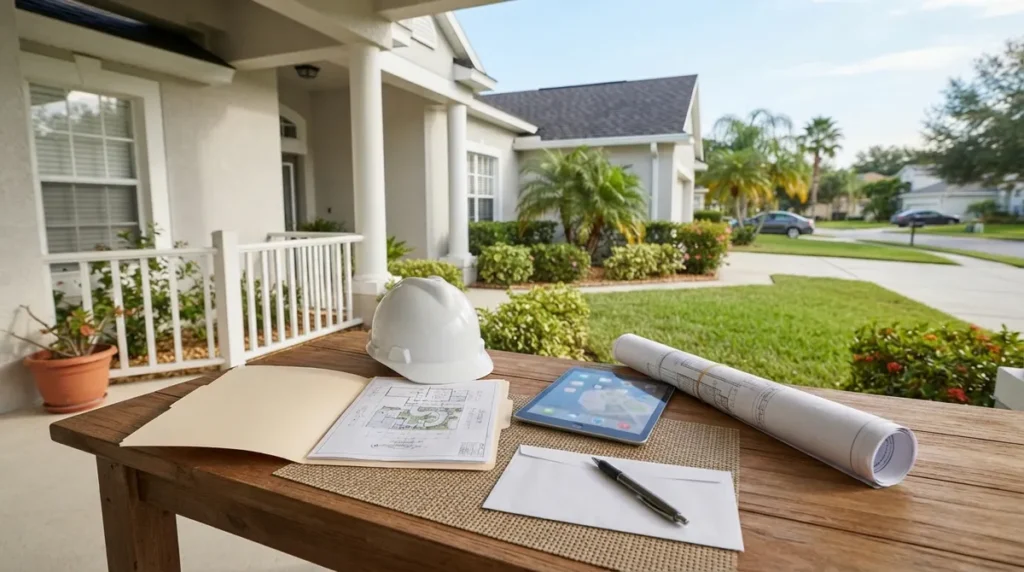
Key Takeaways
-
Charlotte County's Code Compliance Section handles most Port Charlotte violations, and the county prefers voluntary compliance, so responding promptly and showing good-faith progress is your best strategy.
-
Read your Notice of Violation line by line and note the case number, cited code, compliance deadline, and any hearing date; the deadline is your window to fix the issue before escalation.
-
Check your case status through the county's Citizen Access Portal or One View, and pull the property's permit history to catch expired or open permits you may not know about.
-
Separate maintenance violations (clutter, tall grass, abandoned vehicles) that you can often fix yourself from permit violations (expired permits, unpermitted work, missing finals) that need records, drawings, and inspections.
-
For unpermitted work, gather as-built drawings, site plans, photos, and sealed engineering letters when required, since missing documents are a leading cause of delayed cases.
-
Attend or prepare for the Special Magistrate hearing with permits, inspection records, and a clear timeline; showing good faith can influence how fines or liens are handled. Confirm the schedule with the county first.
Opening a letter from the county that says "Notice of Violation" can make your stomach drop. Take a breath. You are far from the first Port Charlotte property owner to get one, and most of these cases are fixable with a clear plan and the right paperwork.
If you are searching for code violation help in Port Charlotte, you probably want straight answers. Who is actually handling your case? What do you need to fix? Will there be fines? And how do you get the file closed so you can sell, refinance, or simply sleep better?
Here is the good news. Charlotte County says voluntary compliance is its preferred approach. In many cases, the path forward is practical: find the problem, pull the right permits, pass the right inspections, and document everything. This guide walks you through 11 steps, written for homeowners, general contractors, solar companies, real estate pros, and design trades alike. Let's get your case moving in the right direction.
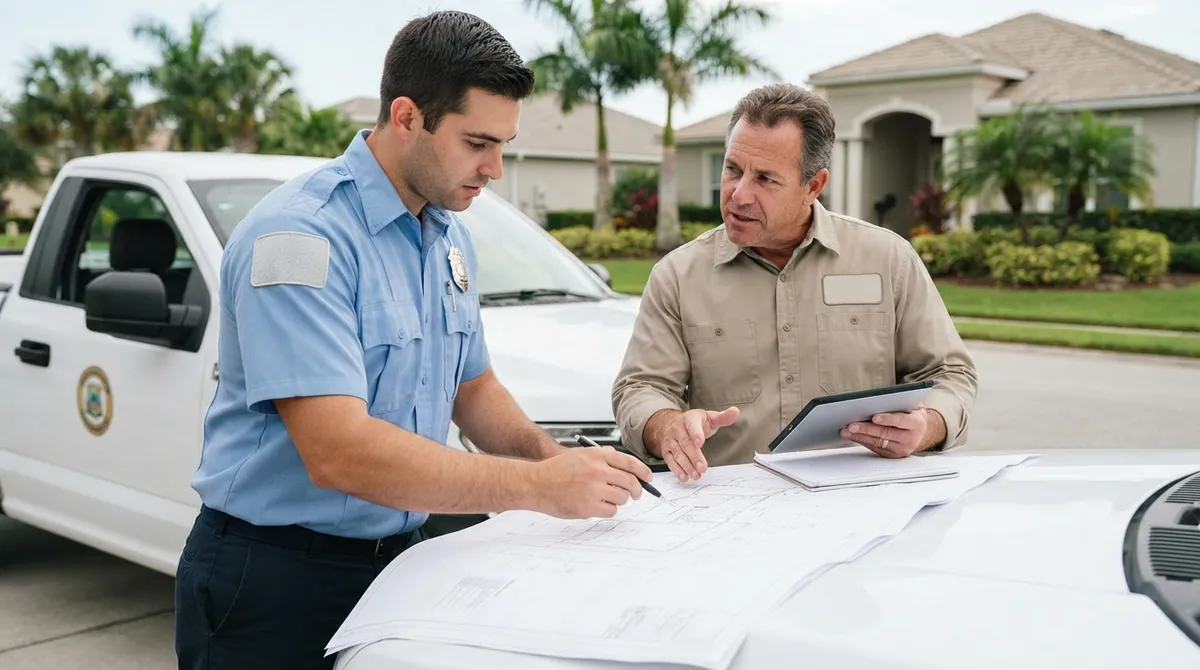
Step 1: Understand Who Handles Code Violations in Port Charlotte
In Port Charlotte, code enforcement is handled by Charlotte County's Code Compliance Section within the Community Development department. This team investigates a surprisingly wide range of issues, including zoning, property maintenance, certain Florida Building Code permitting issues, and commercial or residential landscape and sign inspections.
That matters because your violation might not be about the building at all. It could be about a sign, a landscaping requirement, or the condition of the lot. Knowing which category your notice falls into tells you what kind of fix is needed.
- Zoning: setbacks, use of the property, accessory structures
- Property maintenance: conditions covered by the adopted International Property Maintenance Code
- Building and permitting: expired permits, work without permits, missing final inspections
- Landscape and signs: commercial and residential inspections

Step 2: Read the Notice Carefully, Line by Line
It is tempting to skim the notice, feel dread, and set it on the counter. Resist that urge. Your notice is your roadmap. It should identify the property, describe the alleged violation, and give you a timeframe to correct it.
Grab a highlighter and mark these items:
- The case number and the property address
- The specific code or condition cited
- The compliance deadline
- Any hearing date, if one is listed
- The inspector's name and contact information
Under Florida Statutes Chapter 162, the general process is that an inspector notifies the alleged violator and allows a reasonable time to correct the problem before seeking a hearing, subject to statutory exceptions and local procedures. So that deadline is not just a suggestion. It is your window to fix things before the case escalates.
Step 3: Look Up Your Case in the County Portal
You do not have to guess where your case stands. Charlotte County lets you search for a case by case number or property address through its online tools, including the Citizen Access Portal and One View.
Checking the portal helps you confirm the violation type, see inspection notes, and verify whether any permits are tied to the property. It is also a great way to spot a surprise, like an old expired permit you never knew about.
If anything looks confusing, you can call the county's code line at 941-743-1201 and select the Code option. The Code Compliance page also lists 941-743-1200 as the department number. Since phone numbers and routing can change, confirm details with the county before relying on them.
Step 4: Identify the Most Common Violation Types
Charlotte County lists several common cases. Seeing yours on this list can be oddly reassuring, because it means there is a known path to resolution.
| Common Violation | What It Usually Means | Typical Fix Direction |
|---|---|---|
| Expired permit | Permit lapsed before work was finished or finaled | Reinstate, renew, or reapply; complete inspections |
| Work without a permit | Construction or alteration done with no permit on file | Obtain an after-the-fact permit with proper documentation |
| Missing final inspection | Work done but never closed out | Schedule and pass the final inspection |
| Setback issue | Structure sits too close to a lot line | Review zoning; relocate, modify, or seek approvals as allowed |
| Tall grass on developed lot | Maintenance issue on an improved property | Mow and maintain; document compliance |
| Junk-like conditions | Debris or clutter on the property | Remove and clean up |
| Abandoned vehicle or watercraft | Inoperable or abandoned items on private property | Remove, repair, or properly store |
One helpful detail: the county does not list tall grass on vacant lots as a violation, so that distinction can matter if your notice involves a lot rather than a developed parcel.
Step 5: Sort Permit Problems From Maintenance Problems
This is where code violation help really diverges. A maintenance problem, like clutter or overgrown grass, is usually something you can fix with a weekend and a trailer. A permit problem is different. It involves records, drawings, inspections, and sometimes engineering.
Permit-related violations are where Florida permitting services earn their keep. If your notice mentions an expired permit, work done without a permit, or a missing final inspection, you are in permitting territory. Our team explains the full process in 7 Steps to Legalize Unpermitted Work Florida (2026), which is a great companion read.
A quick gut check:
- If the fix is cleaning, mowing, or removing items, you can likely handle it yourself.
- If the fix involves structural, electrical, plumbing, mechanical, or roofing work, you need the permit trail sorted out.
- If the notice mentions a hearing, move quickly and get organized.
Step 6: Pull Your Permit History
Before you can fix a permit violation, you need to know what is on record. Ask for the permit history for the property, including open, expired, and closed permits. Surprises happen, especially on homes bought from a prior owner who may have skipped permits.
If that sounds familiar, read 4 Steps If a Prior Owner Skipped Permits in Florida. You can also run your own research with our open permit search tool.
Once you know what the county has on file, you can decide whether you need to reinstate something old, apply for something new, or document work that was never permitted at all.
Step 7: Choose the Right Permit Path
Not every permit problem is solved the same way. The right path depends on what the record shows and what the work actually is.
| Situation | Likely Path | Usual Documents |
|---|---|---|
| Permit expired, work incomplete | Reinstate or reapply | Permit record, updated plans, contractor info |
| Work finished, no permit ever pulled | After-the-fact permit | As-built drawings, engineer letter, photos |
| Work done, final never scheduled | Request final inspection | Permit card, inspection history |
| Hidden or covered work | Verification and documentation | Engineering review, field verification |
If you are weighing options, What Reopens an Expired Florida Permit Fastest? breaks down the choices, and After-the-Fact Permit Requirements in Florida: 2026 Guide covers the paperwork side in detail.
Step 8: Gather the Documents Reviewers Expect
A strong submittal makes everything smoother. For after-the-fact or corrective permitting, reviewers commonly want proof that the work meets the Florida Building Code. That can include drawings, sealed engineering, and site documentation.
- As-built drawings: accurate plans showing what was actually built. See What Is an As-Built Drawing and When Do I Need One in FL?
- Engineer letters or sealed plans: structural or MEP verification when required. See Who Seals Structural Drawings for Florida Permits?
- Site plan: showing setbacks and structure placement
- Photos and field notes: especially for work that is now covered
- Contractor and owner information: licenses, authorizations, and applications
Missing documents are one of the biggest reasons cases drag on. Gathering them upfront can save weeks.
Step 9: Know What Happens at a Special Magistrate Hearing
If a violation is not corrected, the county may present the matter to a Code Enforcement Special Magistrate, often shortened to CESM. This is a quasi-judicial hearing where the magistrate determines whether a violation exists and may assess fines or order a lien.
The CESM hears matters involving county code, including zoning, the adopted International Property Maintenance Code, and Florida Building Code issues. The county's published schedule says hearings are generally held on the first Wednesday of each month at 9 a.m. at the County Administration Center, 18500 Murdock Circle, Port Charlotte. Schedules can change, so confirm the current date with the county.
| Hearing Item | What to Know |
|---|---|
| Who decides | Code Enforcement Special Magistrate |
| Typical schedule | First Wednesday of each month, 9 a.m. (verify first) |
| Location | County Administration Center, 18500 Murdock Circle, Port Charlotte |
| Possible outcomes | Compliance deadline, fines, or a lien |
| Best preparation | Permits, inspection records, and proof of progress |
Showing up with permit applications, inspection results, and a clear timeline demonstrates good faith. That can make a real difference in how the case is handled.
Step 10: Protect Yourself From Fines and Liens
Fines and liens are the part everyone worries about, and for good reason. Under Chapter 162, applicable fine limits and procedures depend on the statutory provision, your violation history, and local rules. Because those details vary, confirm current requirements with the county or a qualified professional rather than relying on a general number.
What you can control is speed and documentation. Respond to the notice, start corrective work, and keep records of every call, application, and inspection. If a lien is already in play, our guide on How Do You Clear a Code Enforcement Lien in Port Charlotte? walks through the process.
If you are also heading toward a sale, 6 Open Permit Mistakes to Avoid Before Closing in Port Charlotte can keep a closing from derailing.
Step 11: Get Professional Help With the Permit Side
Here is where a Florida permitting service can lighten your load. To be clear, the county determines compliance and adjudicates enforcement cases. A permitting firm cannot overrule the county. What it can do is help you understand permit records and requirements, coordinate applications and inspections, and organize documentation so your submittal is complete the first time.
At 1 Contractor Solutions, we handle permit filing, tracking, plan review coordination, and in-house sealed drawings across all 67 Florida counties. That means when a reviewer flags something, we can fix it without waiting on an outside consultant. If you want a deeper look at how this works statewide, see Code Compliance Violation Help Florida: What To Do Now. For Port Charlotte-specific permitting support, What Does a Building Permit Service in Port Charlotte Do? is a helpful read.
Different readers need different things from a permitting partner:
- General contractors: reliable plan drafting, sealed engineering, and permit tracking so crews stay scheduled
- Solar companies: code-compliant structural and electrical documentation for faster approvals
- Real estate professionals and investors: permit research and legalization support before closing
- Homeowners and residential owners: clear guidance and coordinated technical reviews
- Architects, designers, and trades: outsourced drafting, structural or MEP engineering, and permit administration
Curious about the finish line? A resolved permit often leads to a clean closeout, and How Do You Get a Certificate of Occupancy in Port Charlotte? explains what comes next.
How to Report a Code Violation in Port Charlotte
Maybe you are on the other side of the situation and need to report a problem. Charlotte County accepts reports through its Citizen Access Portal, One View, or by calling 941-743-1201 and selecting the Code option. The county's online instructions distinguish general code cases from high-grass-and-weeds complaints, so pick the right option.
One important note: the county states that complaints generally cannot be anonymous under Florida's 2021 legislative changes. Exceptions apply to potential violations involving an imminent threat to public health, safety, or welfare, or imminent destruction of habitat or sensitive resources.
Quick Timeline Checklist
Keep this simple checklist handy so nothing slips through the cracks:
- Read the notice and note the deadline
- Search your case by address or case number
- Pull the property's permit history
- Decide whether this is a maintenance or permit issue
- Gather drawings, engineering, and photos
- File the correct permit and schedule inspections
- Verify the hearing schedule if one is set
- Keep every record in one folder
You Do Not Have to Figure This Out Alone
Code violation help in Port Charlotte comes down to a few friendly truths. Read your notice, know who is handling the case, separate maintenance from permit issues, and document every step you take. Most cases move forward when you show steady, good-faith progress.
If your notice involves expired permits, unpermitted work, or missing inspections, we would love to help you sort it out. Get a free quote and tell us your address and what is going on. We respond fast, and we will tell you exactly which jurisdiction controls your project and what it will take to resolve it. You can also read what other owners say when you visit us on Google — 1 Contractor Solutions, and stay connected when you follow us on LinkedIn or follow us on Facebook. Our website is supported by Brain Buzz Marketing.
FAQs
How do I report a code violation in Port Charlotte, Florida?
You can report through Charlotte County's Citizen Access Portal, One View, or by calling 941-743-1201 and choosing the Code option. Keep in mind that complaints generally cannot be anonymous under Florida's 2021 changes, with exceptions for imminent threats to public health, safety, or welfare.
What should I do if I get a code violation notice for unpermitted work?
Don't panic! Read the notice, note your deadline, and check the permit history for your property. Then work toward an after-the-fact permit with documentation like as-built drawings and, when required, a sealed engineer letter, and confirm the exact requirements with the county.
What happens at a Charlotte County Code Enforcement Special Magistrate hearing?
The magistrate holds a quasi-judicial hearing to decide whether a violation exists and may assess fines or order a lien. Hearings are generally held the first Wednesday of each month at 9 a.m. at the County Administration Center in Port Charlotte, but verify the current schedule with the county first.
Can a permit or final inspection resolve an expired-permit violation?
Often, yes! Many expired-permit cases are resolved by reinstating or reapplying for the permit, completing the work, and passing the required inspections. The county decides when a case is in compliance, so keep records of everything you submit.
Can Charlotte County place a fine or lien on my property?
Yes, if a violation isn't corrected, the Special Magistrate may assess fines or order a lien. Exact fine limits and procedures depend on Chapter 162, your violation history, and local rules, so confirm current details with the county or a qualified professional.
We do this work every day across all 67 Florida counties. Call (866) 314-6931 and we will tell you what your situation actually requires — including when you do not need us.
Related services
Permit Facilitation & Filing
You have a crew scheduled, a client asking for dates, and a permit sitting somewhere in a queue you cannot see. We file it, w…
See the servicePlan Review Coordination
A permit in plan review is not one queue. On a commercial project it can be six queues, each with its own reviewer, its own c…
See the serviceReady to get your permit moving?
One call tells you which jurisdiction controls your project, what it will take, and what it will cost. Most of the time we can scope it on the phone.