
Blog
Unpermitted Construction in Florida: How to Fix It in 2026
Found unpermitted work on a Florida property? Learn what the law says, what it costs, and the step-by-step path to legalize it in 2026.
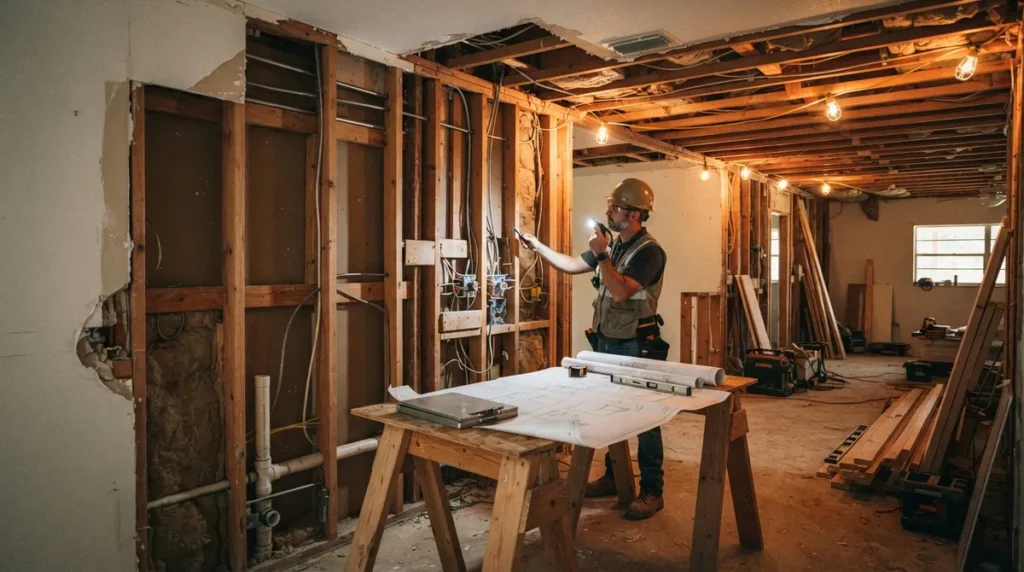
Key Takeaways
-
Florida has no statewide after-the-fact permit process; each city and county sets its own procedures, fees, and penalty structures, so you must identify your exact jurisdiction before applying.
-
Unpermitted work often requires sealed as-built drawings, engineer letters, and inspections that may involve opening walls/ceilings, so budget for professional drafting and engineering in addition to permit fees.
-
Unpermitted construction typically surfaces during home sales, refinancing, insurance claims, or code enforcement visits; early voluntary disclosure is far less costly than dealing with surprises at closing.
-
An after-the-fact permit application does not automatically legalize work; the building department may require corrections, inspections of concealed areas, and code compliance verification before final approval.
-
Common unpermitted projects include room additions, roof replacements, electrical upgrades, plumbing changes, HVAC work, pools, decks, and solar installations—verify with your building department if unsure.
-
Leaving a permit application open without final closure creates future problems; always follow through to final inspection approval to officially close the permit and resolve the violation.
Let's start with some good news: if you've discovered unpermitted construction in Florida, you are far from alone, and you are not out of options. Every year, Florida owners find an enclosed patio, a swapped water heater, a new roof, or a converted garage that never got a permit. Sometimes the previous owner skipped it. Sometimes a contractor promised to "take care of it" and never did. Sometimes it was a simple mistake.
The stress is real, though. Unpermitted work can surface at the worst moments: a home sale, a refinance, an insurance claim, or a visit from code enforcement. The good news is that most situations can be resolved with a clear plan and the right help.
In this guide, we'll walk through what the law says, what can happen if work goes unpermitted, and the practical steps to bring it into compliance. Whether you're a general contractor, solar installer, realtor, or homeowner, you'll find a roadmap you can actually use in 2026.
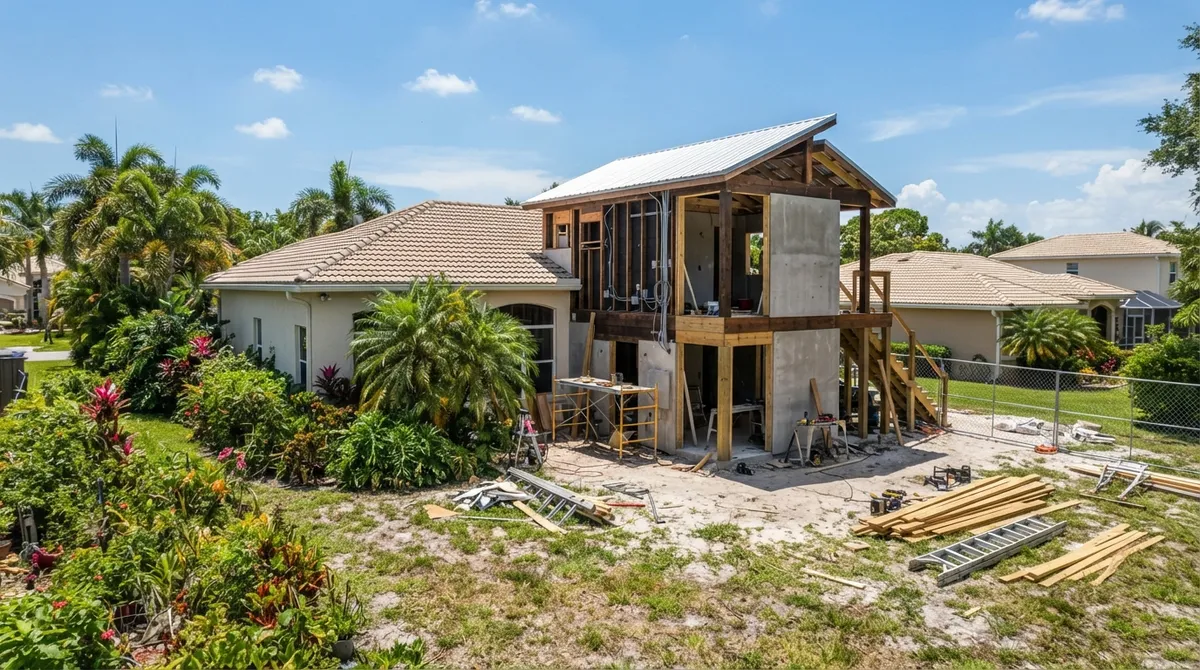
What Counts as Unpermitted Construction in Florida?
Unpermitted construction is any work that required a building permit but was started or completed without one. Under Florida Statutes §553.79, a permit is generally required from the local enforcing agency before covered construction, alteration, repair, or demolition begins, unless an exception applies.
Here's the key point: the statute is the statewide baseline, but your local city or county building department administers permits and inspections. That means the details can differ depending on where your property sits.
Common examples of unpermitted work include:
- Room additions, enclosed lanais, and garage conversions
- Roof replacements and structural roof repairs
- Electrical panel upgrades, rewiring, and new circuits
- Plumbing changes, including water heater replacements and new bathrooms
- HVAC replacements and duct modifications
- Pools, pool cages, decks, fences, and retaining walls
- Impact windows and doors
- Solar and battery installations
Not sure whether your project needed a permit? Don't assume it was exempt. The safest move is to verify with the building department that has jurisdiction. You can use our building department lookup tool to find the right office for your address.
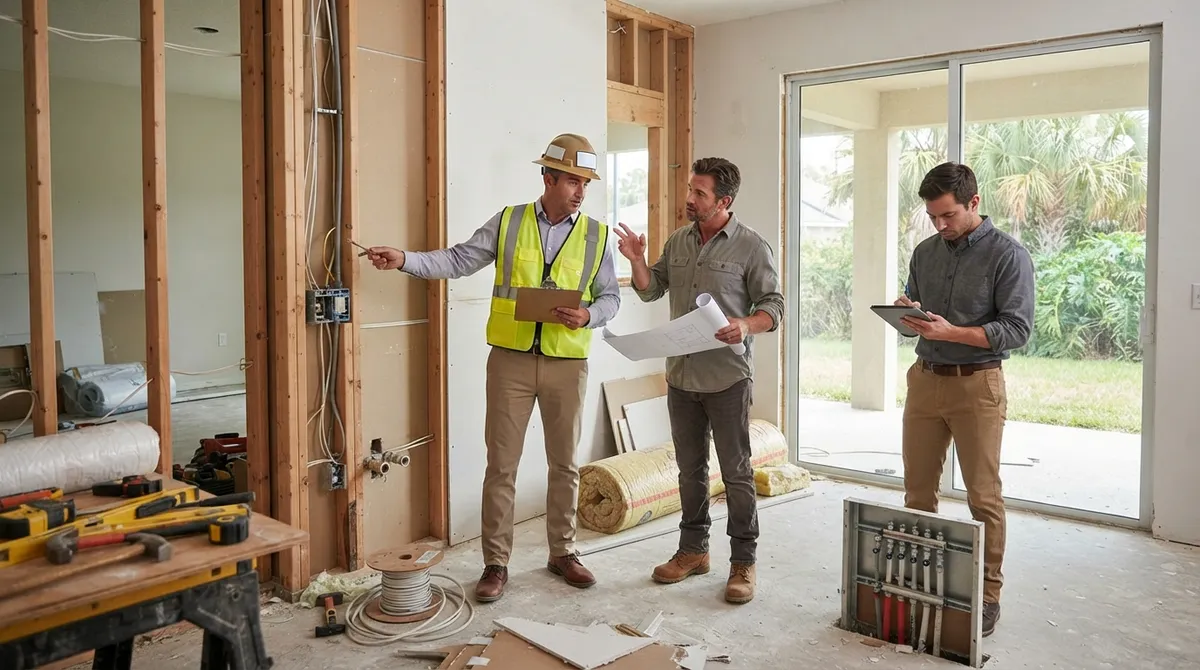
Why Unpermitted Work Becomes a Problem
Permits exist so a qualified inspector verifies that work meets the Florida Building Code, including wind-load, flood, electrical, and life-safety requirements. When that review never happens, nobody has confirmed the work is safe, and that uncertainty tends to show up later.
Here are the most common moments when unpermitted construction in Florida causes trouble:
- Selling a home: Buyers, appraisers, and title companies may flag work that doesn't match permit records.
- Refinancing or a HELOC: Lenders may require the issue to be resolved first.
- Insurance claims: Unpermitted or non-compliant work can complicate coverage discussions.
- Code enforcement: A neighbor complaint or inspector observation can trigger a Notice of Violation.
- Future renovations: A new permit application can reveal older unpermitted work.
Outcomes depend on your jurisdiction, the type of project, and the specific facts. Paying a fee alone does not automatically resolve a violation, which is why a structured approach matters. For a deeper look, see our article on what happens if you build without a permit in Florida.
The Legal Baseline: What Florida Law Says
Florida does not have a single statewide after-the-fact permit form, fee schedule, or process. Instead, the state sets the permit requirement and each city or county sets its own procedures, documentation rules, inspection steps, and fees.
| Topic | What Florida Law and Practice Say |
|---|---|
| Permit requirement | Florida Statutes §553.79 requires a permit before covered work begins, unless an exception applies |
| Who administers it | Local city or county building departments |
| After-the-fact process | Set locally; no single statewide form or process |
| Fees and penalties | Vary by jurisdiction |
| Automatic approval? | No. Documentation, inspections, and corrections may be required |
One example: Miami-Dade County states that work performed without a required permit may still require a permit and inspection, and that portions of completed construction may need to be uncovered. Its guidance also notes that when a Notice of Violation has been issued, the permit may carry a penalty equal to 100% of normal permit fees, in addition to the standard permit charge. That is a county-specific example, not a statewide rate.
What Is an After-the-Fact Permit?
An after-the-fact permit (sometimes called a retroactive permit) is the local process for bringing completed or partially completed unpermitted work into the official record. You apply for the permit you should have had at the start, then demonstrate that the work meets code.
It is important to set realistic expectations. An after-the-fact application does not automatically legalize the work. The building department may require plans or as-built drawings, inspections, corrections, and access to concealed areas. In some cases, sections of walls or ceilings need to be opened so an inspector can verify what's behind them.
If you want a closer look at this process, explore our service for after-the-fact and expired permits.
How to Legalize Unpermitted Work: A Step-by-Step Process
While every jurisdiction is a little different, this practical sequence works in most Florida cities and counties:
- Confirm the jurisdiction. Near city lines, the property may be in a municipality or in unincorporated county territory. Verify before you file anything.
- Research the permit history. Check for open, expired, or closed permits on the property using an open permit search.
- Disclose and document the work. Gather photos, measurements, receipts, contractor information, and any prior drawings.
- Prepare plans or as-builts. Most departments want drawings showing what actually exists. Sealed drawings are often required for structural, electrical, or roofing elements.
- Apply for the required permit. Submit the application, plans, and fees under the local after-the-fact procedure.
- Complete inspections and corrections. Be ready to open concealed areas and fix any items that don't meet current code.
- Obtain final approval. The permit is closed only after the final inspection passes.
That last step matters. A permit that's applied for but never closed can create a new problem, so follow through to final approval.
Typical Documents and Who Prepares Them
Knowing what the building department expects helps you avoid the dreaded rejection-and-resubmit loop. Here's a quick reference:
| Document | Purpose | Typically Prepared By |
|---|---|---|
| As-built drawings | Show the work as it currently exists | Drafter or design professional |
| Site plan or survey | Show setbacks, lot coverage, and placement | Drafter or surveyor |
| Engineer letter | Verify structural, wind, or load compliance | Licensed Florida engineer |
| Product approvals | Confirm windows, doors, and roofing meet Florida requirements | Contractor or permit professional |
| Photos and field notes | Document concealed or completed conditions | Owner, contractor, or inspector |
Depending on the job, you may need as-built drawings, an engineer letter, or full structural engineering. Having drafting and engineering under one roof keeps comments from stalling your file.
How Much Does an After-the-Fact Permit Cost?
There is no statewide after-the-fact fee. Costs vary by jurisdiction, project type, and valuation, and they generally combine several pieces:
- The standard permit fee for the type of work
- Any penalty or surcharge tied to a violation, where applicable
- Drafting or as-built plan costs
- Engineering fees, if sealed documents are required
- Re-inspection or correction costs, including opening and closing walls
Because penalty structures differ so much from place to place, the fastest way to get a realistic number is to identify your exact jurisdiction and project scope first. For more detail, read our guide on after-the-fact permit costs in Florida.
Tips for Each Type of Reader
For Homeowners and Residential Property Owners
Take a deep breath. Most homeowners who come forward voluntarily and follow the process end up with a clean, closed permit. Start by gathering whatever you have, even if it's just a few photos. Our homeowner resources explain what to expect step by step.
For Real Estate Professionals
Unpermitted work discovered during a sale can derail a closing fast. Research permit history early in the listing or inspection period, and bring in help before the deadline gets tight. Our realtor and closing support is built for exactly this situation.
For General Contractors and Design Trade Professionals
If a client's project was started by someone else, or an earlier phase was never permitted, resolve it before your own permit goes in. Outsourcing drafting, engineering, and filing means your crew can keep building instead of waiting on reviewers. See how we support general contractors.
For Solar Companies
Solar and battery systems need code-compliant structural and electrical documentation. If an install went in without proper filing, an after-the-fact path with accurate drawings and engineering is usually the way forward. Learn more about our solar contractor support.
Common Mistakes to Avoid
A few missteps can turn a manageable situation into a frustrating one:
- Assuming the work is exempt. Verify with the local building department instead of guessing.
- Hiding the issue until closing. Surprises at the closing table are far costlier than early disclosure.
- Submitting incomplete plans. Missing details lead to rejections and extra review cycles.
- Ignoring a Notice of Violation. Deadlines in a notice are real, and fines can grow if they pass.
- Leaving the permit open. An unfinished permit can create its own complications later.
If you've already received a notice, our code compliance and violations service can help you respond properly, and our urgent permit rescue team handles stop work orders and time-sensitive closings.
Why Local Knowledge Matters
Because every Florida jurisdiction runs its own process, experience across many counties is a real advantage. The expectations in Miami-Dade County can look very different from those in Hillsborough County or Sarasota County. A team that has filed across the state knows which reviewers want which documents and how to avoid unnecessary back-and-forth.
That's the idea behind 1 Contractor Solutions. We work as Florida's outsourced permitting department, handling research, drawings, filing, tracking, revisions, and closeout, with in-house drafting and engineering so comments get fixed fast. We serve all 67 Florida counties, respond within 30 minutes, and se habla español. If you'd like to see what our customers say, visit us on Google — 1 Contractor Solutions, and you can also follow us on LinkedIn or follow us on Facebook for permitting updates.
Your Next Move
Unpermitted construction in Florida feels overwhelming at first, but it is a solvable problem. The path is consistent: confirm the jurisdiction, document what exists, prepare the right drawings, apply, pass inspections, and close the permit. The sooner you start, the more options you have, especially if a sale, refinance, or violation deadline is looming.
You don't have to untangle it alone. If you'd like a clear plan and a team that handles the paperwork, get a free quote and tell us your address and what you're dealing with. We'll tell you which jurisdiction controls it, what it will take, and then go do it. Permits approved. Projects moving.
FAQs
Can I get an after-the-fact permit for unpermitted work in Florida?
In most cases, yes. Florida cities and counties generally offer a local after-the-fact process, but approval is not automatic. You may need as-built plans, inspections, and code corrections before the permit can be closed.
Can Florida inspectors make me open walls to check unpermitted work?
They can. Because concealed work can't be verified by eye, building departments may require you to uncover portions of walls, ceilings, or floors so an inspector can confirm the work meets code. Photos, engineer letters, or field verification can sometimes help, but it depends on the jurisdiction.
How can I check whether work on a Florida property was permitted?
Start by identifying the correct building department, then search its permit records for the address. Our open permit search and building department lookup tools make this quick, and a permitting professional can dig deeper into closed, expired, or missing permits.
Can unpermitted construction affect selling or insuring a Florida home?
Yes, it can. Unpermitted work may come up during inspections, appraisals, lending, or insurance discussions, and it can delay or complicate a sale. Resolving it before listing, or as early as possible in the process, gives you the most flexibility.
Should I hire a permitting service to resolve unpermitted work?
Many owners and contractors do, especially when drawings, engineering, and multiple reviews are involved. A permitting service can confirm the jurisdiction, prepare sealed plans, file the application, and handle comments so you don't lose weeks to avoidable rejections.
We do this work every day across all 67 Florida counties. Call (866) 314-6931 and we will tell you what your situation actually requires — including when you do not need us.
Related services
Permit Facilitation & Filing
You have a crew scheduled, a client asking for dates, and a permit sitting somewhere in a queue you cannot see. We file it, w…
See the servicePlan Review Coordination
A permit in plan review is not one queue. On a commercial project it can be six queues, each with its own reviewer, its own c…
See the serviceReady to get your permit moving?
One call tells you which jurisdiction controls your project, what it will take, and what it will cost. Most of the time we can scope it on the phone.