
Blog
How to Work With a Florida Building Department After the Fact
Learn how to work with a Florida building department after the fact: documents, penalties, inspections, and steps to close unpermitted work the right way.
Key Takeaways
-
After-the-fact permits are processed as if the work is happening now and must still meet the Florida Building Code; applying late does not automatically legalize unpermitted work.
-
Penalties and fees for unpermitted work vary by jurisdiction with no statewide rate, ranging from multiples of regular permit fees to flat amounts, so confirm current costs with your local building department.
-
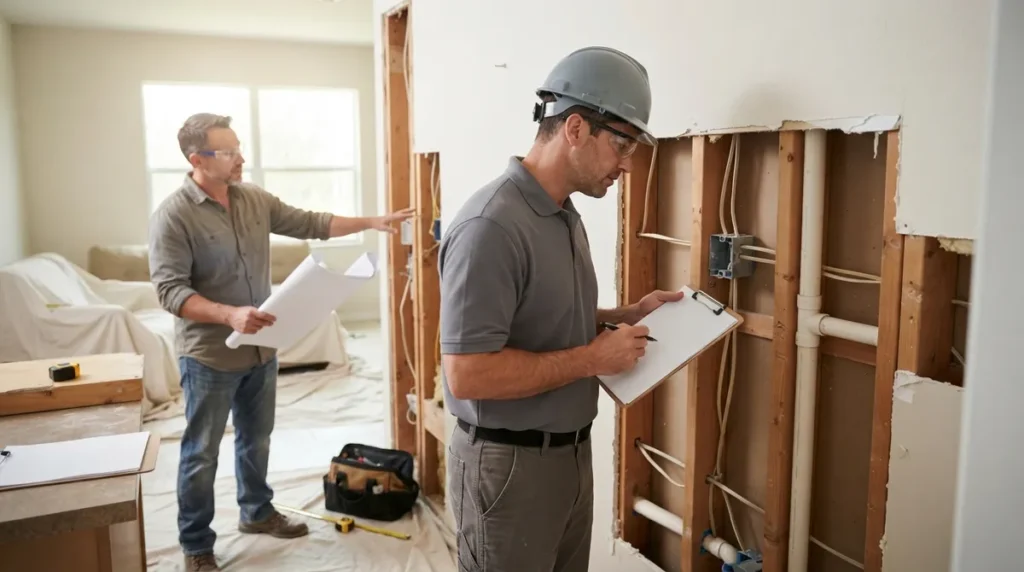
Building officials may require opening walls or removing finishes to inspect concealed electrical, plumbing, structural, or mechanical work, though photos and engineer verification can sometimes reduce exposure requirements.
-
Ignoring unpermitted work notices can escalate to hearings, daily fines, liens, and complications with sales or refinancing, as lenders and title companies increasingly flag code violations.
-
Document completed work with photos and measurements, gather required as-built drawings or engineer letters based on project type, and respond promptly to building department reviewer comments to streamline approval.
-
After-the-fact permit processes, forms, and requirements differ across Florida's 67 counties, so identify your correct local jurisdiction before filing to avoid delays.
So you just found out that a deck, a roof, a remodel, or a solar array in your Florida project was built without a permit. Maybe a prior owner skipped it. Maybe a crew promised to pull it and never did. Take a breath. This happens far more often than you would think, and there is a clear path forward.
Dealing with a Florida building department after the fact can feel intimidating, but it does not have to be. Building officials see these cases every week. What they care about most is simple: can the work be shown to meet the Florida Building Code, and will it be inspected the right way?
In this friendly guide, we will walk you through what an after-the-fact permit really is, what the building department will ask for, how penalties work, and how to move from a stressful notice to an approved, closed-out permit. Whether you are a general contractor, solar company, realtor, designer, or homeowner, you will find practical steps you can use today.
What an After-the-Fact Permit Really Means in Florida
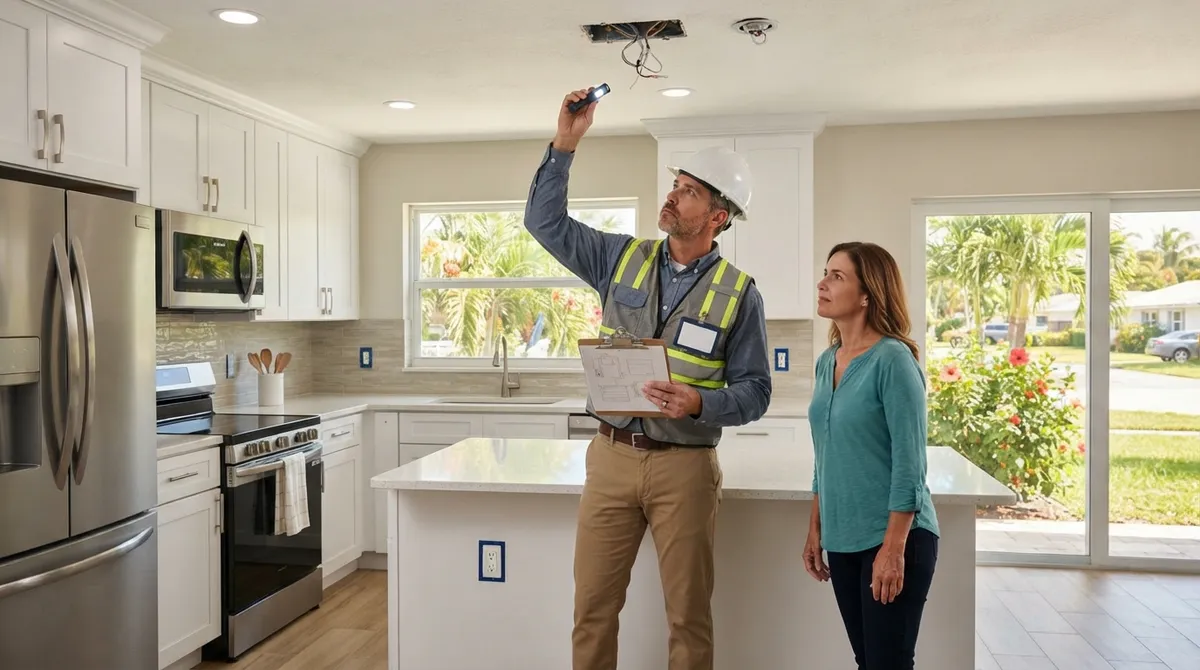
An after-the-fact permit is a permit application filed with your local Florida building department for work that started or finished without the required permit. It is sometimes called a retroactive permit, and the work is reviewed as if it were happening now.
Here is the part that surprises many people: there is no single statewide "after-the-fact" permit category. Florida Statutes §553.79 generally requires a permit before covered construction, alteration, repair, or demolition. But the local enforcing agency (your city or county building department) administers permits and inspections under state law and local ordinances.
That means the process, forms, fees, and penalties can look different from one jurisdiction to the next. If you are not sure which office controls your address, our building department lookup tool can help you find the right one. Near city lines, the answer is not always obvious.
Why Applying Late Does Not Automatically Legalize the Work
Applying after the work is done does not make it legal on its own. The owner or contractor still has to demonstrate compliance with the Florida Building Code and any applicable local requirements. Think of the permit as the doorway, and code compliance as the proof you carry through it.
Step-by-Step: How to Handle It With the Building Department
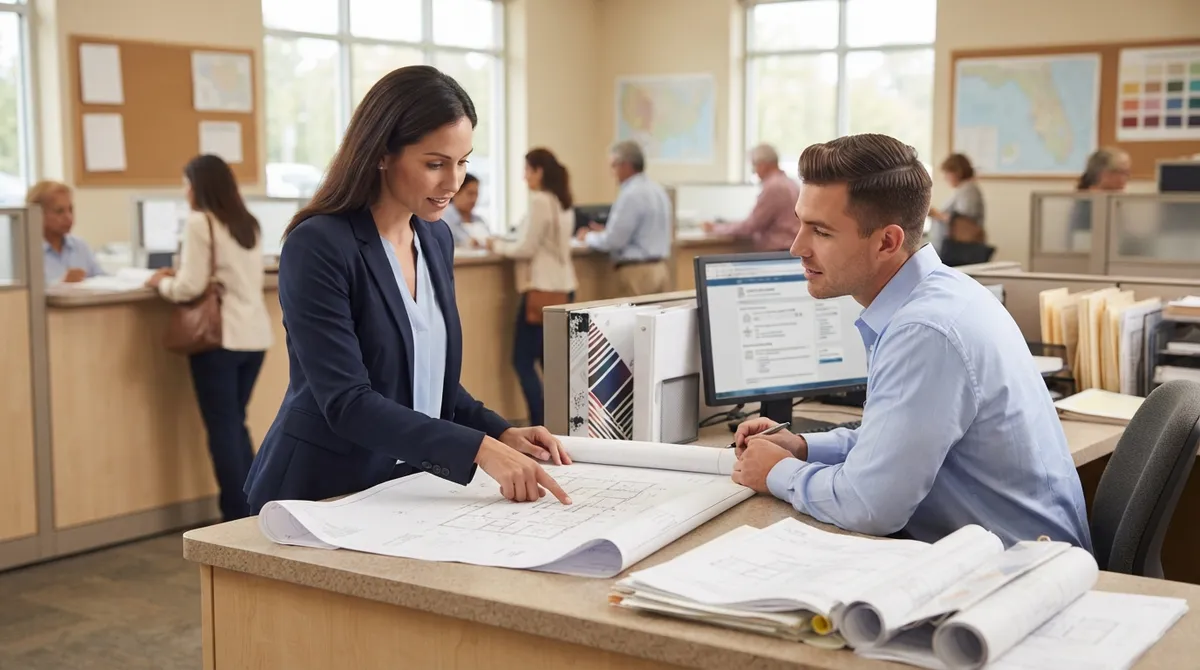
Every case is a little different, but most follow the same general path. Here is a friendly roadmap you can follow.
- Pause any further work. If you received a notice or stop work order, do not keep building. Adding more work over concealed items can make inspections harder.
- Read the notice carefully. Note deadlines, the permit types required, and whether a hearing is scheduled. Respond promptly.
- Confirm the correct jurisdiction. Make sure you are dealing with the right city or county department.
- Check for open permits. Our open permit search tool helps you see what is already on record.
- Document what exists. Take photos, measurements, and notes of the completed work.
- Gather professionals as needed. Depending on the project, you may need as-built drawings, an engineer letter, or licensed trades.
- Submit the application and drawings. File with the building department and pay the required fees.
- Respond to reviewer comments. Expect corrections and plan for them.
- Pass inspections. This may include opening walls or exposing work.
- Close the permit. Get final approval and, when applicable, a Certificate of Completion or Occupancy.
That might sound like a lot, but it moves much faster when someone organizes it for you. We will cover that a little later.
What Documents and Drawings the Building Department May Ask For
The exact list depends on the project and the jurisdiction. Still, most building departments ask for some combination of the items below.
| Document | Why It Matters | Typically Needed For |
|---|---|---|
| Permit application | Starts the official review | All projects |
| As-built drawings | Shows what was actually built | Additions, remodels, structures |
| Site plan or survey | Confirms setbacks and placement | Additions, pools, sheds, walls |
| Engineer letter or sealed drawings | Verifies structural or wind-load compliance | Roofs, trusses, structural changes |
| Product approvals (NOA or Florida Product Approval) | Proves products meet Florida requirements | Windows, doors, roofing materials |
| Contractor license and insurance info | Confirms who performed the work | Most contractor-performed work |
| Photos and field verification | Documents concealed or finished conditions | Interior remodels, electrical, plumbing |
If you need drawings that reflect existing conditions, our team prepares as-built drawings and sealed documents in house. For structural questions, an engineer letter can be the missing piece that lets a reviewer say yes.
Will They Make You Open Walls or Remove Finishes?
This is the question we hear most, and the honest answer is: it is possible. Because work may be concealed behind drywall, flooring, or ceilings, a building official can require openings or removal of finishes so structural, electrical, plumbing, mechanical, or other work can be inspected.
The exact requirements depend on the project and the jurisdiction. Some inspectors are satisfied with photos, engineer verification, and select openings. Others want to see more. The best approach is to plan ahead:
- Take photos of any work that is still visible before it is covered.
- Ask the department what level of exposure they expect.
- Use a licensed professional to verify hidden conditions when possible.
- Budget for patching and repair after inspections.
It also helps to understand how these inspections play out in real life. Our guide on what happens during a Florida ATF site inspection walks through what inspectors typically look for.
Understanding Penalties and Fees
Penalties for unpermitted work are set locally, so there is no single statewide number. Fee schedules change, so always confirm the current rules with your building department before quoting a cost.
To give you a feel for the range, here are two published examples:
| Jurisdiction (Example) | Published Penalty Approach |
|---|---|
| West Palm Beach | Published FAQ describes a penalty of four times the regular permit fee for certain unpermitted work |
| Ormond Beach | Ordinance excerpt describes $200 or 100% of the usual permit fee, whichever is higher, in addition to permit fees |
Remember, these are examples only, not statewide rates. Paying a penalty also does not waive code compliance or required inspections. If you want a deeper look at budgeting, check out our article on after-the-fact permit costs in Florida.
What Happens If Work Is Unsafe or Cannot Be Verified
If the work is unsafe, noncompliant, or simply cannot be verified, the department may require corrective work, removal, or reconstruction before approving the permit. That is not the outcome anyone wants, but it is why early engineering review is so valuable. Knowing where you stand before you file helps you avoid surprises.
What Happens If You Ignore It
We get it. Sometimes the easiest thing feels like doing nothing. Unfortunately, unresolved code-enforcement cases can lead to hearings, daily fines, or liens under applicable local procedures. They can also complicate a sale or refinance.
Lenders, appraisers, and title companies increasingly flag unpermitted work, and buyers may ask for repairs or price reductions. If you are a realtor or investor, an open permit or unpermitted improvement can derail a closing quickly. Our realtor and closing support exists for exactly this reason.
If a notice has already arrived, our resources on code compliance violations can help you understand your options and deadlines.
Who Can Apply: Homeowner, Contractor, or Both?
Many people wonder whether a homeowner can apply for an after-the-fact permit or whether a licensed contractor must do it. The answer depends on the type of work and the local rules. In some cases, an owner-builder path is available. In others, licensed trades or design professionals must be involved.
Here is a quick comparison to help you think it through.
| Who Applies | Best For | Things to Keep in Mind |
|---|---|---|
| Licensed contractor | Complex or trade-heavy work | Must hold the proper license for the scope |
| Homeowner (owner-builder) | Certain owner-occupied residential work | Owner takes on responsibility and restrictions apply |
| Design professional or engineer | Structural, wind-load, or MEP verification | Seals documents but does not replace the permit |
| Permitting service | Organizing, filing, and tracking | Cannot waive code or guarantee approval |
If you are exploring the owner route, our overview of owner-builder permits and our guide on who can pull a permit in Florida are good starting points.
How a Florida Permitting Service Can Help
Let us be clear about what a permitting service can and cannot do. We cannot waive code requirements, override a building official, or promise approval. What we can do is take the weight of the process off your shoulders.
At 1 Contractor Solutions, we act as Florida's outsourced permitting department. Here is how that typically looks for an after-the-fact case:
- Identify the correct jurisdiction and permit type.
- Prepare as-built drawings, site plans, and sealed engineering in house.
- Submit the application and track it through review.
- Work every reviewer comment and coordinate revisions and resubmittals.
- Schedule inspections and carry the permit through closeout.
Because our drafting and engineering are in house, when a reviewer flags something, we fix it directly instead of waiting on an outside consultant. You can learn more about our after-the-fact and expired permit services and our permit facilitation and filing. We work across all 67 Florida counties, including busy areas like Hillsborough County, Miami-Dade County, and Sarasota County.
We also know that timing is stressful. If a stop work order or closing deadline is looming, our urgent permit rescue team can step in quickly.
Tips for Different Audiences
For General Contractors
If a sub skipped a permit or a project changed scope mid-build, address it early. Open permits and unresolved violations can stall final inspections and payment. Having a reliable partner for general contractor permitting support keeps crews on schedule.
For Solar Companies
Unpermitted or expired solar installs often need structural and electrical documentation to satisfy the building department. Clean, code-compliant drawings can shorten review time. See how we support solar contractors across Florida.
For Realtors and Investors
Run an open permit search early in due diligence, and flag any unpermitted improvements before they become a closing problem. Early research protects your timeline and your client.
For Homeowners and Residential Property Owners
Start with a clear picture of what exists, then work with the department rather than around it. Our homeowner resources explain the process in plain language.
For Designers and Trade Professionals
If you need dependable outsourced drafting without maintaining in-house staff, our drafting-only service lets you keep your own engineer, your seal, and your client relationship.
A Note on Timelines
Ordinary permit applications in Florida have statutory review timeframes under §553.792, including certain fee reductions when a local government misses deadlines. However, those ordinary application provisions should not be assumed to resolve an enforcement case or guarantee a timeline for after-the-fact work. Always ask the department what to expect, and build in a little breathing room.
For more context on normal turnaround, see how long a building permit takes in Florida.
Stay Connected and Informed
Permitting rules shift, and local departments update fee schedules and procedures often. For helpful updates and tips, follow us on LinkedIn or follow us on Facebook. You can also see what our customers say and visit us on Google — 1 Contractor Solutions. For the statutory language behind these requirements, you can review Florida Statutes §553.79 directly on the Florida Senate website.
Conclusion: You Have More Options Than You Think
Facing a Florida building department after the fact is stressful, but it is solvable. Stay calm, respond promptly to any notices, document what was built, and be ready to show the work meets code. Penalties and fees vary by location, and inspections may require some exposure of finished work, but a well-organized application goes a long way.
You do not have to figure it all out alone. If you are ready to turn a violation or an unpermitted project into a closed, approved permit, get a free quote from our team today. Give us the address and the problem, and we will tell you what it takes and then go do it.
FAQs
How do I get an after-the-fact building permit in Florida?
You apply with your local city or county building department, just like a regular permit, but for work already started or completed. Expect to provide as-built drawings, product approvals, contractor information, and to pass inspections. The process and fees vary by jurisdiction, so confirm the details with the correct department.
Can a Florida building department make me open walls for inspection?
Yes, it is possible. Because work may be concealed, officials can require openings or removal of finishes so structural, electrical, plumbing, or mechanical work can be inspected. Photos and engineer verification can sometimes reduce what needs to be exposed, but the building official makes the final call.
How much does an after-the-fact permit cost in Florida?
It depends on where you live. Some jurisdictions charge multiples of the regular permit fee, while others use a flat amount or a percentage, so there is no statewide rate. Always check the current fee schedule with your local building department before budgeting.
Can I sell or refinance a home with unpermitted work?
It can be done, but unpermitted work often complicates a sale or refinance because lenders, appraisers, and buyers may flag it. Resolving the issue first usually makes closings smoother. A permitting service can help organize the paperwork and inspections so your timeline stays on track.
Can a permitting service guarantee my after-the-fact permit will be approved?
No, and be wary of anyone who promises that. Only the building official can approve a permit, and the work must still meet the Florida Building Code. A permitting service can organize your application, prepare drawings, coordinate engineering, track corrections, and arrange inspections to give your project its best shot.
We do this work every day across all 67 Florida counties. Call (866) 314-6931 and we will tell you what your situation actually requires — including when you do not need us.
Related services
Permit Facilitation & Filing
You have a crew scheduled, a client asking for dates, and a permit sitting somewhere in a queue you cannot see. We file it, w…
See the servicePlan Review Coordination
A permit in plan review is not one queue. On a commercial project it can be six queues, each with its own reviewer, its own c…
See the serviceReady to get your permit moving?
One call tells you which jurisdiction controls your project, what it will take, and what it will cost. Most of the time we can scope it on the phone.