
Blog
Can I Legalize Unpermitted Work in Florida? Yes, Here's How
Learn how to legalize unpermitted work in Florida through after-the-fact permits, required inspections, and expert help from 1 Contractor Solutions.
Key Takeaways
-
You can legalize unpermitted work in Florida through after-the-fact permits, which require proper documentation, inspections, and code compliance verification—most projects can be brought into compliance with patience and the right professionals.
-
Common unpermitted work includes garage conversions, electrical upgrades, pool enclosures, plumbing relocations, and interior wall removals; identifying your jurisdiction's building department is the critical first step in the legalization process.
-
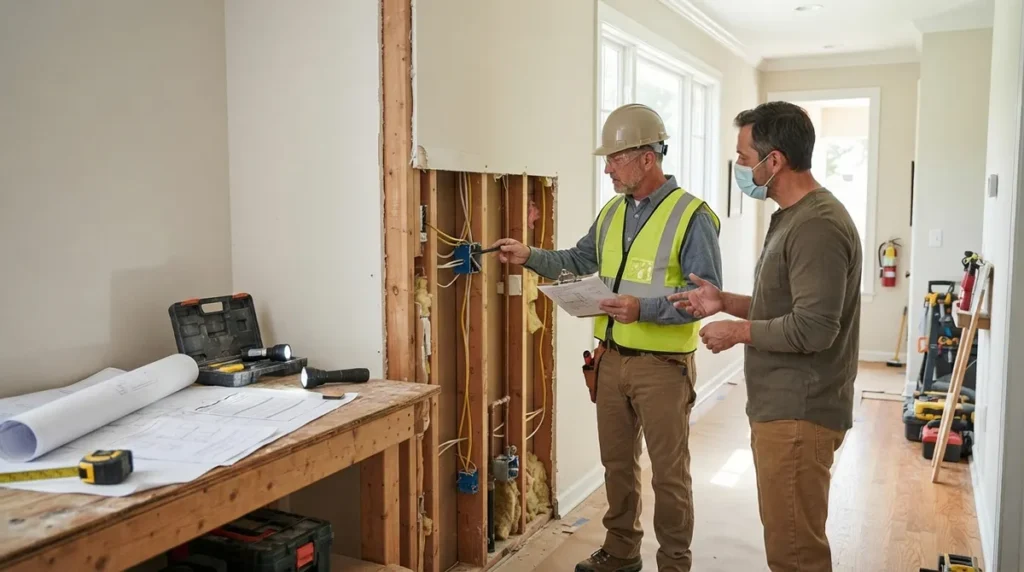
Inspectors may require wall or ceiling openings to verify concealed work like hidden wiring or plumbing, but alternative documentation or engineer letters can sometimes avoid unnecessary demolition depending on your jurisdiction.
-
Costs vary significantly by county and project scope—some jurisdictions charge additional fees for unpermitted work under Florida Building Code §109.4, so you must confirm the exact fee schedule before budgeting.
-
Ignoring unpermitted work creates escalating consequences including stop-work orders, daily fines, property liens, and blocked real estate closings or refinances; addressing it proactively prevents serious legal and financial complications.
-
When selling or refinancing, unpermitted square footage discovered by appraisers can halt closings entirely as lenders require proof of compliance before funding, making early legalization essential for transaction success.
So you just found out that the pool cage, garage conversion, or electrical panel upgrade in your Florida property was never permitted. Take a deep breath — you are far from alone, and this is a much more common situation than most homeowners and contractors realize. Whether you discovered it during a home inspection, a refinance, or a friendly visit from a code enforcement officer, the good news is simple: yes, you can typically legalize unpermitted work in Florida through what is called an after-the-fact permit.
This process isn't always quick, and it isn't automatic. But with the right documentation, the right professionals, and a little patience, most unpermitted work can be brought into compliance. In this guide, we'll walk through exactly how the process works, what it costs, what inspectors will be looking for, and how a team like 1 Contractor Solutions can make the entire experience feel a whole lot less overwhelming.
What Does It Mean to "Legalize" Unpermitted Work?
Legalizing unpermitted work means going back and getting official permits and inspections for construction that was completed without them the first time around. In Florida, this typically happens through what's known as an after-the-fact (ATF) permit — sometimes called a retroactive or corrective permit, depending on the jurisdiction.
Under Florida Statutes §553.79, it's generally unlawful to construct, alter, modify, repair, or demolish a building without first securing the required permit. That said, not every project needs one — some minor repairs and cosmetic updates are exempt. The safest move is always to check with your local building department before assuming your project falls outside permitting requirements.
Common Types of Unpermitted Work We See Across Florida
- Converted garages or Florida rooms added without permits
- DIY electrical panel upgrades or rewiring
- Plumbing relocations during kitchen or bathroom remodels
- Pool enclosures, screened lanais, and pergolas
- Roof replacements done by unlicensed handymen
- Interior walls removed to "open up" a floor plan
- Sheds, workshops, or accessory structures over the size threshold
If any of these sound familiar, you're in good company. Florida's rapid growth, hurricane repairs, and a steady stream of handyman work have left plenty of homes with a little unpermitted history tucked behind the drywall.
The Step-by-Step Process to Legalize Unpermitted Work in Florida
While every county and city has its own quirks, the general path toward legalization tends to follow the same basic steps.
- Identify the authority having jurisdiction. This is the city or county building department that actually oversees your property. It's not always obvious, especially near city limits, so tools like our Building Department Lookup can save you a lot of guesswork.
- Request the after-the-fact permit process and fee schedule. Ask directly — every jurisdiction handles this a little differently.
- Gather or create plans and documentation. This may mean drafting new plans, producing as-built drawings, or getting an engineer's evaluation for structural or concealed work.
- Submit the permit application. This includes the appropriate permit type — building, electrical, plumbing, or mechanical — along with your supporting documents.
- Schedule and pass required inspections. Inspectors will verify the work meets current code, which sometimes means opening up walls or ceilings to check concealed elements.
- Correct any deficiencies. If something doesn't meet code, you'll need to fix it before moving forward.
- Receive final approval. Once everything checks out, the permit closes and your property record reflects the completed, compliant work.
Our 8 Steps to Fix a Code Violation Unpermitted Work Florida guide breaks this down even further if you want a deeper dive into the specifics.
Will You Need to Open Walls or Ceilings?
This is one of the most common (and understandably dreaded) questions we get. If an inspector cannot visually verify concealed work — like wiring behind drywall or plumbing under a slab — they may require access points to be created. In some cases, alternative documentation, testing, or an engineer's letter can help avoid unnecessary demolition, but this depends heavily on the jurisdiction and the type of work involved.
What Documents Are Typically Required?
| Document Type | When It's Needed | Who Prepares It |
|---|---|---|
| As-built drawings | When no original plans exist | Licensed drafter or engineer |
| Structural engineering evaluation | Additions, load-bearing changes, roof work | Florida-licensed engineer |
| Electrical/plumbing/mechanical plans | Systems work without prior permits | Licensed contractor or engineer |
| Engineer letters | To verify code compliance without full demolition | Licensed engineer |
| Site plans | Additions, accessory structures, setbacks | Surveyor or drafting service |
Because our plans and engineering team works in house, we can produce sealed as-built drawings and engineer letters without bouncing you between outside consultants. That matters a lot when you're racing against a closing date or a code enforcement deadline.
How Much Does an After-the-Fact Permit Cost in Florida?
Costs vary significantly by jurisdiction, project scope, and whether engineering or drafting is required. Some cities and counties charge an additional fee specifically for work that was started without a permit, under authority granted by Florida Building Code §109.4 and local ordinances. There's no statewide multiplier — so don't assume you'll automatically pay double. Always confirm the exact fee schedule with your local building department before budgeting.
For a detailed cost breakdown by project type, our article on After The Fact Permit Florida Cost is a helpful starting point.
What Happens If You Don't Legalize Unpermitted Work?
Ignoring the issue rarely makes it go away — in fact, it tends to make things more complicated down the road. Depending on your local code enforcement process, consequences can include:
- Stop-work orders halting any active construction
- Escalating daily fines under frameworks like Florida Statutes §162.09
- Property liens that follow the title
- Required removal of noncompliant work
- Delayed or denied real estate closings and refinances
If you've already received a notice or citation, it's worth reading our piece on Penalty For Building Without A Permit Florida to understand what's realistically at stake.
Selling or Refinancing With Unpermitted Work
Real estate professionals see this scenario constantly: an appraiser or inspector flags unpermitted square footage, and suddenly the closing is on hold. Lenders may require proof of compliance before funding, and buyers may walk away entirely. If you're navigating this as an agent or investor, our Realtor Closing Support service is designed specifically to keep deals moving.
Who Should Handle the Legalization Process?
This is where things get personal, because the right approach really depends on who you are and what you're trying to accomplish.
For General Contractors
You need accurate, code-compliant plans fast, plus someone tracking every reviewer comment so your crew isn't sitting idle. Our General Contractors support includes permit facilitation and filing across every Florida county.
For Solar Companies
Unpermitted electrical or structural work on a roof can stall an entire interconnection schedule. Our Solar Contractors resources are built around fast-moving, code-compliant documentation.
For Real Estate Professionals
An open permit found at closing is one of the most stressful things an agent can encounter. Having a permitting partner on speed dial changes everything.
For Homeowners
You just want your home safe, insurable, and compliant — without becoming a permitting expert overnight. That's exactly what our Homeowners page is built to support.
Why Work With a Florida Permitting Team?
Legalizing unpermitted work touches a lot of moving parts: zoning, structural engineering, electrical code, floodplain rules, and local administrative quirks that vary from one county line to the next. At 1 Contractor Solutions, we've spent more than 15 years handling exactly this kind of project across all 67 Florida counties, including Hillsborough County, Pinellas County, and Manatee County.
Because our drafting and engineering are done in house, when a plan reviewer flags a concern, we fix it directly — no waiting on an outside consultant to return a call. We're also a licensed private provider, meaning we can perform plan review ourselves instead of leaving you stuck in a county queue for weeks.
If your situation feels urgent — a stop-work order, a denied permit, or a closing on the line — our Urgent Permit Rescue team is available around the clock. You can also browse client feedback and visit us on Google — 1 Contractor Solutions to see how we've helped other Florida property owners through this exact process.
A Quick Comparison: DIY vs. Professional Help
| Factor | Doing It Yourself | Working With a Permitting Team |
|---|---|---|
| Jurisdiction research | Time-consuming, easy to get wrong | Handled immediately |
| Plans and drawings | May require hiring multiple separate professionals | In-house drafting and engineering |
| Reviewer comments | You track and respond alone | Managed and resolved for you |
| Timeline | Unpredictable | Same-day response, active tracking |
You can also stay connected with permitting updates and Florida code news through our follow us on LinkedIn and follow us on Facebook pages, where we regularly share tips for navigating exactly these kinds of situations.
Final Thoughts: You Can Fix This
Finding out about unpermitted work can feel like a gut punch, but it's genuinely one of the most solvable problems in Florida real estate and construction. With the right plans, the right engineering, and a team that knows how your specific building department operates, legalization is absolutely within reach for the vast majority of projects.
If you're ready to stop guessing and start moving forward, our team would love to help you map out the fastest, most cost-effective path to compliance. Reach out today to get a free quote and let's get your project legalized, permitted, and off your worry list for good.
FAQs
Can I get an after-the-fact permit for unpermitted work in Florida?
In most cases, yes! Florida building departments generally allow property owners to apply for after-the-fact permits to bring unpermitted work into compliance. Approval isn't automatic, though — the work still needs to meet current building, zoning, and safety requirements, so it's worth checking with your local jurisdiction early in the process.
How do I legalize unpermitted construction in Florida?
You'll start by identifying the correct building department, then submit an after-the-fact permit application with supporting plans or as-built drawings. From there, expect inspections to verify the work meets code, and be ready to correct anything that doesn't quite pass muster.
Will I have to open walls for an inspection of unpermitted work?
Sometimes, yes — especially if concealed wiring or plumbing can't be verified visually. That said, alternative documentation or an engineer's evaluation can occasionally reduce how much needs to be opened up, so it's worth exploring your options before assuming the worst.
How much does an after-the-fact permit cost in Florida?
Costs vary widely depending on your county, the scope of work, and whether engineering or drafting is required. Some jurisdictions add extra fees for work started without a permit, so it's best to confirm the current fee schedule directly with your local building department.
Can unpermitted work affect selling or refinancing a Florida home?
Absolutely — unpermitted work is one of the most common reasons closings get delayed or lenders hesitate. The good news is that resolving it early with a proper after-the-fact permit can keep your sale or refinance moving smoothly toward the finish line.
We do this work every day across all 67 Florida counties. Call (866) 314-6931 and we will tell you what your situation actually requires — including when you do not need us.
Related services
Permit Facilitation & Filing
You have a crew scheduled, a client asking for dates, and a permit sitting somewhere in a queue you cannot see. We file it, w…
See the servicePlan Review Coordination
A permit in plan review is not one queue. On a commercial project it can be six queues, each with its own reviewer, its own c…
See the serviceReady to get your permit moving?
One call tells you which jurisdiction controls your project, what it will take, and what it will cost. Most of the time we can scope it on the phone.