
Blog
Best After-the-Fact Permitting for South Florida GCs
Learn how South Florida general contractors legalize unpermitted work with jurisdiction-specific after-the-fact permitting strategies and expert support.
Key Takeaways
-
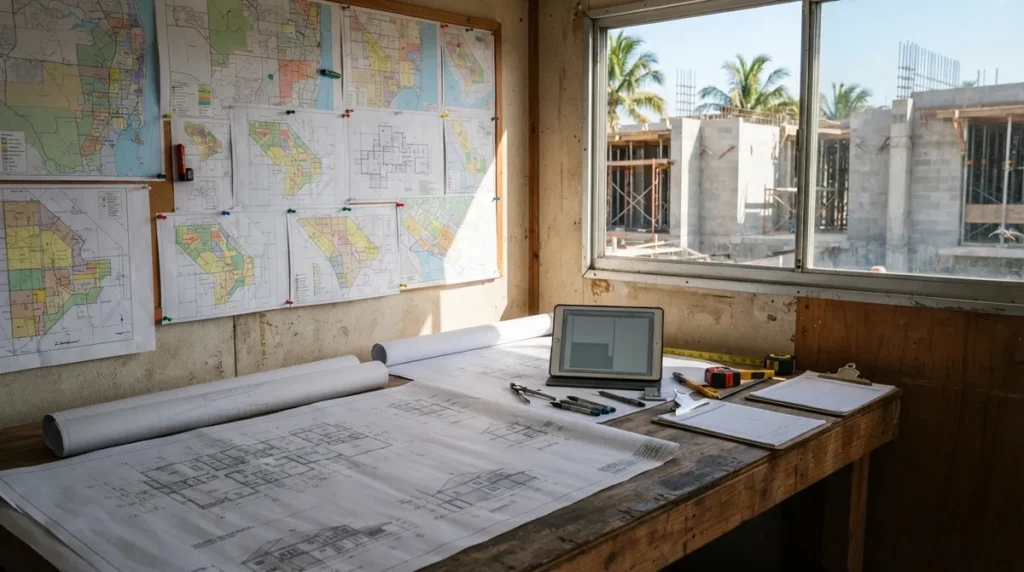
South Florida has no single ATF checklist—Miami-Dade, Broward, and individual cities like Miami and Fort Lauderdale each run different permitting systems, forms, and fee schedules, making jurisdiction-specific experience critical for success.
-
After-the-fact permits don't automatically legalize work; the building department must still verify the completed construction meets all applicable building, zoning, floodplain, and trade-code requirements, so treating it as a real review process is essential.
-
Sealed structural drawings from a Florida-licensed architect or engineer are almost always required for structural work, and having this prepared in-house rather than waiting on outside consultants significantly accelerates the approval timeline.
-
Some Florida jurisdictions apply double fees as penalties for after-the-fact permits, and review timelines can extend 60+ business days depending on scope, concealed work discovery, and how quickly plan review comments are resolved.
-
Concealed work like electrical runs or structural reinforcement may require destructive investigation to verify code compliance, which is costly but necessary to avoid discovering serious issues later, particularly before hurricanes.
-
Zoning, flood elevation, setbacks, and easement restrictions don't disappear in ATF permits—if unpermitted work violates these requirements, you may need variances or structural modifications to achieve legalization.
If you're a general contractor in South Florida, you already know the sinking feeling: you show up to close out a job, pull the property history, and discover a previous owner (or a subcontractor who cut corners) finished work without ever getting a permit. Now it's your name on the project, and you're the one who has to fix it. Take a breath — this happens more often than you'd think, and there's a proven path forward. Finding the best after-the-fact permitting for general contractors in South Florida isn't about finding a shortcut. It's about partnering with a team who knows exactly how Miami-Dade, Broward, and Palm Beach County building departments handle legalization, so you can get back to building instead of babysitting paperwork.
This guide walks through what after-the-fact (ATF) permitting really involves, why South Florida jurisdictions each play by slightly different rules, and how a general contractor can protect their license, their timeline, and their client relationships while getting unpermitted work legalized correctly.
What Is an After-the-Fact Permit, Really?
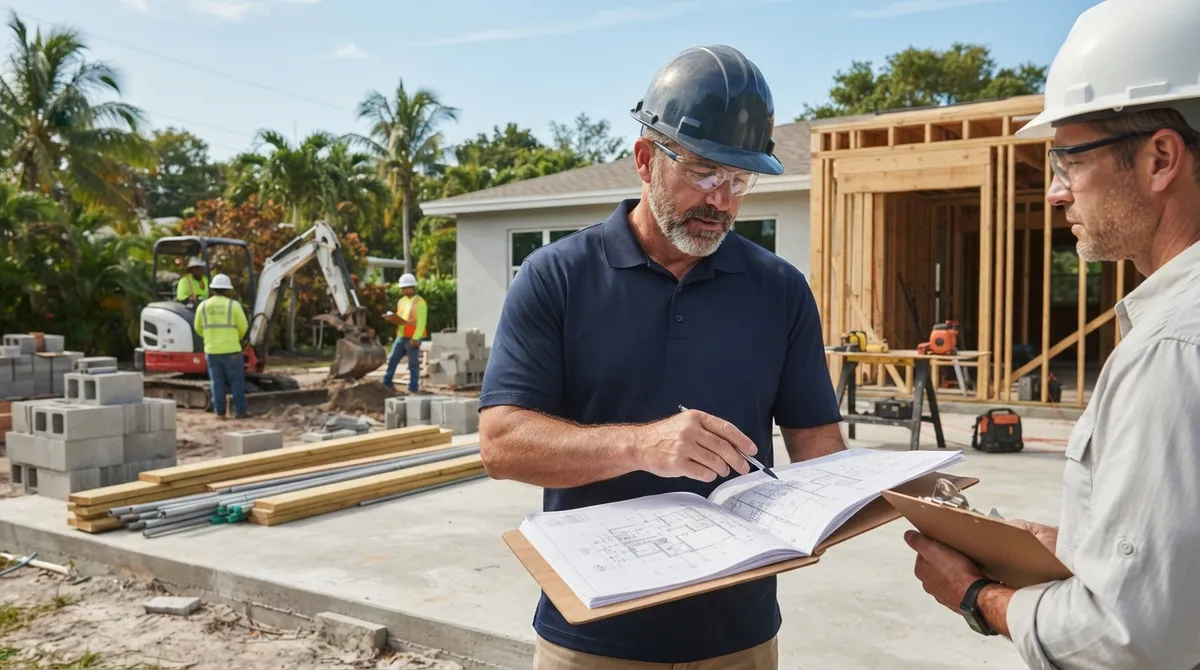
An after-the-fact permit is simply the local building department's process for reviewing and documenting construction that was completed before a permit was ever pulled. It's not a magic eraser. Getting the paperwork filed doesn't automatically mean the work is legal — the department still has to confirm the completed construction actually meets applicable building, zoning, floodplain, and trade-code requirements.
Under Florida Statutes §553.79, the law is clear: construction, alteration, repair, modification, or demolition generally requires a permit before the work begins. So when a GC inherits unpermitted work, the right move is to address it head-on rather than hope it stays buried in a file cabinet somewhere. That's exactly the kind of situation our after-the-fact and expired permits team handles every week.
Why South Florida Makes This More Complicated
Here's the part that trips up even experienced contractors: there is no single statewide ATF checklist. Miami-Dade County, Broward County, and cities like Miami and Fort Lauderdale each run their own electronic permitting systems, use different application forms, and enforce their own fee schedules and violation procedures. What flies in Hollywood might get flagged in Pembroke Pines. What's routine in Boca Raton could require an extra review step in West Palm Beach.
This is precisely why jurisdiction-specific experience matters so much. A permitting partner who's filed in that exact municipality knows the reviewers, the software quirks, and the local shortcuts that actually work — not generic advice pulled from a different county's website.
The Step-by-Step Legalization Process
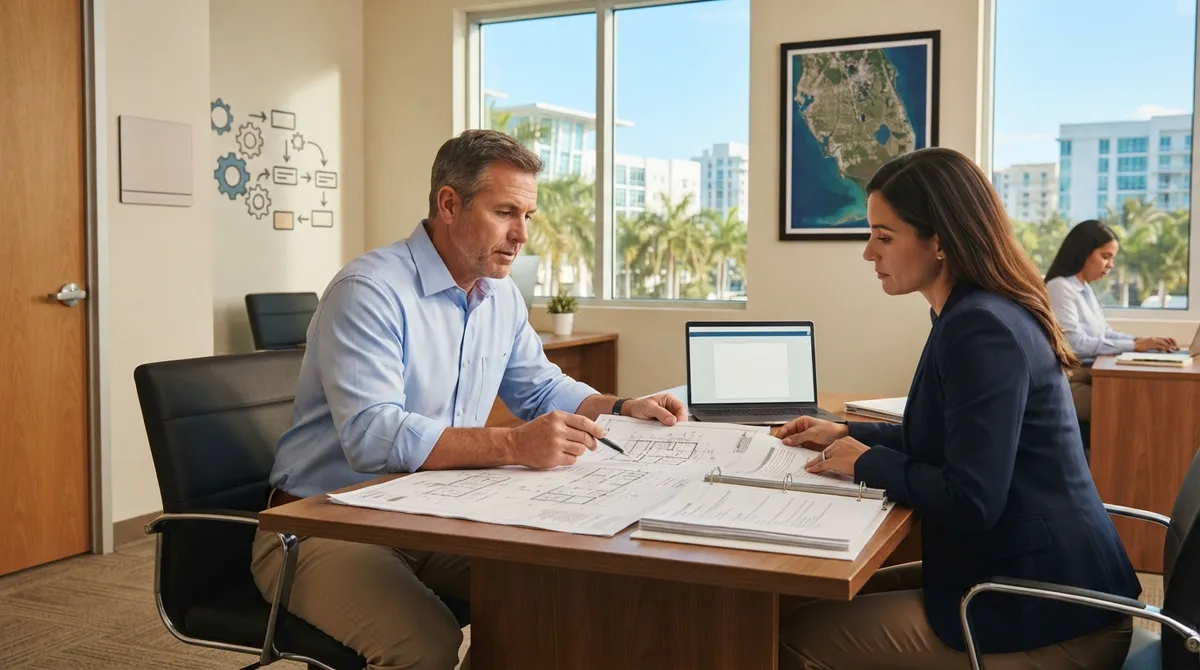
While every South Florida city has its own flavor, the overall legalization strategy generally follows the same core sequence. Here's how a well-run ATF project typically unfolds:
- Investigate the property and violation history. Before anything gets filed, someone needs to confirm which jurisdiction actually controls the parcel and pull any existing code violations or open permits tied to the address.
- Document existing conditions. This means photographs, measurements, and as-built drawings that accurately reflect what was actually constructed — not what the original plans said.
- Secure sealed plans when required. Structural work almost always needs drawings, calculations, and a signed and sealed report from a Florida-licensed architect or engineer.
- Coordinate trade certifications. Plumbing, electrical, mechanical, roofing, and insulation work may each need separate affidavits confirming code compliance.
- Submit the correct application. Every jurisdiction has its own ATF form and fee structure, so accuracy on the front end saves weeks on the back end.
- Respond to plan review comments. Reviewers will almost always come back with questions or corrections — a fast, accurate response keeps the project moving.
- Complete required inspections. This is where concealed work sometimes needs to be exposed, tested, or verified before final sign-off.
Skipping or rushing any one of these steps is usually what turns a straightforward legalization into a months-long headache. Our permit facilitation and filing team manages this entire sequence so contractors aren't stuck chasing reviewers between job sites.
When Concealed Work Complicates Things
Not every wall or ceiling can simply be opened up for inspection without a plan. If concealed work — like electrical runs behind drywall or reinforcement inside a foundation — can't be verified visually, the building official may require destructive investigation. That could mean opening finishes, exposing structural connections, or bringing in testing equipment to confirm code compliance. It's not fun, but it's far better than discovering a serious structural issue after a hurricane.
Documents You'll Typically Need
Every jurisdiction has its own quirks, but most ATF applications in South Florida request a similar core packet. Here's a quick breakdown:
| Document Type | Purpose | Who Typically Provides It |
|---|---|---|
| Completed permit application | Formal request to legalize the work | Contractor or permitting service |
| As-built drawings | Shows what was actually constructed | Draftsperson or engineer |
| Site plan or survey | Confirms zoning and setback compliance | Surveyor or engineering firm |
| Photographs and measurements | Documents existing conditions | Field inspector or contractor |
| Sealed structural report | Certifies structural integrity | Florida-licensed engineer |
| Trade affidavits | Certifies electrical, plumbing, mechanical compliance | Licensed trade contractors |
Our in-house plans and engineering department prepares most of this documentation under one roof, which means fewer handoffs and fewer delays waiting on outside consultants.
Fees, Timelines, and What to Expect Financially
Let's talk money, because nobody likes surprises here. Some Florida jurisdictions apply double fees to after-the-fact permits as a penalty for skipping the process the first time. Pasco County's published ATF guidance, for example, lists double fees for several categories of after-the-fact work. South Florida counties may use different formulas, so it's essential to confirm the exact penalty structure with the specific authority having jurisdiction before quoting a client.
On timelines, Florida Statutes §553.792 does reference certain statutory review windows — including up to 60 business days for specific permits involving structures of 7,500 square feet or more. But please don't treat that as a guarantee. Local completeness reviews, corrections, required inspections, and violation resolution can all add time. Anyone who promises you a fixed approval date before confirming the full scope of unpermitted work is guessing, not planning.
A Quick Comparison: DIY vs. Professional ATF Support
| Factor | Handling It Yourself | Working With a Permitting Team |
|---|---|---|
| Jurisdiction research | Time-consuming, easy to miss local rules | Confirmed upfront by experienced staff |
| Sealed drawings | Requires finding and coordinating an outside engineer | Prepared in-house with direct reviewer follow-up |
| Plan review responses | Contractor juggles comments between job sites | Dedicated team tracks and resolves every comment |
| Inspection coordination | Scheduled reactively | Proactively managed through closeout |
What to Look For in a South Florida ATF Permitting Partner
Not all permitting help is created equal. When you're vetting who should handle your legalization work, look for these traits:
- Demonstrated experience in the specific city or county where your project sits
- Direct familiarity with local electronic permitting portals and submission quirks
- In-house relationships with Florida-licensed architects, engineers, and trade contractors
- Transparent fee disclosures — no vague "we'll figure it out later" pricing
- A documented process for handling violations, corrections, and final closeout
- Same-day or next-business-day response, because permitting delays cost real money on active job sites
This is where 1 Contractor Solutions has built its reputation. We're not a construction contractor — we're the outsourced permitting department that general contractors call when a legalization project needs to move without drama. Our drafting and engineering work happens in-house, our own engineer signs and seals the drawings, and because we're also a licensed private provider, we can perform plan review ourselves instead of leaving you stuck in a county queue. That combination matters enormously for ATF work, where speed and accuracy on corrections often determine whether a project stalls for weeks or closes out cleanly.
Real Scenarios General Contractors Run Into
Let's ground this in reality. Say you're renovating a home in Fort Lauderdale and discover the previous owner added a garage conversion without ever pulling a permit. Or you're a solar contractor prepping a system installation and the roof structure underneath has unpermitted modifications that need to be resolved first. Maybe you're supporting a realtor whose closing is stuck because an open permit surfaced during title search.
Each of these scenarios needs a slightly different approach, but they all share the same starting point: figure out exactly what's unpermitted, confirm the correct jurisdiction, and build a legalization plan around it. Our general contractor services and realtor closing support teams handle these situations regularly across Miami-Dade, Broward, and Palm Beach counties.
Zoning and Flood Requirements Don't Disappear
One thing many contractors overlook: an ATF permit doesn't erase zoning restrictions. Review still covers setbacks, lot coverage, height limits, flood-zone requirements, finished-floor elevation, easements, and stormwater management. If the unpermitted addition encroaches on a setback or sits below the required flood elevation, that's a real problem that has to be resolved — sometimes through variance requests, sometimes through modification of the existing structure.
Who's Responsible When Work Was Unpermitted?
This question comes up constantly, and the honest answer is: it depends on the situation. Property owners are ultimately responsible for the condition of their property, but general contractors carry professional responsibility when they take over a project or close on work that includes unpermitted elements. That's why documenting everything early — and being upfront with clients about what needs to happen — protects your license and your reputation. If a Notice of Commencement is required before inspections can proceed, your permitting partner should confirm that requirement and recording process for the specific jurisdiction before scheduling anything.
Want to see how contractors across the region have handled these situations? You can visit us on Google — 1 Contractor Solutions to read reviews from GCs, solar installers, and realtors who've worked through exactly this process. We're also active on follow us on LinkedIn and follow us on Facebook, where we share updates on jurisdiction changes and permitting trends across Florida.
Bringing It All Together
Legalizing unpermitted work in South Florida isn't a one-size-fits-all process, and honestly, that's okay. What matters is having a team who's done this before in your exact city, knows how to prepare sealed drawings that hold up under review, and can respond fast when a reviewer sends back comments. For more background on related permitting challenges, the Florida Statutes on permit requirements and guidance from the Volusia County After-the-Fact Permit Guide are worth a read for general context, even outside their home counties.
If you're staring down an unpermitted structure, an open violation, or a stalled closing, you don't have to untangle it alone. Our team handles code compliance and violations, Certificates of Occupancy, and full legalization projects across all 67 Florida counties every single day. Reach out and get a free quote so we can look at your specific address, confirm the jurisdiction, and map out exactly what it will take to get your project fully permitted and closed out.
FAQs
What is an after-the-fact permit in Florida?
It's the process your local building department uses to review and document construction that was already completed without a permit. It doesn't automatically legalize the work — the completed construction still has to meet building, zoning, and trade-code requirements, so it's worth treating it as a real review process, not just paperwork.
Can a general contractor obtain an after-the-fact permit for work already completed?
Absolutely, and it happens more often than you'd think when a GC inherits a project with unpermitted history. The key is confirming the correct jurisdiction first, then documenting existing conditions accurately before filing, since South Florida cities each handle this a little differently.
Will I need an engineer or architect for an after-the-fact permit?
In most cases involving structural work, yes — you'll need a signed and sealed report from a Florida-licensed architect or engineer. Having that expertise in-house, rather than waiting on an outside consultant, tends to make the whole process move a lot faster.
Are after-the-fact permit fees doubled or subject to penalties in Florida?
Some Florida jurisdictions do apply double fees or penalties for after-the-fact permits, though the exact structure varies by county and city. It's always worth confirming the specific fee schedule with the local authority before budgeting for your project.
How long does an after-the-fact permit take in Miami, Fort Lauderdale, or other South Florida cities?
Honestly, it depends on the scope of work, whether concealed elements need testing, and how quickly plan review comments get resolved. There's no universal timeline, so anyone promising a fixed date before reviewing your specific project is really just guessing.
We do this work every day across all 67 Florida counties. Call (866) 314-6931 and we will tell you what your situation actually requires — including when you do not need us.
Related services
Permit Facilitation & Filing
You have a crew scheduled, a client asking for dates, and a permit sitting somewhere in a queue you cannot see. We file it, w…
See the servicePlan Review Coordination
A permit in plan review is not one queue. On a commercial project it can be six queues, each with its own reviewer, its own c…
See the serviceReady to get your permit moving?
One call tells you which jurisdiction controls your project, what it will take, and what it will cost. Most of the time we can scope it on the phone.