
Blog
After-the-Fact Permit Application Florida: A Full Guide
Learn how after-the-fact permit applications work in Florida, including costs, documentation, and steps to legalize unpermitted work fast.
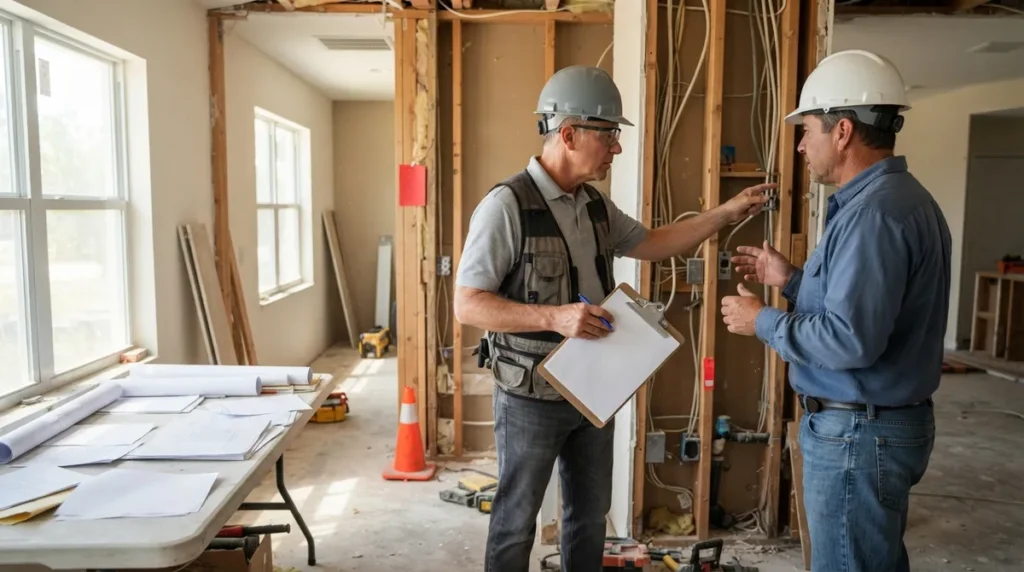
Key Takeaways
-
Florida doesn't have a single 'after-the-fact permit' form; you apply for the standard building permit while disclosing the work is already completed, with each county having different names and procedures for the process.
-
Current property owners are typically responsible for resolving unpermitted work regardless of who performed it, making permit history review critical before closing to avoid inheriting compliance issues.
-
Costs vary significantly by jurisdiction but typically include base permit fees, after-the-fact penalties (sometimes up to 100% of original fee), plan review fees, and inspection costs—getting a specific quote for your county is essential.
-
Inspectors may require exploratory demolition to verify concealed work like wiring or framing if it wasn't documented during original construction, though well-prepared applications with as-built drawings can reduce this need.
-
Approval is not guaranteed; unpermitted work that violates zoning, setbacks, floodplain rules, or building codes may need modification, removal, or variance pursuit rather than automatic legalization.
-
Each of Florida's 67 counties sets its own procedures, fees, and documentation requirements, so confirming your correct jurisdiction and current requirements before applying prevents rejection and costly delays.
So you (or the person who owned your house before you) built something without pulling a permit. Maybe it was a lanai enclosure, a converted garage, a new electrical panel, or a pool that just sort of appeared one summer. Take a breath — you're not alone, and you're definitely not the first person to land here. Every week, we talk to homeowners, contractors, and real estate agents across Florida who are trying to figure out how to make unpermitted work official again. That's exactly what an after the fact permit application in Florida is designed to do, and it's more common than you might think.
This guide walks you through what an after-the-fact permit actually is, how the process works, what it might cost, and who's responsible when unpermitted work turns up. Whether you're a general contractor trying to clean up a job site, a solar company racing to close out an installation, or a homeowner who just found out about a permit issue at closing, we've got you covered. And if you'd rather skip the research and just get it handled, our after-the-fact and expired permits team takes on the files other people wave off.
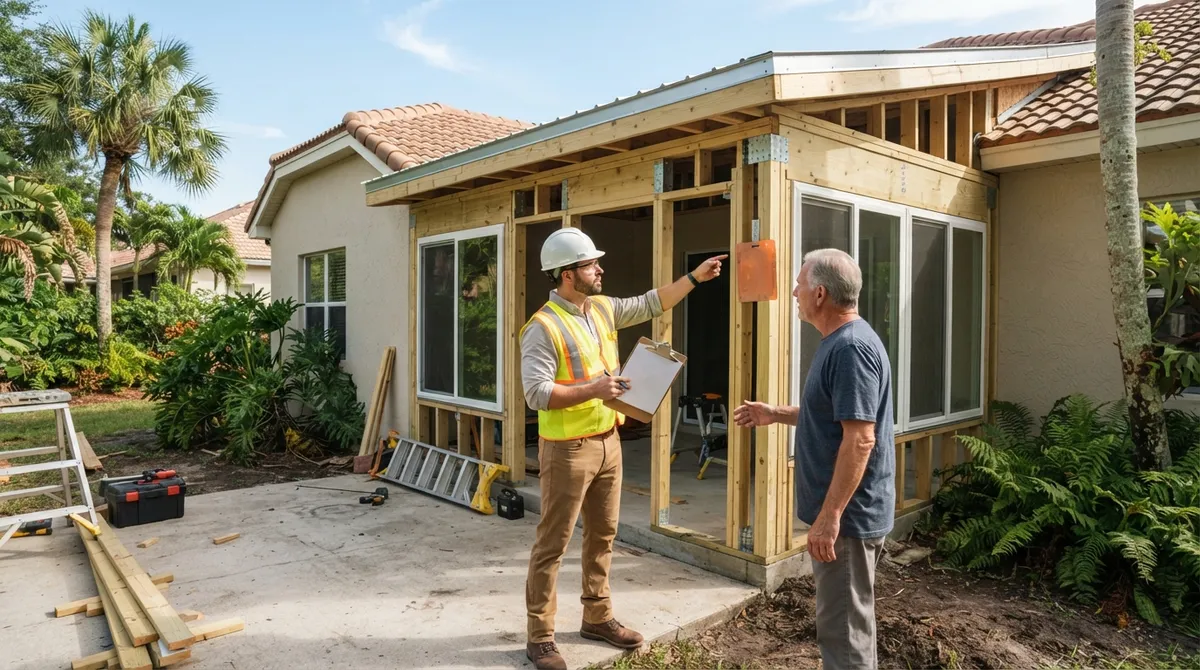
What Is an After-the-Fact Permit in Florida?
Here's the friendly truth: Florida doesn't have one single, official form labeled "after-the-fact permit." Instead, you apply for the same regular building permit that should have been pulled before the work started — you just disclose, upfront, that the work is already done or partially done. Local building departments each have their own name for this (some call it "as-built permitting," others just process it as a standard permit with a compliance note attached).
Under Florida Statutes §553.79(1)(a), a permit is generally required before you construct, alter, repair, modify, or demolish a building. Skipping that step is technically unlawful, but the good news is that Florida's system is built to bring existing work into compliance rather than punish people forever. The goal is always the same: prove the work meets the Florida Building Code, and get it documented properly.
Why This Matters More Than People Realize
Unpermitted work isn't just a paperwork problem. It can affect your homeowner's insurance, your ability to sell the property, and — most importantly — whether the structure is actually safe. An inspector needs to verify wiring, structural connections, and code compliance, and that's hard to do if walls are already closed up. That's why documentation, photos, and sometimes an engineer's evaluation become so important in this process.

Who's in Charge of Your After-the-Fact Permit?
This is the part that trips people up the most: there is no single statewide office handling these applications. Every city or county building department sets its own procedures, fees, and paperwork requirements. A property in Tampa follows different rules than one in Miami or St. Petersburg, even though the underlying state law is the same.
Before anything else, you need to confirm which jurisdiction actually reviews your project. This sounds simple, but properties near city lines or in unincorporated county pockets often surprise people. Our building department lookup tool is a great first stop, and if you want a deeper dive into how jurisdiction gets decided, check out our article on which Florida jurisdiction reviews your project.
Step-by-Step: How the After-the-Fact Permit Process Works
While every county has its own quirks, the overall path tends to follow the same general rhythm. Here's what you can typically expect:
- Stop any ongoing work immediately. Continuing construction without a permit while you're trying to fix the situation only adds risk.
- Research the property's permit history. Use an open permit search to see what's already on file and whether there are existing violations.
- Confirm the correct jurisdiction and current fee schedule. Local rules vary widely, so don't assume your neighbor's experience applies to you.
- Gather or create documentation. This includes site plans, photos, contractor information, and — when required — sealed engineering drawings.
- Submit the application along with any required as-built plans or structural documentation.
- Respond to plan review comments. Reviewers may ask for corrections, additional drawings, or clarifications.
- Complete required inspections. This might include exploratory demolition if concealed work (like wiring or framing) can't otherwise be verified.
- Pay assessed fees and penalties. These vary by jurisdiction and are often higher than a standard permit fee.
- Receive final approval or permit closeout. Once everything checks out, your permit history is finally clean.
It's a process, no doubt about it. But thousands of Florida properties go through this every year, and with the right documentation and a clear plan, it's very manageable.
Documents You'll Likely Need
Requirements shift from one building department to the next, but most after-the-fact applications ask for a similar core set of materials:
- Completed permit application forms
- Site plans showing the work's location on the property
- Architectural or engineering drawings, especially for structural or electrical work
- Photographs of the completed or in-progress work
- Contractor information, if a licensed contractor performed the work
- Documentation of any concealed construction, when available
If drawings don't exist yet, that's where as-built drawings come in — our drafting team measures and documents the existing structure so it can be properly reviewed. And if an engineer needs to certify that something is structurally sound, an engineer letter can sometimes speed things along.
What Does an After-the-Fact Permit Cost in Florida?
There's no single statewide price tag, and anyone who tells you otherwise is guessing. Costs depend on your jurisdiction, the scope of the work, and whether penalties apply. That said, here's a general idea of what tends to factor into the total:
| Cost Component | What It Covers | Typical Range |
|---|---|---|
| Base permit fee | Standard fee for the permit type (electrical, structural, etc.) | Varies by county and project size |
| After-the-fact penalty | Additional charge for work started without a permit | Often a percentage of the original fee — Miami-Dade guidance references up to 100% in some cases |
| Plan review fees | Reviewing submitted drawings for code compliance | Set locally, sometimes bundled with permit fee |
| Inspection fees | Site visits to verify compliance | Per-inspection or flat rate depending on jurisdiction |
| Administrative enforcement cost | Applies if a violation notice or correction order was issued | Can be a flat fee (some counties reference around $100 per order) |
Because these numbers shift so much by county, it's worth reading our detailed breakdown on after-the-fact permit Florida cost before assuming what you'll owe. If you want a specific number for your property, get a free quote and we'll walk you through it.
Will an Inspector Ask You to Open Walls or Ceilings?
Sometimes, yes — and we know that's not what anyone wants to hear. If wiring, plumbing, or structural connections were covered up before inspection, the building department may require exploratory demolition so the work can actually be seen and verified. It's not personal; it's just how compliance gets confirmed when there's no paper trail. The upside is that a well-prepared application with clear as-built drawings and photos can sometimes reduce how much needs to be opened up.
Is Approval Guaranteed?
Nope, and it's important to set that expectation early. An after-the-fact permit doesn't automatically legalize work that violates zoning, setback rules, floodplain requirements, or structural and electrical codes. If something doesn't meet code, you may need to modify it, remove it, or pursue a variance where one is available. This is exactly why many contractors and homeowners bring in a permitting team early — catching problems before submission saves time, money, and a lot of frustration.
Who's Responsible for Unpermitted Work?
This question comes up constantly, especially from real estate professionals. The short answer: the current owner is usually on the hook, even if a previous owner or contractor did the unpermitted work. That's a tough pill to swallow, but it's why permit history review is such a critical step before closing on a Florida property.
If you're an agent or investor, our realtor and closing support services can help you check for open permits and unpermitted work before it becomes someone else's headache — or yours. It's also worth reading our piece on what happens when an open permit is found at closing.
A Quick Comparison: Who Typically Handles What
| Party | Typical Responsibility |
|---|---|
| Current homeowner | Usually responsible for resolving the issue, regardless of who built it |
| Original contractor | May be liable if still licensed and traceable, but not always involved in the fix |
| Real estate agent | Should disclose known issues and help facilitate permit history checks |
| Permitting service | Coordinates documentation, filing, and inspections to resolve the issue |
How This Plays Out for Different Florida Professionals
General Contractors
If you inherited a job with unpermitted work already in place, or discovered mid-project that a permit was never pulled, time is money. Our general contractor services include plan drafting, sealed engineering, and permit tracking so you're not stuck waiting on paperwork while your crew sits idle.
Solar Companies
Solar installations sometimes run into after-the-fact situations when interconnection timelines outpace permit approval. Getting code-compliant structural and electrical documentation together fast matters here. Learn more through our solar contractor resources.
Real Estate Professionals
Buyers and investors need clarity before closing, not surprises after. Permitting research protects your deal and your reputation.
Florida Homeowners
Whether you're the one who skipped the permit or you inherited the problem, you deserve a clear, judgment-free path forward. That's what we aim to provide.
Checking Your Property Before You Apply
Before submitting anything, it's smart to check the property's permit history. Our open permit search tool can help you spot outstanding issues early. Combine that with a look at our full toolset for contractor registration and jurisdiction lookups, and you'll walk into the process with far fewer surprises.
You can also see how other Florida property owners have handled similar situations by checking reviews from our clients, or visit us on Google — 1 Contractor Solutions to see how we've helped homeowners and contractors across the state resolve these exact situations.
Why Work With a Permitting Team Instead of Going It Alone?
We get it — hiring help for paperwork can feel like an extra expense you didn't budget for. But after-the-fact permitting involves layers most people don't expect: jurisdiction confirmation, code research, engineering documentation, plan review coordination, and inspection scheduling. One missed detail can mean a rejected application and starting the clock over.
At 1 Contractor Solutions, our in-house drafting and engineering team means that when a reviewer flags something, we fix it ourselves — no waiting on an outside consultant to call back. We're also a licensed private provider, so in many cases we can perform your plan review directly instead of sitting in a county queue. If you're dealing with a denial, a stop-work order, or a closing that's stuck, our urgent permit rescue service exists specifically for situations like yours.
You can also stay connected with us and see updates on Florida permitting trends by following us — follow us on LinkedIn or follow us on Facebook for helpful tips and real client stories.
Bringing It All Together
An after-the-fact permit application in Florida isn't a punishment — it's a path back to compliance, safety, and peace of mind. Yes, the process can involve extra fees, extra paperwork, and sometimes an inspector asking you to open up a wall you'd really rather keep closed. But at the end of it, you get something valuable: a property with a clean permit history and code-compliant work you can stand behind, whether you're selling it, living in it, or building your next project on top of it.
If you're staring down an unpermitted addition, a home with mystery electrical work, or a solar installation that needs to catch up on paperwork, you don't have to untangle it alone. Our team has spent over 15 years handling exactly these situations across all 67 Florida counties, and we genuinely enjoy turning a stressful permit problem into a solved one. Ready to get started? Request your free quote today, and let's get your permit history looking the way it should.
FAQs
How do I apply for an after-the-fact permit in Florida?
You'll apply for the same standard building permit that should have been pulled originally, but you'll disclose that the work is already completed or in progress. The exact forms and required documents depend on your city or county building department, so it's worth checking with them directly or having a permitting professional confirm the requirements for you.
Can I get a permit after construction is already completed in Florida?
Yes, this is exactly what an after-the-fact permit is for! You'll need to show that the completed work meets the Florida Building Code, which often means submitting as-built drawings, photos, and sometimes engineering documentation. It's a very doable process, especially with the right paperwork ready to go.
What happens if I buy a Florida home with unpermitted work?
Unfortunately, responsibility for resolving unpermitted work typically falls on the current owner, even if a previous owner did the work. That's why checking permit history before closing is so important, and why many buyers bring in a permitting team to review the property ahead of time.
How much does an after-the-fact permit cost in Florida?
Costs vary quite a bit by jurisdiction, but you can generally expect the standard permit fee plus an additional penalty, which some counties set as high as 100% of the original fee. Plan review and inspection charges may also apply, so it's best to get a quote based on your specific property and county.
Do I need an engineer or architect for an after-the-fact permit?
It depends on the scope of the work — structural changes, additions, and certain electrical or plumbing work often require sealed drawings or an engineer's letter. Smaller projects might not need one, but a quick review from a permitting professional can save you from guessing wrong.
We do this work every day across all 67 Florida counties. Call (866) 314-6931 and we will tell you what your situation actually requires — including when you do not need us.
Related services
Permit Facilitation & Filing
You have a crew scheduled, a client asking for dates, and a permit sitting somewhere in a queue you cannot see. We file it, w…
See the servicePlan Review Coordination
A permit in plan review is not one queue. On a commercial project it can be six queues, each with its own reviewer, its own c…
See the serviceReady to get your permit moving?
One call tells you which jurisdiction controls your project, what it will take, and what it will cost. Most of the time we can scope it on the phone.