
Blog
9 After-the-Fact Permit Mistakes Florida Landlords Make
Avoid 9 costly mistakes when legalizing unpermitted rental work. A friendly 2026 guide to after-the-fact permitting for landlords in Florida.
Key Takeaways
-
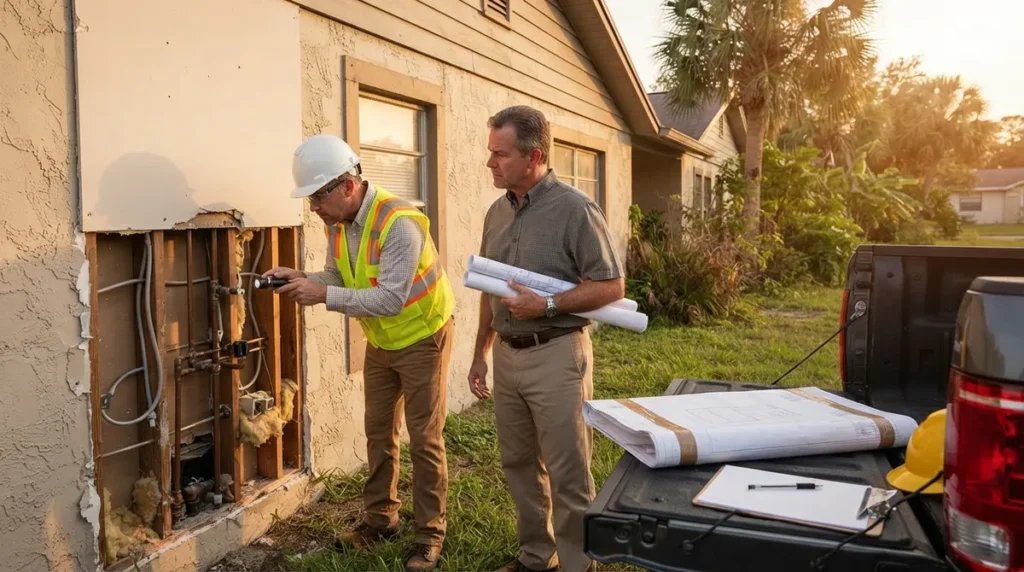
A permit issued after work begins does not automatically approve the work already done; inspectors may require concealed work to be exposed, tested, or corrected, so budget time and money for that.
-
Confirm which city or county building department has jurisdiction over your exact parcel before submitting anything, since boundary lines near municipalities often cause wasted weeks.
-
Do not wait for a trigger like a tenant complaint, insurance claim, or buyer inspection; proactively legalizing unpermitted work gives you more control over timing and fewer surprises at sale or refinance.
-
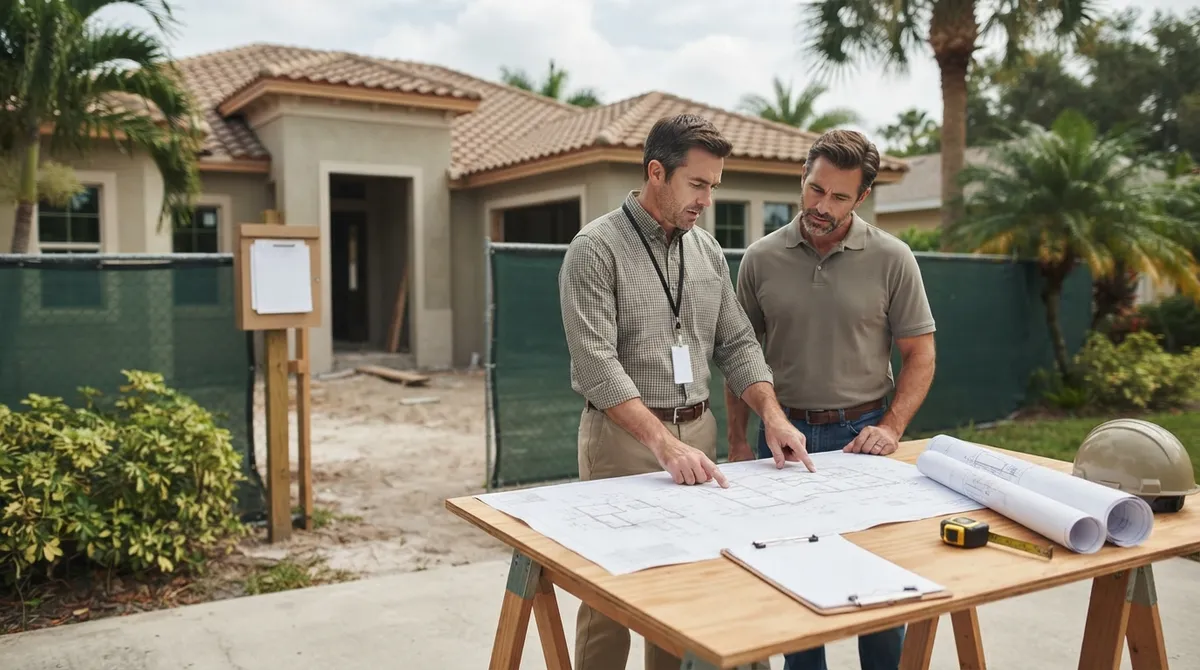
Expect to provide as-built drawings, engineer letters, or MEP documentation for structural or system changes, since sealed documentation ready upfront can prevent rounds of reviewer comments.
-
Hiring a permit expediter does not replace contractor licensing requirements; verify that anyone performing work is properly licensed for that trade.
-
There is no single statewide after-the-fact fee or penalty, so request the local fee schedule and enforcement policy in writing and set aside a contingency budget for corrections.
Let's be honest: nobody opens a rental-property file hoping to find a mystery bathroom remodel with no permit attached. But if you own rentals in Florida long enough, it happens. Maybe you inherited a duplex with a converted garage. Maybe a handyman "took care of" a water heater swap years ago. Or maybe a tenant's complaint just brought an inspector to your door.
Here's the good news: after the fact permitting for landlords in Florida is a real, workable path. Plenty of owners have walked it and come out with clean records and peace of mind. The bad news? It's easy to trip over avoidable mistakes along the way, and some of them cost weeks, money, and a whole lot of stress.
In this friendly guide, we'll walk through nine common mistakes landlords make when legalizing unpermitted work in Florida, and exactly how to sidestep each one in 2026. Whether you manage a single rental house or a small portfolio, you'll finish with a clear game plan. And remember, you don't have to figure it out alone. A dedicated after-the-fact and expired permit team can take the heavy lifting off your plate.
What After-the-Fact Permitting Actually Means for Florida Landlords
First, a quick reality check on terminology. "After-the-fact permit" is a practical phrase, not a single statewide permit category. Florida Statutes §553.79(1)(a) makes it unlawful to construct, alter, modify, repair, or demolish a building without first obtaining a permit from the appropriate enforcing agency, subject to applicable exceptions. When work happens without one, the local building department decides how you legalize it.
That means the process in Miami-Dade can look different from the process in Hillsborough or Lee County. Fees, documentation, inspections, and corrections all vary by jurisdiction. Florida Statutes §489.127(1)(h) also treats starting or performing permit-required work without a permit in effect as prohibited conduct for contractors, which is why licensing matters so much (more on that below).
For a deeper primer, see our guide on what after-the-fact permitting is in Florida.
The Typical Process at a Glance
- Identify which city or county building department actually has jurisdiction over the property.
- Contact that department and ask how to disclose and legalize the work.
- Prepare the application, plans, and any engineering documents required.
- Open concealed work for inspection if the inspector asks.
- Correct anything that doesn't meet current code.
- Pass final inspection and close the permit.
Mistake 1: Assuming the Permit Itself Approves the Work
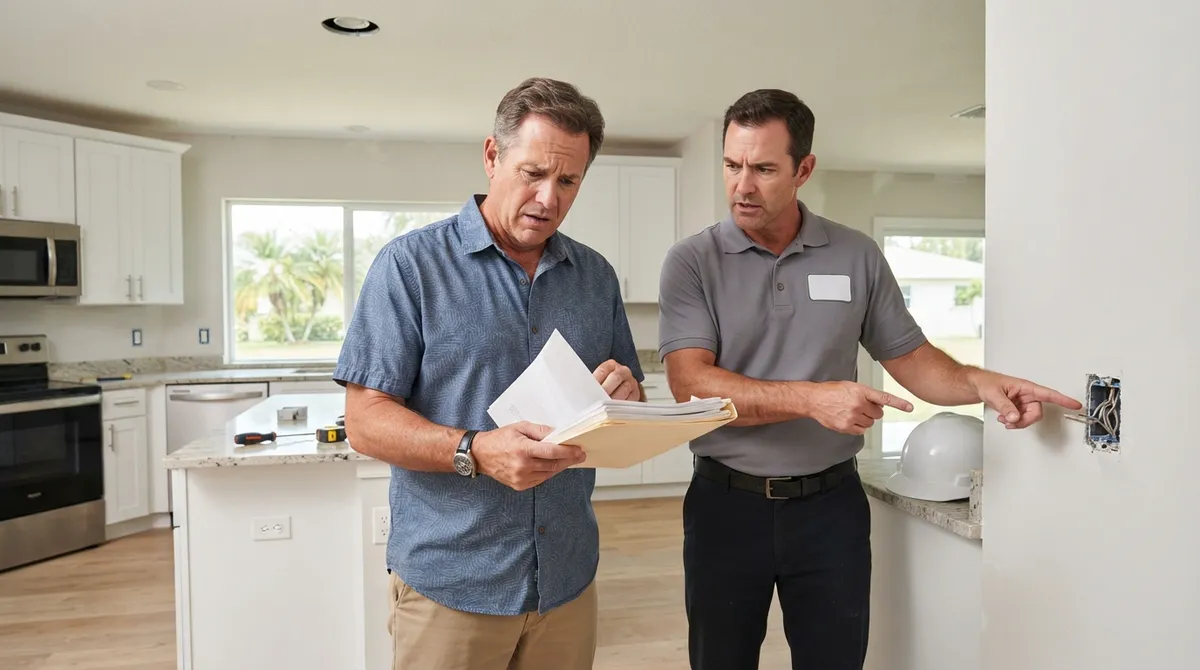
This one surprises almost everyone. A permit issued after work has begun does not automatically bless the work already in place. Inspectors may want evidence that concealed structural, electrical, plumbing, or mechanical work is code-compliant. If they can't verify it, the authority may require portions to be exposed, tested, corrected, or even removed.
The fix: treat the permit as the start of verification, not the finish line. Budget time and money for possible corrections, and gather photos, receipts, and any records of the original work.
Mistake 2: Calling the Wrong Building Department
Florida has a patchwork of cities, counties, and unincorporated areas, and property lines near city borders can be confusing. Landlords often assume "the county" handles everything, then waste weeks with an office that has no authority over their address.
Before you submit anything, confirm who really controls your parcel. Our building department lookup tool helps you do exactly that. Our team has filed in over 400 municipalities and knows where those tricky boundary lines fall, from Hillsborough County to Miami-Dade County.
Mistake 3: Waiting for a Violation Before Acting
It's human nature to hope a problem stays quiet. But unresolved permit issues can complicate property transactions, insurance questions, refinancing, tenant safety, and future renovations. Sometimes the first sign is a code enforcement notice; sometimes it's a buyer's inspector or an appraiser.
Acting proactively usually gives you more options and a calmer timeline. If you've already received a notice, our code compliance violation support can help you respond correctly and on time.
Common Triggers That Bring Unpermitted Work to Light
- Tenant complaints about safety or habitability
- Neighbor reports to code enforcement
- Insurance inspections or claims
- Home inspections during a sale or refinance
- Open-permit searches by buyers, lenders, or title companies
Not sure what's hiding in your records? Try our open permit search before anyone else does it for you.
Mistake 4: Skipping Plans and Engineering Documents
Many landlords hope to walk into the permit counter with a photo and a handshake. Sometimes a simple scope can be handled that way, but for structural changes, additions, converted garages, or modified electrical and plumbing, building departments commonly want plans, as-built drawings, or engineer letters.
Having sealed documentation ready can prevent rounds of comments and resubmittals. Depending on your project, you may need:
- As-built drawings documenting what actually exists
- Engineer letters verifying structural or system adequacy
- MEP engineering for mechanical, electrical, and plumbing work
- Site plans showing setbacks and property context
Because our drafting and engineering are in house and our own engineer signs and seals the work, reviewer comments get fixed fast instead of bouncing between outside consultants.
Mistake 5: Ignoring Contractor Licensing Rules
Here's a landlord trap that deserves a spotlight. Hiring a permit expediter does not replace a contractor's legal responsibilities. Licensing rules still apply, and you should verify that anyone doing permitted work is appropriately licensed for that trade.
If the original contractor is unavailable or unlicensed, you generally need a properly licensed professional to take responsibility for completing permit requirements. Our guide on who can pull a permit in Florida breaks down your options. Also note that Florida Statutes §553.79 describes how an owner can close an existing permit by retaining the original contractor, hiring another appropriately licensed contractor, or, in qualifying circumstances, acting as an owner-builder. That's about closing a permit, so don't confuse it with automatic approval of unpermitted work. Learn more about owner-builder permits before deciding.
Mistake 6: Guessing at Fees and Penalties
Landlords love a firm number, and we'd love to give you one. But there is no single statewide after-the-fact fee or guaranteed penalty. Permit fees, investigation charges, and penalties are set or administered locally and may be higher for work started without a permit.
| Cost Factor | Who Controls It | What to Do |
|---|---|---|
| Permit application fee | Local building department | Request the current fee schedule |
| Investigation or penalty charges | Local authority and enforcement policy | Ask how unpermitted-work fees are assessed |
| Plans and engineering | Your design professionals | Get a written scope and quote up front |
| Corrections and exposed-work repairs | Depends on inspection findings | Set aside a contingency budget |
For a realistic picture of what to expect, read our breakdown of after-the-fact permit costs in Florida.
Mistake 7: Letting Closing, Insurance, or Lending Surprises Pile Up
For landlords, unpermitted work isn't just a code issue. It can ripple into insurance conversations, refinancing, and sales. A buyer's lender or title company may flag open or missing permits, and suddenly a closing date is in jeopardy.
The consequences depend on the facts and local rules, so we won't pretend every case looks alike. But planning ahead beats scrambling at the closing table. If a sale is in your future, our realtor and closing support and urgent permit rescue services exist for precisely those tight-deadline moments.
Quick Comparison: Fix Now vs. Wait
| Approach | Potential Upside | Potential Downside |
|---|---|---|
| Legalize proactively | More control over timing, cleaner records, fewer surprises at sale or refinance | Upfront cost and effort |
| Wait for a trigger | Delays spending today | Pressure deadlines, possible enforcement action, limited options |
Mistake 8: Poor Record-Keeping
Even landlords who do everything right sometimes lose the paper trail. Keep permit applications, approved plans, inspection results, contractor licenses and contracts, invoices, and final approvals together with your property records. Think of it as a "permit binder" for each rental.
This habit pays off when an insurer asks for documentation, a lender requests proof of approvals, or a future buyer wants to review the history. It also makes any later renovation smoother, because you'll know exactly what's already on file.
- Save digital copies in a cloud folder labeled by property address
- Record permit numbers and final inspection dates
- Keep contractor license numbers and proof of insurance
- Store before-and-after photos of concealed work when possible
Mistake 9: Trying to Handle Everything Alone
We admire the do-it-yourself spirit, truly. But after-the-fact permitting mixes legal requirements, technical drawings, inspection scheduling, and back-and-forth with reviewers. One missed comment can add weeks.
That's why many landlords bring in a team that handles permit facilitation and filing, plan review coordination, and revisions and resubmittals from start to finish. 1 Contractor Solutions is Florida's outsourced permitting department. We answer 24/7, respond within 30 minutes day or night, and se habla español. If you manage rentals, our property manager resources and homeowner resources are good places to start.
If exposed or concealed work is part of your situation, specialty support can help too. For example, hidden materials or moisture concerns may require Blastworx for remediation-related work before an inspector signs off. And if you're a landlord with several properties, you may also want to follow us on LinkedIn for practical Florida permitting updates.
A Landlord's Step-by-Step Game Plan
Ready to put this into action? Here's a simple sequence you can follow for any rental property in Florida:
- Audit the property. Walk through and list any work you suspect was done without a permit.
- Search the records. Check for open, expired, or missing permits.
- Confirm jurisdiction. Identify which building department governs the address.
- Ask the department how to disclose and legalize. Request the application, document list, and fee schedule.
- Prepare documentation. Gather as-builts, engineering letters, photos, and licensed-contractor information.
- Schedule inspections. Be ready for exposed-work requests.
- Correct and close. Fix deficiencies, pass final inspection, and file your records.
Related reading that landlords often find useful: how to legalize unpermitted work in Florida, how to close an expired permit in Florida, and 4 steps for after-the-fact rental permits in Florida.
You've Got This, and You've Got Backup
Discovering unpermitted work on a rental property can feel overwhelming, but it's one of the most fixable problems in Florida real estate. Avoid these nine mistakes, keep good records, and work with the right local building department, and you can turn a nagging liability into a closed, documented permit.
If you'd like a friendly expert in your corner, we'd love to help. We work in all 67 Florida counties and have handled more than 5,000 permits and projects over 15+ years. Want to see how others describe working with us? Visit us on Google — 1 Contractor Solutions and read what customers say. When you're ready, get a free quote and let's get your rental property legal, insurable, and ready for whatever comes next. You can also follow us on Facebook to stay in the loop. Permits approved. Projects moving.
FAQs
How do I get an after-the-fact building permit as a landlord in Florida?
Start by contacting the building department that has jurisdiction over your rental property and asking how to disclose and legalize the work. You'll typically submit an application, plans or engineering documents, and then pass inspections, with corrections if needed. Requirements and fees vary by city and county, so always confirm locally.
Can a Florida building inspector require walls or ceilings to be opened?
Yes, they can. If concealed structural, electrical, plumbing, or mechanical work can't be verified, the authority may require portions to be exposed, tested, corrected, or removed. A little planning, and good documentation, can make this much less painful.
How much do after-the-fact permit fees or penalties cost in Florida?
There's no single statewide figure. Permit fees, investigation charges, and penalties are set or administered by your local authority and may be higher for work started without a permit. Ask your building department for its current fee schedule and enforcement policy before you budget.
Can unpermitted work affect renting, selling, insuring, or refinancing a Florida property?
It can. Unresolved permit issues may complicate property transactions, insurance questions, refinancing, tenant safety, and future renovations, though the specific impact depends on the facts and local rules. Addressing it early usually gives you more options and less stress.
Can a landlord apply for a permit after a contractor has already finished the work?
Generally, yes. You'll work with the local building department to document the work, arrange inspections, and correct any deficiencies. Approval isn't guaranteed, which is why proper documentation and, when needed, sealed engineering can make a big difference.
We do this work every day across all 67 Florida counties. Call (866) 314-6931 and we will tell you what your situation actually requires — including when you do not need us.
Related services
Permit Facilitation & Filing
You have a crew scheduled, a client asking for dates, and a permit sitting somewhere in a queue you cannot see. We file it, w…
See the servicePlan Review Coordination
A permit in plan review is not one queue. On a commercial project it can be six queues, each with its own reviewer, its own c…
See the serviceReady to get your permit moving?
One call tells you which jurisdiction controls your project, what it will take, and what it will cost. Most of the time we can scope it on the phone.