
Blog
4 Steps If You're Looking for After-the-Fact Rental Permits FL
Discover how Florida rental property owners can navigate after-the-fact permitting in 4 clear steps, from documentation to final approval.
Key Takeaways
-
Florida rental properties cannot use the owner-builder exemption, so a licensed contractor must apply for after-the-fact permits rather than the property owner doing it themselves.
-
Local building departments charge additional investigative fees for after-the-fact permits, often double the standard permit fee, which varies significantly by county and municipality.
-
Rental properties face heightened code scrutiny compared to owner-occupied homes because tenant safety and life-safety items like egress windows, electrical panels, and smoke detectors carry greater regulatory weight.
-
Unpermitted work can surface during critical moments like title searches before closing, insurance inspections, or lender appraisals, potentially halting sales, refinancing, or rental income.
-
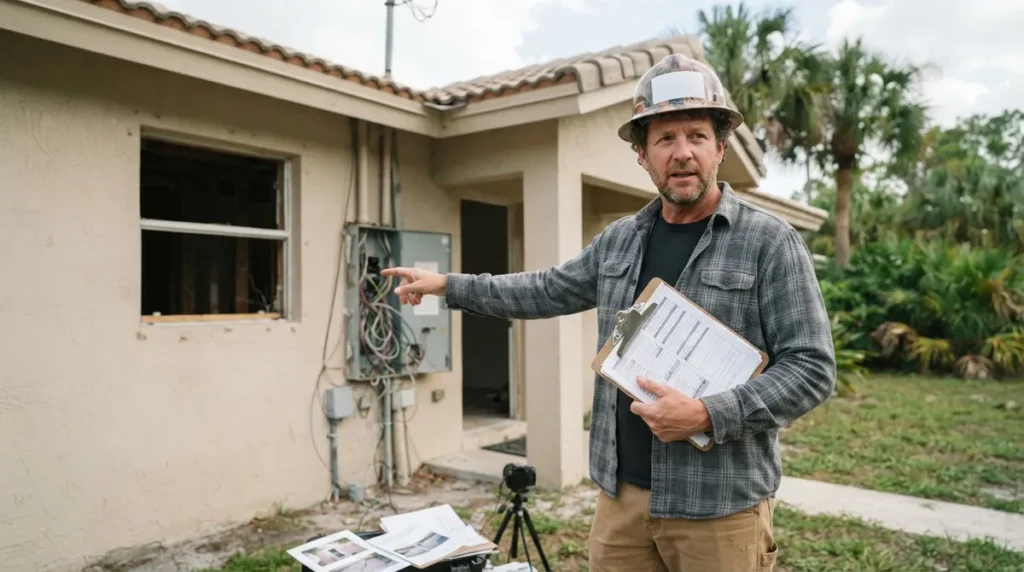
You must pause any ongoing unpermitted work immediately, document it with clear photos and timelines, and avoid closing walls until an inspector reviews the work to prevent additional violations.
-
As-built drawings and engineering seals are typically required for structural changes, additions, or garage conversions, and inspectors may require opening walls to verify electrical or plumbing work meets code.
So you're looking for after-the-fact permitting for rental properties in Florida, and honestly? You're not alone, and you're definitely not in trouble just for asking. Whether you inherited a duplex with a mystery Florida room, bought an investment property with a garage conversion nobody can explain, or discovered your property manager "forgot" to pull a permit for that new water heater, this is one of the most common calls we get here at 1 Contractor Solutions. Grab a cup of coffee, because we're going to walk you through exactly what after-the-fact permitting means for Florida rental properties, why it's a little different than for a house you live in yourself, and how to get it handled without losing sleep.
Rental properties come with extra layers most owner-occupied homes don't face. Florida generally won't let you use the friendly "owner-builder" shortcut on a property you rent out, which means a licensed contractor usually has to be involved. That's a big deal, and we want you walking into this process feeling prepared instead of blindsided. Let's dig in.
What Is After-the-Fact Permitting, Really?
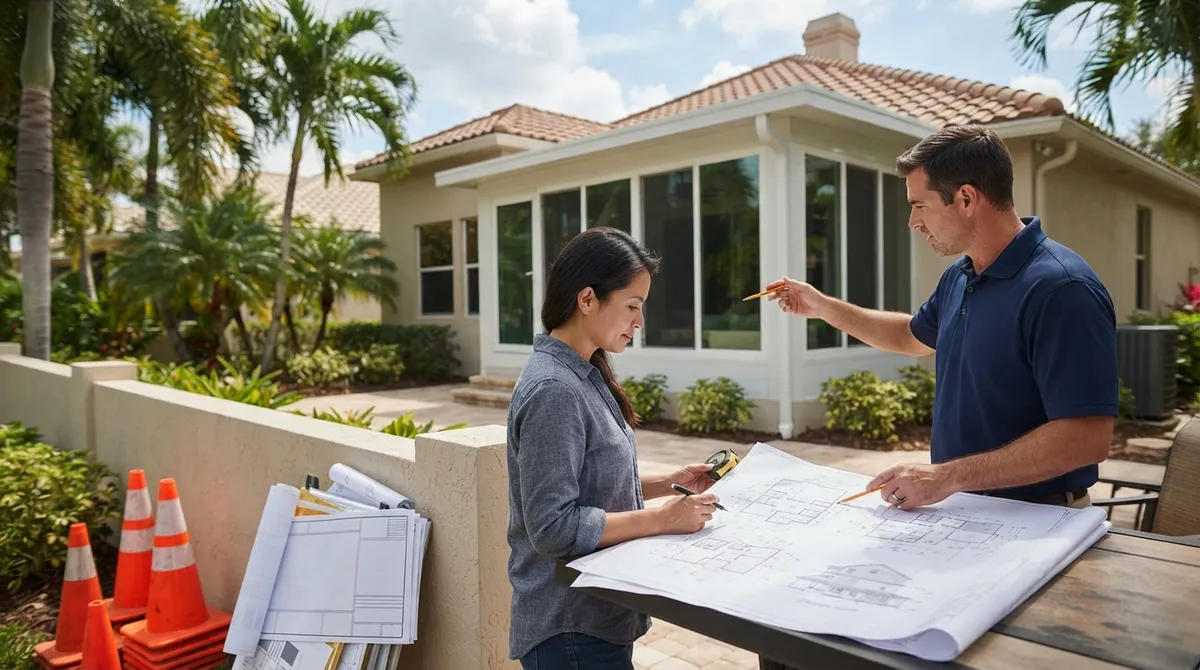
After-the-fact permitting is the process of getting official permit approval for construction, renovation, or trade work that was already started or finished without the required permit. Florida Statutes section 553.79 requires a permit before you construct, alter, modify, repair, or demolish most buildings, and section 489.127 makes it unlawful to do permit-required work without one. There isn't a single statewide "after-the-fact permit" form; instead, you or your licensed contractor apply for the same permit that should have been pulled originally, and you flag the work as existing or already completed.
Here's the friendly truth bomb: getting this permit approved is not automatic. Local building departments still need to verify the work meets the Florida Building Code, and they may require you to open up walls, expose wiring, or correct work that isn't up to snuff. Think of it less like a rubber stamp and more like a supervised do-over.
Why Rental Properties Face Extra Scrutiny
Because tenants are living in (or could live in) the space, code officials tend to look a little closer at rental units. Life-safety items like egress windows, smoke detectors, electrical panels, and structural connections carry real weight when someone else's family is sleeping under that roof. If you're managing a vacation rental in a coastal county, add flood zone compliance and occupancy rules to that list too.
| Factor | Owner-Occupied Home | Rental Property |
|---|---|---|
| Owner-builder exemption | Often available | Generally not available |
| Who can apply | Homeowner or licensed contractor | Usually requires a licensed contractor |
| Inspection scrutiny | Standard | Often heightened (tenant safety) |
| Occupancy risk | Lower urgency | Can affect rental license or lease legality |
| Insurance/financing impact | Matters at sale/refinance | Can also affect landlord insurance and rental income |
4 Steps to Getting After-the-Fact Permits for Your Florida Rental
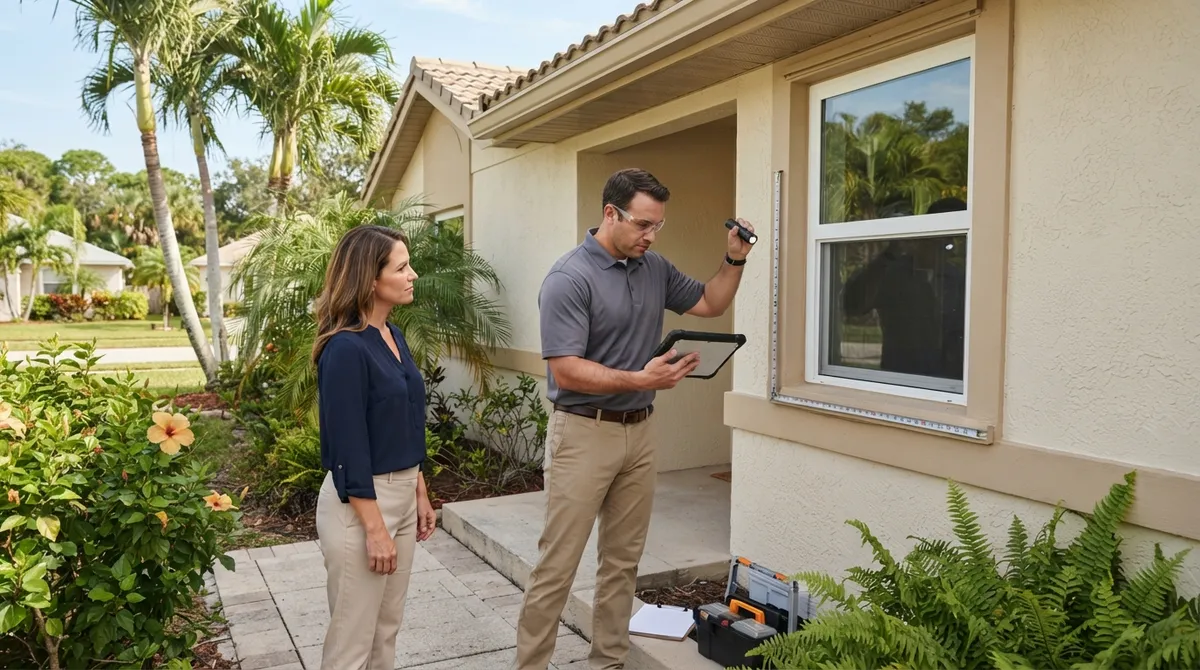
We've helped landlords, property managers, and real estate investors across the state work through this exact situation, from Tampa triplexes to St. Petersburg beach cottages turned Airbnbs. Here's the roadmap we recommend every time.
1. Figure Out Exactly What Jurisdiction Controls Your Property
This sounds obvious, but Florida permitting is hyper-local, and requirements shift dramatically county to county and even city to city. A property that looks like it's in one municipality might actually fall under county jurisdiction, or vice versa. Our building department lookup tool can help you confirm who actually reviews your permits before you waste time calling the wrong office.
- Pull the property's permit history to see what's already on file
- Use our open permit search tool to check for existing open or expired permits
- Identify whether the work falls under building, zoning, floodplain, or fire code review — sometimes it's more than one
2. Stop, Document, and Don't Wing It
If work is still in progress, pause it. Continuing after discovering it's unpermitted (or after a stop-work order) can create additional violations. Take clear photos of the current condition, gather any receipts, permits, or contracts you do have, and write down a timeline of what was done and when, to the best of your knowledge.
- Photograph all visible work, including areas that might get covered later
- Collect any prior owner disclosures, invoices, or contractor names
- Note the property's flood zone and occupancy classification
- Avoid closing up walls or ceilings until an inspector has had a chance to review
3. Bring in a Licensed Contractor and, If Needed, an Engineer
Because Florida's owner-builder exemption generally doesn't apply to rental or leased property, you'll typically need a properly licensed contractor to apply for and supervise the after-the-fact permit. Many jurisdictions also require sealed as-built or after-the-fact plans, especially for structural changes, additions, or garage-to-living-space conversions. This is exactly where our in-house drafting and engineering team comes in — our own engineer seals the work, so when a reviewer has questions, we're the ones answering them, not waiting on a third party to call back.
- As-built drawings for existing conditions
- Structural engineering review for load-bearing changes
- MEP engineering for electrical, plumbing, and mechanical work
- Engineer letters to support unusual or borderline conditions
4. File, Track, and Push the Permit Through to Closeout
Once your documentation and licensed contractor are lined up, it's time to submit. Local after-the-fact or investigative fees are common; Florida Building Code section 109.4 allows local agencies to charge an additional fee when work started before a permit was issued, and some cities, like Hollywood, apply a double permit fee for unpermitted vacation-rental work. Expect the fee to vary by county, so budget a little extra rather than being surprised.
Our team handles the entire filing and follow-through: submitting the application, tracking it through plan review coordination, working reviewer comments, managing revisions and resubmittals, and scheduling inspections all the way to closeout. If you'd rather not spend your afternoons on hold with a building department, that's exactly what we're here for — you can get a free quote and let us carry the load.
What Documents Will You Likely Need?
Every jurisdiction is a little different, but here's a general list of what tends to show up on the required documents checklist for Florida after-the-fact permits.
| Document | Why It's Needed |
|---|---|
| As-built or after-the-fact plans | Shows the reviewer exactly what was built versus what code requires |
| Site plan or survey | Confirms setbacks, zoning compliance, and lot coverage |
| Licensed contractor affidavits | Verifies electrical, plumbing, or mechanical work was done to code |
| Engineering seal (when required) | Certifies structural adequacy for additions or modifications |
| Photographs of existing conditions | Documents concealed or completed work for the inspector |
| Product approval or NOA | Confirms windows, doors, or roofing meet Florida wind standards |
Common Trouble Spots for Rental Properties
Some situations come up again and again with rental and investment properties, and it helps to know what you're walking into.
- Garage or carport conversions: These often trigger occupancy, egress, and parking requirements beyond the building permit itself.
- Additions without a certificate of occupancy: If square footage was added but never inspected, you may need a full Certificate of Occupancy process before the space can legally be rented.
- Vacation rentals with unpermitted decks or pools: These are frequently flagged during licensing renewals in tourist-heavy counties.
- Prior owner shortcuts: Many investors discover the issue only after a home inspection during resale or refinance turns up an open or missing permit.
- Concealed electrical or plumbing: Inspectors may require drywall or flooring to be opened up if the work can't be verified visually.
If any of this sounds like your situation, our after-the-fact and expired permits service exists specifically for files that other companies decline. We've handled these cases in Miami-Dade, Broward, Manatee, and dozens of other counties, and we know the local quirks that trip people up.
How This Affects Selling, Insuring, or Refinancing Your Rental
Unpermitted work doesn't just sit quietly in the background. It can surface at the worst possible moments: during a title search before closing, during an insurance inspection, or when a lender orders an appraisal for refinancing. Buyers and their agents often use our realtor and closing support service to resolve these issues quickly so a sale doesn't fall apart. If you're a real estate professional working with investment property clients, it's worth building this kind of permitting research into your due diligence process from the start.
Some jurisdictions may even classify a rental property with significant unpermitted work as unsafe until everything is corrected and inspected, which can pause rental income entirely. That's a scary thought for anyone counting on that monthly rent check, which is exactly why getting ahead of it matters.
A Quick Word for Solar Companies and Contractors
If you're a solar installer or general contractor who's discovered a rental property with unpermitted electrical panel work or a mismatched interconnection, you're not stuck either. Our team handles solar contractor permitting and general contractor coordination across the state, with in-house sealed drawings so you're not waiting weeks on an outside engineer. For a fuller breakdown of the process, our guide on legalizing unpermitted work in Florida is a great next read.
Why Homeowners and Investors Choose to Work With a Permitting Team
We get it: hiring help for a permit might feel like an extra expense on top of an already frustrating situation. But here's the thing — a knowledgeable permitting partner often saves you money in the long run by avoiding repeated rejections, missed documentation, or costly demolition of work that could have been corrected instead. We serve homeowners, property managers, and realtors across all 67 counties, and we respond within 30 minutes, day or night, because permit emergencies rarely happen on a convenient schedule.
Curious what past clients have said? You can visit us on Google — 1 Contractor Solutions to see real feedback from Florida property owners who've been exactly where you are right now. You can also follow us on LinkedIn or follow us on Facebook for permitting tips and updates specific to Florida jurisdictions.
Final Thoughts Before You Get Started
Finding out your rental property has unpermitted work isn't the end of the world, even though it might feel that way at first. Florida's process exists precisely because these situations come up all the time, from inherited properties to well-meaning renovations that skipped a step. According to the Florida Statutes on building permits, the goal of the permitting system is safety and code compliance, not punishment for punishment's sake. With the right documentation, a licensed contractor, and a permitting team that knows your specific county's quirks, most after-the-fact situations can be resolved.
If you're ready to stop guessing and start solving this, our team at 1 Contractor Solutions is standing by. Explore our full permitting and engineering services or reach out today to get a free quote and let's get your rental property back on solid, fully permitted ground.
FAQs
How do I get an after-the-fact permit for a rental property in Florida?
You'll want to start by identifying your local building department and confirming what permit history already exists on the property. From there, a licensed contractor typically applies for the appropriate permit, submits as-built plans or documentation, and coordinates inspections — and yes, we're happy to handle that whole process for you!
Can a Florida landlord pull a permit for work already completed without a permit?
Generally, no — Florida's owner-builder exemption is usually limited to properties the owner occupies themselves, not rentals. That means a properly licensed contractor typically needs to apply for and supervise the after-the-fact permit on your behalf.
How much does an after-the-fact permit cost in Florida?
It varies quite a bit by jurisdiction, but many local building departments charge an additional after-the-fact or investigative fee on top of the standard permit fee, sometimes double the normal amount. We always recommend budgeting a little extra and confirming the exact fee schedule with your specific county or city.
Can I rent or occupy a Florida property while unpermitted work is being corrected?
It depends on the severity of the issue and your local jurisdiction's rules — some situations are fine to occupy during the process, while more serious safety concerns can pause occupancy until inspections are complete. Getting ahead of this quickly is the best way to protect your rental income.
Will the inspector make me open walls for concealed unpermitted work?
It's possible, especially if wiring, plumbing, or structural connections can't be verified visually. Inspectors need to confirm the work meets code, so some exposure or testing may be required, but a good as-built documentation package can sometimes minimize how much needs to be opened up.
We do this work every day across all 67 Florida counties. Call (866) 314-6931 and we will tell you what your situation actually requires — including when you do not need us.
Related services
Permit Facilitation & Filing
You have a crew scheduled, a client asking for dates, and a permit sitting somewhere in a queue you cannot see. We file it, w…
See the servicePlan Review Coordination
A permit in plan review is not one queue. On a commercial project it can be six queues, each with its own reviewer, its own c…
See the serviceReady to get your permit moving?
One call tells you which jurisdiction controls your project, what it will take, and what it will cost. Most of the time we can scope it on the phone.