
Blog
8 Steps to Fix a Palm Beach Code Violation After the Fact
Got a Palm Beach code violation for unpermitted work? Follow these 8 friendly steps to legalize it, avoid surprises, and meet your deadline.
Key Takeaways
-
Palm Beach County charges four times the standard permit fee for after-the-fact violation permits, so budget accordingly and confirm current fees with the Building Division at 561-233-5100 before applying.
-
Confirm which agency has jurisdiction over your property before filing anything—unincorporated areas use County Building Division while municipalities handle their own permits, and filing with the wrong office wastes weeks.
-
Your code enforcement deadline cannot be automatically extended by applying for a permit; contact your code compliance officer early if you need more time before the deadline passes.
-
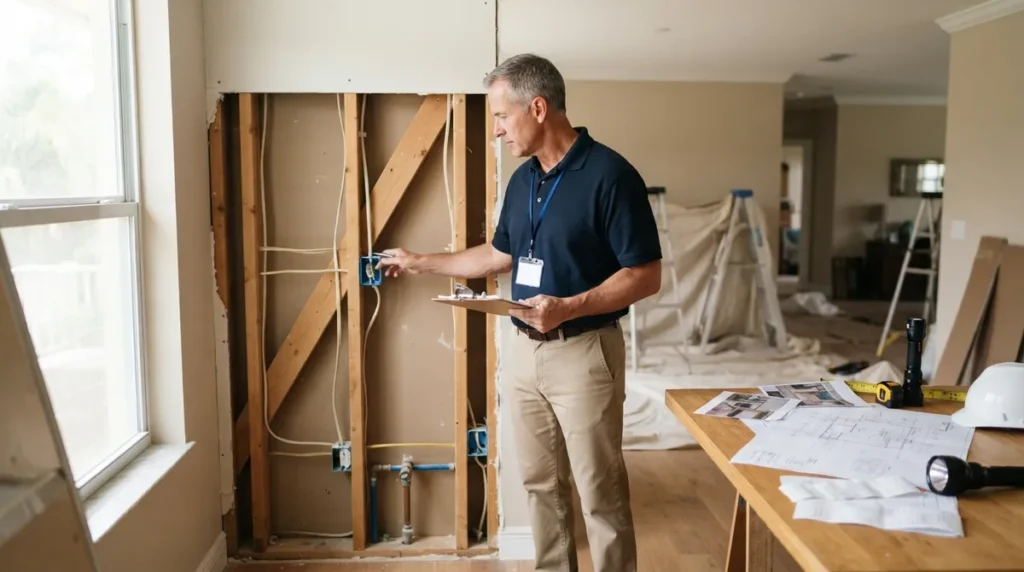
After-the-fact permitting requires all standard inspections including concealed work, so inspectors may need to open walls or ceilings to verify code compliance—gather photos, receipts, and engineer documentation to minimize this.
-
Demolition or removal of unpermitted work is a legal alternative if compliance is impractical or too costly, though demolition itself may require a separate permit and inspection.
-
Gather as-built drawings, site plans, and sealed engineering letters before applying, as incomplete documentation commonly stalls applications; pre-inspections ($75 per trade) offer an optional advisory preview but don't guarantee approval.
Getting a notice of violation in the mail is a gut-punch. One minute you're enjoying your new patio cover, your converted garage, or that shiny new water heater, and the next you're staring at a letter that says the work needed a permit and never got one. Take a breath. You are far from the first Palm Beach County owner, contractor, or buyer to land here, and there is a clear path forward.
A code violation after the fact in Palm Beach simply means the work was already done before anyone pulled the required permit. The good news is that the county has a process built for exactly this situation. The not-so-good news is that it costs more, takes longer, and comes with a deadline that keeps ticking while you sort it out.
In this friendly, step-by-step guide, we'll walk through what to do in 2026, what to expect from inspections, and how to avoid the mistakes that turn a fixable problem into a fine that grows. Whether you're a general contractor, a solar installer, a realtor with a closing on the calendar, or a homeowner who inherited someone else's shortcuts, you'll find practical answers below.

Step 1: Confirm Who Actually Has Jurisdiction
Before you do anything else, figure out which agency controls your property. This sounds small, but it trips up a surprising number of people. Palm Beach County's Planning, Zoning & Building Department handles code-violation permits for unincorporated areas. If your property sits inside a municipality, that city likely runs its own permitting and code enforcement.
Property lines near city borders can be confusing, and a mailing address with a "West Palm Beach" or "Boca Raton" label doesn't always mean the city controls the parcel. Start by checking your notice of violation, which should identify the issuing agency. You can also use a building department lookup tool to confirm the right office.
| Where Is the Property? | Who Handles the Violation? | Who Handles the Permit? |
|---|---|---|
| Unincorporated Palm Beach County | County Code Compliance | County Building Division | Inside a municipality (for example, West Palm Beach) | That city's code enforcement | That city's building department |
| Not sure | Check your notice or verify the parcel | Confirm before filing anything |
Filing with the wrong office wastes weeks, so this first step is worth getting right. Our Palm Beach County permitting page is a handy starting point if you're still sorting it out.
Step 2: Read Your Notice of Violation Carefully
That notice is more than a scary letter. It's your roadmap. It tells you what work is in question, which deadline applies, and who to contact. Read it twice, then read it again with a highlighter.
Pay special attention to these details:
- The compliance deadline set by Code Enforcement staff or the Code Enforcement Board
- The specific violation cited, such as work without a permit, an expired permit, or an unpermitted structure
- The case number, which you'll need when you apply
- The inspector's contact information for questions
Here's the part many people miss: applying for a permit does not automatically extend your deadline. Palm Beach County is clear that you must meet the date set in your notice or enforcement order. If you need more time, talk to your code compliance officer early, before the deadline passes. For a deeper look at how these notices work, see our guide on code compliance violation help in Florida.
Step 3: Know What the After-the-Fact Process Requires
In unincorporated Palm Beach County, construction or installation that required a permit but was done without one generally goes through the Building Division's code-violation permit process. The county says the work must receive the appropriate permits and pass the applicable inspections to resolve the violation.
Here's the big-picture flow:
- Apply for the appropriate permit for the work already completed
- Include a copy of your notice of violation with the application
- Submit plans and supporting documents
- Pay the violation permit fees
- Pass the required inspections
- Receive final approval and close out the violation
Florida law backs this up. Under Florida Statutes §553.79, covered building construction, alteration, repair, or demolition generally requires a permit from the appropriate enforcing agency. Always check the current statute and local rules for your specific project, since requirements can change.
If you want help untangling the paperwork, our after-the-fact and expired permits service handles these files every day.
Step 4: Budget for Four Times the Normal Permit Fee
Let's talk money, because nobody likes surprises. Palm Beach County's published guidance states that permit fees for violations are calculated at four times the standard permit fees. Additional documentation and review can also make these applications take longer than ordinary ones.
Here's a simple illustration of how that multiplier works. These are sample numbers only, so please verify current fees with the county before budgeting.
| Scenario | Standard Permit Fee (Example) | Violation Permit Fee at 4x |
|---|---|---|
| Sample small job | $200 | $800 |
| Sample mid-size job | $500 | $2,000 |
| Sample larger job | $1,000 | $4,000 |
The fee schedule can change, so always confirm with the Building Division. You can reach them at 561-233-5100. For a broader look at pricing, check our breakdown of after-the-fact permit costs in Florida.
Step 5: Gather Plans and Documentation
This is where many applications stall. The county may require plans and other supporting documents, and what you need depends on the type of work. Requirements can include as-built drawings or other documentation sufficient for plan review. Because submittal checklists are updated, confirm the current version with the Building Division before you apply.
Common documents include:
- A completed permit application with your notice of violation attached
- Site plans showing where the work sits on the property
- As-built drawings showing what was actually constructed
- Structural details or an engineer's letter for framing, roofs, or additions
- Electrical, plumbing, or mechanical information for those trades
- Product approvals for items like windows, doors, or roofing materials
Here's where having the right team makes life easier. Creating accurate as-built drawings for work that's already in place is a specialty of its own, and sealed documentation from a licensed engineer can be the difference between approval and another round of comments. Our engineer letters are a common fix when a reviewer needs proof that existing work is structurally sound.
Step 6: Consider an Optional Pre-Inspection
Want a sneak peek before the official inspector arrives? Palm Beach County offers optional violation pre-inspections. According to the county's guide, these are charged at $75 per trade, paid in advance, and scheduled through 561-233-5101.
A quick word of caution, because expectations matter here. The county describes pre-inspections as advisory. They are not design services, and they are not a complete punch list. Think of it as a helpful early look, not a guarantee of approval.
Pre-inspections can be smart when:
- You're not sure what's hidden behind finished walls or ceilings
- The work involves several trades, such as electrical and plumbing
- You want to reduce surprises before the formal inspection
Confirm current availability and fees with the Building Division, since these details can change.
Step 7: Prepare for Inspections, Including Concealed Work
Here's the part people dread: after-the-fact permitting does not waive code compliance. The county requires the relevant building, plumbing, electrical, and mechanical inspections, just as if the work had been permitted from the start.
That raises the big question everyone asks. Will I have to open up walls or ceilings? Sometimes, yes. Concealed work may need to be exposed or otherwise documented so inspectors can verify it. The inspector needs to see that wiring, plumbing, framing, and insulation meet code, and they can't approve what they can't see.
Here's how owners and contractors commonly prepare:
- Walk the project and list every hidden component, like wiring in walls or pipes above ceilings
- Gather photos, receipts, and any prior contractor documentation
- Have an engineer review questionable structural elements
- Coordinate access so inspectors can reach everything
- Schedule inspections in a logical order to avoid repeat trips
Good documentation can sometimes reduce how much needs to be opened up, but the inspector makes the final call. Our inspections support helps owners get organized before the big day.
Step 8: Know Your Options If Compliance Isn't Possible
Sometimes the work simply can't be brought up to code, or the cost of doing so outweighs the value. Palm Beach County's process guide notes that removal or demolition may be considered as an alternative way to abate the violation.
That's not everyone's first choice, but it's good to know it exists. Weigh the options honestly:
| Path | Best When | Watch Out For |
|---|---|---|
| Legalize with an after-the-fact permit | Work is sound or can be corrected | 4x fees and possible opening of walls |
| Remove or demolish the work | Code compliance is impractical or too costly | May still need a demolition permit and inspection |
If you're leaning toward demolition, remember that it may also require its own approval. Our demolition permit help covers that piece. For a helpful comparison, read after-the-fact permit vs. removal.
Who Benefits Most From Getting This Right
Different readers feel this problem in different ways, so here's how it tends to play out:
- General contractors: An unpermitted scope from a prior sub can stall a whole project. Clean documentation protects your license and your schedule.
- Solar companies: Installs without proper structural and electrical documentation can trigger violations and delay interconnection.
- Realtors and buyers: Unpermitted work can surface at appraisal or closing and derail a sale. Our realtor closing support is built for this.
- Homeowners: Whether you or a previous owner did the work, you inherit the responsibility once you hold title.
Acting early is almost always cheaper than waiting. Fines can accrue while a violation remains open, so a prompt, organized response protects your wallet.
How 1 Contractor Solutions Can Help
We're Florida's outsourced permitting department, and after-the-fact files are something we take on when others decline. Our drafting and engineering are in house, so when a reviewer flags something, we fix it without waiting on an outside consultant. We can prepare as-built drawings, coordinate sealed engineering, file the application, track it, and work every reviewer comment through closeout.
Curious what other owners and contractors say about working with us? Visit us on Google — 1 Contractor Solutions to read real reviews. You can also follow us on LinkedIn or follow us on Facebook for permitting tips. For official statute language, the Florida Legislature publishes Florida Statutes §553.79 online.
Conclusion: One Step at a Time
A code violation after the fact in Palm Beach feels heavy, but it's a solvable problem. Confirm jurisdiction, read your notice, plan for the higher fees, gather solid documentation, prepare for inspections, and know that removal is an option if compliance isn't realistic. Keep your deadline front and center, and don't wait until the last week to get moving.
You don't have to figure this out alone. If you'd like a team that's handled thousands of Florida permits to take the paperwork off your plate, get a free quote today and let's get your project back on track.
FAQs
How do I get an after-the-fact permit for unpermitted work in Palm Beach County?
In unincorporated Palm Beach County, you apply through the Building Division's code-violation permit process and include your notice of violation with the application. You'll submit plans and supporting documents, pay the violation fees, and pass the required inspections. If your property is inside a city, apply with that city's building department instead.
How much do Palm Beach County after-the-fact permits cost?
The county's published guidance says violation permit fees are calculated at four times the standard permit fees. Because fee schedules can change, it's smart to confirm the current numbers with the Building Division at 561-233-5100 before you budget.
Will I have to open walls or ceilings for inspections?
Possibly. After-the-fact permitting doesn't waive code compliance, so concealed work may need to be exposed or otherwise documented so inspectors can verify it. Good photos, records, and engineer documentation can help, but the inspector makes the final call.
Does applying for an after-the-fact permit stop my code enforcement deadline?
Not automatically. You still need to meet the deadline set by Code Enforcement staff or the Code Enforcement Board, and applying for a permit doesn't guarantee an extension. If you need more time, contact your code compliance officer early, before the deadline passes.
Can I remove or demolish unpermitted work instead of bringing it up to code?
Yes, in some cases. Palm Beach County's process guide notes that removal or demolition may be considered as an alternative way to abate the violation. Keep in mind that demolition may require its own permit and inspection.
We do this work every day across all 67 Florida counties. Call (866) 314-6931 and we will tell you what your situation actually requires — including when you do not need us.
Related services
Permit Facilitation & Filing
You have a crew scheduled, a client asking for dates, and a permit sitting somewhere in a queue you cannot see. We file it, w…
See the servicePlan Review Coordination
A permit in plan review is not one queue. On a commercial project it can be six queues, each with its own reviewer, its own c…
See the serviceReady to get your permit moving?
One call tells you which jurisdiction controls your project, what it will take, and what it will cost. Most of the time we can scope it on the phone.