
Blog
After-the-Fact Permit vs. Removal: Fort Lauderdale?
Facing an unpermitted addition in Fort Lauderdale? Compare after-the-fact permits vs. removal and find the right path to compliance.
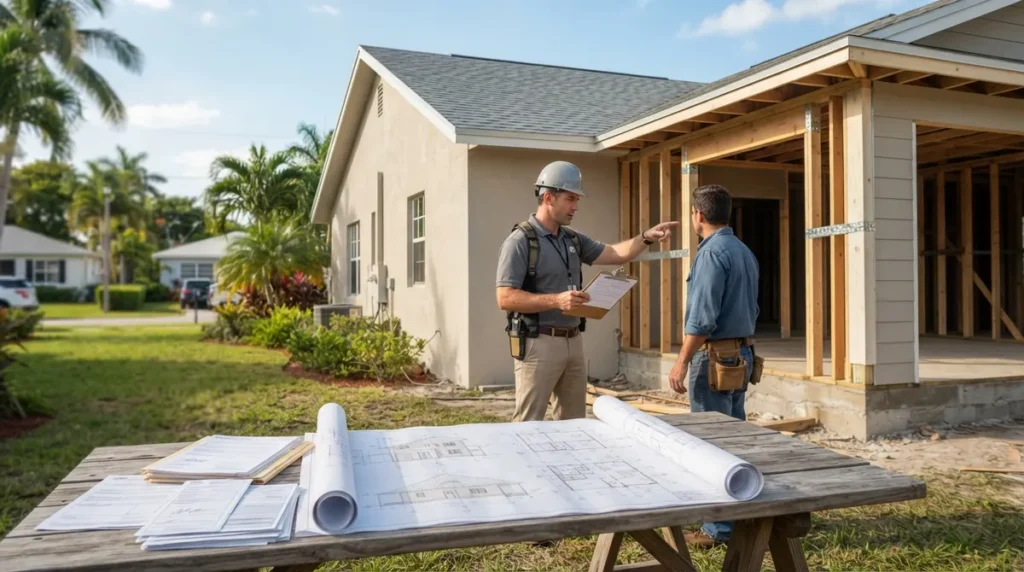
Key Takeaways
-
Unpermitted additions in Fort Lauderdale can usually be legalized through an after-the-fact permit that allows the City to review and approve work already in place, rather than requiring demolition and rebuilds.
-
Before pursuing any path forward, verify your property's permit history using Fort Lauderdale's Building Permit Tracker, LauderBuild, and Property Records Office to confirm jurisdiction and check for active enforcement cases.
-
When selling, refinancing, or obtaining insurance, lenders and title companies will compare your physical structure against city permit records and typically require resolution of unpermitted additions before closing.
-
An after-the-fact permit requires sealed structural drawings, site plans, flood-zone documentation, trade permits, and possibly exposed-work inspections where inspectors verify code compliance by examining concealed framing and electrical systems.
-
If a structure violates zoning setbacks, flood elevation requirements, or cannot be verified as code-compliant, the City may require modification, partial removal, or downgrading the space's classification instead of legalization.
-
Professional permitting help is especially valuable when dealing with time-sensitive situations like stop-work orders, active code cases, or property sales, as in-house engineering teams can resolve corrections faster than coordinating with outside consultants.
Picture this: you're getting ready to sell your Fort Lauderdale home, or maybe you're refinancing, and suddenly the appraiser or the buyer's inspector points out that the Florida room, the extra bedroom, or that converted garage doesn't match city records. Your stomach drops. Is this a small hiccup, or a much bigger headache? If you're dealing with an unpermitted addition in Fort Lauderdale, take a breath. You're not alone, and this situation is far more common than most homeowners realize. The good news? There's almost always a path forward.
In this friendly, no-nonsense guide, we're going to walk through the two real choices you're facing: legalizing the addition through an after-the-fact permit, or, in tougher cases, removing or modifying the work. We'll cover how Fort Lauderdale's Building Services division actually handles these situations, what the LauderBuild portal requires, and how a permitting partner like 1 Contractor Solutions can make the whole process feel a lot less scary. Let's dig in together.
What Counts as an Unpermitted Addition in Fort Lauderdale?
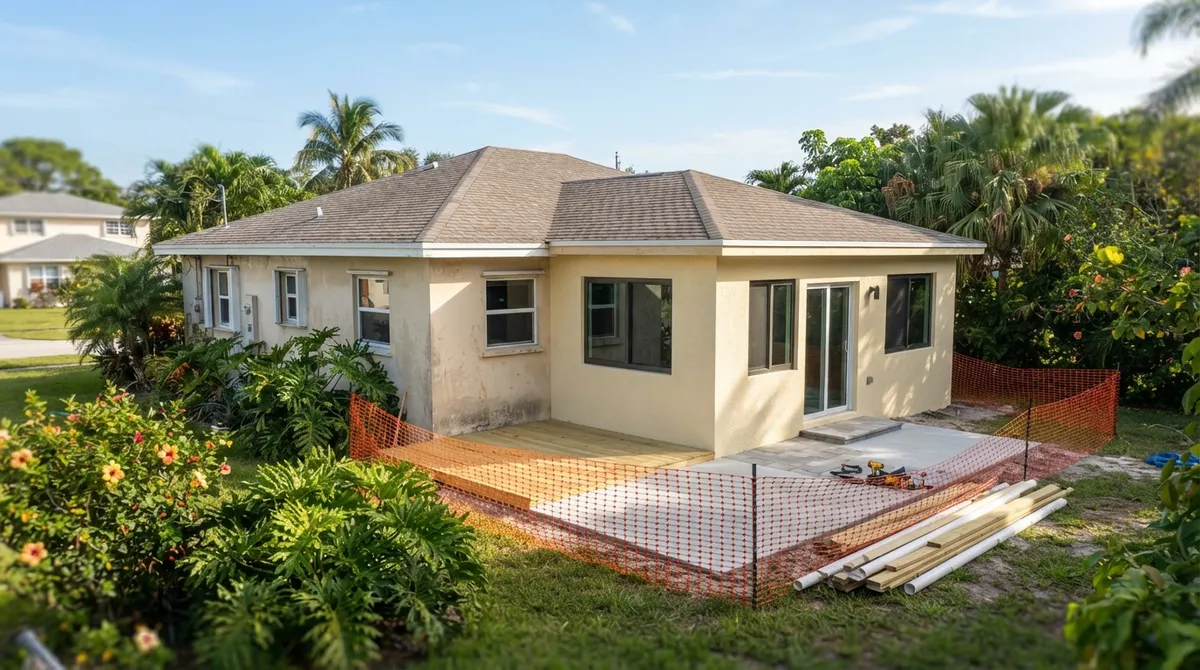
An unpermitted addition is simply any structural change, extra room, converted space, or added square footage that was built without pulling the required building permit. Think enclosed patios, bedroom bump-outs, converted carports, second-story additions, or even that "quick" electrical and plumbing work someone did for a mother-in-law suite years ago.
Here's the key thing to understand: in Fort Lauderdale, this isn't just a paperwork gap. The City treats unpermitted construction as a potential code-enforcement issue. That means it can trigger inspections, correction orders, fines, and in some cases, a formal violation case that follows the property until it's resolved.
Why This Happens So Often
Nobody sets out to create a permitting mess. Usually it happens because:
- A previous owner did the work decades ago, before current owners even bought the home
- A contractor told the homeowner "don't worry, I'll pull the permit" and never did
- A small project (like enclosing a lanai) quietly grew into a full addition
- Someone assumed permits were only for "big" renovations
- Records were lost, damaged, or simply never digitized after older construction
Whatever the reason, the fix usually comes down to two real paths, and understanding both will help you make the right call for your property.
Option 1: After-the-Fact Permit — Legalizing What's Already Built
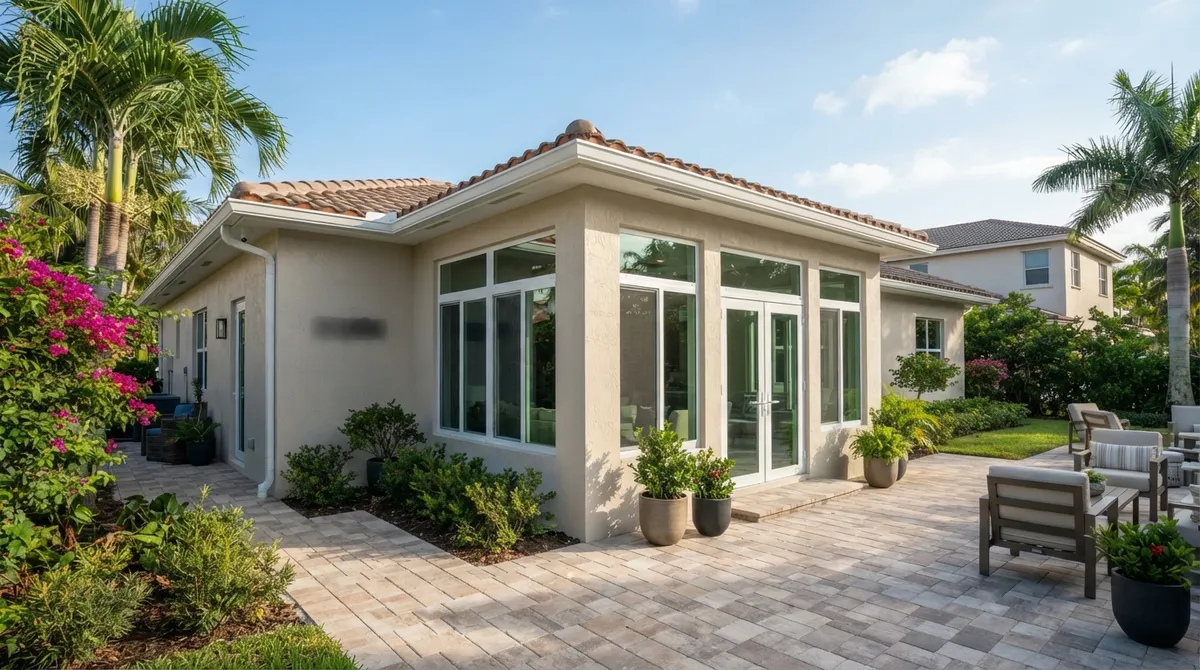
For most Fort Lauderdale homeowners, this is the preferred route. An after-the-fact (sometimes called a regularization) permit application asks the City to review and approve work that's already in place, rather than tearing it out and starting fresh.
How the Process Generally Works
- Verify the property's permit history. Before doing anything else, check the City's Building Permit Tracker, run a LauderBuild record search, and pull records from the Fort Lauderdale Property Records Office. You want to know exactly what's on file and whether there's an active enforcement case tied to the address.
- Evaluate the addition against current code. A licensed contractor, architect, or engineer needs to assess whether the structure meets zoning setbacks, lot coverage rules, flood-zone requirements, and the Florida Building Code. This is where sealed drawings and an honest structural review really matter.
- Prepare plans and supporting documents. Depending on the addition's size and complexity, you may need architectural plans, structural details, a current survey, energy-code compliance documentation, and separate trade permits for electrical, plumbing, or mechanical work.
- Submit through LauderBuild. New applications, including after-the-fact submissions, go through the City's digital portal, where you can upload documents, track your plan review, and respond to reviewer comments in the online plan room.
- Pay fees and complete inspections. Some fees for after-the-fact permits can run higher than standard permits, since the City is essentially reviewing completed work rather than proposed work. Inspectors may also require exposing concealed elements, like drywall over framing, so they can verify code compliance.
- Address any corrections. If something doesn't pass, you'll get correction comments. This is normal, not a dead end. You revise, resubmit, and keep moving until it's approved.
The City's own code enforcement board has shown a pattern of granting short extensions for owners actively working through legalization, which tells you something important: cooperation and a clear plan matter far more than perfection on the first try.
Option 2: Modification or Removal — When Legalization Isn't Possible
Sometimes, despite everyone's best efforts, an addition simply can't be approved as built. Maybe the structure sits too close to a property line, encroaches on a required flood elevation, or was built with framing that can't be verified without extensive (and expensive) demolition.
In these cases, the City may require the owner to:
- Modify the structure to bring it into compliance (adjusting setbacks, reinforcing framing, relocating utilities)
- Remove all or part of the addition entirely
- Downgrade the space's classification (for example, converting an enclosed "bedroom" back to an open patio)
This path is understandably tougher emotionally and financially, but it's not the end of the world. A good engineer or permitting team can often find a compliant middle ground, like a partial modification, that saves most of the investment while satisfying code requirements.
After-the-Fact Permit vs. Removal: Side-by-Side Comparison
| Factor | After-the-Fact Permit | Modification or Removal |
|---|---|---|
| Best for | Structurally sound additions with fixable documentation gaps | Additions with major code, zoning, or flood violations |
| Timeline | Varies with review complexity and inspections | Can be faster once scope is defined, but demolition adds time |
| Cost drivers | Plans, engineering, permit fees, possible exposed-work inspections | Demolition costs, potential rebuild, disposal fees |
| Outcome | Legal addition reflected in city records | Property brought into compliance, violation closed |
| Impact on resale | Clean title, no lingering violation | Also resolves title issues, but changes usable square footage |
Checking Your Property's Status First
Before you decide which path applies to you, it's smart to confirm exactly where things stand. Fort Lauderdale offers a few free tools for this:
- The Building Permit Tracker for searching permit history by address
- LauderBuild's Accela-based enforcement record search for active violation cases
- The City's Property Records Office for older documents that may not be digitized
It's also worth noting that Fort Lauderdale's permitting jurisdiction is separate from Broward County's. If your property sits inside city limits, the City's Development Services team handles it. If you're near a boundary or in an unincorporated pocket, Broward County's Building Code Division (954-765-4400) may actually be the responsible authority instead. This is one of those details that trips up a lot of well-meaning homeowners, and it's exactly the kind of jurisdiction question our Building Department Lookup tool and Open Permit Search tool were built to answer quickly.
Why the Right Documentation Makes All the Difference
Whether you're pursuing legalization or working through a modification, your paperwork is everything. Reviewers at the City need clear, accurate, professionally sealed documents to say yes. This is where working with a team that handles both drafting and engineering in-house becomes a genuine advantage.
What Solid Documentation Typically Includes
- Sealed structural drawings showing how the addition was actually built
- Site plans confirming setback and lot coverage compliance
- Flood-zone documentation, especially important given Fort Lauderdale's coastal location
- Trade permit applications for electrical, plumbing, or mechanical work performed
- As-built drawings reflecting the true current condition of the structure
1 Contractor Solutions handles exactly this kind of coordination every day, preparing as-built drawings, structural engineering evaluations, and engineer letters for homeowners and contractors working through these exact situations across Florida. Because our engineer seals the work in-house, when a Fort Lauderdale reviewer flags a correction, we fix it directly instead of waiting on an outside consultant to call back days later.
Who Benefits Most From Professional Permitting Help
This process touches more people than you might think:
- General contractors managing a renovation who discover an old unpermitted addition mid-project need fast, accurate permit facilitation and filing to keep crews on schedule.
- Realtors and buyers navigating a sale where an unpermitted addition surfaces during inspection can lean on realtor and closing support to resolve issues before the deal falls apart.
- Solar companies installing panels on homes with undocumented additions need the underlying structure verified first, since solar permitting depends on sound, code-compliant roofing and framing.
- Homeowners who simply inherited someone else's shortcuts want a calm, clear roadmap rather than a stack of confusing city forms.
- Architects and design professionals juggling multiple projects often outsource the drafting-only portion so they can focus on design while someone else handles submission logistics.
If you're facing a stop-work order or an active code case, don't wait. Our urgent permit rescue service is built specifically for these time-sensitive situations, and our after-the-fact and expired permits team takes on files that other firms sometimes decline.
What This Means for Selling or Refinancing
An unpermitted addition can absolutely complicate a sale, a refinance, an insurance renewal, or a tax assessment. Lenders and title companies routinely compare the physical structure against city permit records, and if there's a mismatch, they'll often require it be resolved before closing. This is one of the most common reasons deals stall in the final weeks.
The encouraging part is that most of these situations are entirely fixable with the right timeline and the right team. Real estate professionals across South Florida increasingly bring in permitting specialists early, sometimes even before listing a property, to avoid last-minute surprises. Our Realtors resource page walks through exactly how that collaboration typically works.
Getting Started the Right Way
Here's a simple, friendly roadmap if you think you're dealing with an unpermitted addition:
- Pull your property's permit history through the City's online tools
- Determine whether Fort Lauderdale or Broward County actually has jurisdiction
- Get an honest structural and code assessment from a licensed professional
- Decide, with expert input, whether legalization or modification is the smarter path
- Assemble your plans, surveys, and trade documentation
- Submit through LauderBuild and stay responsive to reviewer comments
- Schedule and pass all required inspections
You can also review the City's official Permitting Services page directly, and it's worth reading through Florida's statutory framework at Florida Statutes Section 553.79, which governs building permits under the Florida Building Code statewide.
Wrapping It All Up
An unpermitted addition in Fort Lauderdale doesn't have to derail your plans, your sale, or your peace of mind. Whether the right move is an after-the-fact permit or a thoughtful modification, having a clear process and a knowledgeable partner makes an enormous difference. 1 Contractor Solutions has spent 15+ years handling exactly these situations across all 67 Florida counties, and our in-house engineering means corrections get resolved fast instead of sitting in someone else's inbox.
Curious what our clients say? You can visit us on Google — 1 Contractor Solutions to see real reviews, and we'd genuinely love it if you'd follow us on LinkedIn or follow us on Facebook for ongoing permitting tips and Florida code updates. If you're ready to stop guessing and start solving, get a free quote today, and let's get your Fort Lauderdale property back in good standing together.
FAQs
How do I legalize an unpermitted addition in Fort Lauderdale?
You'll typically need to verify your property's permit history, get a licensed professional to assess the addition against current code, prepare plans and supporting documents, and submit an after-the-fact application through LauderBuild. It sounds like a lot, but with the right team guiding you, most of these steps move along faster than you'd expect!
Can I get an after-the-fact permit for an addition in Fort Lauderdale?
In many cases, yes! The City generally allows owners to apply for after-the-fact permits to legalize existing work, though the exact application path and requirements depend on the addition's age, size, and condition. The City makes the final call, but a good permitting partner can help you put your best foot forward.
Will Fort Lauderdale require me to remove an unpermitted addition?
Not always, thankfully. Removal typically only comes into play when the structure has serious code, zoning, or flood-compliance issues that simply can't be corrected in place. Most additions can be legalized with the right plans, inspections, and a bit of patience.
Can I sell or refinance a Fort Lauderdale home with an unpermitted addition?
It's possible, but buyers, lenders, and title companies often compare your home to city permit records and may ask that any discrepancies be resolved before closing. The earlier you address it, the smoother your sale or refinance is likely to go, so don't wait until the last minute!
Do I need an architect or engineer for a Fort Lauderdale addition permit?
For most additions, yes, especially if structural work, electrical, or plumbing systems are involved. Having sealed drawings from a licensed professional (like the in-house engineering team at 1 Contractor Solutions) gives city reviewers exactly what they need to say yes with confidence.
We do this work every day across all 67 Florida counties. Call (866) 314-6931 and we will tell you what your situation actually requires — including when you do not need us.
Related services
Permit Facilitation & Filing
You have a crew scheduled, a client asking for dates, and a permit sitting somewhere in a queue you cannot see. We file it, w…
See the servicePlan Review Coordination
A permit in plan review is not one queue. On a commercial project it can be six queues, each with its own reviewer, its own c…
See the serviceReady to get your permit moving?
One call tells you which jurisdiction controls your project, what it will take, and what it will cost. Most of the time we can scope it on the phone.