
Blog
4 Mistakes Owners Make Choosing an ATF Permit Firm
No official ranking exists for Florida's best ATF permit firm. Avoid these 4 mistakes and learn how to choose a statewide partner with confidence in 2026.
Key Takeaways
-
Avoid firms that guarantee approval—only the building authority can approve unpermitted work, and non-compliant work may require corrections or removal instead.
-
Choose a firm with proven experience in your specific county and city, not just general statewide presence, because permit requirements, fees, and inspection procedures vary significantly by jurisdiction.
-
Ensure the firm includes Florida-licensed architects or engineers on staff who can prepare required sealed drawings and handle revisions quickly in-house rather than outsourcing to external consultants.
-
Compare firms on transparent pricing, responsiveness, and clear scope of services rather than lowest cost alone, since suspiciously low flat quotes often hide additional fees or unrealistic timelines.
-
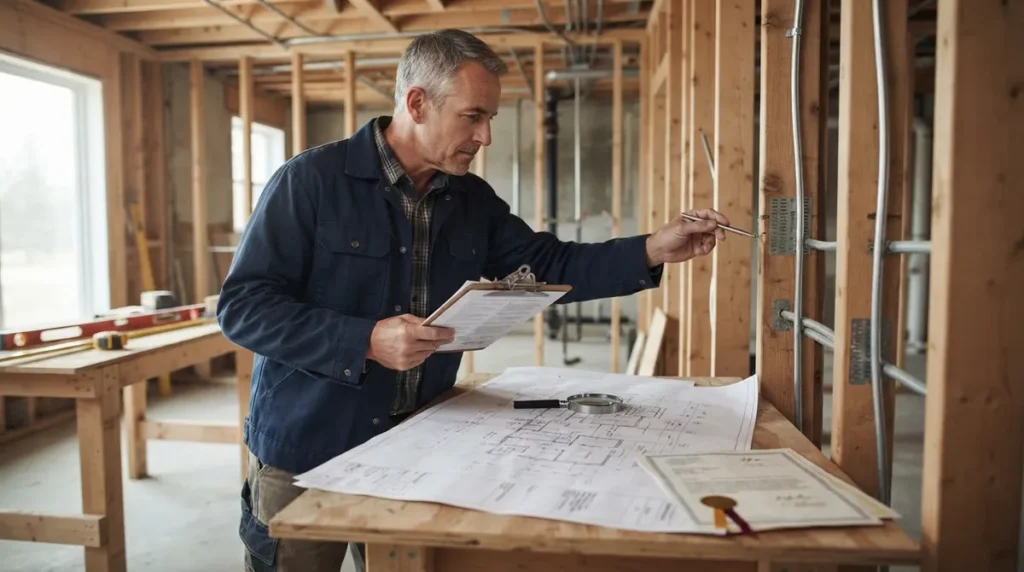
Understand that inspectors may require concealed work to be exposed for evaluation and that the ATF process typically takes multiple steps including documentation, plan review, revisions, and inspections.
-
Ask prospective firms specific questions about their local department contacts, previous similar projects in your area, and how they handle jurisdiction-specific submittal requirements before committing.
Let's be honest: finding out that work on your property was never permitted feels awful. Maybe a previous owner enclosed the patio. Maybe a contractor vanished before the final inspection. Maybe a buyer's inspector just flagged the addition you thought was fine. Whatever the story, you now need help, and you probably typed "best statewide after the fact permit firm in florida" into a search bar hoping someone would just hand you a name.
Here's the friendly truth: there is no official statewide ranking of the best after-the-fact (ATF) permit firm in Florida. What you can do is avoid the mistakes that turn a fixable problem into an expensive one. In 2026, homeowners, general contractors, solar companies, and real estate pros are all dealing with legalization work, and the smartest ones pick their partner carefully.
In this guide, we'll walk through four common mistakes people make when choosing a statewide ATF permit firm, plus what to look for instead. We'll also cover how the ATF process actually works, so you can spot a firm that knows its stuff. Let's get you unstuck.
What an After-the-Fact Permit Actually Is
An after-the-fact permit is a permit application for work that's already finished but was done without the required authorization. Florida Statutes §553.79 generally requires a permit before covered building work begins, and the local or state enforcing agency issues that permit. When the work happened first, the ATF process is how owners try to bring it into compliance.
The key thing to understand is that an ATF permit is not a blanket statewide approval. Florida has statewide building-code requirements, but the building department with jurisdiction over your property handles the application, fees, inspections, and enforcement. That's why a "statewide" firm is really a firm that can navigate many local departments well.
Not sure who actually controls your project? Our building department lookup tool is a handy first stop, and our guide on which Florida jurisdiction reviews your project explains why city lines can be trickier than they look.
How the Typical ATF Process Works
The exact steps depend on your work and your jurisdiction, but most ATF projects follow a similar path:
- Confirm which building department has jurisdiction over the property.
- Document the existing conditions on site.
- Prepare as-built plans or other construction documents.
- Submit the application and pay the applicable fees.
- Work through plan review comments and revisions.
- Pass the required inspections, which may include exposing concealed work.
Knowing this roadmap helps you judge whether a firm is being realistic with you. If someone skips straight to promises, that's your first clue something's off.

Mistake #1: Believing Anyone Who Guarantees Approval
This is the big one. Some firms will promise that your unpermitted work will absolutely be legalized. It sounds comforting, but it isn't honest. Only the building authority can approve the work after reviewing it.
If work doesn't meet applicable requirements, the authority may require corrections, additional documentation, or in some cases removal before approval. A trustworthy firm will assess your situation first, explain the risks plainly, and tell you what's likely to be needed, without pretending to control the outcome.
Curious about the worst-case scenario? Our article on whether you'll really have to demolish unpermitted work gives a calm, realistic look at what can happen. And if you want a broader picture of the process, how to legalize unpermitted work in Florida is a great companion read.
Red Flags vs. Green Flags
| Red Flag | Green Flag |
|---|---|
| "We guarantee approval" | "We'll assess compliance and explain the risks" |
| Vague pricing with surprise add-ons | Clear scope, fees, and what's not included |
| No mention of inspections or exposed work | Explains that walls or ceilings may need opening |
| Slow or no communication | Fast, direct answers and status updates |
Mistake #2: Ignoring Local Jurisdiction Experience
A firm can be huge and still not know your county. Because application details, fees, inspections, and required documentation vary by jurisdiction, local know-how matters a lot. Seminole County, for example, publishes its own list of what does and doesn't need a permit, and every department has its own quirks.
When you're comparing firms, ask pointed questions:
- Have you filed ATF permits in my specific county and city?
- Which local reviewers or departments do you deal with most often?
- How do you handle jurisdictions with different submittal requirements?
- Can you point me to examples of similar projects?
A real statewide firm should have experience across many jurisdictions, not just one or two. That's exactly why 1 Contractor Solutions works across all 67 Florida counties and has filed in more than 400 municipalities. Whether your property is in Hillsborough County, Miami-Dade County, Orange County, or somewhere in between, the process starts with knowing who actually reviews your file.
For a broader look, see our county-by-county guide to Florida after-the-fact permitting.
Mistake #3: Skipping the Licensed Design Professionals
Here's where many DIY-minded owners and bargain firms stumble. Some ATF projects require drawings or certifications prepared by Florida-licensed architects or engineers. That might mean structural review of an addition, an electrical or mechanical evaluation, or an engineer letter for a specific component.
A qualified firm should identify which licensed professionals and disciplines your project needs instead of promising that every project can be legalized with a simple drawing. It also helps enormously when the drafting and engineering happen under one roof. If a reviewer flags something, the team can fix it right away instead of waiting for an outside consultant to call back.
Not every job needs everything. Here's a quick look at what different situations commonly involve:
| Situation | Documents Often Involved |
|---|---|
| Unpermitted patio enclosure or addition | As-built plans, structural engineering, site plan |
| Unpermitted electrical or plumbing work | MEP documentation, possible engineer review |
| Unpermitted roof or window work | Product approvals, engineer letter, inspections |
| Solar install done without a permit | Structural and electrical documentation |
To learn more about these deliverables, explore our pages on as-built drawings, structural engineering, and engineer letters. If you're wondering whether sealed plans are even required, this guide to sealed plans breaks it down.
Why In-House Engineering Matters
Think of it like a kitchen. When the cook and the food critic are in different buildings, every note takes a day to travel. When the engineer who signs and seals your drawings sits in the same department as the person answering reviewer comments, revisions happen faster and fewer things get lost in translation. That's the model 1 Contractor Solutions uses, with in-house drafting and our own engineer sealing the work.
Mistake #4: Choosing on Price Alone (or Ignoring Communication)
Everyone loves a good deal, and we get it. But no reliable statewide number exists for ATF permit fees or processing times, because they depend on the work and the local department. That means any firm quoting a suspiciously low flat price without knowing your project is guessing, or planning to add costs later.
What you want is transparency. A good firm explains what's included, what the building department will charge separately, and what could change the scope if inspectors find problems behind the walls. Our breakdown of after-the-fact permit costs in Florida can help you ask smarter questions.
Communication counts just as much as cost, especially when a closing date, a lender, or a code enforcement notice is ticking. Look for a firm that:
- Responds quickly, day or night
- Gives you one point of contact and clear status updates
- Tracks the application and handles every reviewer comment
- Explains next steps in plain English, not permit jargon
1 Contractor Solutions answers 24/7 and responds within 30 minutes, and se habla español. If you're up against a stop-work order or a stalled closing, our urgent permit rescue team steps in fast.
How to Compare Statewide ATF Permit Firms
Since no official ranking exists, build your own scorecard. Use this checklist when you talk to any firm, including us:
- Proven experience in your jurisdiction. Ask for examples in your county and city.
- Relevant Florida professional licenses. Confirm which architects or engineers are involved and who seals the drawings.
- Clear scope of services. Drafting, engineering, filing, tracking, revisions, and closeout should be spelled out.
- Transparent fees. Know what's the firm's fee versus the department's fees.
- Realistic explanation of risks and timelines. No guarantees, just honest expectations.
- Responsiveness. Test them: how fast do they answer your first question?
You can also check what past clients say. Read what our customers share on our reviews page, and visit us on Google — 1 Contractor Solutions to see feedback from real Florida property owners and contractors.
Who Benefits Most From a Statewide ATF Partner
Different people come to this problem from different directions, and a strong firm should feel useful to all of them:
- Homeowners and owner-builders: You inherited a mystery addition or hired a contractor who never pulled permits. You need someone patient who explains every step. See our page for homeowners.
- General contractors: You've got a client's unpermitted work, or your own job stalled at final. You need reliable filing and tracking. Check out our general contractor services.
- Solar companies: An install went in before the permit closed out, and now you need structural and electrical documentation. Learn about our solar contractor support.
- Realtors and investors: A permit issue is threatening the closing. You need fast research and a clear path. Our realtor and closing support is built for exactly that.
- Architects, designers, and trades: You'd rather outsource drafting and engineering than staff it. Our drafting-only service lets you keep your seal and your client.
What to Expect During the Inspection Stage
Here's the part people rarely hear about until they're standing in a half-opened ceiling. Inspectors may require concealed work to be exposed so they can evaluate structural, electrical, plumbing, or mechanical components. That can mean cutting a small opening in drywall, pulling back insulation, or exposing framing connections.
It's not fun, but it's normal, and a good firm will prepare you for it ahead of time. If deficiencies turn up, you may need corrections and additional documentation before approval. For a friendly walkthrough, read what happens during a Florida ATF site inspection.
Ready to Choose With Confidence?
Choosing an ATF permit partner doesn't have to feel like a gamble. Skip the firms that guarantee approval, insist on real local experience, make sure licensed professionals are part of the plan, and look past the lowest price to communication and transparency. Do that, and you'll dodge the four mistakes that trip up so many Florida property owners.
We're 1 Contractor Solutions, and we act as Florida's outsourced permitting department. We handle after-the-fact and expired permits, including the files other people decline, across all 67 counties. If you'd like to talk through your situation, get a free quote and let's map out your next steps together. You can also follow us on LinkedIn or follow us on Facebook for more Florida permitting tips.
For the statutory baseline behind all of this, you can review Florida Statutes §553.79 on Online Sunshine. And always confirm current requirements with the building department where your property is located, since rules and fees can vary. You've got this, and we're here to help.
FAQs
What is an after-the-fact permit in Florida?
It's a permit application for building work that was already completed without the required authorization. The building department with jurisdiction over your property reviews it, and approval isn't automatic. It depends on whether the work meets applicable requirements.
Can unpermitted work be legalized in Florida?
Often it can, but no one can promise that in advance. The authority may require as-built plans, exposed work for inspection, corrections, or even removal if something doesn't meet code. A good firm will assess your project honestly before you commit.
Do I need a Florida-licensed engineer or architect for an after-the-fact permit?
Some projects do, especially structural additions or work with electrical, plumbing, or mechanical components. A qualified firm will tell you which licensed professionals your project actually needs. Working with a team that has in-house drafting and engineering keeps things moving faster.
How much does an after-the-fact permit cost in Florida?
There's no reliable statewide average, because fees and timelines vary by jurisdiction and by the type of work involved. Ask any firm for a clear scope and confirm the department's own fees directly with your city or county. Transparent pricing is always a good sign.
How do I choose a Florida after-the-fact permit firm?
Compare firms on local jurisdiction experience, relevant Florida licenses, a clear scope of services, transparent fees, and fast communication. Be wary of anyone who guarantees approval. Honest explanations of risks and timelines are the best sign you're in good hands.
We do this work every day across all 67 Florida counties. Call (866) 314-6931 and we will tell you what your situation actually requires — including when you do not need us.
Related services
Permit Facilitation & Filing
You have a crew scheduled, a client asking for dates, and a permit sitting somewhere in a queue you cannot see. We file it, w…
See the servicePlan Review Coordination
A permit in plan review is not one queue. On a commercial project it can be six queues, each with its own reviewer, its own c…
See the serviceReady to get your permit moving?
One call tells you which jurisdiction controls your project, what it will take, and what it will cost. Most of the time we can scope it on the phone.