
Blog
14 Code Inspector After-the-Fact Permit Florida Mistakes
Facing a code inspector after unpermitted work in Florida? Learn 14 common mistakes to avoid and how to move forward with confidence in 2026.
Key Takeaways
-
Respond promptly to any inspector notice or code-enforcement letter, even if only to say you're working on a plan; silence can lead to added penalties and a formal enforcement case.
-
Applying for an after-the-fact permit starts a review and is not an approval; the local building official decides, and may require corrections, extra documents, or removal of non-compliant work.
-
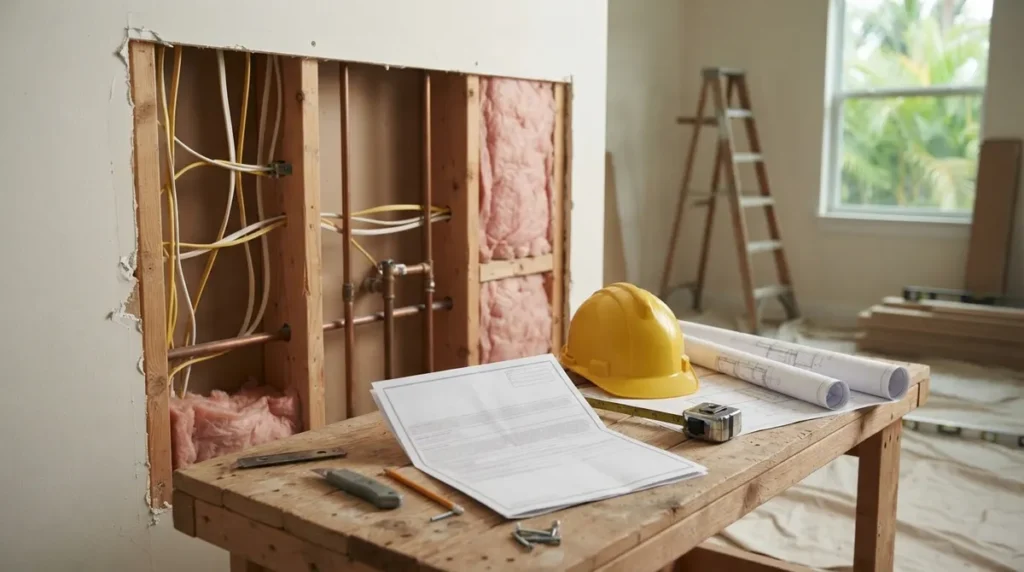
Do not paint over, close up, or conceal unpermitted work before an inspector returns, since inspectors may then require you to expose it anyway.
-
Confirm which jurisdiction (city or county) controls your address and list every trade involved, since electrical, plumbing, mechanical, and structural work may each need separate reviews.
-
Plan for possible wall openings, testing, or an engineer letter, and expect full review rather than walk-through service, as some departments like Fort Lauderdale exclude these cases.
Picture this: you're standing in your driveway, coffee in hand, when a code inspector pulls up and starts taking photos of the deck you built last spring. Your stomach drops. Maybe you forgot the permit. Maybe a previous owner skipped it, or a contractor swore it was handled. Whatever the reason, you're now facing the world of the code inspector after the fact permit Florida process, and the good news is that you're not alone, and it's very often fixable.
Here's the catch: the way you respond in the first few days can make the whole thing smooth or painful. Under Florida Statutes §553.79, covered work generally needs a permit before it begins. When it doesn't get one, your local building department decides how to review it. This guide walks through 14 common mistakes people make when an inspector gets involved, so you can sidestep them and get your project legal with less stress. Let's dive in!
What an After-the-Fact Permit Really Is
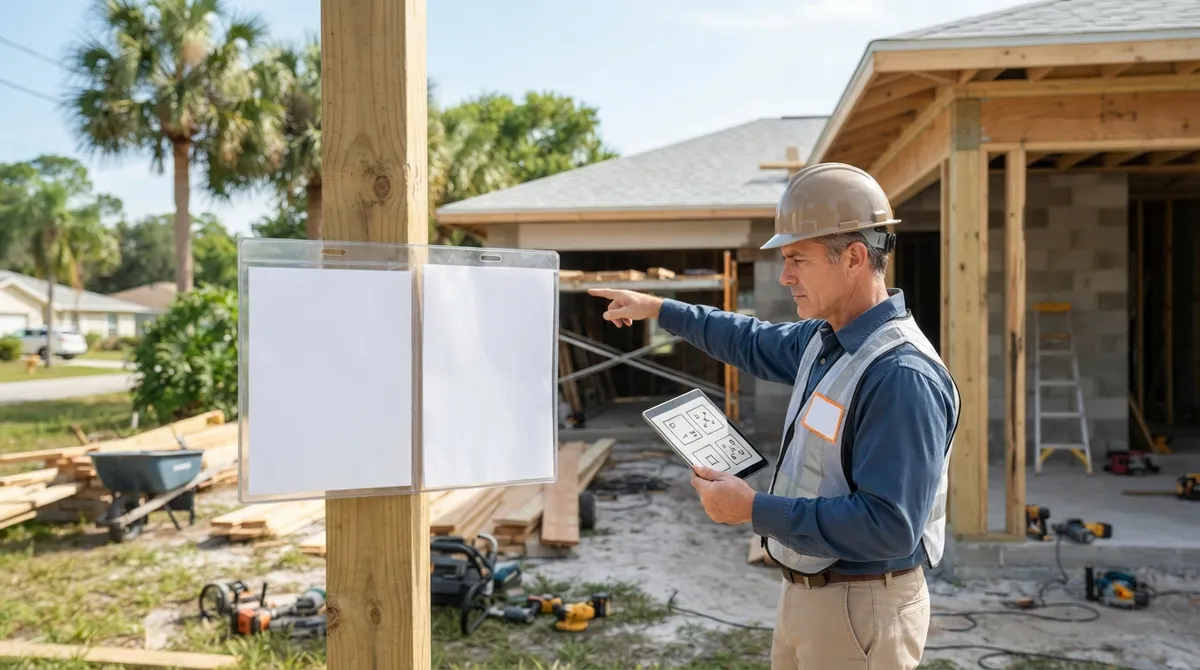
An after-the-fact permit is a local building-department process for reviewing work that began or finished without a required permit. It does not automatically legalize the work. The department checks what you built against the Florida Building Code and any local amendments, then decides what comes next.
The decision-maker is always the local enforcing agency. A private consultant can prepare and coordinate your application, but only the building official approves it. Requirements vary by city and county, which is why a one-size-fits-all answer rarely works in Florida.
If you want a deeper walkthrough of the basics, our guide on how to get an after-the-fact permit in Florida is a great companion read.
The 14 Mistakes to Avoid
1. Ignoring the Notice or Inspector Visit
It's tempting to hope the problem fades away. It won't. Notices usually carry deadlines, and silence can lead to a code-enforcement case with added penalties. Respond promptly, even if you only say, "I'm working on a plan." If you've received paperwork, our article on what to do with a Florida code enforcement notice can help you take the first steps calmly.
2. Assuming the Work Is Automatically Legal Once You Apply
Applying starts a review. It is not an approval. The building department may require corrections, extra documentation, or even removal of non-compliant work. Treat the application as the beginning of a conversation with the jurisdiction, not the finish line.
3. Hiding or Covering Evidence
Painting over, closing walls, or tidying up before an inspector returns usually backfires. Concealed work can't be inspected, so an inspector may ask you to expose it anyway. Honesty keeps the scope smaller and the relationship friendlier.
4. Guessing Which Jurisdiction Controls Your Property
Near city lines, it's genuinely confusing whether the city or county handles your address. Filing in the wrong place wastes weeks. Use our building department lookup to confirm who actually has authority over your project.
5. Skipping Trade-Specific Permits
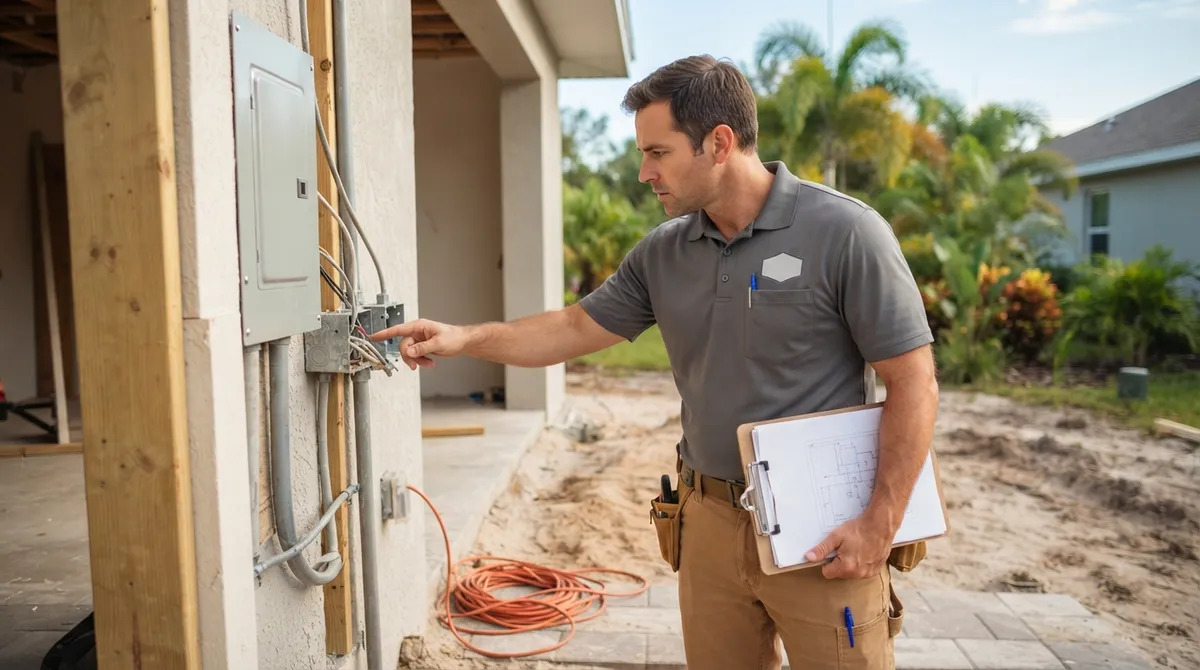
Structural, electrical, plumbing, mechanical, and roofing work may each need separate reviews or permits. A bathroom remodel might touch three trades. If you only legalize one piece, the inspector will notice the others. Always list every trade involved at the start.
6. Submitting Sloppy or Missing As-Built Drawings
Reviewers need clear information about what exists today. Vague sketches lead to correction notices and delays. Accurate as-built drawings show dimensions, materials, and connections so the reviewer can compare them to code.
7. Forgetting Product Approvals
Windows, doors, roofing materials, and shutters often need Florida product approvals. If the installed product can't be documented, expect questions. Gather labels, invoices, and installation details early.
8. Underestimating the Fees
Local governments may charge ordinary permit and inspection fees, and some add extra fees or penalties for work started without a permit. No statewide after-the-fact fee amount exists, so you must confirm current schedules with the relevant department. Our after-the-fact permit cost guide explains what drives the totals.
9. Refusing to Open Walls When Asked
Inspectors can't verify what they can't see. They may require sections of wall, ceiling, or flooring to be opened, tested, or backed by documentation from a Florida-licensed design professional. Resisting only drags the process out. Planning for a small inspection opening is far cheaper than a failed review.
10. Skipping the Engineer When One Is Needed
Structural additions, trusses, load paths, and similar elements may require an engineer's evaluation. A sealed letter or drawing can bridge the gap when documents are missing. Learn more about engineer letters and how they support a permit package.
11. Assuming a Walk-Through Counter Will Handle It
Many departments treat these cases as full reviews. Fort Lauderdale, for example, states that permits requiring after-the-fact building-code review are not eligible for walk-through service. Budget extra time, and don't plan on a same-day approval.
12. Letting Your Old Contractor's Permit Stay Open or Expired
Sometimes a permit was pulled but never closed. That's a different problem than having no permit at all. Check for open or expired records using the open permit search, and read about after-the-fact and expired permits to understand your options.
13. Waiting Until Closing Day to Deal With It
Realtors and buyers know this one well: an open or unpermitted item discovered late can stall a sale. Deal with it early so you have time to complete reviews and inspections. If a closing is on the line, see our guide to clearing a permit hold before closing.
14. Believing a Permitting Service Can Guarantee Approval
Be wary of anyone promising certainty. A permitting service can identify the right authority, assemble the application, coordinate licensed professionals, and track reviews. It cannot guarantee approval or replace required licensing, engineering, or the building official's decision.
How the Process Typically Unfolds
Every county has its own flavor, but most after-the-fact journeys follow a similar path. Here's a simple roadmap:
- Confirm the jurisdiction that controls your address.
- Identify every trade and element involved in the unpermitted work.
- Gather documents such as photos, invoices, product approvals, and existing plans.
- Prepare as-built plans and, where required, engineering from a Florida-licensed professional.
- Submit the application and pay applicable fees.
- Respond to reviewer comments with revisions as needed.
- Schedule inspections, including any exposure or testing the inspector requests.
- Close the permit and, if applicable, obtain final approvals.
Documents You'll Commonly Need
Requirements differ, but this table shows what building departments often ask for:
| Document | Why It Matters | Who Usually Provides It |
|---|---|---|
| Permit application | Starts the formal review | Owner, contractor, or permitting service |
| As-built plans | Shows what was actually built | Drafter or design professional |
| Site plan or survey | Confirms setbacks and placement | Surveyor or drafter |
| Product approvals | Verifies windows, doors, roofing materials | Manufacturer or installer |
| Engineer letter or sealed drawings | Documents structural or concealed elements | Florida-licensed engineer |
| Trade documents | Supports electrical, plumbing, and mechanical review | Licensed trade contractors |
What Different Readers Should Watch For
Your role changes your priorities, so here's a quick comparison:
| Reader | Biggest Risk | Smart First Move |
|---|---|---|
| Homeowners | Panicking or ignoring a notice | Confirm jurisdiction and gather photos |
| General contractors | Liability for work done without permits | Document the scope and coordinate trades |
| Solar companies | Installed systems lacking structural or electrical documentation | Assemble engineering and equipment specs early |
| Realtors and investors | Closing delays from hidden unpermitted work | Research permit history before contract deadlines |
| Architects and designers | Incomplete as-built information | Verify field conditions before drafting |
Why Inspectors Ask for So Much
It can feel like inspectors are being difficult, but they're really trying to answer one question: is this safe and code-compliant? Because they didn't see the work as it was built, they rely on documentation, testing, and sometimes exposure to fill in the gaps.
Under Florida law, plans and specifications are generally reviewed for code compliance before a permit issues. After-the-fact reviews simply apply that principle to work that already exists. The more clearly you document what's there, the smoother the conversation becomes.
Think of it like proving your homework: show your work, and the teacher can grade it. Leave out the steps, and you'll get follow-up questions.
Getting Help Without Losing Control
You don't have to navigate this maze alone. At 1 Contractor Solutions, we act as an outsourced permitting department across all 67 Florida counties. We help identify the right jurisdiction, prepare drawings with our in-house drafting and engineering team, file the application, track reviews, and work through reviewer comments. We can't approve your permit, since only the building official can, but we can make the path much clearer.
Services that often come into play include permit facilitation and filing, code compliance and violation help, and structural engineering. If time is tight, our urgent permit rescue team steps in for denials, stop work orders, and held-up closings.
Want to see how other clients feel about working with us? You can read feedback and visit us on Google — 1 Contractor Solutions. You can also follow us on LinkedIn or follow us on Facebook for permitting tips and updates.
Quick Tips to Stay on Track
- Respond to every notice, even if you're still gathering information.
- Take dated photos of the work from several angles.
- Keep invoices, product labels, and contractor details in one folder.
- Ask the building department which review path applies to your case.
- Confirm current fee schedules directly with the jurisdiction.
- Budget time for possible inspections, openings, or corrections.
Final Thoughts
Dealing with a code inspector after the fact is stressful, but it's rarely the end of the world. Most issues come down to understanding which jurisdiction applies, documenting the work clearly, and responding with patience and honesty. Avoid the 14 mistakes above, and you'll be miles ahead.
Ready to turn a stressful situation into a clear plan? We'd love to help you map out the next step, so get a free quote from our friendly Florida permitting team today.
FAQs
What happens if a code inspector finds unpermitted work in Florida?
Usually you'll receive a notice explaining what was found and a deadline to respond. From there, the local building department decides whether an after-the-fact permit, corrections, or removal is needed. Responding quickly and honestly almost always makes things smoother.
Can I get a permit after construction is already complete?
In many Florida jurisdictions, yes, through an after-the-fact permit process. It doesn't automatically legalize the work, though, because the building department still reviews it against the Florida Building Code. Procedures and requirements vary by city and county, so check with your local department.
Will an inspector make me open walls or remove finished work?
Possibly. If concealed work can't be inspected, the inspector may require sections to be exposed, tested, or backed by documentation from a Florida-licensed design professional. The exact scope depends on your jurisdiction and project conditions.
How much does an after-the-fact permit cost in Florida?
There's no single statewide amount. Local governments may charge ordinary permit and inspection fees, and some add extra fees or penalties for work started without a permit. Always confirm the current fee schedule with your building department.
Can a Florida permitting service apply for an after-the-fact permit for me?
A permitting service can help identify the right jurisdiction, assemble the application and as-built plans, coordinate licensed professionals, and track reviews. It cannot guarantee approval, since only the local building official makes that decision. Having an experienced team in your corner just makes the process far less overwhelming.
We do this work every day across all 67 Florida counties. Call (866) 314-6931 and we will tell you what your situation actually requires — including when you do not need us.
Related services
Permit Facilitation & Filing
You have a crew scheduled, a client asking for dates, and a permit sitting somewhere in a queue you cannot see. We file it, w…
See the servicePlan Review Coordination
A permit in plan review is not one queue. On a commercial project it can be six queues, each with its own reviewer, its own c…
See the serviceReady to get your permit moving?
One call tells you which jurisdiction controls your project, what it will take, and what it will cost. Most of the time we can scope it on the phone.