
Blog
11 Homeowner After-the-Fact Permit Florida Steps
Learn the 11 steps Florida homeowners need to legalize unpermitted work through the after-the-fact permit process in 2026.
Key Takeaways
-
Florida has no single 'after-the-fact permit' form; you apply for the original permit type and disclose the work already happened, with requirements varying significantly by city or county jurisdiction.
-
Expect to pay 25-100% surcharges above standard permit fees under Florida Building Code section 109.4, plus potential costs of $3,000-$10,000+ for sealed as-built drawings if structural, electrical, or plumbing work is involved.
-
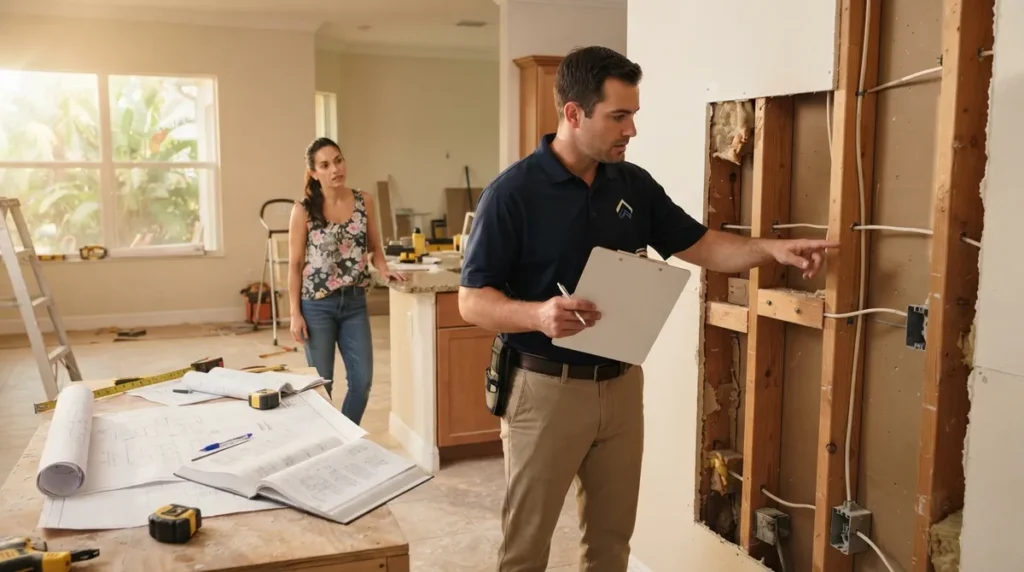
Inspectors may require opening walls, ceilings, and finished surfaces to visually verify framing, wiring, and structural compliance; documentation alone often won't satisfy inspection requirements.
-
Current property owners are legally responsible for resolving unpermitted work regardless of who performed it, making permit-history searches critical before purchasing or listing property.
-
Stop any ongoing unpermitted work immediately, as continuing construction without a permit triggers additional fines under Florida Statutes §489.127 while resolving prior violations.
-
Structural changes, load-bearing modifications, and foundation work require sealed documentation from licensed engineers or architects; consulting your local building department early clarifies exactly what documents and inspection sequences apply.
So you just found out that the sunroom, pool deck, or garage conversion on your Florida property was never actually permitted. Take a breath. You are not alone, and you are definitely not in trouble beyond repair. Every year, countless Florida homeowners discover unpermitted work, whether they built it themselves years ago, inherited it from a previous owner, or found it during a home inspection right before closing. The good news? Florida has a path forward, and understanding a homeowner after the fact permit florida process can turn a stressful situation into a manageable checklist.
This guide walks through exactly what to expect, in plain, friendly language, whether you are a first-time homeowner, a real estate professional helping a client, or a contractor trying to get a project unstuck. We will cover the steps, the costs, the paperwork, and the questions everyone asks before they even pick up the phone. And if at any point this feels like a lot, remember that 1 Contractor Solutions handles this exact process across all 67 Florida counties every single day. You do not have to figure it out alone.
What Is an After-the-Fact Permit, Really?
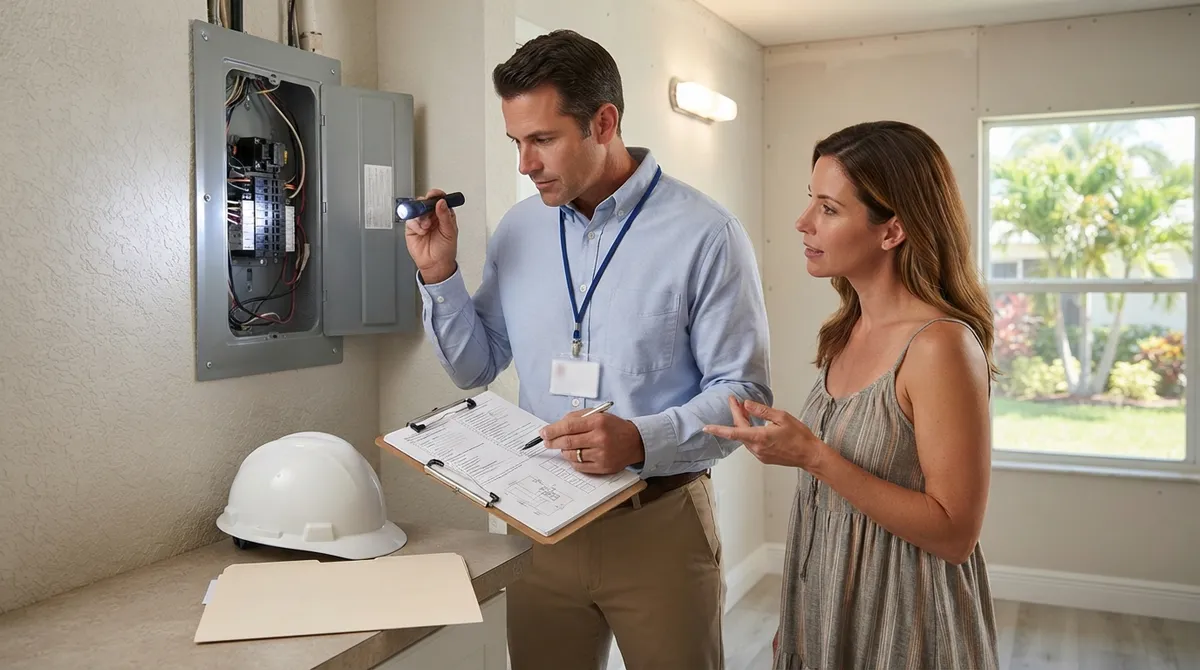
Here is something that surprises a lot of homeowners: Florida does not actually have one special "after-the-fact permit" form that you fill out. Instead, you apply for the same permit that should have been pulled originally, and you simply disclose that the work already happened. Florida Statutes §553.79(1)(a) requires a permit before construction, alteration, repair, modification, or demolition begins, unless a specific exemption applies. When that step gets skipped, the local building department steps in to figure out how to bring the work into compliance retroactively.
Because there is no single statewide form or fee schedule, your experience will depend heavily on your city or county. A homeowner in Tampa will follow a different process than one in St. Petersburg or Bradenton. That is exactly why confirming jurisdiction first is step one on our list below.

11 Steps to Handle a Homeowner After the Fact Permit in Florida
1. Stop Any Ongoing Unpermitted Work Immediately
If work is still in progress, pause it right away. Continuing construction without a permit while you are trying to resolve a prior violation only adds fuel to the fire, and it can trigger additional fines under Florida Statutes §489.127, which separately prohibits performing permit-required work before a permit is effective.
2. Identify the Correct Jurisdiction
This sounds simple, but it trips people up constantly, especially in areas near city lines. Your property might sit inside city limits, or it might technically fall under county authority even though your mailing address says otherwise. Tools like our building department lookup and open permit search can save you hours of frustration here.
3. Pull the Property's Full Permit History
Before you apply for anything, find out what permits already exist, which ones are open, and which ones expired without final inspection. This step matters enormously for real estate professionals too, since undisclosed unpermitted work can delay or kill a closing.
4. Document Existing Conditions Thoroughly
Take photos, measurements, and notes on everything visible. If electrical, plumbing, or structural elements are concealed behind drywall, be prepared for the possibility that inspectors will ask for access panels or limited demolition to verify code compliance.
5. Consult the Local Building Department Early
Every jurisdiction handles retroactive permitting a little differently. Calling ahead, or better yet, having a permitting professional call on your behalf, helps you understand exactly what documents, fees, and inspection sequences will apply to your specific project.
6. Gather or Create As-Built Drawings
For anything structural, electrical, mechanical, or plumbing related, you will likely need as-built drawings that reflect what was actually constructed. If the original work was complex or concealed, sealed engineering documentation becomes essential.
7. Determine Whether You Need an Engineer or Architect
Florida Building Code section 109.4 allows enforcing agencies to charge additional fees for work started without a permit, but it does not waive the requirement that the finished work meet current code. Structural changes, load-bearing modifications, and anything involving foundations typically require a licensed professional's seal. Our in-house structural engineering and engineer letters teams handle this piece daily.
8. Prepare and Submit the Permit Application
Your submission package generally includes a completed application, detailed scope of work, site or floor plans, photographs, contractor information (if applicable), and any required engineering documents. Missing paperwork is one of the most common reasons applications get bounced back, so accuracy here saves weeks.
9. Budget for Additional Fees
Because Florida Building Code section 109.4 permits an added fee for work performed before permit issuance, expect to pay more than a standard permit fee. Published industry estimates suggest surcharges commonly range from 25% to 100% above base fees, or sometimes a multiple of the standard rate, but this varies by jurisdiction, so always confirm with your local building department rather than assuming a flat statewide number.
10. Prepare for Inspection, Including Possible Opening of Finished Areas
This is the step that catches many homeowners off guard. Inspectors may require walls, ceilings, or other finished surfaces to be opened so they can visually confirm framing, wiring, plumbing, and structural connections. Photographs and professional certifications sometimes help, but acceptance is entirely jurisdiction-specific, so do not assume documentation alone will satisfy every inspector.
11. Correct Deficiencies and Complete Final Approval
If the work fails inspection, you may need to make repairs, obtain sealed plans, expose additional concealed areas, or in rare cases remove and rebuild noncompliant construction. Approval is not automatic just because the work already physically exists. Once corrections are made and inspections pass, you will receive final sign-off, closing out the violation for good.
Typical Costs Homeowners Should Expect
Costs vary widely depending on scope, jurisdiction, and whether concealed work needs to be exposed. Here is a general breakdown based on published industry estimates:
| Cost Category | Typical Range | Notes |
|---|---|---|
| Standard permit fee | Varies by jurisdiction | Set locally, based on project valuation |
| After-the-fact surcharge | 25%–100% above base fee (varies) | Authorized under FBC 109.4; not statewide flat rate |
| Sealed as-built drawings/engineering | $3,000–$10,000+ | Depends on complexity and concealed conditions |
| Corrective construction | Project-specific | Only if inspection fails or code violations exist |
Who Ends Up Responsible for Unpermitted Work?
Here is a fact that surprises many buyers: the current property owner is typically responsible for resolving unpermitted work, even if a previous owner or their contractor did the original construction. That is why a permit-history search and open-violation review before purchasing (or listing) a property is so important. Real estate professionals working in Miami-Dade, Broward, or Lee County increasingly build this check into their standard due diligence process.
Quick Comparison: DIY vs. Professional Help
| Approach | Pros | Cons |
|---|---|---|
| Handling it yourself | No service fees; full control | Time-consuming; risk of rejected applications; unfamiliar with local nuances |
| Hiring a permitting professional | Faster turnaround; sealed drawings in-house; jurisdiction expertise | Service fee (often offset by fewer resubmittals and delays) |
Why Professional Support Makes Such a Difference
Every county, and often every city within that county, has its own quirks when it comes to retroactive permitting. What works in Clearwater might not fly in Orlando. That is where a dedicated permitting partner becomes invaluable, especially one with in-house sealed drawings and a licensed private provider status that can perform plan review without waiting in a county queue.
1 Contractor Solutions handles after-the-fact and expired permits as a core specialty, taking on files that other firms sometimes decline. Whether you need plan review coordination, code compliance violation help, or full plans and engineering support, having one team manage the entire process reduces back-and-forth and keeps your project moving toward a Certificate of Occupancy or closed-out violation.
Homeowners, realtors, and contractors across all 67 Florida counties rely on this kind of coordinated approach because it simply saves time. If you are curious what other homeowners and clients have experienced, you can visit us on Google — 1 Contractor Solutions to see feedback firsthand, or explore our reviews page for more detail.
A Note for Real Estate Professionals and Buyers
If you are helping a client close on a property with unpermitted work, timing matters enormously. An open violation discovered during due diligence can delay closing for weeks, particularly if lenders or title companies flag it. Our realtor and closing support service exists specifically to move these situations forward quickly, coordinating directly with local building departments so your transaction stays on schedule.
A Note for General Contractors and Solar Companies
Contractors managing multiple projects across counties, and solar companies needing fast, code-compliant structural and electrical documentation, face a slightly different challenge: volume and consistency. Having a dedicated general contractor or solar contractor permitting partner means fewer surprises when unpermitted or expired work surfaces mid-project, and faster resolution when it does.
For further reading on Florida's permitting framework, the Florida Building Commission's official resource outlines statewide code requirements, and the Florida Senate's statutory text for §553.79 provides the legal foundation referenced throughout this article. You can also stay connected with permitting updates and homeowner tips by following us on LinkedIn or checking in on Facebook.
Bringing It All Together
Dealing with unpermitted work in Florida does not have to feel like an uphill battle. Once you understand the process, from confirming jurisdiction to preparing as-built drawings to budgeting for possible surcharges, the path forward becomes a lot clearer. Yes, it takes patience, paperwork, and sometimes a little demolition to verify what is behind the walls, but thousands of Florida homeowners successfully legalize their properties every year.
If you would rather hand this off to people who do it every single day, our team at 1 Contractor Solutions is ready to help homeowners, realtors, contractors, and solar companies across the state. Ready to get started? Request your free quote today, and let's get your Florida property fully permitted and worry-free.
FAQs
Can a homeowner get an after-the-fact permit in Florida?
Yes, in most cases you can! You will apply for the same permit that should have been obtained originally and disclose that the work is already done. The exact requirements depend on your local building department, so it is always worth checking in before you start gathering paperwork.
How much does an after-the-fact permit cost in Florida?
It really depends on where your property sits, but expect to pay more than a standard permit fee since Florida Building Code section 109.4 allows local departments to charge extra for work started without a permit. Some jurisdictions add 25% to 100% on top of base fees, so it's smart to confirm the exact number with your local office.
Will Florida require me to open walls for an after-the-fact inspection?
It's definitely possible! Inspectors sometimes need to physically see framing, wiring, or plumbing behind finished surfaces to confirm everything meets code. Photos and professional documentation can help in some cases, but every jurisdiction handles this a little differently.
Can I sell a Florida home with unpermitted work?
You can, but it often complicates things at closing, especially if a lender or title company flags it during due diligence. Many sellers choose to resolve the permit issue beforehand so the sale moves smoothly without last-minute surprises.
Do I need an engineer or architect for an after-the-fact permit in Florida?
If the work involves anything structural, electrical, mechanical, or plumbing, there's a good chance you'll need sealed drawings from a licensed professional. It genuinely depends on the scope of the project, but having an engineer involved early tends to make the whole process go much more smoothly.
We do this work every day across all 67 Florida counties. Call (866) 314-6931 and we will tell you what your situation actually requires — including when you do not need us.
Related services
Permit Facilitation & Filing
You have a crew scheduled, a client asking for dates, and a permit sitting somewhere in a queue you cannot see. We file it, w…
See the servicePlan Review Coordination
A permit in plan review is not one queue. On a commercial project it can be six queues, each with its own reviewer, its own c…
See the serviceReady to get your permit moving?
One call tells you which jurisdiction controls your project, what it will take, and what it will cost. Most of the time we can scope it on the phone.