
Blog
What Is an After-the-Fact Structural Letter in Florida?
Learn what an after-the-fact structural letter in Florida is, what it includes, when you need one, and how it fits into the permitting process.
Key Takeaways
-
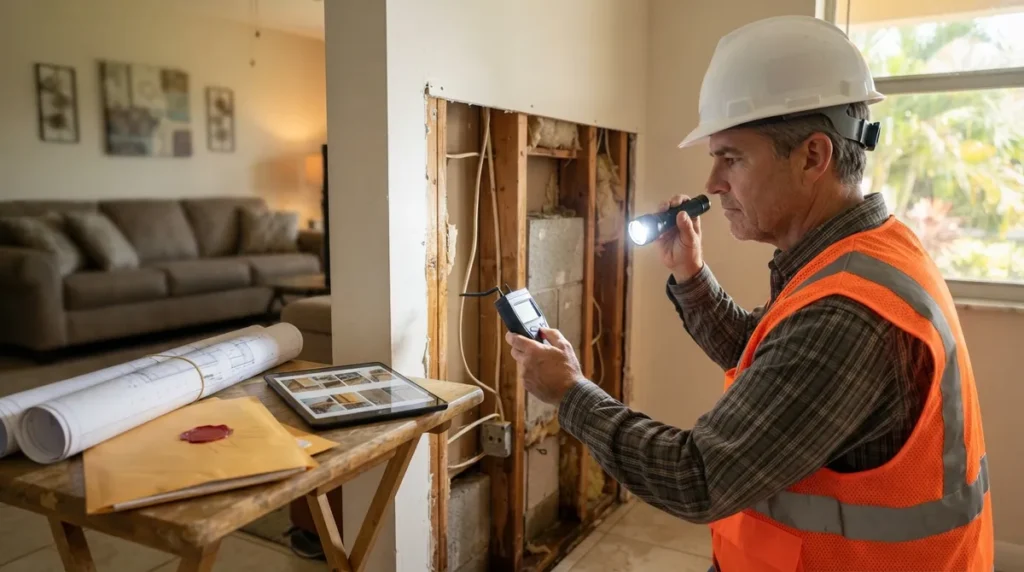
An after-the-fact structural letter is a signed-and-sealed evaluation by a Florida-licensed PE; it supports a permit application but is not a permit and does not guarantee approval.
-
Always ask your local building department what documentation it accepts before hiring an engineer, since requirements vary by jurisdiction and some may reject a letter alone.
-
A strong letter specifies what was examined, verification methods (photos, measurements, testing, exploratory openings), applicable code criteria, and a clear professional conclusion.
-
Acceptance is discretionary: the building official may require removing finishes, selective demolition, testing, additional inspections, or corrective work.
-
Letters typically arrive as part of a larger package including the after-the-fact permit application, as-built drawings if required, and completed inspections.
-
Costs have no statewide price; they depend on scope, accessibility, testing or openings, local requirements, and separate permit fees and penalties, so get current quotes.
Picture this: you're about to sell your home, refinance, or close out a remodel, and the building department tells you the work was never permitted. Or worse, the framing was covered up before anyone came out to inspect it. Your stomach drops. Now what?
Take a breath. This happens to Florida homeowners, contractors, and investors far more often than you'd think, and there is a well-worn path through it. One of the most useful tools on that path is the after the fact structural letter in Florida: a signed-and-sealed evaluation from a Florida-licensed Professional Engineer that documents what was built and whether it holds up structurally.
In this friendly guide, we'll walk through what the letter is, what it can (and can't) do, what a good one includes, and how it fits into the bigger after-the-fact permitting picture. We'll keep it practical and jargon-light so you can walk into your next conversation with the building department feeling prepared.
What Exactly Is an After-the-Fact Structural Letter?
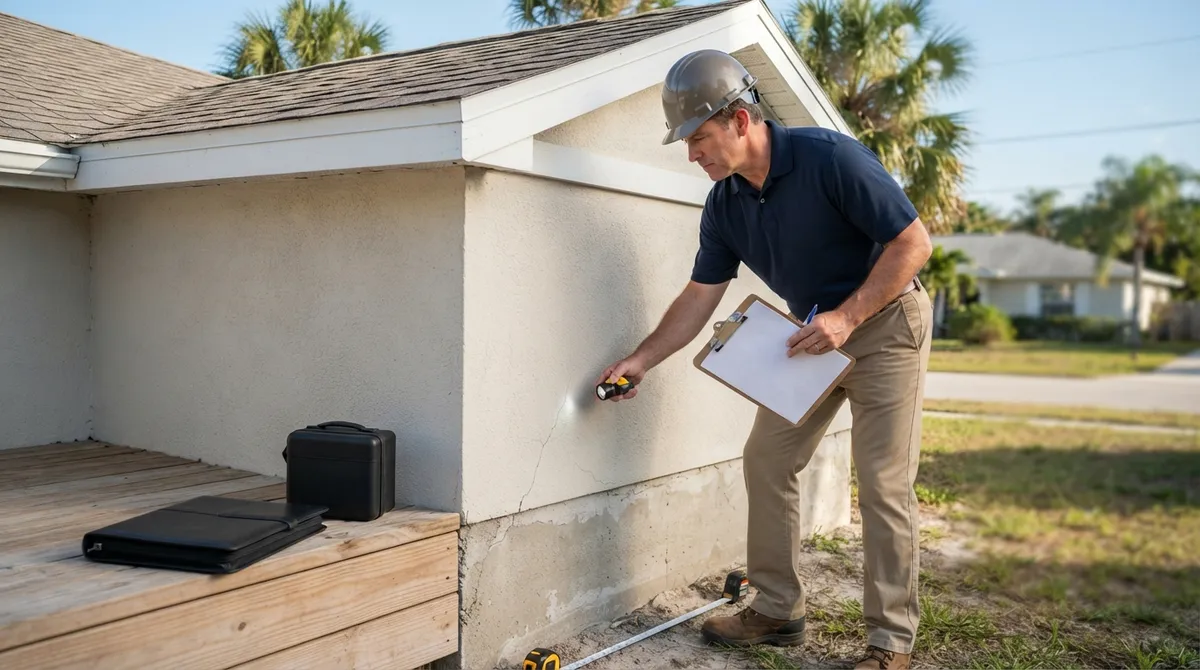
An after-the-fact structural letter is a written evaluation by a Florida-licensed Professional Engineer (PE) of structural work that has already been completed. Usually, that work was done without a permit, or it was covered before a required inspection took place.
The engineer visits the property, examines what can be examined, and then states a professional conclusion about the structural elements involved. Think framing, connections, load-bearing changes, headers, posts, trusses, or other structural components.
Here's the part worth remembering: the letter supports your permit record, but it is not a permit. It's evidence. It helps the local building official understand what was built and whether it appears to meet code-based structural criteria.
What the letter is not
- Not a permit. It doesn't authorize anything by itself.
- Not a guarantee. The building official decides whether it's sufficient.
- Not a shortcut around inspections. You may still need an after-the-fact permit, as-built plans, and inspections.
- Not a generic "looks fine" note. A useful letter is specific about what was examined and how.
Why Florida Requires Permits in the First Place
Florida Statutes §553.79 is the statewide reference point for building-permit requirements. In general, construction, alteration, repair, and demolition that fall within the statute's scope need a permit. The local building department with jurisdiction handles the application process and decides what documentation it wants to see.
That last part matters. There is no single statewide checklist for after-the-fact work. A city like Cape Coral may publish detailed engineer-letter guidelines, while another jurisdiction may handle the same situation differently. Always ask the local department what it will accept before you commission anything.
When Do You Actually Need a Structural Letter?
A structural letter is most relevant when the structural work is hidden or an inspection was skipped. Here are common scenarios we see across Florida:
- Covered framing: Drywall, siding, or roofing went up before the framing inspection happened.
- Load-bearing wall removal: An open-concept remodel with no engineered beam on record.
- Additions and enclosures: Lanais, garage conversions, or patio enclosures built without plans.
- Roof structure changes: Re-framing, truss modifications, or added loads like solar panels.
- Closing or financing hurdles: A buyer, lender, or insurer asks for proof the work is sound.
If your situation involves a previous owner's unfinished or unpermitted work, our guide on what to do if a prior owner skipped permits in Florida is a helpful companion read.
What a Good Structural Letter Includes
Not all letters are created equal. A building official can reject a thin, vague one. A strong letter reads like a clear technical record. It typically identifies:
- The property and permit or application. Address, parcel details, and any permit or application number.
- The unpermitted work or missed inspection. A clear description of what was built and what wasn't inspected.
- The engineer's site-visit date. When the evaluation actually happened.
- Items examined. Specific members, connections, and locations, not a general statement.
- Verification methods. Photographs, measurements, testing, non-destructive investigation, or exploratory openings.
- Applicable code and design criteria. The standards used for the evaluation.
- A clear professional conclusion. Signed and sealed by a Florida PE.
Cape Coral's published engineer-letter guidance follows a similar pattern, calling for a Florida PE, a signed-and-sealed letter, and detailed project and inspection information. Other jurisdictions will have their own preferences, which is why checking locally first saves time and money.
How Does an Engineer Verify Hidden Work?
An engineer can only responsibly certify what can be evaluated. That's not a loophole. It's professional integrity, and it protects you too.
Depending on the work and local direction, verification may involve:
- Reviewing existing records, receipts, and dated photographs
- Taking field measurements of members, spacing, and spans
- Using non-destructive investigation methods where appropriate
- Testing certain materials or connections
- Making small exploratory openings to expose concealed framing
Yes, sometimes that means cutting a little drywall. It's a small price compared with the alternative of pulling out finished work. If you're curious how this works in practice, see our walkthrough on handling covered work that missed inspection in Florida.
Letter vs. Permit vs. Inspection: What Does Each Do?
| Item | What It Does | Replaces a Permit? | Who Decides Acceptance |
|---|---|---|---|
| After-the-fact structural letter | Documents and evaluates completed structural work | No | Building official |
| After-the-fact permit | Brings the work into the official permit record | It is the permit | Local building department |
| As-built drawings | Show what was actually built | No | Plan reviewer |
| Required inspections | Verify code compliance in the field | No | Inspector |
In other words, the letter usually plays a supporting role in a larger package. Learn more about that package in our guide on after-the-fact permit applications in Florida.
The Honest Truth: Acceptance Isn't Guaranteed
We like to be upfront with everyone we work with. A structural letter does not legalize work by itself, and acceptance is discretionary. Cape Coral's guidance, for example, makes clear that a letter may be considered when required work was concealed, but the building official may reject it.
If that happens, the official may require one or more of the following:
- Removal of finishes to expose the work
- Selective demolition
- Testing
- Additional inspections
- Corrective work to bring the structure into compliance
The building official, not the engineer and not a permit expediter, decides whether the evidence is sufficient. Acceptance of a letter also doesn't waive enforcement authority or relieve owners and contractors of responsibility for compliance. Knowing this up front helps you plan a realistic budget and timeline.
Step-by-Step: How the Process Usually Works
Every jurisdiction differs, but here's a typical roadmap for getting a structural letter and moving toward an after-the-fact permit:
- Confirm the jurisdiction. City lines can be tricky. Use our building department lookup tool to see who actually controls your address.
- Check for open permits or violations. Our open permit search can reveal what's already on record.
- Ask what the department will accept. Does it want a letter alone, as-built plans, or exposure of the work?
- Gather what you have. Photos, receipts, contractor information, and any older plans.
- Schedule the engineer's site visit. The engineer examines, measures, and documents.
- Prepare the permit package. Application, as-built drawings if required, and the sealed letter.
- Submit, respond to comments, and complete inspections. Then close out the permit.
For a broader view of the legalization journey, check out how to legalize unpermitted work in Florida.
What Does It Cost?
Everyone asks, and we wish we could hand you a single number. The truth is that no authoritative statewide price exists for an after-the-fact structural letter. Costs depend on the scope of the work, how accessible the structure is, whether testing or openings are needed, and what your jurisdiction requires.
| Cost Factor | Why It Matters |
|---|---|
| Scope of structural work | A single beam is simpler than a full addition |
| Accessibility | Exposed framing is faster to evaluate than concealed work |
| Testing or exploratory openings | Adds time and possibly repair costs |
| Local requirements | Some departments want more documentation than others |
| Permit fees and penalties | Vary by jurisdiction and are separate from engineering fees |
The smartest move is to get current quotes and confirm local fees directly. For a deeper look at budgeting, read our piece on after-the-fact permit costs in Florida.
Who Should Be Reading This?
This topic touches a lot of people, and the questions look a little different depending on your seat at the table.
Homeowners and residential property owners
You may have inherited unpermitted work or discovered it during an inspection. The letter can be a key piece of getting your home properly documented. See our page for Florida homeowners for how we help.
General contractors and design trades
When a subcontractor skipped an inspection or a job got covered too soon, a structural letter can help you recover the project and protect your license. We support general contractors with filing, tracking, and in-house engineering.
Solar companies
If a roof structure was modified or the structural capacity of an existing roof is in question, engineering documentation may be needed before an install can be approved. Our team works with solar contractors on exactly these roadblocks.
Realtors, investors, and buyers
Nothing stalls a closing like an unpermitted addition. Early research and a clear plan can keep deals alive. Explore our realtor and closing support.
Common Mistakes to Avoid
- Hiring an engineer before talking to the building department. You could pay for a letter the jurisdiction won't accept.
- Asking for a generic "it looks safe" letter. Vague letters get rejected.
- Assuming the letter ends the process. Permits, plans, and inspections may still be required.
- Hiding the issue. Open communication tends to go better than being discovered later.
- Skipping the paper trail. Old photos and receipts can be gold for the engineer.
For more on pitfalls, our article on mistakes when hiring an engineer for unpermitted work is worth a read.
How 1 Contractor Solutions Helps
At 1 Contractor Solutions, we act as Florida's outsourced permitting department. Because our drafting and engineering are in house, and our own engineer signs and seals the work, we can handle the structural side and the paperwork side together. That means fewer handoffs and no waiting for an outside consultant to call back.
We can help you confirm the right jurisdiction, assess what the building department is likely to require, prepare as-built drawings, coordinate engineer letters, file the application, and carry it through after-the-fact and expired permit closeout. We work across all 67 Florida counties and respond fast, with same-day support. If you'd like to see what others say, you can read 1 Contractor Solutions reviews on Google.
Want to stay connected? Follow us on LinkedIn or follow us on Facebook for Florida permitting tips as codes and local procedures evolve in 2026.
Tips for Making the Process Smoother
- Start with a quick call to the building department. Ask what documentation they accept for concealed structural work.
- Collect every photo you can find. Even phone pictures from the construction period help.
- Be present for the site visit. You can point out where work was done and answer questions.
- Budget for possible exposure. A small opening now is easier than a surprise later.
- Keep everything in one organized folder. Letters, permits, comments, and receipts.
You can also review the Florida Statutes directly at Florida Statutes §553.79 to understand the legal backdrop for permits. For official Florida building code resources, the Florida Building Commission is a solid reference, and Cape Coral's published Engineer Letter Guidelines show one example of how a jurisdiction frames its expectations.
Ready to Move Forward?
An after-the-fact structural letter isn't a magic wand, but it can be a powerful, practical step toward getting unpermitted or concealed work properly documented. The key is to learn what your local building department expects, work with a Florida-licensed PE who will give you a specific and honest evaluation, and treat the letter as one piece of a complete permit package.
You're not the first person to face this, and you won't be the last. With the right guidance, it's very solvable. If you'd like a team in your corner, get a free quote and tell us your address and your situation. We'll help you figure out the jurisdiction, the path, and the next best step.
FAQs
What is an after-the-fact structural letter in Florida?
It's a signed-and-sealed evaluation by a Florida-licensed Professional Engineer of structural work that was completed without a permit or covered before a required inspection. It supports your after-the-fact permit application, but it isn't a permit itself and doesn't guarantee approval.
Does an engineer letter legalize unpermitted construction in Florida?
Not on its own, friend. The letter is supporting evidence, and the local building official decides whether it's enough. You may still need an after-the-fact permit, as-built plans, inspections, or even corrections or exposure of the work.
Will a Florida building department accept an engineer letter instead of opening concealed work?
It depends on the jurisdiction and the specific work. Some departments will consider a letter for concealed work, while others may require exposure, testing, or additional inspections, so always ask your local building department before hiring an engineer.
How much does an after-the-fact structural engineer letter cost in Florida?
There's no single statewide price, since cost depends on the scope of work, accessibility, any testing or openings, and local requirements. Your best bet is to get current quotes and confirm permit fees and any penalties directly with your jurisdiction.
Who can prepare and seal a structural letter in Florida?
A Florida-licensed Professional Engineer must evaluate the work and sign and seal the letter. At 1 Contractor Solutions, our in-house engineer handles the sealed work, which helps keep your permit moving without waiting on outside consultants.
We do this work every day across all 67 Florida counties. Call (866) 314-6931 and we will tell you what your situation actually requires — including when you do not need us.
Related services
Permit Facilitation & Filing
You have a crew scheduled, a client asking for dates, and a permit sitting somewhere in a queue you cannot see. We file it, w…
See the servicePlan Review Coordination
A permit in plan review is not one queue. On a commercial project it can be six queues, each with its own reviewer, its own c…
See the serviceReady to get your permit moving?
One call tells you which jurisdiction controls your project, what it will take, and what it will cost. Most of the time we can scope it on the phone.