
Blog
What Is an After the Fact Engineer Letter in Florida?
Learn what an after the fact engineer letter is in Florida, what it can and can't do, what it should include, and how to use it wisely.
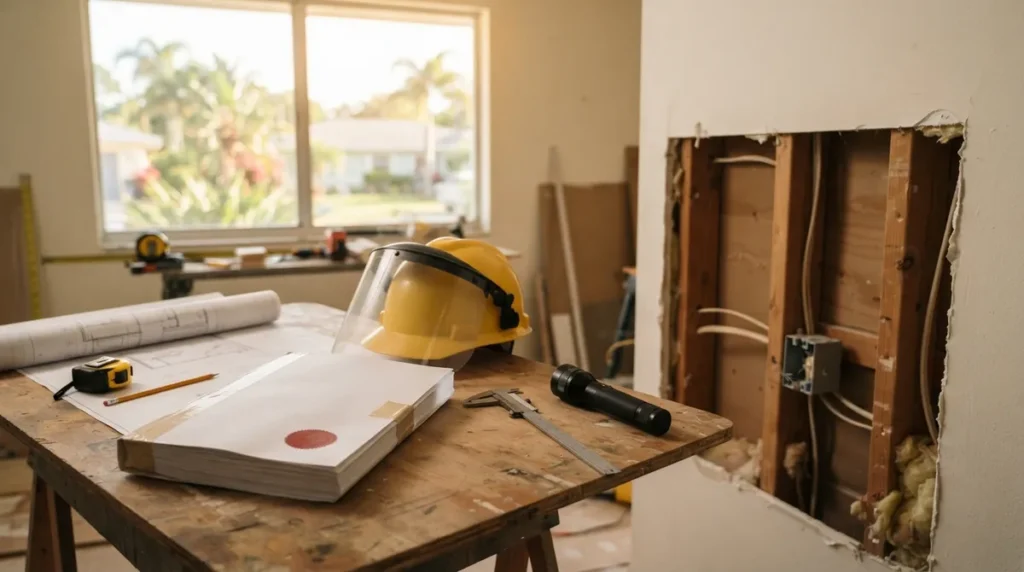
Key Takeaways
-
An engineer letter is not a permit, approval, or code guarantee; it is supporting evidence the local building department (AHJ) may consider when deciding how to resolve completed or concealed work.
-
Florida has no single statewide engineer-letter process; requirements vary by city and county, so request the building department's written checklist before hiring an engineer.
-
The Building Official can still reject the letter or require removing finishes, exposing work, testing, or reinspection, so opening walls may still be necessary.
-
Strong letters are project-specific and include permit details, the skipped inspection, the inspection date and scope, verification methods, applicable Florida Building Code edition, findings, and a signed and sealed Florida PE stamp.
-
Match the engineer's discipline to the work: structural for framing and loads, electrical, mechanical, or plumbing engineers for MEP systems, and civil professionals for grading and drainage.
-
Stalled files often result from slow responses to reviewer comments, so track submissions closely and respond quickly to keep the after-the-fact permit moving.
Picture this: you're about to sell your home, finish a renovation, or close on a property, and someone mentions that a wall was closed up before the inspector ever saw it. Maybe a previous owner skipped the permit. Maybe a crew covered the framing too soon. Suddenly, you're hearing a phrase you've never heard before: after the fact engineer letter Florida building departments sometimes accept.
Take a breath. You're not alone, and this is more fixable than it sounds. Every year, Florida homeowners, contractors, solar installers, and real estate pros run into work that was completed or concealed before a required permit or inspection. An engineer's letter can be a helpful piece of the puzzle, though it's never the whole puzzle.
In this friendly guide, we'll walk through what an after the fact engineer letter actually is, what it can and can't do, who needs one, what it should include, and how to avoid the common stumbles. Think of it as a chat with someone who has seen this situation many times and knows the road ahead.
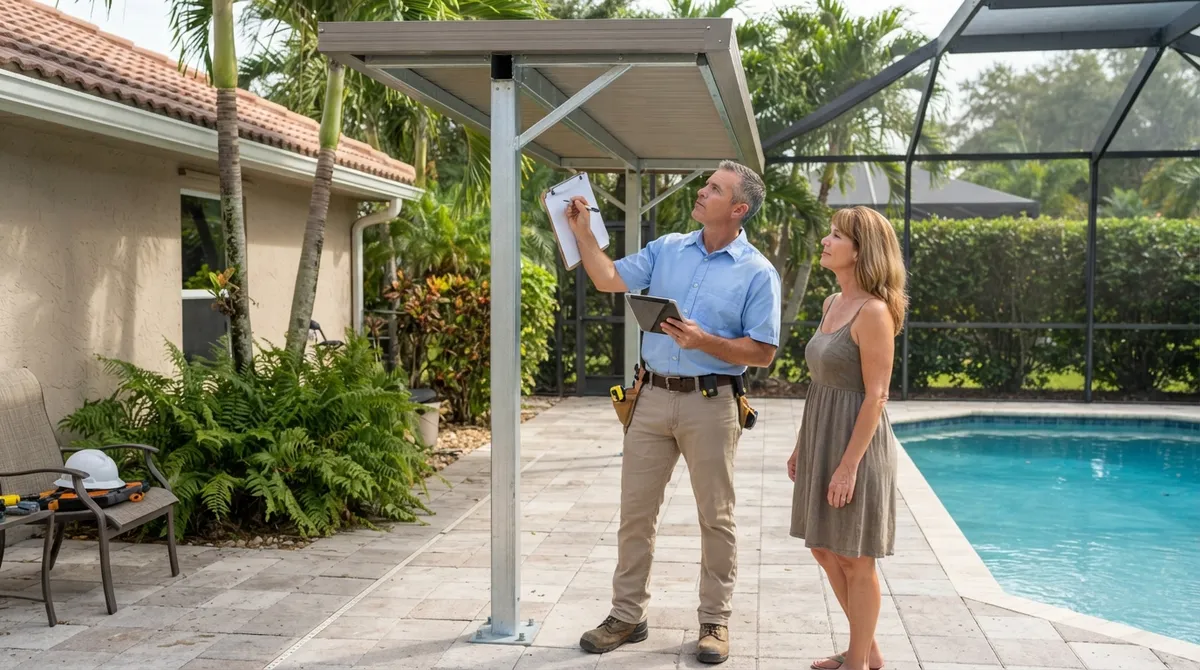
What Exactly Is an After the Fact Engineer Letter in Florida?
An after the fact engineer letter is a project-specific report, signed and sealed by a Florida-licensed professional engineer. It is used as supporting documentation when construction was finished or concealed before the required permits or inspections happened.
In plain English: the engineer looks at the completed work, evaluates it, and puts their professional findings in writing. The local building department can then consider that letter as evidence while deciding how to resolve the situation.
Here's the part that matters most, so let's say it clearly. An engineer letter is not a permit. It is not an automatic approval. It is not a guarantee that the work meets code. It is supporting evidence that helps the local building department, known as the authority having jurisdiction (AHJ), do its job.
The Legal Backdrop
Florida Statutes §553.79 generally requires a building permit before covered construction, alteration, repair, or demolition begins. The local building department or other enforcing agency administers permits, sets fees, and decides what is needed to resolve unpermitted work. That last part is key. The engineer doesn't decide whether your project is accepted. The AHJ does.
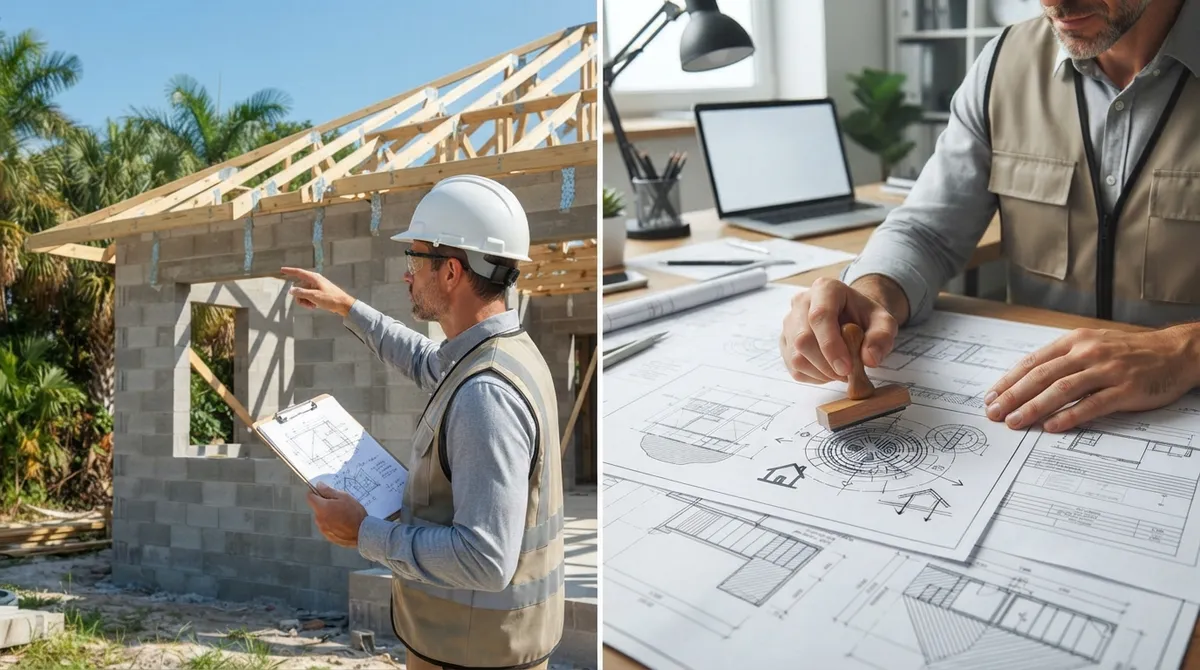
What an Engineer Letter Can and Can't Do
Expectations matter here. Plenty of folks assume a letter will "legalize" their project overnight. It's a little more nuanced than that, and knowing the difference saves time and money.
| An Engineer Letter CAN | An Engineer Letter CANNOT |
|---|---|
| Document the condition of completed or concealed work | Serve as a permit or replace the permit process |
| Provide professional findings the AHJ may consider | Guarantee approval by the building department |
| Reduce the need to open walls or ceilings, if the AHJ allows it | Replace required plans, inspections, or testing |
| Identify deficiencies so they can be corrected | Make noncompliant work compliant by itself |
| Support an after-the-fact permit application | Override the Building Official's decision |
Some jurisdictions publish their own guidance. Cape Coral, for example, has a written engineer-letter guideline that explains when a letter may be considered. In that city's approach, a letter can be an alternative when permitted work was concealed before a required inspection and the Building Official authorizes this option. The Building Official can still reject the letter or require finishes removed, work exposed, testing, demolition, or reinspection.
That example is useful because it shows the general pattern. Each city and county writes its own rules, so what works in one place may not work next door.
Is There One Statewide Process?
Short answer: no. Based on the sources available, there is no single statewide engineer-letter form and no guaranteed statewide acceptance process. Requirements vary by city and county, and by the type of work involved.
That's why the smartest first move is a simple phone call or email. Ask the building department for its written process and checklist before you hire anyone. Our building department lookup tool can help you figure out which office actually controls your address, which is not always obvious near city lines.
Many folks hire an engineer first and ask questions later. Then the letter doesn't match what the department wanted, and they pay twice. A quick call up front can prevent that heartache.
When Do You Typically Need One?
An after the fact engineer letter tends to come up in a handful of familiar situations. Do any of these sound like yours?
- Concealed framing or structural work: walls, ceilings, or floors were closed before a framing inspection.
- Missed rough-in inspections: electrical, plumbing, or mechanical work was covered before the inspector visited.
- Unpermitted additions or conversions: a lanai, garage conversion, or room addition that already exists.
- Inherited problems: a prior owner skipped permits and you discovered it during a purchase, inspection, or appraisal.
- Expired permits: work finished but inspections never closed out. Our guide on how to close an expired permit in Florida covers that route.
- Solar or roofing installs: structural questions about attachment, truss capacity, or loads after installation.
If your situation involves permitted work that was concealed before inspection, that's often the best fit for an engineer letter. If the work was never permitted at all, you will usually still need an after-the-fact permit, and the letter becomes one supporting piece within it. You can read more in our overview of how to legalize unpermitted work in Florida.
What Should a Good Engineer Letter Include?
Not all letters are created equal. A thin, generic letter is the fastest way to get a rejection. A strong one is detailed and specific to your project. Based on published local practice, a useful report commonly covers the following.
- Property and permit information: the address, parcel details, and permit number if one exists.
- The missed or concealed inspection: exactly which inspection was skipped and what work it would have covered.
- Date and scope of the engineer's inspection: when the site visit happened and what was examined.
- Verification methods: exploratory openings, measurements, photographs, nondestructive investigation, or other techniques used to confirm what's behind the finishes.
- Code and design criteria: the applicable Florida Building Code edition and design standards used for the evaluation.
- Findings and conclusions: the engineer's professional opinion, including any deficiencies and recommended corrections.
- Product approval information: where applicable, such as impact windows, roofing products, or tie-down hardware.
- Signature and seal: a signed and sealed letter from a Florida-licensed PE.
Photos and measurements are the unsung heroes here. The more clearly your engineer documents what they saw, the easier it is for a plans examiner to follow along and say yes.
Choosing the Right Type of Engineer
Here's a detail that trips people up: the engineer should be qualified for the specific discipline and scope of your project. A generalist letter on a complicated structural question may not satisfy the department.
| Type of Work | Engineering Discipline Often Needed |
|---|---|
| Framing, trusses, additions, load paths, foundations | Structural engineer |
| Wiring, panels, service upgrades, lighting | Electrical (MEP) engineer |
| HVAC systems, ductwork, ventilation | Mechanical (MEP) engineer |
| Piping, fixtures, drainage, water heaters | Plumbing (MEP) engineer |
| Grading, drainage, site conditions | Civil engineer or site plan professional |
Always confirm with the AHJ which qualifications and deliverables they will accept. Some departments are specific about discipline, and some want additional drawings alongside the letter.
If you want a deeper dive on this, we've put together a helpful read on who to hire for engineer letters in Florida.
How the Process Usually Unfolds
Every jurisdiction does things a little differently, but most after-the-fact engineer letter situations follow a similar rhythm. Here's the general path.
- Identify the controlling jurisdiction. Confirm whether your property sits in a city or unincorporated county. This determines who reviews your submission.
- Ask for the written process. Request the checklist for after-the-fact permits and engineer letters. Ask what the department accepts, and whether opening walls may still be required.
- Research permit history. Use our open permit search tool to see what's on file, including expired or open permits.
- Hire a qualified engineer. Pick the right discipline and share the AHJ's written requirements up front.
- Schedule the site evaluation. The engineer inspects, measures, photographs, and may perform exploratory openings.
- Prepare the package. This often includes the sealed letter, as-built drawings, photos, and product approvals.
- File and track. Submit through the proper portal or office, then follow reviewer comments closely.
- Correct and close out. Complete any required repairs, inspections, and final approvals.
Step 7 is where many projects stall. Reviewers send comments, and if nobody responds quickly, the file sits. Staying on top of revisions and resubmittals keeps things moving.
What Does It Cost and How Long Does It Take?
We wish we could hand you a neat statewide price tag. The honest truth is that no reliable statewide figure for cost, processing time, or acceptance rate exists in the available sources. Anyone quoting you a universal number is guessing.
What we can tell you is what moves the needle:
- The jurisdiction: fees and review speed vary widely between cities and counties.
- Project scope: a small concealed framing question differs from a full addition.
- Engineering discipline: some scopes need multiple engineers.
- Access to concealed work: exploratory openings add time and repair work.
- Corrections required: if deficiencies appear, fixing them adds cost and inspections.
For a deeper look at fees, check out our article on after-the-fact permit costs in Florida.
Common Mistakes to Avoid
After seeing plenty of these files, a few patterns pop up again and again. Dodge these and you'll be miles ahead.
- Hiring before checking requirements. Get the AHJ's written checklist first.
- Assuming the letter equals approval. It is supporting evidence, not a permit.
- Skipping photos and measurements. Thin documentation invites rejection.
- Using the wrong engineer discipline. Match the engineer to the work.
- Ignoring the possibility of opening walls. The Building Official may still require exposure or testing.
- Waiting too long. Delays can complicate sales, refinancing, insurance claims, and code enforcement cases.
Who Benefits Most From Getting This Right?
This topic touches a lot of people, so let's speak to a few directly.
Homeowners: If you bought a home with surprises behind the walls, a properly handled letter and after-the-fact permit can restore your peace of mind and protect resale value. Our homeowner resources are a good starting point.
General contractors: When a sub covered work too early, a quick, well-documented engineer letter can save a schedule and a client relationship. See how we support general contractors.
Solar companies: Post-install structural questions about roof attachment and loading come up often. A solid engineering package helps keep distributed energy projects on track. Learn more for solar contractors.
Real estate professionals: Unpermitted or uninspected work can stall closings. Getting ahead of it, with permit research and engineering support, keeps deals alive. Visit our realtor resources or read about what to do when an open permit is found at closing.
Architects, designers, and trades: If you need dependable outsourced drafting or engineering support without staffing it in-house, you can plug us in where you need us.
How 1 Contractor Solutions Can Help
At 1 Contractor Solutions, we act as Florida's outsourced permitting department. For after-the-fact situations, we help you figure out which jurisdiction controls your property, what that office will accept, and then we prepare the package, file it, track it, and work through reviewer comments.
Because our drafting and engineering are in-house, with our own engineer signing and sealing the work, you aren't waiting on an outside consultant to call someone back when a reviewer asks a question. We offer engineer letters, as-built drawings, structural engineering, and full after-the-fact and expired permit support across all 67 Florida counties.
We answer 24/7 and respond within 30 minutes, day or night. Curious how we do on the customer side? You can see what our 1 Contractor Solutions customers say on Google, or follow us on LinkedIn and follow us on Facebook for Florida permitting tips.
Quick Checklist Before You Start
- Confirm the correct city or county jurisdiction for your address.
- Request the building department's written after-the-fact and engineer letter requirements.
- Search permit history for open or expired permits.
- Gather photos, receipts, product information, and any existing plans.
- Match the engineer's discipline to the work in question.
- Prepare for the possibility of exploratory openings or testing.
- Plan for corrections and reinspections, just in case.
Final Thoughts
An after the fact engineer letter in Florida is a useful tool, but it works best when you understand its role. It's supporting evidence that helps your local building department evaluate completed or concealed work. It does not replace the permit, the plans, the inspections, or the AHJ's final say.
The good news? With the right first steps, a clear checklist from your building department, and a qualified engineer, many of these situations get resolved smoothly. You don't have to figure it all out alone.
Ready to take the stress out of the process? Get a free quote from our team today, and let's get your project back on track.
FAQs
What is an after the fact engineer letter in Florida?
It's a signed and sealed report from a Florida-licensed professional engineer, used as supporting documentation when work was completed or concealed before required permits or inspections. It helps your local building department evaluate the work, but it isn't a permit or an automatic approval.
Can an engineer's letter legalize unpermitted construction in Florida?
Not by itself. A letter is supporting evidence, and the building department (the AHJ) decides what's needed to resolve unpermitted work. You'll typically still need an after-the-fact permit, plus any required plans, inspections, testing, or corrective work.
Will my building department accept an engineer letter instead of opening walls?
It depends on your jurisdiction and the Building Official's discretion. Some departments allow a letter as an alternative verification method for concealed work, but they can still require exposure, testing, or reinspection. Always ask for the written process before hiring an engineer.
How much does an after the fact engineer letter cost in Florida?
There's no reliable statewide price. Costs depend on your jurisdiction, project scope, engineering discipline, access to concealed work, and any corrections needed. Your best move is to request a quote after confirming exactly what your building department requires.
Do I need a structural engineer or another type of engineer?
It depends on the work. Framing, trusses, and additions usually call for a structural engineer, while electrical, mechanical, or plumbing issues may need discipline-specific expertise. Confirm acceptable qualifications with your AHJ before you hire.
We do this work every day across all 67 Florida counties. Call (866) 314-6931 and we will tell you what your situation actually requires — including when you do not need us.
Related services
Permit Facilitation & Filing
You have a crew scheduled, a client asking for dates, and a permit sitting somewhere in a queue you cannot see. We file it, w…
See the servicePlan Review Coordination
A permit in plan review is not one queue. On a commercial project it can be six queues, each with its own reviewer, its own c…
See the serviceReady to get your permit moving?
One call tells you which jurisdiction controls your project, what it will take, and what it will cost. Most of the time we can scope it on the phone.