
Blog
What If My Reroof Was Done Without a Permit in Florida?
Reroof done without a permit in Florida? Learn your options, what inspectors may require, and how to move toward compliance in 2026.
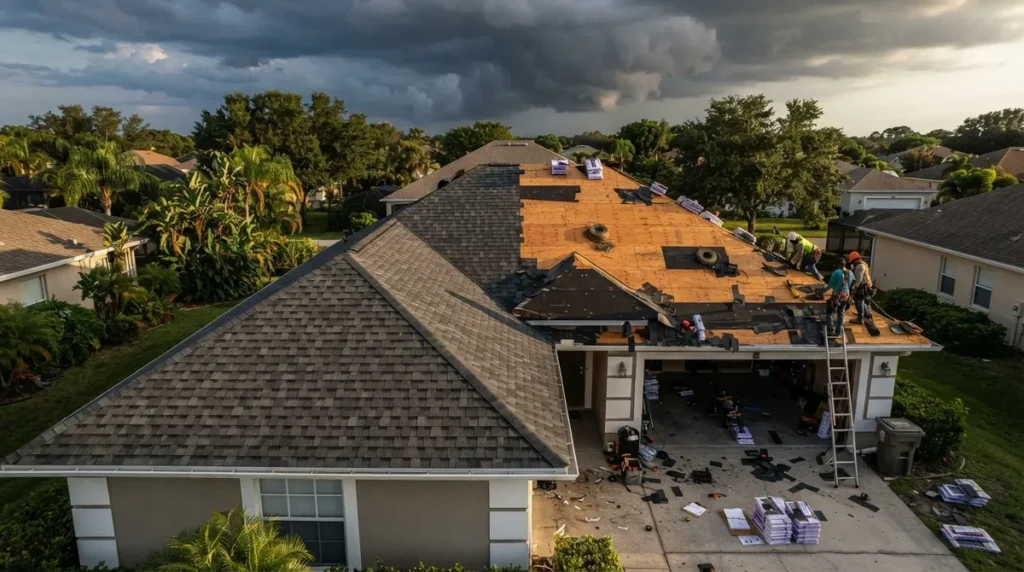
Key Takeaways
-
Contact your local building department immediately to disclose the unpermitted reroof and ask about after-the-fact permit options, as early action provides more compliance pathways than waiting for enforcement.
-
Gather documentation including contractor contracts, invoices, product approvals, and installation photos before contacting the building department, as strong evidence may reduce the need for costly roof inspection or removal.
-
Understand that roofing permits are stricter to obtain after-the-fact than other work because inspectors cannot see concealed materials like underlayment and fasteners, and many jurisdictions require a licensed roofer's evaluation or selective roof removal.
-
Prepare for potential consequences including additional permit fees, code enforcement action, required corrective work, and complications with home sales, insurance underwriting, or refinancing if the unpermitted roof is discovered.
-
Confirm your exact jurisdiction early, as Florida's 67 counties and hundreds of municipalities have different permit fees, requirements, and willingness to accept after-the-fact roofing applications—use your building department's lookup tool to identify the right office.
-
Know that an unpermitted roof can complicate home sales or refinancing because buyers, lenders, and title companies flag undocumented work, but these issues are typically solvable when addressed before closing.
So you just found out your new roof never had a permit. Maybe a contractor skipped it. Maybe a previous owner did the work, and you learned about it during an inspection. Take a breath. This happens more often than you would think, and in 2026 there is a real path forward.
Here is the short version. If your reroof was done without a permit in Florida, you should contact the local building department promptly and ask how to bring the work into compliance. The answer depends on your city or county, the age of the work, and what the inspector can verify. Some jurisdictions accept an after-the-fact application. Others require evidence, an evaluation, or corrective work first.
In this guide, we will walk through why Florida requires roof permits, what can happen when one was skipped, how after-the-fact options generally work, and what to gather before you call. You are not the first person to be in this spot, and you will not be the last. Let's get you pointed in the right direction.
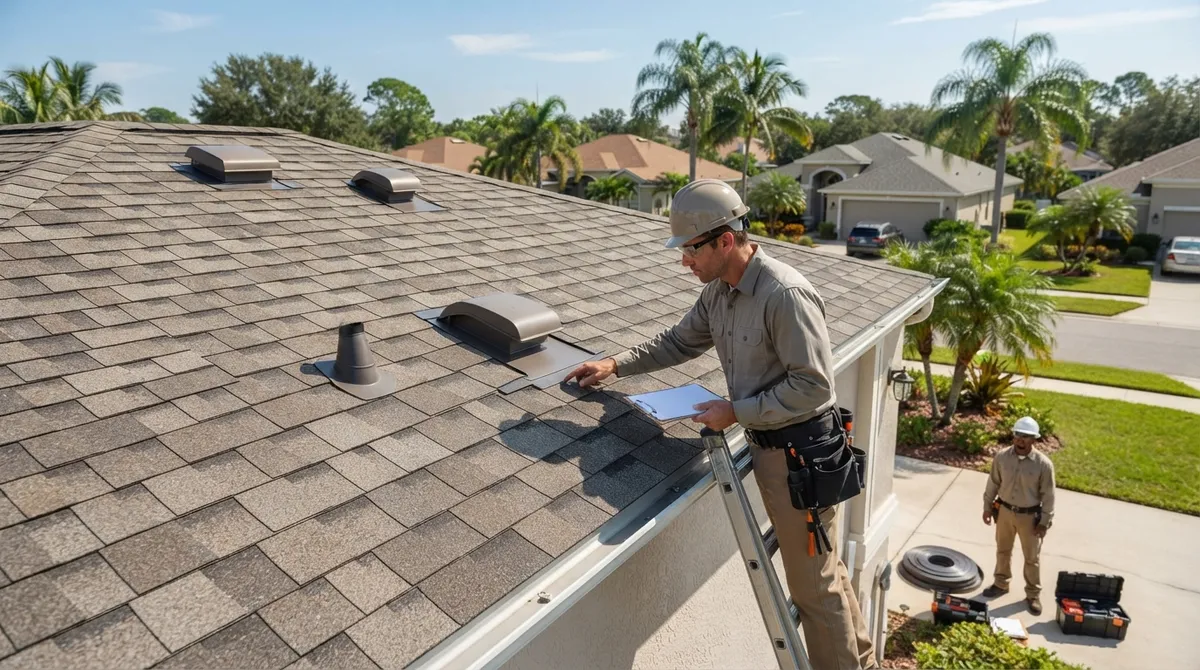
Why Does Florida Require a Permit for a Reroof?
Florida takes roofs seriously, and for good reason. Your roof is your home's first defense against wind, rain, and hurricanes. Florida Statutes §553.79 generally prohibits covered building work without first obtaining a permit from the appropriate enforcing agency. In most residential cases, that agency is your local building department.
A permit is more than paperwork. It triggers a review of the product approvals, fastening methods, and underlayment, plus inspections along the way. Those checks help confirm the roof can handle Florida's wind loads. The code edition in force also matters. The 2023 Florida Building Code, 8th Edition, took effect December 31, 2023, and your local building official can confirm which edition and local amendments apply to your property.
Because requirements differ by jurisdiction, always confirm details locally. If you are not sure who reviews your address, our building department lookup tool can help you find the right office.
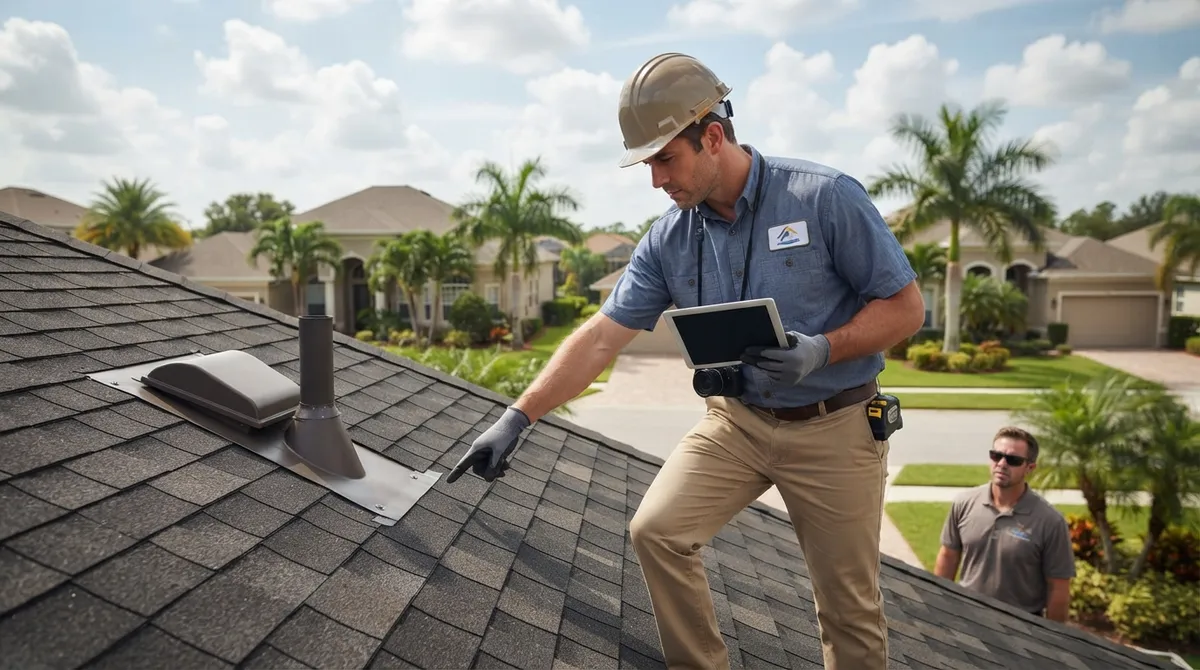
What Actually Happens When a Reroof Has No Permit?
Let's talk honestly about the possibilities. There is no single statewide penalty that applies to every unpermitted reroof. Outcomes depend on local ordinances and the specific facts of your situation. That said, here are the most common issues owners run into.
- Permit and inspection fees: Many jurisdictions charge additional fees when work is permitted after the fact.
- Code enforcement action: If the department learns about the work first, it may open a case and issue a notice.
- Required corrective work: If the roof cannot be shown to comply, repairs or even replacement may be required.
- Insurance complications: An insurer may ask for documentation of the roof during underwriting or a claim.
- Sale and financing friction: Buyers, lenders, and title companies often flag unpermitted work.
None of these outcomes are guaranteed. They are possibilities worth understanding so you can act early rather than react late. For a broader look at consequences, see our article on the penalty for building without a permit in Florida.
Can You Get an After-the-Fact Permit for a Completed Reroof?
This is the question we hear most. The honest answer: maybe, and it depends on where you live.
Applying afterward does not automatically legalize the work. The local building official decides whether an after-the-fact permit or another corrective process is available, and what evidence, inspections, or repairs are required. Some departments welcome these applications. Others are stricter, especially for roofing.
Why Roofs Are Tricky After the Fact
A roof hides its most important details. Once the shingles, tile, or metal panels are on, an inspector cannot see the underlayment, the deck condition, the fastening pattern, or the flashing details underneath. That makes verification harder than it would be for, say, an exposed electrical panel.
For example, one Alachua County reroof checklist notes that completed roofs may not be eligible for a straightforward after-the-fact permit because concealed materials and methods cannot be verified. It recommends an evaluation by a licensed roofing contractor. That is a local example, not a statewide rule, but it shows how some jurisdictions think about the problem.
What an Inspector May Ask For
Because the work is concealed, a building official may require one or more of the following:
- Documentation of the original installation, such as contracts, invoices, and photos
- Product approval information for the materials used
- A licensed roofing contractor's evaluation or report
- Selective removal of roofing sections so the underlayment and fasteners can be seen
- Corrective work if something does not meet code
It sounds like a lot, but many owners get through it by staying organized and working with the department rather than against it. Our overview of after-the-fact and expired permits explains how we approach these files.
How Do Different Scenarios Compare?
Not every unpermitted reroof looks the same. The table below shows common situations and what they typically involve. Remember, these are general patterns, and your local building department has the final say.
| Scenario | Typical First Step | Likely Requirements |
|---|---|---|
| You hired a contractor who skipped the permit | Gather the contract and contractor license details, then contact the building department | Contractor evaluation, possible after-the-fact application, inspections |
| A prior owner reroofed without a permit | Research permit history and ask the department how to disclose | Documentation of what you can find, possible selective removal |
| The department already issued a violation notice | Respond promptly and ask about a compliance timeline | Corrective permit, inspections, possible fees |
| A buyer or lender discovered it during a sale | Work with your agent and a permitting professional on a timeline | Documentation, inspections, possible escrow or repair agreements |
What Should You Do First? A Step-by-Step Plan
Feeling overwhelmed is normal. Here is a simple order of operations that keeps things moving.
- Confirm the permit status. Check whether a permit was ever issued and closed. Our open permit search tool can help you start. Sometimes a permit exists and was simply never finalized, which is a very different problem.
- Identify the correct jurisdiction. Properties near city lines can fall under the county or a municipality. Confirm which office controls your address.
- Gather your records. Collect contracts, invoices, product approvals, installation records, photos, and the contractor's license information.
- Contact the building department promptly. Ask how to disclose the unpermitted reroof, whether they accept an after-the-fact application, what records they need, and whether an inspection or contractor report is required.
- Get a licensed roofing contractor's evaluation if requested. This can document the roof's condition and installation quality.
- Complete required inspections or corrections. Work through the department's list until the permit is finaled.
- Keep the final paperwork. A closed permit is valuable for insurance, resale, and peace of mind.
Will an Unpermitted Roof Affect Insurance or a Home Sale?
This is where many owners start to worry, so let's keep it practical.
Insurance
A permit issue can complicate underwriting or a future claim if the work cannot be documented or is found noncompliant. Outcomes depend entirely on the insurer and the policy. If your insurer asks about the roof, answer honestly and seek advice from the relevant professionals. Our article on expired permits and insurance claims in Florida goes deeper on this topic.
Selling or Refinancing
Unpermitted work can slow a closing. Buyers, lenders, and title companies sometimes ask for permit history, and a missing or open roof permit can raise questions. The good news is that these issues are often solvable when you address them early. If you are a real estate professional or seller, our realtor and closing support page explains how we help keep deals on track. You can also read about what to do when an open permit is found at closing.
What Documents Help Legalize an Unpermitted Reroof?
Strong documentation can make the whole process smoother. The more you can show, the less the department may need to verify by opening the roof. Here is a quick reference.
| Document | Why It Helps |
|---|---|
| Signed contract and invoices | Shows scope, materials, dates, and who performed the work |
| Product approval or specification sheets | Helps demonstrate the materials meet Florida requirements |
| Installation photos | May show underlayment, fastening, and deck condition before covering |
| Contractor license information | Confirms whether a licensed contractor performed the work |
| Licensed roofer's evaluation | Provides a professional assessment of the completed roof |
| Engineer letter or sealed drawings, if requested | Supports structural or wind-load compliance where required |
If your department asks for engineering support, our team can help with engineer letters and sealed documentation prepared in house.
Do Roofers and Contractors Face Risk Too?
Yes. If you are a roofing or general contractor reading this, a skipped permit can create licensing and enforcement exposure as well as unhappy customers. Many contractors prefer to hand permitting to a dedicated team so crews stay on schedule and every job closes out cleanly. If that sounds familiar, take a look at our Roof Permit Partnership Program or our page for roofing contractors.
One more detail worth knowing: the 2023 Florida Existing Building Code includes a reroofing provision, §706.1.1, tied to the 25 percent in 12 months rule, subject to statutory exceptions and the building official's application. It speaks to reroof scope rather than offering a blanket fix for a completed unpermitted job, so confirm how your jurisdiction applies it.
Why Does Local Variation Matter So Much?
Florida has 67 counties and hundreds of municipalities, and they do not all handle things the same way. Fees, forms, inspection requirements, and willingness to accept after-the-fact roofing permits can differ from one office to the next. That is why a general article cannot give you a single answer, and why local guidance matters.
If you are in a major metro area, you may find our county pages useful, such as Hillsborough County, Miami-Dade County, or Sarasota County. You can also browse our full list of Florida counties we serve. For a deeper dive, read our guide on an unpermitted roof in Florida and what owners need to know.
How Can 1 Contractor Solutions Help?
We are Florida's outsourced permitting department, and after-the-fact files are something we take on when others decline. We can research your permit history, identify the controlling jurisdiction, coordinate with the building department, and prepare any drawings or engineer letters needed. Because our drafting and engineering are in house, we can respond quickly if a reviewer has comments.
If you want to see how other owners feel about working with us, Visit us on Google — 1 Contractor Solutions and read the reviews. We also share Florida permitting updates when you follow us on LinkedIn or follow us on Facebook.
Take the Next Step With Confidence
An unpermitted reroof is stressful, but it is rarely the end of the road. Act promptly, stay organized, be honest with your building department, and lean on professionals who handle this every day. The sooner you start, the more options you tend to have.
Ready to sort it out? If you would like clear next steps for your address, get a free quote and tell us about your roof. We respond within 30 minutes, day or night, and se habla español.
FAQs
Do I need a permit to replace a roof in Florida?
In most cases, yes. Florida law generally requires a permit before building work, including a full reroof, begins, and your local building department typically administers it. Always confirm the specifics with the office that covers your property.
Can I get an after-the-fact permit for a reroof in Florida?
Sometimes, but it is up to your local building official. Because roofing materials and fasteners are hidden once the roof is finished, some jurisdictions require documentation, a licensed roofer's evaluation, or even selective removal before they will approve it.
Can I sell my Florida home if the reroof was done without a permit?
Often you can, but it may complicate the deal. Buyers, lenders, and title companies sometimes ask for permit history, so addressing the issue early with the building department and your agent usually keeps things smoother.
Will homeowners insurance cover damage to a roof installed without a permit?
It depends on your insurer and policy. A permit issue can complicate underwriting or a claim if the work cannot be documented or is found noncompliant, so be honest if asked and talk with your insurance professional.
How do I find out whether my reroof permit was issued and closed?
Start by searching your local building department's permit records or using an open permit search tool. If you do not see a closed permit, call the department to confirm the status and ask what steps come next.
We do this work every day across all 67 Florida counties. Call (866) 314-6931 and we will tell you what your situation actually requires — including when you do not need us.
Related services
Permit Facilitation & Filing
You have a crew scheduled, a client asking for dates, and a permit sitting somewhere in a queue you cannot see. We file it, w…
See the servicePlan Review Coordination
A permit in plan review is not one queue. On a commercial project it can be six queues, each with its own reviewer, its own c…
See the serviceReady to get your permit moving?
One call tells you which jurisdiction controls your project, what it will take, and what it will cost. Most of the time we can scope it on the phone.