
Blog
How to Handle Tenant Unpermitted Work in Florida Rentals
Found unpermitted tenant work in a Florida rental? Learn the step-by-step process property managers use to document, resolve, and legalize it.
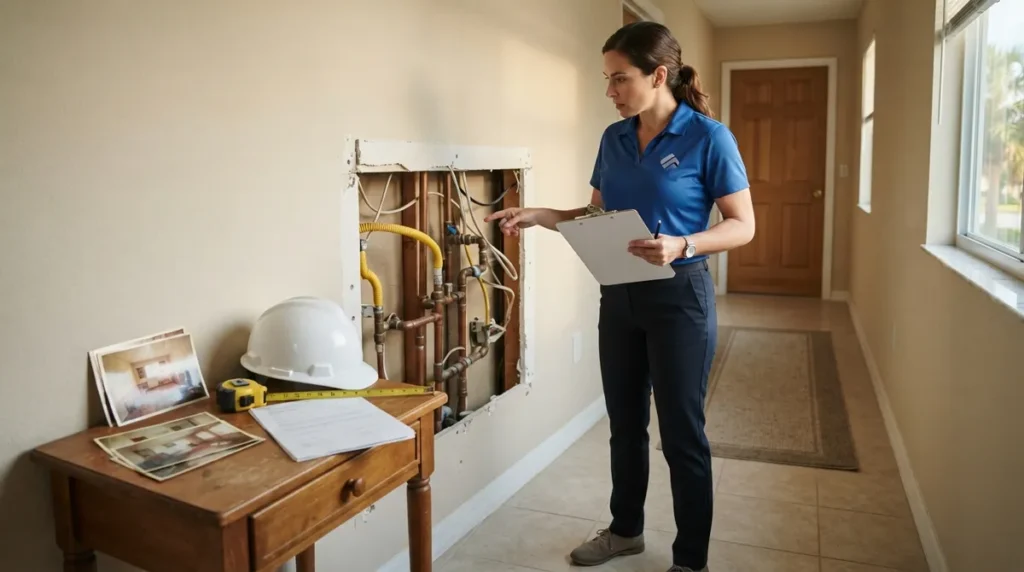
Key Takeaways
-
Treat tenant unpermitted work as two problems at once: a lease violation and a building-code issue, handled through documentation, safety triage, lawful access, and local building department review.
-
Document first: take dated photos and video, identify who did the work, and pull the lease, alterations clause, and any prior approvals before reacting or tearing into walls.
-
Address any immediate hazard such as exposed wiring, new gas lines, altered load-bearing walls, or plumbing changes before worrying about paperwork, and stop further work in writing.
-
Florida Statute §83.53 generally requires at least 24 hours' written notice for repair or inspection entry, between 7:30 a.m. and 8:00 p.m., with separate rules for emergencies.
-
Confirm with the local building department whether a permit was required; cosmetic work is not automatically exempt, and local rules and fees vary by jurisdiction.
-
Keep a complete compliance file and loop in the owner before committing funds, since building departments typically look to the property owner and unpermitted work can derail sales, refinances, or insurance claims.
Picture this: you stop by a rental for a routine walkthrough and notice a brand-new wall where there used to be an open living area. Or a mini-split hanging on the lanai that was never in the lease file. Or fresh drywall hiding who-knows-what behind it. Your stomach drops a little. If that feels familiar, take a breath. You are not the first, and you will not be the last.
So, how do property managers handle tenant unpermitted work in Florida? The short version is that they treat it as two problems at once: a lease issue and a building-code issue. They document what happened, deal with any safety hazard right away, follow the lawful access rules, and then work with the local building department to figure out whether permits, inspections, corrections, or an after-the-fact permit are needed.
This guide walks you through the whole process in plain English. Whether you manage a single duplex or a portfolio of rentals, you will leave with a clear game plan, a documentation checklist, and a sense of when to call in help.
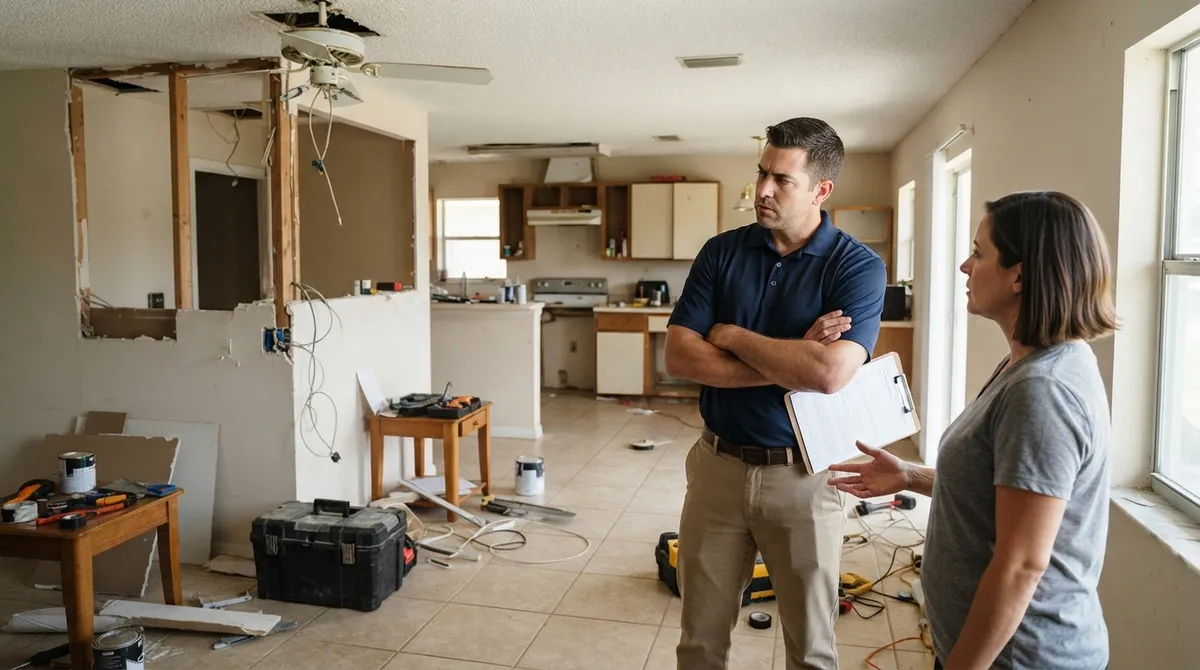
Why Tenant Unpermitted Work Is Your Problem Too
It is tempting to think, "The tenant did it, so the tenant owns it." Unfortunately, that is not how it plays out. The building department generally looks at the property and its owner, not just whoever swung the hammer. Unpermitted work can surface later during a sale, a refinance, an insurance claim, or a code-enforcement complaint, and the owner (and by extension, you) is the one holding the bag.
Under Florida Statute §553.79, covered construction, alteration, repair, and demolition generally requires a permit from the local enforcing agency before the work begins. Under §553.80, local governments are responsible for enforcing the Florida Building Code. In other words, the rules are statewide, but the enforcement, paperwork, and fees are local.
Here is why it matters to you as a manager:
- Safety: Electrical, plumbing, gas, structural, and mechanical changes can create real hazards for the tenant and the neighbors.
- Liability: If someone is injured, "we did not know" is not a comfortable position.
- Insurance: Unpermitted work can complicate claims. For more on that, see our piece on expired permits and insurance claims in Florida.
- Future sales and financing: Open or missing permits can derail closings.
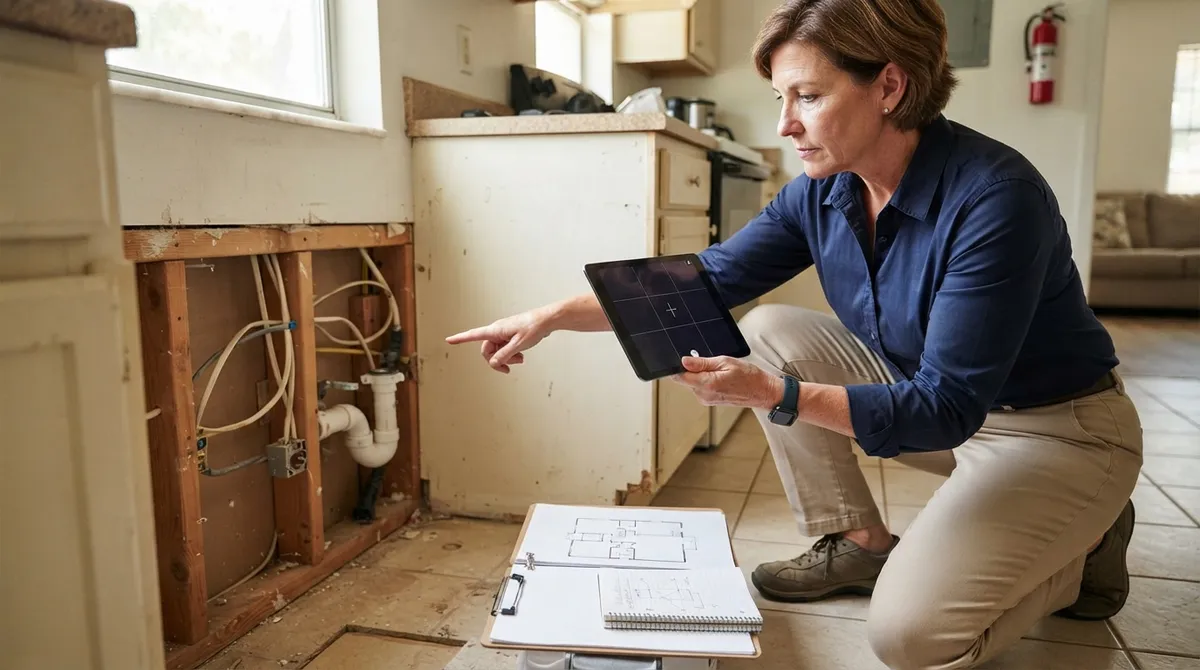
Step 1: Spot It and Document Everything
The first move is simple but powerful: slow down and gather facts before you react. A calm, well-documented response protects you, the owner, and (honestly) the tenant too.
- Take dated photos and video. Capture wide shots and close-ups of the work, including any visible wiring, plumbing connections, framing, or fixtures.
- Write down what you observe. Note the location, the apparent scope, and the date you discovered it.
- Identify who did the work. Was it the tenant, a friend, or a contractor? Ask for names, invoices, and license information.
- Pull the lease and your file. Check the alterations clause and look for any written approval you may have forgotten about.
- Check for prior approvals or complaints. Search your email and maintenance logs for anything the tenant sent you.
A quick tip from the field: do not tear into walls or ceilings on your own to "see what is back there." If concealed work needs to be exposed, let the right professionals and the building department guide that step.
Step 2: Handle Any Immediate Safety Hazard First
Before you worry about paperwork, ask one question: is anyone in danger right now? Safety-sensitive work deserves immediate attention.
- Exposed or improvised electrical connections
- New gas lines or appliance hookups
- Altered or removed walls that could be load-bearing
- Plumbing changes that could leak or back up
- Added mechanical or ventilation equipment
If you see an active hazard, prioritize emergency protection. That may mean shutting off a circuit or valve, restricting use of the area, and calling a licensed professional or the appropriate authorities. Document what you did and why. The goal is to make the space safe, not to assign blame in the middle of a hazard.
Step 3: Review the Lease and Know the Tenant's Obligations
Now step back and look at the legal framework. Florida Statute §83.52(6) requires tenants not to damage or impair the premises or allow others to do so. Most leases go further and require written landlord approval before any alteration.
The statute does not say every tenant alteration is automatically prohibited, so your lease language matters. Review it for:
- An alterations or improvements clause
- Requirements for written consent
- Restoration obligations at move-out
- Responsibility for costs, permits, and licensed contractors
- Default and cure provisions
If the tenant violated the lease, you will want to coordinate with the owner and, where appropriate, legal counsel before sending any formal notice. Lease enforcement has its own strict procedures in Florida, and a misstep can complicate things.
Step 4: Use Lawful Access Procedures
You may need to get inside to inspect the work or have a professional assess it. This is where property managers sometimes stumble, so let us keep it clean.
Under Florida Statute §83.53, a landlord may enter to inspect or make repairs, subject to the statute's access rules. For repairs, the statute generally calls for at least 24 hours' notice, with entry at a reasonable time between 7:30 a.m. and 8:00 p.m. Emergencies and other statutory circumstances have separate rules.
| Situation | General Access Approach | Best Practice |
|---|---|---|
| Routine inspection or repair | At least 24 hours' notice; entry between 7:30 a.m. and 8:00 p.m. | Send written notice stating purpose, date, and time window |
| Emergency (active hazard) | Separate emergency rules apply | Document the emergency and limit entry to what is necessary |
| Tenant refuses access | Statutory and lease remedies may apply | Keep communications calm, written, and consult counsel before escalating |
Never use access rights to pressure or harass a tenant. A respectful, well-documented approach is both the right thing to do and the safest legal position.
Step 5: Stop Further Work and Communicate Clearly
If work is still in progress, ask the tenant in writing to pause until you can sort out what is allowed. Keep the tone friendly and factual. Something like: "We noticed changes to the unit and want to make sure everything is safe and properly approved. Please pause any further work while we review."
Then ask for the key facts:
- What was done, and when?
- Who performed the work?
- Were any permits pulled, or any approvals requested?
- Are there receipts, product specs, or photos from before the work?
Many tenants honestly do not realize a permit was needed. A cooperative conversation often gets you better information than a confrontation.
Step 6: Check Permit History With the Local Building Department
This is the pivotal step. Because Florida Building Code enforcement is local, the jurisdiction where the property sits is your source of truth. Contact the building department to ask about:
- Permit history for the address
- Any open permits, expired permits, or code-enforcement notices
- Whether the described work required a permit
- The process and required documents for resolving unpermitted work
Do not assume cosmetic work is automatically exempt, and do not assume it is not. Painting and flooring are often fine, but a relocated wall, new circuit, or added fixture group can change the answer. Local rules also vary. Florida Statute §553.80 lets certain local agencies adopt limited exemptions for specified work on single-family residences, including a $5,000 cost threshold for certain nonowner work within a 12-month period, but those exemptions are discretionary and do not apply uniformly statewide.
Not sure which office actually has jurisdiction, especially near city lines? Our building department lookup tool and open permit search can help you start in the right place.
Step 7: Understand Your Resolution Options
Once the jurisdiction weighs in, you will usually land in one of a few buckets. If the authority determines a permit was required, it may require an after-the-fact permit, plans, inspections, corrections, or removal of noncompliant work.
| Outcome | What It Typically Involves | Who Usually Helps |
|---|---|---|
| No permit required | Written confirmation from the jurisdiction; update your file | Property manager |
| After-the-fact permit | Plans or as-built drawings, application, inspections, possible fees | Drafting, engineering, and permitting professionals |
| Corrections required | Fix deficient work, then re-inspect | Licensed contractor, engineer |
| Removal / restoration | Remove noncompliant work and return the space to original condition | Licensed contractor; tenant per lease |
Requirements, fees, contractor qualifications, and whether concealed work must be exposed all vary by jurisdiction. For example, Pembroke Pines says its after-the-fact permits require a licensed contractor and are subject to double permit fees. That is a local example, not a statewide rule, which is exactly why you check with the specific building department.
If you want a deeper walkthrough of the legalization path, these guides are great next reads: how to legalize unpermitted work in Florida and after-the-fact permit costs in Florida.
Step 8: Bring In the Right Professionals
Safety-sensitive and structural changes usually call for qualified professionals, not guesswork. Depending on the work, you may need:
- A licensed contractor to correct or complete the work
- An engineer to evaluate and seal structural, electrical, or mechanical changes
- A drafter to create as-built drawings or permit plans
- A permitting team to file, track, and answer reviewer comments
This is where an outsourced permitting partner earns its keep. At 1 Contractor Solutions, our in-house drafting and engineering team prepares as-built drawings, engineer letters, and sealed plans, then handles after-the-fact permits from filing through closeout. If you also have a notice on the property, our code compliance violations team can step in. We cover all 67 Florida counties, and property managers can learn more on our property managers page.
You can also see what other clients say by checking out our 1 Contractor Solutions reviews on Google.
Step 9: Decide Who Pays
The money question comes up every time. Who covers the permit fees, engineering, and corrective work? There is no one-size-fits-all answer, so start with the lease and the facts.
- Did the tenant have written approval? If yes, responsibility may shift toward the owner or be shared by agreement.
- Did the tenant act without consent? The lease may allow you to hold the tenant responsible for restoration or related costs.
- Is there a security deposit issue? Florida has specific deposit-claim procedures, so work with counsel before making deductions.
- Is the owner on board? Always loop in the owner before committing funds.
Whether you can charge a tenant for permit fees or repairs tied to unauthorized alterations depends on your lease terms and Florida landlord-tenant law. When money is disputed, bring in legal counsel early.
Step 10: Build a Compliance File
Think of your compliance file as your insurance policy against future headaches. Keep everything in one place:
- The lease and any written approvals or denials
- All tenant communications, dated and saved
- Dated photos and video of the work
- Contractor names, license numbers, and invoices
- Permit applications, plans, and as-built drawings
- Inspection results and correction notices
- Final approvals, closeout documents, and any certificate of occupancy paperwork if applicable
- Notes on conversations with the owner, insurer, and counsel
A tidy file makes a sale, refinance, or insurance review far smoother. It also shows good faith if a code officer ever asks questions.
Quick Reference: The Property Manager's Game Plan
| Phase | Key Action | Why It Matters |
|---|---|---|
| Discover | Photograph, record, and identify who did the work | Creates a reliable factual record |
| Protect | Address immediate hazards and pause new work | Reduces injury and liability risk |
| Verify | Review lease and confirm with the building department | Determines whether a permit was required |
| Resolve | Pursue after-the-fact permits, corrections, or removal | Brings the property into compliance |
| Document | Keep a complete compliance file | Protects you in sales, claims, and audits |
Common Mistakes to Avoid
- Ignoring it and hoping it goes away. Unpermitted work tends to surface at the worst possible time, such as a closing or an insurance claim.
- Skipping lawful access steps. Entering without proper notice can create a separate legal problem.
- Letting the tenant "fix it" with an unlicensed helper. That can make the situation worse.
- Assuming all cosmetic work is exempt. Confirm with the jurisdiction.
- Failing to involve the owner. Major decisions and expenses should not be yours alone.
If you want a fuller look at what can go wrong, our guide on the penalty for building without a permit in Florida is a helpful read.
Wrapping Up
Dealing with tenant unpermitted work is never anyone's favorite task, but it does not have to be a crisis. Document first, make the space safe, follow the access rules, check with the local building department, and choose the right resolution path. Then keep a clean compliance file so the story is easy to tell later. That is how property managers handle tenant unpermitted work in Florida when they want to protect the owner, the tenant, and themselves.
You do not have to figure it out alone. If you have a rental with questionable alterations, a code notice, or a closing on the horizon, get a free quote and let our team handle the plans, engineering, filing, and follow-through. We respond within 30 minutes, day or night. You can also follow us on LinkedIn or follow us on Facebook for more practical Florida permitting tips.
FAQs
Does a tenant need the landlord's permission to remodel in Florida?
Generally, yes, if the lease requires it, and most leases do. Florida Statute §83.52(6) also requires tenants not to damage or impair the premises, so any alteration should be approved in writing and clear about permits and restoration.
Who is responsible for unpermitted work in a Florida rental, the tenant, landlord, or property manager?
Responsibility depends on the lease and the facts, but the building department typically looks to the property and its owner. That is why managers document everything, involve the owner, and bring in legal counsel when responsibility is disputed.
Can a Florida city require an after-the-fact permit for tenant work?
Yes. If the local authority determines a permit was required, it may require an after-the-fact permit, plans, inspections, corrections, or removal of the work. Fees and rules vary by jurisdiction, so always confirm locally.
What should I do if a tenant refuses access to inspect the work?
Start with proper written notice that follows Florida Statute §83.53, which generally means at least 24 hours' notice for repairs and entry between 7:30 a.m. and 8:00 p.m. If the tenant still refuses, keep communication calm and in writing, and consult legal counsel before taking further steps.
How can a property manager check whether work was permitted in Florida?
Contact the building department for the jurisdiction where the property is located and ask for the permit history, any open or expired permits, and code-enforcement notices. Tools like an open permit search can help you get started.
We do this work every day across all 67 Florida counties. Call (866) 314-6931 and we will tell you what your situation actually requires — including when you do not need us.
Related services
Permit Facilitation & Filing
You have a crew scheduled, a client asking for dates, and a permit sitting somewhere in a queue you cannot see. We file it, w…
See the servicePlan Review Coordination
A permit in plan review is not one queue. On a commercial project it can be six queues, each with its own reviewer, its own c…
See the serviceReady to get your permit moving?
One call tells you which jurisdiction controls your project, what it will take, and what it will cost. Most of the time we can scope it on the phone.