
Blog
How to Handle After-the-Fact Permitting in Fort Lauderdale
Learn how after-the-fact permitting works in Fort Lauderdale, from documents and inspections to fees and closeout, with practical steps to get compliant.
Key Takeaways
-
After-the-fact permitting in Fort Lauderdale does not automatically legalize unpermitted work; the City reviews it against the Florida Building Code and may require corrections before approval.
-
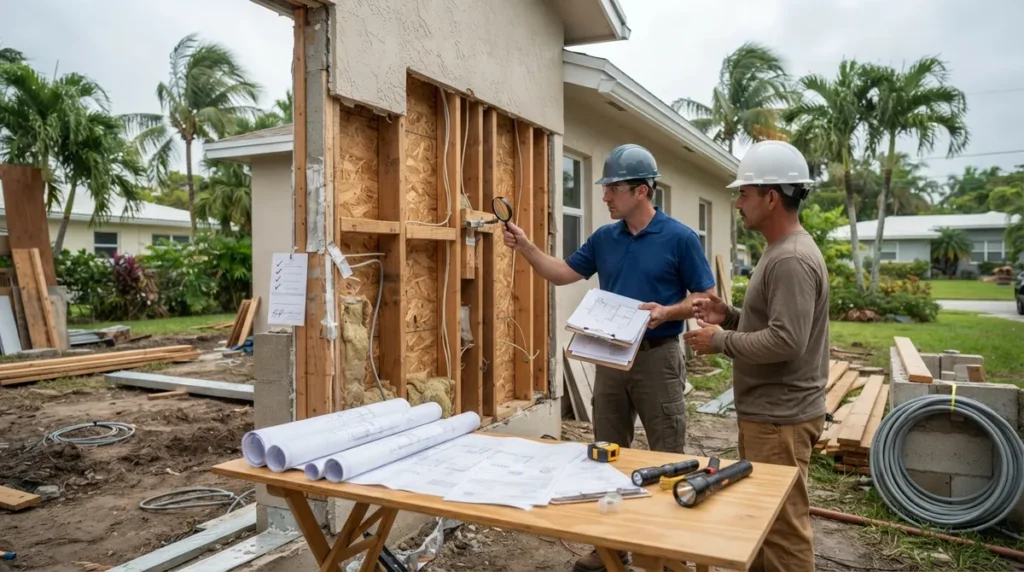
Most Fort Lauderdale projects require as-built drawings and engineer letters as documentation backbone; concealed work may require wall or ceiling openings for inspection verification.
-
Fort Lauderdale's $7,500 permit exemption for single-family dwellings rarely applies because most of the city sits in flood-hazard areas, which are explicitly excluded from the exemption.
-
ATF permit costs vary by project type and include permit, review, inspection, and reinspection fees (minimum $131 or 1.75% of construction cost); verify the exact fee schedule before filing.
-
ATF permits are not eligible for walk-through service; plan for a full review cycle with potential reviewer comments and multiple inspections, especially if a sale or refinance deadline is approaching.
-
No demolition permit is required solely to remove unpermitted work unless you plan to demolish additional building portions; removal may be more cost-effective than corrections for noncompliant work.
You bought a home in Fort Lauderdale and later discovered the screened patio, the garage conversion, or the new water heater never had a permit. Or maybe you finished a project years ago, and now a buyer's inspector, a lender, or a code officer is asking questions. Take a breath. This happens far more often than most people realize, and it is usually fixable.
After-the-fact permitting in Fort Lauderdale is the process of applying for a permit for work that was already completed without one. It is not a magic eraser, though. The City still reviews the work against the Florida Building Code and local requirements, and anything that does not comply may need to be corrected. The good news is that a clear plan makes the whole thing far less stressful.
In this guide, we will walk through what an after-the-fact (ATF) permit is, what the City is likely to ask for, how fees and inspections work, and the steps to get from "unpermitted" to "closed and compliant." Whether you are a homeowner, a general contractor, a solar installer, or a real estate professional, you will find practical steps you can use right away.
What After-the-Fact Permitting Means in Fort Lauderdale
An after-the-fact permit is a permit application for work that has already been performed without a required permit. It does not automatically legalize the work. Instead, Fort Lauderdale Building Services reviews it for compliance with the applicable building and other requirements, just as it would for new work.
Florida Statute §553.79 generally requires a permit before covered construction, alteration, repair, or demolition begins. Applications are subject to plan review, and the finished work must comply with the Florida Building Code and any applicable local rules.
Fort Lauderdale Building Services issues permits, provides property-record information, and conducts inspections. If you want a deeper look at how this works statewide, our guide on how to get an after-the-fact permit in Florida covers the broader picture.
Common Examples of Work That Needs ATF Permits
- Room additions, enclosed patios, and garage conversions
- Roof replacements and re-roofs completed without a permit
- Electrical, plumbing, and mechanical upgrades
- Impact windows and doors installed without paperwork
- Pool cages, fences, decks, and retaining walls
- Solar panel and battery installations
Before You Apply: Check Whether an Exemption Really Applies
Some homeowners hope their project falls under a permit exemption. Florida law does include a limited exemption for certain work valued below $7,500 at a single-family dwelling. However, the statute excludes several categories, including work in flood-hazard areas and electrical, plumbing, structural, mechanical, or gas work at a single-family dwelling.
Because so much of Fort Lauderdale sits in flood-hazard areas, that exemption rarely helps. Always confirm the current statute and the City's interpretation before relying on it. When in doubt, ask Building Services or a permitting professional before you assume you are in the clear.
How to Get an After-the-Fact Permit in Fort Lauderdale: Step by Step
Every project is different, but most Fort Lauderdale ATF cases follow a similar path. Here is the roadmap we recommend.
- Identify exactly what was built. Walk the property and list every piece of unpermitted work, including anything a previous owner or contractor may have done. Photos and dates help.
- Research the property record. Look up existing and open permits so you know what is already on file. Our open permit search tool is a quick place to start.
- Confirm the reviewing jurisdiction. Near city lines, it is not always obvious who controls your address. Our building department lookup can help you confirm it.
- Gather plans and documentation. Depending on the work, this may include drawings, a site plan, product approvals, and engineering documentation.
- Submit the ATF application. File with Fort Lauderdale Building Services under the correct permit type.
- Respond to review comments. Reviewers may ask for revisions or more information. Prompt, complete answers keep things moving.
- Schedule inspections. The City will require inspections appropriate to the work.
- Correct anything that fails. Noncompliant work may need to be fixed before the permit can be finalized.
- Close the permit. Make sure the permit reaches final approval so it does not linger as an open permit.
What Documents and Plans Will You Need?
The City's requirements depend on the scope of the project, so confirm current needs with Fort Lauderdale Building Services before you file. In general, expect to prepare some combination of the items below.
| Document | Why It Matters | Common For |
|---|---|---|
| As-built drawings | Shows what was actually constructed, with dimensions and layout | Additions, enclosures, remodels |
| Site plan or survey | Verifies setbacks, lot coverage, and placement | Structures, pools, fences, decks |
| Engineer letter or sealed drawings | Confirms structural or system compliance | Structural, roof, and wind-load work |
| Product approvals | Documents code-approved windows, doors, and roofing products | Impact windows, doors, roofs |
| Photos and field documentation | Supports the review when work is already covered | Concealed or finished work |
If you need drawings, as-built drawings and engineer letters are often the backbone of a successful ATF submittal.
Will You Have to Open Walls or Ceilings?
This is one of the most common worries, and it is a fair one. Where concealed work cannot be verified, the reviewer or inspector may require access or exposure so compliance can be evaluated. That could mean opening a wall section, pulling back a ceiling panel, or exposing framing, wiring, or plumbing.
The specifics vary by project and by inspector. Confirm requirements with the City before you open or cover anything. Good photos, engineering documentation, and a clear scope can sometimes reduce how much exposure is needed, but the decision belongs to the City.
Understanding Fees and Costs
ATF costs are not one flat number. Fort Lauderdale sets fees through its current fee schedule, and charges may include permit, review, inspection, and reinspection fees. Do not assume every ATF application carries one fixed surcharge. Verify the fee for your specific project against the current schedule.
| Fee Item | What to Know |
|---|---|
| Permit fee | The City's fee schedule lists a minimum of $131 or 1.75% of construction cost for certain master and stand-alone permits. Confirm the category and current schedule for your project. |
| Reinspection fee | The City's published fee ordinance lists a $75 reinspection fee. Confirm whether it applies to your case. |
| Permit renewal | Renewals cost 50% of the original permit fee if requested before expiration and 100% if requested after expiration. These are renewal fees, not a general ATF penalty. |
| Professional services | Drafting, engineering, and permit filing are separate from City fees and vary by scope. |
For a statewide view of what drives costs, see our breakdown of after-the-fact permit costs in Florida.
Walk-Through Service and Review Limits
Fort Lauderdale offers walk-through service for some permit types, but ATF cases are different. The City states that permits involving historical review or Building Code ATF review, as well as commercial permits, are not eligible for walk-through service. In practical terms, plan on a full review cycle rather than a same-day approval.
That is one reason starting early matters. If a sale, refinance, or deadline is looming, build in extra time for review comments and inspections.
Do You Need a Demolition Permit to Remove Unpermitted Work?
Here is a helpful detail. The City states that a demolition permit is not needed solely to remove unpermitted ATF work, unless the owner plans to demolish additional portions of the building. If you decide that removal is the better path, confirm the details with Building Services first.
Removal can be the right call when work cannot be brought into compliance at a reasonable cost. We compare the two paths in after-the-fact permit vs. removal in Fort Lauderdale. If you do need a permit for removal tied to a larger demolition, our demolition permit service can help.
Can the City Require You to Redo Noncompliant Work?
Yes, it can. Applying for an ATF permit does not guarantee approval or eliminate the need to correct noncompliant work. If the work does not meet the Florida Building Code or local requirements, the City may require corrections before the permit can be finalized.
Common corrections include:
- Upgrading fasteners, connectors, or structural members
- Replacing non-approved products with code-approved ones
- Correcting electrical or plumbing installations
- Adjusting work that violates setbacks or other zoning rules
- Adding documentation, such as engineering letters or product approvals
This is where a team with in-house drafting and engineering can save real time, because fixes do not wait on an outside consultant. Learn more about our engineering services.
Why Closing Out the Permit Matters for Sales and Refinancing
Open permits and unpermitted work have a way of surfacing at the worst moment, usually during a sale, refinance, insurance claim, or appraisal. Lenders and title companies may ask for permit issues to be resolved, and buyers often want proof that the work is legal.
If you are a real estate professional or investor, early permit research can protect your timeline. Our realtor and closing support is built for exactly those situations, and our guide on open permits found at closing explains how to respond.
Tips for Each Type of Reader
Homeowners
Start with a written list of everything you know about the unpermitted work. If you inherited the issue from a prior owner, you are not alone. Our homeowner resources walk through your options in plain English.
General Contractors and Design Trades
If a client's project includes earlier unpermitted work, address it early so it does not stall your own permits. Dependable drafting, engineering, and filing support keeps your crew scheduled. See how we help general contractors.
Solar Companies
If a system was installed without a permit, you will typically need code-compliant structural and electrical documentation. Planning for that up front speeds up review and inspection.
Real Estate Professionals
Run permit research before listing or closing. Surfacing issues early gives you time to fix them instead of renegotiating at the table.
How 1 Contractor Solutions Can Help
We are Florida's outsourced permitting department, and we regularly take the after-the-fact and expired permit files other people decline. For Fort Lauderdale projects, we can research the property record, prepare or review plans, work with our in-house engineer on sealed documentation, file the application, track it, answer reviewer comments, and carry it through inspection and closeout.
We cover all 67 Florida counties and have filed in more than 400 municipalities, so we know how to confirm which jurisdiction controls your address. Learn more about our after-the-fact and expired permit services, explore our Fort Lauderdale permitting page, or see what customers say when you visit us on Google — 1 Contractor Solutions. You can also follow us on LinkedIn or follow us on Facebook for practical permitting tips.
If time is tight, our urgent permit rescue service is built for denials, stop work orders, and closings held up by permit problems.
Official Resources to Bookmark
For the legal foundation, review Florida Statute §553.79 on Online Sunshine. For current local fees and requirements, check the City of Fort Lauderdale website and confirm details directly with Building Services before you file.
Final Thoughts: You Can Get This Resolved
After-the-fact permitting in Fort Lauderdale takes patience, solid documentation, and sometimes a few corrections, but it is a well-worn path. Identify the work, confirm the requirements, prepare accurate plans, pass the inspections, and close the permit. Each step brings you closer to a property you can sell, refinance, insure, and enjoy with confidence.
Ready to stop worrying about that open or unpermitted work? Reach out today and get a free quote from a team that answers 24/7, responds within 30 minutes, and handles the paperwork so you can get back to your project.
FAQs
How do I apply for an after-the-fact permit in Fort Lauderdale?
You apply through Fort Lauderdale Building Services, usually with plans or as-built drawings that show what was actually built. Requirements vary by project, so confirm the current checklist with the City before filing. A permitting firm can prepare the documents, submit the application, and track it for you.
Does an after-the-fact permit automatically legalize my work?
No, it does not. The City reviews the work against the Florida Building Code and local requirements, and noncompliant work may need to be corrected before the permit is finalized. Think of it as a path to compliance rather than a guaranteed approval.
How much does an after-the-fact permit cost in Fort Lauderdale?
Costs depend on the project and the City's current fee schedule, and they can include permit, review, inspection, and reinspection fees. There is no single fixed ATF surcharge to assume. Verify the fees for your project before budgeting, and remember that drafting or engineering costs are separate.
Will I have to open walls or ceilings for an inspection?
Possibly. If concealed work cannot be verified, the reviewer or inspector may require access or exposure to evaluate compliance. Confirm what the City needs before opening or covering anything, since good documentation can sometimes limit how much exposure is required.
Do I need a demolition permit to remove unpermitted work?
According to the City, a demolition permit is not needed solely to remove unpermitted ATF work, unless you plan to demolish additional portions of the building. Because circumstances differ, check with Building Services before you start tearing anything out.
We do this work every day across all 67 Florida counties. Call (866) 314-6931 and we will tell you what your situation actually requires — including when you do not need us.
Related services
Permit Facilitation & Filing
You have a crew scheduled, a client asking for dates, and a permit sitting somewhere in a queue you cannot see. We file it, w…
See the servicePlan Review Coordination
A permit in plan review is not one queue. On a commercial project it can be six queues, each with its own reviewer, its own c…
See the serviceReady to get your permit moving?
One call tells you which jurisdiction controls your project, what it will take, and what it will cost. Most of the time we can scope it on the phone.