
Blog
How to Fix Unpermitted Work on a Florida Rental Property
Found unpermitted work on your Florida rental? Learn how to research permit history, avoid penalties, and legalize it with an after-the-fact permit.
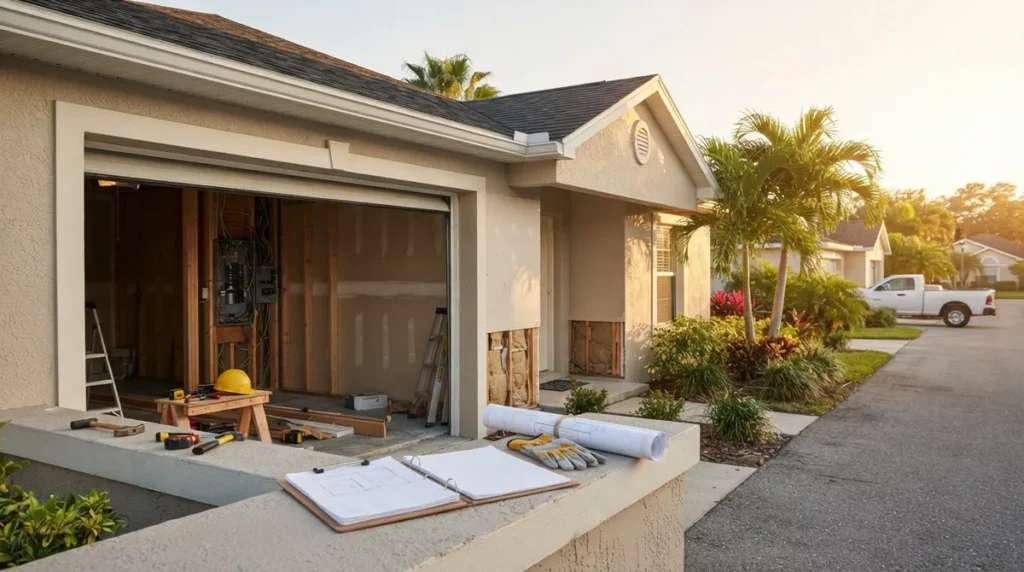
Key Takeaways
-
Florida's owner-builder exemption generally covers only property for the owner's own use and not offered for sale or lease, so it often does not apply to rental properties (see Fla. Stat. §489.103).
-
Before covering or altering anything, confirm the jurisdiction and search the permit history by address, then compare permit records against what physically exists on the property.
-
An after-the-fact permit does not automatically legalize unpermitted work; the department may require plans, engineer letters, exposing concealed work, corrections, and passing inspections.
-
The property owner typically bears responsibility for unpermitted work even if a tenant, prior owner, or contractor performed it, so keep permits, inspection results, and contractor records in one property file.
-
Unresolved unpermitted work can trigger code enforcement fines, delay sales and refinancing, complicate insurance claims, and block future permits until old problems are fixed.
-
Prevent future problems by verifying contractor licenses, requiring in writing that the contractor pulls the permit and closes it out, and calling the building department before altering the property.
So you own a rental property in Florida, and somewhere along the way you learned (or suspect) that some of the work on it was never permitted. Maybe a prior owner enclosed the patio. Maybe a tenant's handyman swapped out the water heater. Maybe a contractor you trusted quietly skipped the paperwork. First, take a breath. You are far from the only landlord in this boat, and there is almost always a path forward.
Dealing with rental property unpermitted work in Florida can feel overwhelming, but it comes down to a handful of clear steps: find out what was done, learn what your local building department requires, document the work, and bring it into compliance. The trick is doing it in the right order, so you do not accidentally make things harder (like covering up concealed work before anyone can inspect it).
In this friendly, step-by-step guide, we will walk through how to spot unpermitted work, why rental owners face extra scrutiny, what an after-the-fact permit really involves, and how to get it all wrapped up with less stress. Whether you are a landlord, an investor, a real estate professional, or a contractor helping a client, you will find practical, plain-English guidance here.
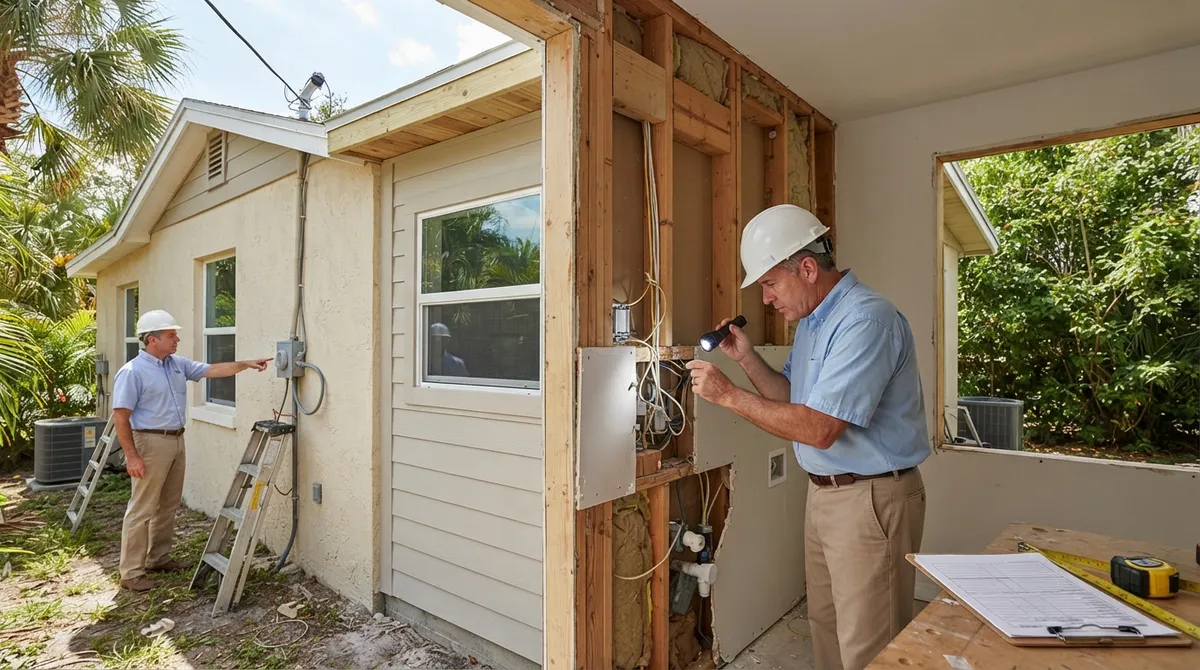
Why Unpermitted Work on a Rental Property Is a Bigger Deal
Florida law generally requires a permit from the local enforcing agency before construction, alteration, modification, repair, or demolition work begins. That general rule comes from Florida Statutes §553.79, and the local building department handles permits and inspections. Whether a specific job is exempt depends on the work itself and on state and local rules, so it is always smart to confirm with your city or county.
Rental owners often assume they can rely on the owner-builder exemption. Here is the catch: under Florida Statutes §489.103, that exemption for one- and two-family residences applies to property for the owner's own use that is not offered for sale or lease. Because a rental is, by definition, offered for lease, that exemption often does not fit. If you want to see how owner-builder rules work in practice, our owner-builder permits page explains the basics.
There is also a small exemption in the statute for certain work valued under $7,500 on an owner's single-family dwelling. Do not stretch that one too far. Its scope is narrow, and your local rules still apply, so check the current statute and your jurisdiction before relying on it.
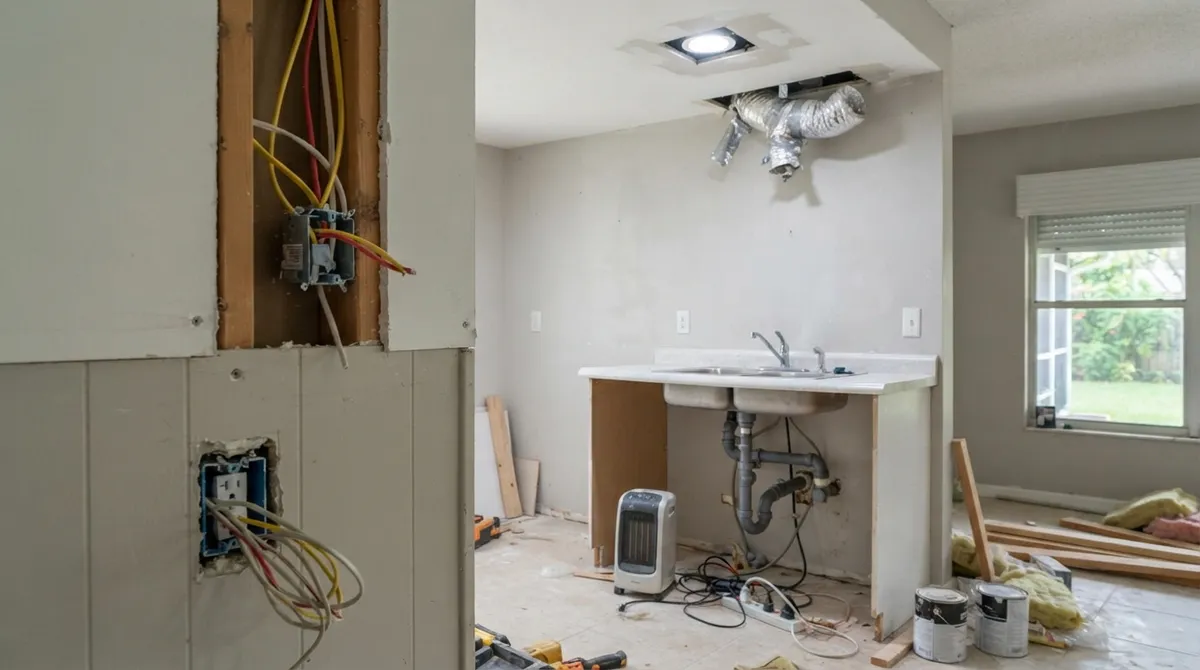
Common Types of Unpermitted Work Found in Florida Rentals
Unpermitted work tends to show up in the same places again and again. Here are the usual suspects we see on rental properties:
- Enclosed patios, lanais, and garages converted into extra living space
- Room additions and bonus rooms built without plans
- Electrical changes such as new panels, added circuits, or ceiling fans wired in by non-licensed hands
- Plumbing work including relocated fixtures, new bathrooms, and water heater swaps
- HVAC replacements done without a mechanical permit
- Roof replacements and repairs that skipped the permit and inspections
- Windows and doors replaced without product approval documentation
- Fences, sheds, pool cages, and decks that never saw an inspector
If you want a deeper look at one of the most common problems, see our guide on unpermitted roofs in Florida.
How to Find Out If Work on Your Rental Was Permitted
Before you do anything else, you need facts. Guessing is how owners get surprised later. Here is a simple research routine you can follow.
- Confirm the jurisdiction. Addresses near city lines can be tricky. Your property might be governed by the city or by the county, and that changes who holds the records and who enforces the rules. Our building department lookup tool can help you figure out who is in charge.
- Search the permit history. Most Florida jurisdictions let you look up permits by address online. You can also try our open permit search to look for open or expired permits.
- Compare records to reality. Walk the property with the permit list in hand. Does that bonus room appear anywhere? Is there a permit for the new electrical panel? Gaps between what exists and what was permitted are red flags.
- Gather old paperwork. Closing documents, inspection reports, prior listings, and contractor invoices can reveal work you did not know about.
- Contact the building department. A quick call or visit before you touch anything can save you time and money.
Worried about what an open or expired permit might do to a sale? Read about what happens when an open permit is found at closing.
Who Is Responsible: Landlord, Tenant, or Contractor?
Here is a question we hear constantly. The short, honest answer is that the property owner typically carries the responsibility for the condition of the property, even if a tenant, a prior owner, or a contractor did the work. You may have recourse against the person who did it, but the building department is going to look at the property and its owner first.
That is why keeping good records matters so much. Hold on to permit records, inspection results, contractor documentation, and any correction notices in one property file. If a dispute ever comes up, that file is your best friend. If you are also wondering about the contractor side of things, our article on who can pull a permit in Florida is a helpful read.
What Can Happen If Unpermitted Work Stays Unresolved
We never like to scare anyone, but it is only fair to be upfront. Leaving unpermitted work alone can create a few headaches:
- Code enforcement exposure. A neighbor complaint, a tenant report, or a routine inspection can trigger a notice. Florida Statutes §162.09 gives local governments a framework for fines, but amounts depend on the violation and the local ordinance. There is no single statewide fine.
- Transaction delays. Buyers, lenders, and title companies increasingly ask about permit history, and surprises can stall a closing.
- Insurance trouble. Unpermitted or uninspected work can complicate claims. Learn more in our piece on expired permits and insurance claims in Florida.
- Blocked future permits. Some jurisdictions will not issue new permits until older problems are resolved.
- Safety risks for your tenants. Faulty wiring or improper structural work puts real people in harm's way, which is the biggest reason permits exist at all.
For a closer look at penalties, see our overview of the penalty for building without a permit in Florida. And if you have already received a notice, our guide to code compliance violations can point you in the right direction.
Understanding After-the-Fact Permits
An after-the-fact permit (sometimes called a retroactive permit) is the usual route for bringing existing unpermitted work into the system. There is no single statewide procedure or fee. Each local building department sets its own application requirements, fees, and process.
The most important thing to understand is this: an after-the-fact permit does not automatically legalize the work. The building department may require you to expose concealed work, submit sealed plans, fix deficiencies, and pass inspections before it signs off. Think of it as a verification process, not a rubber stamp. Our after-the-fact and expired permits service is built around exactly this process.
What Local Departments Commonly Ask For
| Requirement | What It Means for You | Why It Matters |
|---|---|---|
| Application and fees | Set locally; some jurisdictions add extra fees for work started without a permit | Amounts vary, so confirm with your city or county |
| Plans or as-built drawings | Drawings showing existing conditions of the work | Reviewers need to see what was actually built |
| Engineer or professional letter | A licensed professional assesses structural, electrical, or mechanical items | Verifies safety when work is hidden or undocumented |
| Exposure of concealed work | Opening walls, ceilings, or floors for inspection | Inspectors cannot approve what they cannot see |
| Corrections | Fixing anything that does not meet code | Work must comply before final approval |
| Inspections | Required inspections through final | Closes the permit and documents compliance |
How to Legalize Unpermitted Work on Your Rental: Step by Step
Ready to get moving? Here is a practical roadmap you can follow from first discovery to closed permit.
- Pause and do not conceal anything. Do not paint, drywall, or cover up work until you know what the building department wants to see.
- Identify the scope. List every piece of unpermitted work, from big additions to small electrical changes.
- Confirm your jurisdiction and its rules. Contact the local building department to ask about its after-the-fact process, required documents, and fees.
- Document existing conditions. Take photos, measure rooms, and gather any receipts or contractor records.
- Bring in the right professional. Depending on the work, you may need a Florida-licensed contractor, architect, or engineer to evaluate and prepare a compliant submission.
- Prepare and submit the permit package. This often includes as-built drawings, engineer letters, and a completed application.
- Answer reviewer comments. Expect questions. Clear, quick responses keep the file moving.
- Make corrections and schedule inspections. Fix any deficiencies, expose concealed items as needed, and pass the required inspections.
- Close out and keep the records. Once approved, store the final permit and inspection records in your property file.
If you want even more detail, our guide to legalizing unpermitted work in Florida goes deeper, and our walkthrough on how to get an after-the-fact permit in Florida covers the application side.
Which Professionals Do You Actually Need?
Not every project needs the same team. Here is a quick guide to match the problem with the pro.
| Situation | Likely Help Needed | Typical Deliverable |
|---|---|---|
| Enclosed patio or room addition | Drafter plus structural engineer | As-built plans and sealed structural letter |
| Electrical or plumbing changes | Licensed trade contractor and MEP engineer | Corrected work, inspection, and MEP documentation |
| Roof or truss concerns | Structural engineer | Engineer letter and verification |
| Unknown prior-owner work | Permit specialist plus drafter | Permit history research and as-built drawings |
| Active code violation | Permit specialist and engineer | Compliance plan and permit submission |
Many owners are surprised to learn how much a sealed engineer letter can help. We cover it in who writes engineer letters for Florida permits, and our as-built drawings page explains how existing conditions get documented for review.
Special Situations Rental Owners Often Face
You Inherited the Problem From a Prior Owner
It is incredibly common to buy a rental and discover the previous owner skipped permits. Unfair? Absolutely. But the responsibility generally follows the property. The good news is that you can resolve it, and doing so before you sell protects your future buyer relationships. See our article on what to do when a prior owner skipped permits.
A Tenant or Handyman Did the Work
If a tenant altered the unit, review your lease terms and document everything. Then address the work with the building department just as you would any other unpermitted modification.
You Are Planning to Sell or Refinance
Lenders, appraisers, and buyers may flag unpermitted work. Sorting it out ahead of time usually gives you more control than scrambling mid-transaction. Real estate professionals, take note: our realtor and closing support exists for exactly these moments.
You Have a Stop Work Order or Violation Notice
If the clock is ticking, speed matters. Respond to the notice, do not ignore deadlines, and get a plan in place. Our urgent permit rescue service handles denials, stop work orders, and closings held up by permit problems.
Tips to Avoid Unpermitted Work in the Future
Once you are squared away, keep your rental on solid ground going forward. A few habits make a big difference:
- Verify licenses. Check that every contractor holds the proper Florida license before work begins.
- Insist on permits in writing. Your contract should state who pulls the permit and that it will be closed out.
- Never rely on "I'll pull it later." That promise is how many unpermitted jobs begin. Our article on a homeowner who said they would pull the permit shows how this goes wrong.
- Keep a property file. Store permits, final inspections, and warranties together.
- Ask before you alter. A quick call to the building department beats a long cleanup later.
- Close every permit. Open and expired permits can cause trouble of their own, as we explain in how to close an expired permit in Florida.
How 1 Contractor Solutions Can Help
If all of this sounds like a lot to juggle, that is exactly why we exist. 1 Contractor Solutions acts as Florida's outsourced permitting department. We are not a construction contractor. We handle the paperwork, plans, engineering, filing, tracking, and reviewer comments so you can focus on running your rental business.
Our drafting and engineering teams are in house, and our engineer signs and seals the work. That means when a reviewer flags something, we fix it directly instead of waiting on an outside consultant. We work across all 67 Florida counties and respond fast, day or night. You can read what customers say by visiting our 1 Contractor Solutions listing on Google, and you can follow us on LinkedIn or follow us on Facebook for updates and permitting tips.
Wrapping It Up
Finding unpermitted work on a rental property is stressful, but it is rarely the end of the road. The recipe is simple: research the permit history, do not conceal anything, confirm your local requirements, document what exists, and bring in the right professionals to make it right. Handle it early, and you protect your tenants, your investment, and your peace of mind.
Ready to get started? Whether you are staring at a violation notice or just want to clean up your records before a sale, get a free quote from our team and let us take the permit headache off your plate.
FAQs
How can I find out whether work on my Florida rental property was permitted?
Start by confirming which city or county has jurisdiction, then search that building department's online permit records by address. Compare the permit list to what actually exists on the property, and call the department if anything looks off. It is a simple first step that can save you from big surprises later.
Can I get an after-the-fact permit for unpermitted work on a rental in Florida?
In most cases, yes, though the process is set locally and varies by city and county. You may need plans or as-builts, an engineer letter, exposed concealed work, and passing inspections. Keep in mind that an after-the-fact permit does not automatically legalize the work, since it must still meet code.
Does Florida's owner-builder exemption apply to a rental property?
Often it does not. Florida Statutes §489.103 limits the owner-builder exemption for one- and two-family residences to property for the owner's own use that is not offered for sale or lease. Because a rental is offered for lease, you should verify your eligibility with the local building department before relying on it.
Who is responsible for unpermitted work on a Florida rental, the landlord, tenant, or contractor?
The property owner generally remains responsible for the property's condition, even when a tenant, prior owner, or contractor did the work. You may have recourse against whoever performed it, but the building department will typically look to the owner first. Good record keeping makes everything easier.
What penalties or fees can apply to unpermitted work in Florida?
There is no single statewide fine. Penalties depend on the local ordinance, the type of violation, and the enforcement process, and some jurisdictions add extra fees for work started without a permit. Contact your local building or code enforcement office to learn what applies to your situation.
We do this work every day across all 67 Florida counties. Call (866) 314-6931 and we will tell you what your situation actually requires — including when you do not need us.
Related services
Permit Facilitation & Filing
You have a crew scheduled, a client asking for dates, and a permit sitting somewhere in a queue you cannot see. We file it, w…
See the servicePlan Review Coordination
A permit in plan review is not one queue. On a commercial project it can be six queues, each with its own reviewer, its own c…
See the serviceReady to get your permit moving?
One call tells you which jurisdiction controls your project, what it will take, and what it will cost. Most of the time we can scope it on the phone.